
Imagine the lights flicker and suddenly go out in your hospital. What happens next?
Your life, or the life of someone you care about, could depend on a large standby electricity generator kicking in instantly. If you’re responsible for safety or operations in a hospital, understanding how these powerful backup systems work is crucial.
This article will reveal why a reliable standby generator is not just an option but a necessity for keeping critical medical equipment running and saving lives during power failures. Stay with me to learn how this silent guardian protects your hospital every second of the day.

Credit: www.cqstart.com
Importance Of Backup Power In Hospitals
Hospitals rely heavily on electricityto keep machines and lights running. Backup power is vitalto ensure no interruptions during outages. Life-saving devices like ventilators and monitors need continuous power.
Power outages can cause serious risks. Surgeries may stop, and patient care can be delayed. Even brief power loss can affect critical equipmentand data systems.
- Backup generatorsprovide power instantly during failures.
- They protect patient safetyand hospital operations.
- Ensure that emergency serviceswork without interruption.
- Help maintain proper temperature controlfor medicines and equipment.
Features Of Large Standby Generators
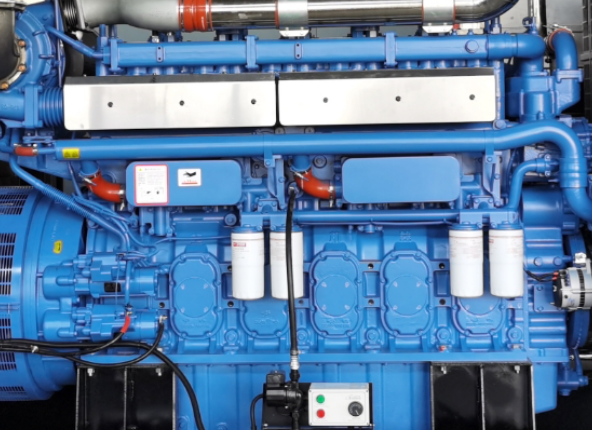
Large standby generatorsprovide high capacitypower to hospitals. They deliver enough electricity to run critical equipmentduring outages. Power output varies but often ranges from 100 kW to several megawatts. This ensures uninterrupted operationof life-saving machines and systems.
Fuel typesinclude diesel, natural gas, and propane. Diesel is common for its reliabilityand energy density. Natural gas offers cleaner emissionsand continuous supplyif connected to pipelines. Efficiency depends on fuel choice and generator design.
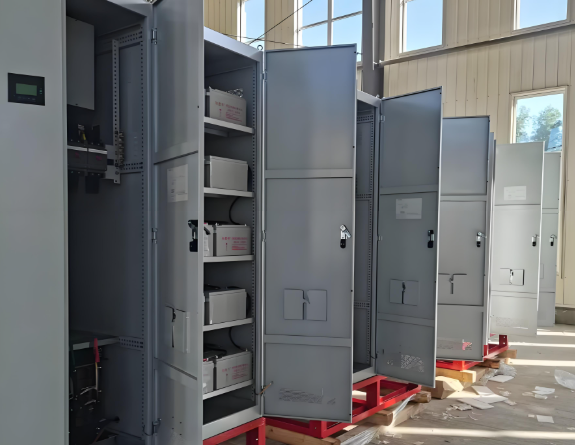
Automatic transfer switches (ATS)switch power from the grid to the generator instantly. This prevents power interruptionin hospital areas. ATS monitors power and starts the generator within secondsof an outage. It ensures smooth and safe power transfer.
Installation And Placement Considerations
Choosing the right site for a large standby generator is very important. It needs enough spacefor installation and future maintenance. The area should be dryand secure. Avoid places near patient rooms to reduce noise impact.
Noise and emissions must be controlled carefully. Generators can be loudand produce harmful gases. Use soundproof enclosuresand exhaust systemsto lower noise and fumes. This keeps the hospital environment safeand comfortable.
| Safety Standard | Description |
|---|---|
| NFPA 110 | Requires reliable power systems for emergency use. |
| OSHA | Sets rules for safe installation and operation. |
| EPA | Limits emissions from fuel-powered generators. |
Credit: www.cqstart.com
Maintenance And Testing Protocols
Routine inspectionscheck all parts of the generator. This includes oil levels, battery charge, and fuel supply. Small problems are found and fixed fast. This keeps the generator ready to run without fail.
Load bank testingsimulates real power use. It helps make sure the generator can handle hospital needs. Testing at full load avoids surprises during outages. It also checks if the system cools and runs well under pressure.
Emergency readiness drillstrain staff to start and run the generator. These drills show if the generator starts quickly and powers critical hospital areas. Staff learn how to act fast during real emergencies. Regular drills build confidence and safety.
Impact On Patient Care And Hospital Operations
A large standby electricity generator in a hospital plays a vital role in patient care and operations. It ensures life-saving equipmentstays powered during outages, such as ventilators and monitors. This support prevents interruptions that could risk lives.
It also keeps communication systemsrunning smoothly. Phones, alarms, and computers remain active, helping staff coordinate care and respond quickly. Reliable communication is essential for patient safety.
Comfort and safety are maintained as well. Heating, cooling, and lighting systems work without fail. Patients stay comfortable, and emergency exits stay lit for safe movement. The generator creates a secure and stable environmentduring power loss.
Cost Factors And Funding Options
The initial investmentfor a large standby generator includes the purchase priceand installation costs. Installation involves wiring, fuel setup, and safety checks. These expenses vary depending on the generator size and hospital requirements.
Operational costscover fuel, regular testing, and electricity use for the generator. Maintenance expensesinclude parts replacement, oil changes, and professional service visits. These keep the generator reliable in emergencies.
| Funding Option | Description |
|---|---|
| Grants | Hospitals may apply for government or private grants to support generator purchase. |
| Financial Assistance | Loans or subsidies can reduce upfront costs and ease payment over time. |
Future Trends In Hospital Power Backup
Hospitals are adding solar panelsand wind turbinesto power backup systems. This helps save energy and reduce pollution. These renewable sources work with large standby generators to keep power steady.
Smart monitoring systems watch the generator’s health all the time. They send alerts if there is a problem. This allows quick fixes before power fails. It also helps plan regular maintenance easily.
| Advancement | Benefit |
|---|---|
| Cleaner Fuels | Lower emissions and better air quality |
| Fuel Efficiency | Longer run time with less fuel used |
| Biofuels | Renewable and reduce carbon footprint |
Credit: www.cqstart.com
Frequently Asked Questions
What Is The Purpose Of A Standby Generator In Hospitals?
A standby generator provides backup power during outages. It ensures critical medical equipment remains operational. This maintains patient safety and hospital functionality.
How Large Is A Typical Hospital Standby Generator?
Hospital standby generators vary but often range from 250 kW to 2000 kW. Size depends on the hospital’s power needs and critical systems. Larger hospitals require bigger generators for full backup.
How Does A Standby Generator Activate During Power Loss?
The generator uses an automatic transfer switch. It detects power failure and starts the generator within seconds. This rapid response keeps essential systems running without interruption.
Why Is Reliability Crucial For Hospital Generators?
Hospitals rely on generators to power life-saving equipment. Any failure can risk patient health and safety. Reliable generators ensure continuous operation during emergencies.
Conclusion
A standby generator ensures hospital operations continue smoothly during outages. Power failures can jeopardize patient care and safety. Reliable electricity supports essential medical equipment and lighting. It safeguards critical areas like ICUs and operating rooms. Hospitals must invest in a dependable generator system.
Regular maintenance is crucial for optimal performance. Prioritize patient safety with a robust power backup plan. Hospitals can remain operational in emergencies. Peace of mind for staff and patients alike. Choosing the right generator benefits everyone involved.