
A Residential Standby Power System Generator is typically your best defense against unexpected power outages. Imagine losing electricity during a storm or blackout—your lights go out, your fridge stops working, and your home feels unsafe and uncomfortable.
But with the right standby generator, you can keep your essential appliances running smoothly without lifting a finger. You’ll discover what makes these generators reliable, how they work automatically, and why having one could be the smartest decision for your home and peace of mind.
Keep reading to find out how to protect your family and never be left in the dark again.
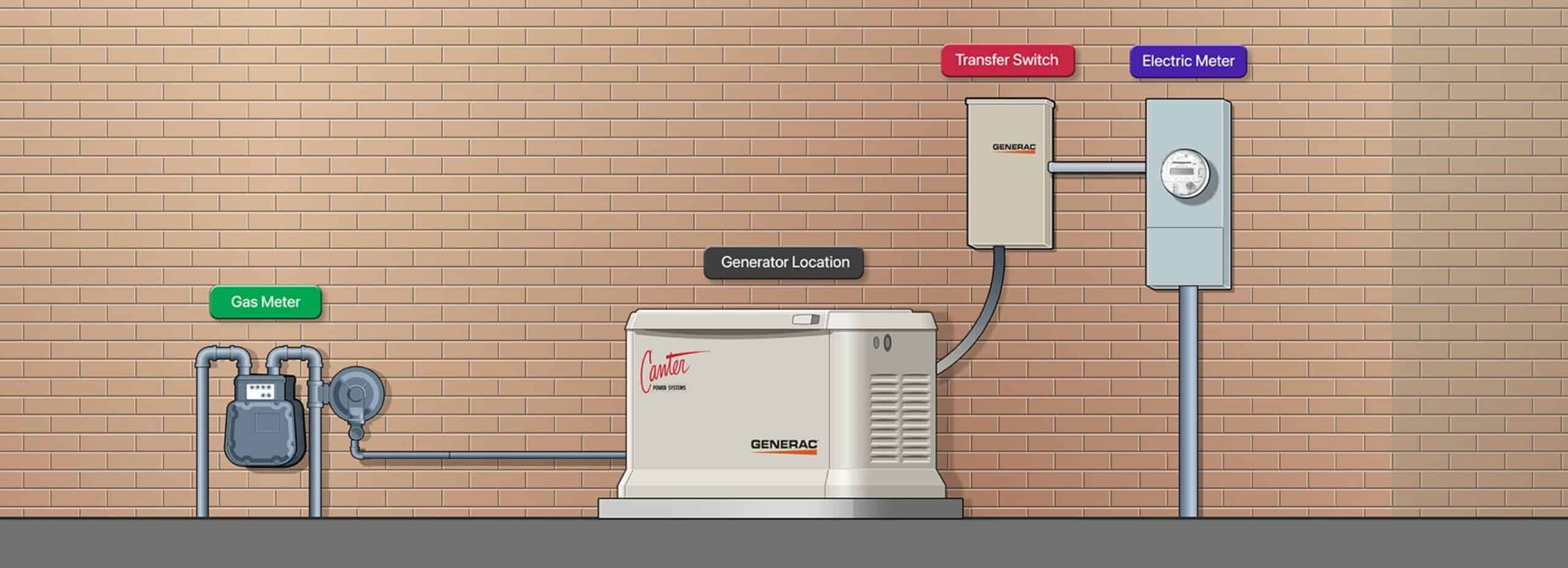
Credit: canterpowersystems.com
Importance Of Standby Generators
Power outagescan happen anytime, causing safety risks at home. A standby generator keeps your lights onand important devices working. This is crucial for safety, especially in bad weather.
Standby generators protect essential appliances like refrigerators, heating systems, and medical equipment. They help stop food spoilage and keep homes warm or cool. This means less damageand more comfortduring blackouts.
Having a standby generator gives peace of mind. Families feel safer knowing they won’t lose power in emergencies. It supports quick recoveryafter storms or other problems.

Credit: www.generac.com
How Residential Standby Generators Work
The generator has a sensor that detects power outagesautomatically. It starts the generator within seconds to keep your home powered. This automatic power detectionensures no delay in electricity supply.
Generators use different fuel sourceslike natural gas, propane, or diesel. Each fuel type affects the efficiency and run timeof the generator. Natural gas is common for homes because it is clean and easy to access.
Power switches from the main grid to the generator seamlessly. This switch happens quickly so your lights and appliances keep working without interruption. When the main power returns, it switches back smoothly.
Choosing The Right Generator
Assessing your power needsis the first step. Check which appliances and devices must run during an outage. Consider both essentialand optionalitems. This helps decide the generator size.
Size and capacity options vary. Generators range from small, portable units to large, whole-house systems. Choose one that can handle total wattageof all needed devices. Bigger is not always better; too large wastes fuel.
| Generator Size | Typical Use | Power Output (Watts) |
|---|---|---|
| Small | Basic appliances, lights | 1,000 – 3,000 |
| Medium | Whole house essential loads | 5,000 – 10,000 |
| Large | Full home backup | 10,000+ |
Fuel type matters. Common choices include:
- Natural Gas:Continuous supply, cleaner burning.
- Propane:Easy storage, good for longer outages.
- Diesel:Powerful, but noisy and less clean.
- Gasoline:Portable, but short storage life.
Select fuel based on availability, cost, and storage options. Each type has pros and cons.
Installation And Maintenance
Professional installationensures the generator works safely and efficiently. Experts know the right place to install it. They connect the system to your home power safely. This avoids risks of electric shock or damage. Proper installation also keeps the generator quiet and clean.
Routine maintenance helps the generator last longer and work well. Check the oil level often and change it as needed. Clean or replace air filters regularly. Test the battery and keep it charged. Run the generator monthly to keep it ready for use.
Troubleshooting common issues is easier with some basic checks:
- Check the fuel level if the generator won’t start.
- Listen for strange sounds during operation.
- Inspect spark plugs and clean or replace if dirty.
- Ensure the battery connections are tight and clean.
- Look for error codes on the control panel.
Cost And Investment Value
The initial costsof a residential standby generator include the unit price, installation fees, and any permits. Financing options may help spread out these expenses over time. Many suppliers offer payment plans to ease upfront payments.
Long-term savings come from avoiding power outage losses. A generator keeps your home running during blackouts, protecting food, electronics, and comfort. It also reduces costs from emergency repairs or hotel stays.
| Insurance Impact | Property Value |
|---|---|
| Some insurance companies offer discounts for homes with standby generators. | Having a standby generator can increase home value by adding reliability and safety. |
Credit: www.premium-electric.ca
Safety Precautions And Regulations
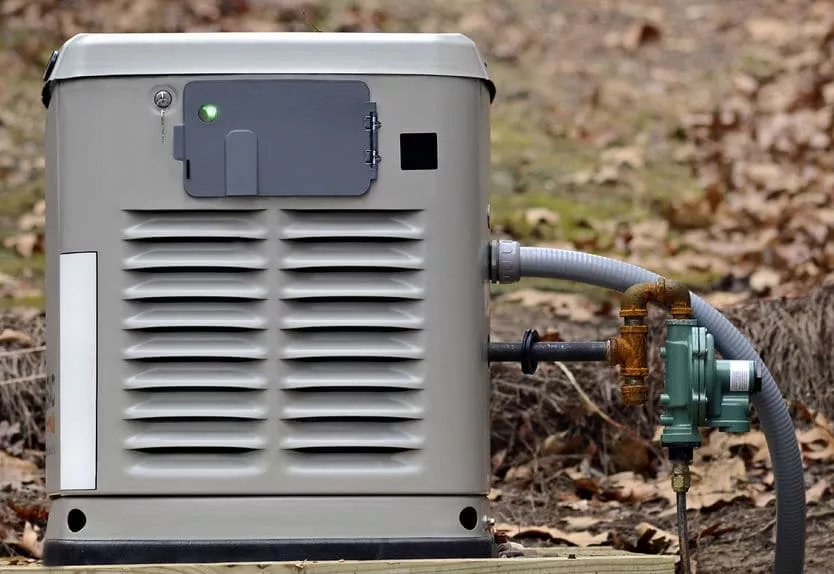
Proper ventilationis critical for safe generator operation. Place the generator outdoors, away from windows and vents. This avoids the build-up of harmful gases. Keep it on a flat, dry surface to prevent accidents.
Follow local codes and permits. These rules ensure your generator is installed safely and legally. Contact your local authority to learn the specific requirements in your area.
- Install carbon monoxide (CO) alarms near living spaces.
- Never run the generator indoors or in garages.
- Keep children and pets away from the generator.
- Check exhaust direction to avoid gas entering the home.
Frequently Asked Questions
What Is A Residential Standby Power System Generator?
A residential standby power system generator automatically provides electricity during outages. It powers essential home appliances seamlessly. It ensures continuous energy supply without manual intervention, enhancing home safety and convenience.
How Does A Standby Generator Activate During Power Loss?
The generator activates automatically when it senses power loss. A transfer switch signals the generator to start immediately. It supplies electricity to the home until utility power is restored.
What Fuel Types Do Residential Standby Generators Use?
Common fuels include natural gas, propane, and diesel. Natural gas is popular for its convenience and cost-effectiveness. Propane offers long storage life, while diesel provides reliable power in remote areas.
How Much Power Can A Residential Standby Generator Provide?
Power capacity varies, typically between 7 kW to 22 kW. It depends on home size and essential appliances. Proper sizing ensures efficient operation and adequate backup power.
Conclusion
A residential standby power system ensures your home stays powered. It offers peace of mind during outages. No more worries about spoiled food or lost work. These generators start automatically. They provide consistent energy without manual intervention. Maintenance is simple and worth the effort.
Investing in one means security for your family. It’s a practical choice for homeowners today. As power needs grow, so does the importance of standby systems. Consider your options. Stay prepared for future emergencies. Protect your home and loved ones with a reliable power backup solution.