A Standby Power System Generator is typically your best defense against unexpected power outages. Imagine losing electricity during a critical moment—your work halts, your comfort fades, and your safety might even be at risk.
But what if you could avoid all that stress? Understanding how a standby generator works and why it’s essential can save you from these frustrating situations. Keep reading to discover how this system can protect your home or business and give you peace of mind when the lights go out.
Credit: canterpowersystems.com
Role Of Standby Power Generators
Standby power generatorsprovide electricity during outages. They keep essential systems running without interruption. Hospitals, data centers, and factories rely on them heavily.
These generators start automatically when the main power fails. This ensures continuous power supplyand prevents damage or data loss. They help maintain safety and comfort in homes and offices too.
- Critical facilitieslike hospitals need constant power for life-saving machines.
- Data centers use generators to protect servers and important information.
- Factories avoid costly downtime by using standby power systems.
- Emergency services stay operational during blackouts.
| Benefit | Impact on Operations |
|---|---|
| Uninterrupted Power | Prevents shutdowns and keeps work going |
| Safety Assurance | Maintains lighting and security systems |
| Cost Savings | Avoids losses from halted production |
| Peace of Mind | Reduces stress during power failures |
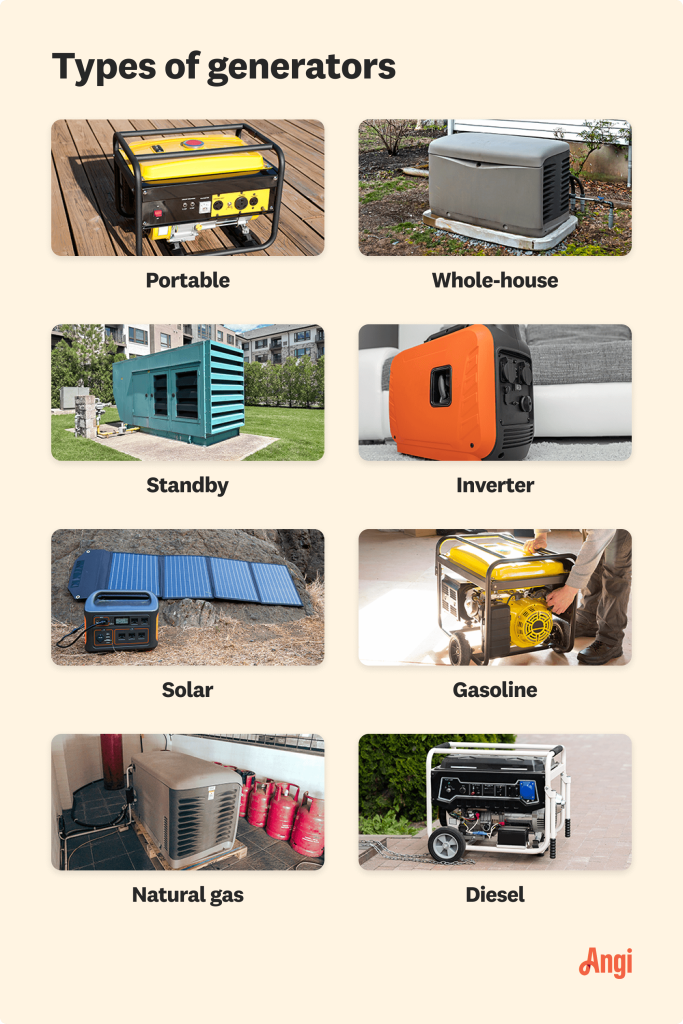
Types Of Standby Generators
Diesel generatorsare known for their strong power outputand reliability. They use diesel fuel to run and are often found in places needing longer backup power. These generators usually last long and are easy to maintain.
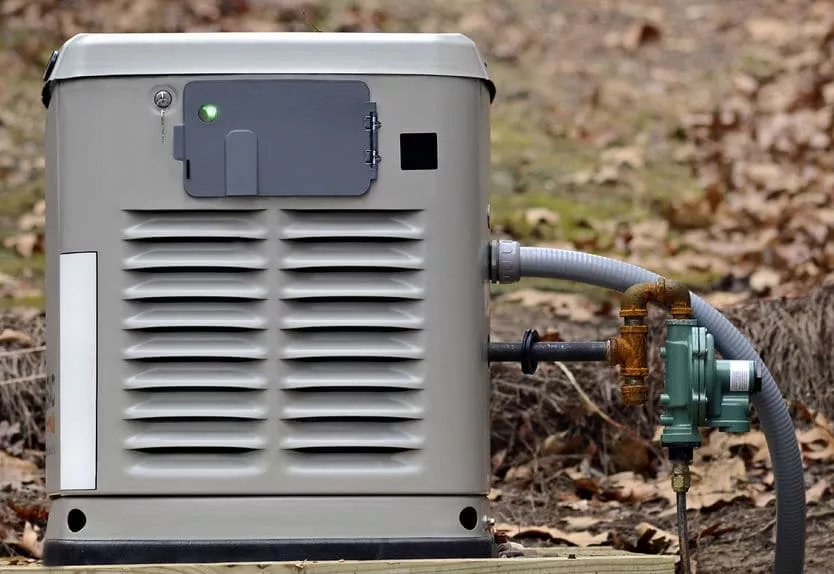
Natural gas generatorsrun on natural gas, which is cleaner than diesel. They are quieter and produce fewer emissions. These generators are a good choice for homes or businesses with a natural gas connection.
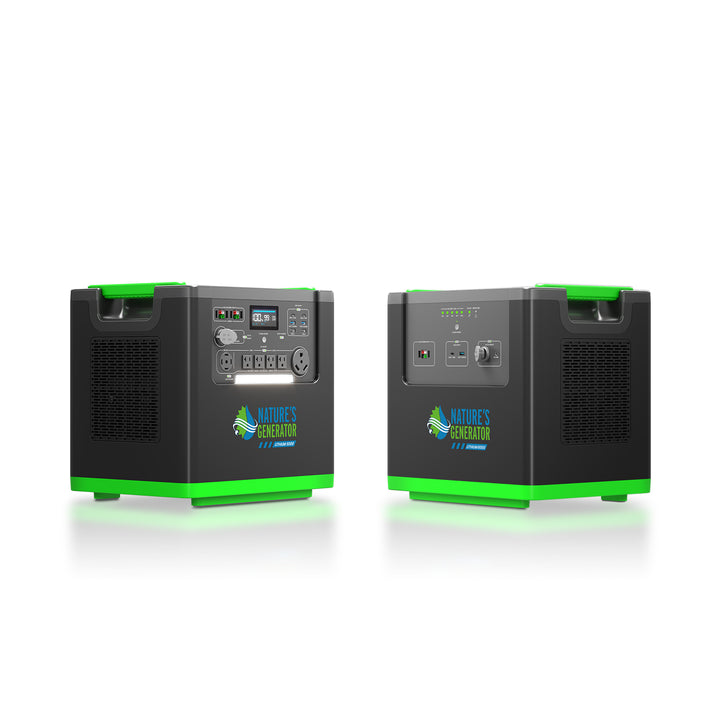
Battery backup systemsstore energy in batteries and provide instant power during outages. They are quiet, clean, and require little maintenance. These systems are best for short power interruptions and smaller power needs.
Key Features For Reliability
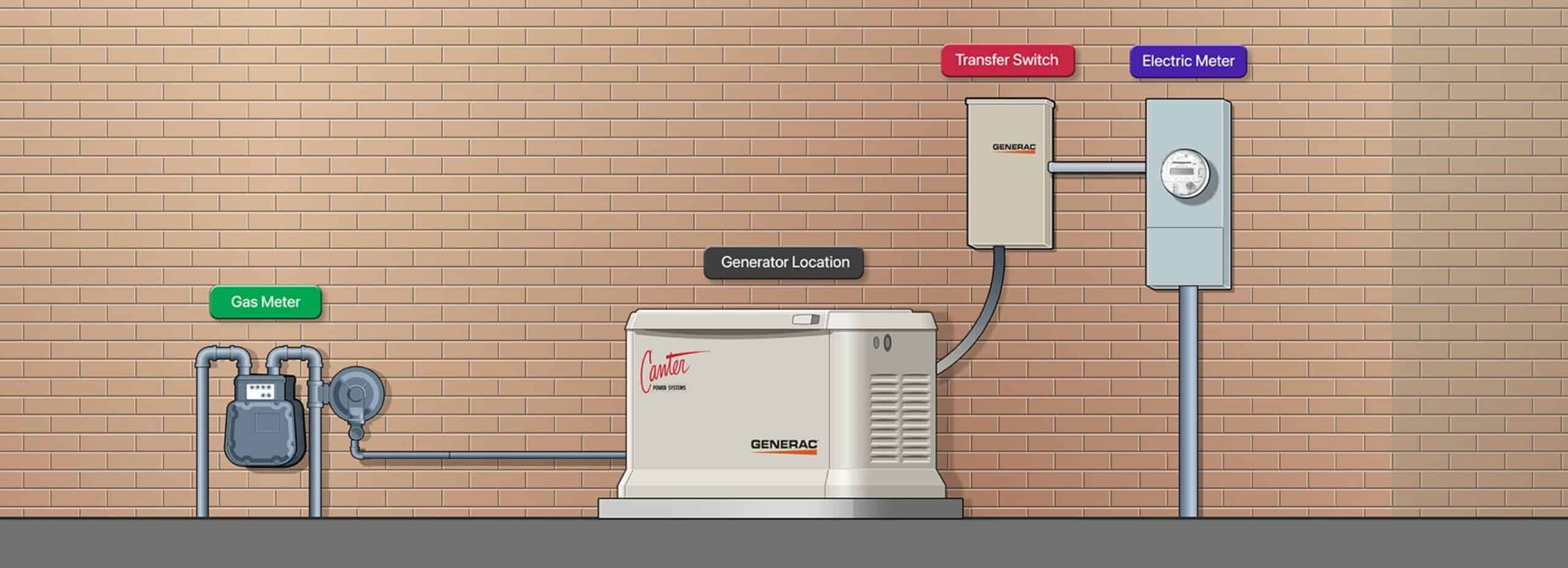
Automatic Transfer Switchesensure the generator starts instantly during power loss. They switch power sources without delay, keeping machines running smoothly. This avoids downtime and protects sensitive equipment.
Load Management Capabilitieshelp balance power use. They prevent overloading and extend generator life. By controlling which devices get power first, they keep the system stable and efficient.
Regular Maintenance Practiceskeep the generator reliable. Checking oil, filters, and batteries stops failures. Scheduled inspections find issues early, saving money and avoiding surprises.
Benefits Of Standby Power Systems
Standby power systemshelp keep things running during power outages. They reduce downtime, so work or home life does not stop. Businesses can avoid losing money when power stays on.
These systems protect sensitive equipmentlike computers and medical devices. Sudden power loss can cause damage or data loss. A standby generator gives clean, steady power to keep devices safe.
Emergency responseteams depend on standby power for critical tasks. Hospitals, fire stations, and emergency centers stay operational. This support can save lives and keep people safe.
Installation And Compliance
A thorough site assessmentis essential before installing a standby power system generator. It checks the space availability, noise levels, and ventilationneeds. Proper placement avoids hazards and ensures easy access for maintenance.
Regulatory standardsmust be followed carefully. These include local building codes, electrical rules, and environmental laws. Compliance helps prevent legal issues and ensures safe operation.
Safety is key. Generators must have clear labeling, emergency shut-offs, and proper grounding. Fire safety and carbon monoxide risks must be minimized with correct setup and maintenance.
Credit: naturesgenerator.com
Cost Factors And Investment
Initial purchase and setup costsinclude the price of the generator and installation fees. These costs vary based on generator size and type. Professional installation is often needed to ensure safety and efficiency. Additional expenses may come from permits and electrical work.
Operational expensescover fuel, maintenance, and repairs. Fuel cost depends on usage and fuel type. Regular maintenance keeps the generator running smoothly and lasts longer. Repair costs can arise if parts wear out or break down.
Long-term savingscome from avoiding power outage losses. A standby generator protects homes and businesses by providing reliable power. It reduces damage to appliances and prevents downtime. Over time, this can save money and offer peace of mind.
Future Trends In Standby Power
Standby power systemsare evolving to work better with renewable energy. Solar panels and wind turbines can now connect to these generators. This reduces fuel useand lowers emissions. It makes power backup cleaner and greener.
Smart monitoringhelps users track generator health and performance easily. These systems send alerts before problems happen. This saves time and money on repairs. Remote control features let users start or stop the generator from anywhere.
| Advancements | Benefits |
|---|---|
| Improved fuel efficiency | Uses less fuel, costs less to run |
| Cleaner burning engines | Reduces pollution and smoke |
| Longer run times | Supports power needs for more hours |
Credit: www.premium-electric.ca
Frequently Asked Questions
What Is A Standby Power System Generator?
A standby power system generator provides backup electricity during power outages. It automatically activates to keep essential devices running. These generators ensure continuous power for homes, businesses, and critical systems, preventing disruption and damage.
How Does A Standby Generator Work?
A standby generator detects power loss from the main grid. It then starts automatically within seconds to supply electricity. Once the main power returns, it shuts off and recharges for future use.
What Are Common Uses Of Standby Generators?
Standby generators support homes, hospitals, data centers, and businesses. They protect against power interruptions that could harm equipment or safety. These systems are vital in areas with frequent outages or critical power needs.
How Long Can A Standby Generator Run Continuously?
Standby generators can run for hours or days, depending on fuel supply. Diesel or natural gas models offer extended operation. Proper maintenance and fuel management ensure reliable long-term performance during outages.
Conclusion
A standby power system generator ensures safety during power outages. It supports essential services and keeps operations running. Reliable and efficient, it provides peace of mind. Selecting the right generator is crucial for your needs. Consider size, power, and fuel type carefully.
These factors impact performance and maintenance. Always consult with a professional for guidance. Proper installation and regular checks extend the generator’s lifespan. Stay prepared and protect your home or business. Investing in a standby power system is a wise choice.
It safeguards against unexpected blackouts and disruptions.