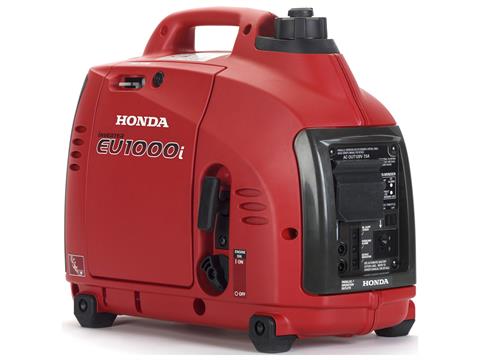
Are you wondering if a 1000W gas generator can save you money on fuel while keeping your devices running smoothly? Fuel efficiency matters because it directly affects how often you need to refill and how much you spend over time.
But not all generators are created equal. You’ll discover the truth about 1000W gas generators—how efficient they really are, what factors influence their fuel use, and whether they’re the right choice for your needs. Keep reading to make sure you get the best value and performance from your next generator.

Credit: chinaandi.en.made-in-china.com
How 1000w Gas Generators Work
A 1000W gas generator converts fuel into electricity. It uses a small engine that burns gasoline to create power.
The engine spins a rotor inside the generator. This movement creates electric current for devices. The generator controls power output to match needs.
Key parts include:
- Engine:Burns fuel to create mechanical energy.
- Alternator:Converts mechanical energy into electricity.
- Fuel Tank:Holds the gasoline for the engine.
- Voltage Regulator:Keeps the power steady and safe.
- Control Panel:Allows starting, stopping, and monitoring.
Fuel Efficiency Factors
Engine designplays a big role in fuel use. Modern engines use less fuel. They burn fuel more fully, so less waste. New technology like fuel injectionhelps engines run cleaner and save gas.
Load and usage affect fuel use too. Generators use less fuel at lower loads. Running a 1000W generator at full power uses more fuel per hour. Short bursts use less fuel than long runs at high power.
| Fuel Type | Fuel Efficiency | Notes |
|---|---|---|
| Gasoline | Moderate | Common, but burns faster |
| Propane | Better | Burns cleaner, stores longer |
| Diesel | Best | High efficiency, less fuel use |
Comparing 1000w Generators To Other Sizes
1000W generators use less fuel than larger models for small tasks. They are good for light use and save money on fuel. Larger generators give more power but use more fuel even when not fully needed.
Smaller generators often run more efficiently at their full load. Bigger ones waste fuel if used below half power. Choosing the right size helps balance fuel use and power needs.
| Generator Size | Fuel Efficiency | Cost | Best Use |
|---|---|---|---|
| 1000W | High for small loads | Lower | Small devices, camping |
| 3000W | Medium | Moderate | Home backup, tools |
| 5000W+ | Lower at low load | Higher | Heavy equipment, large homes |
- 1000W models save fuel on light tasks.
- Larger generators cost more but provide more power.
- Using a generator near its full power improves efficiency.
- Match generator size to your power needs for best fuel use.

Credit: bisonmachinery.en.made-in-china.com
Common Misconceptions About Fuel Efficiency
Many people think a 1000W gas generator uses less fuel because of its size. Smaller wattagedoes not always mean better fuel efficiency. Fuel use depends on load and engine design.
Some myths say these generators run longer on less gas. In reality, running at low powercan make engines less efficient. They use fuel even when not fully loaded.
Real-world tests show fuel use varies with how much poweris drawn. A 1000W generator might consume more fuel per wattat low loads than bigger models.
| Myth | Fact |
|---|---|
| Smaller generators always save fuel | Fuel use depends on load and engine type |
| 1000W means low fuel consumption | Efficiency drops at low power levels |
| They run longer than bigger models | Fuel lasts longer only if load is high |
Tips To Improve Fuel Economy
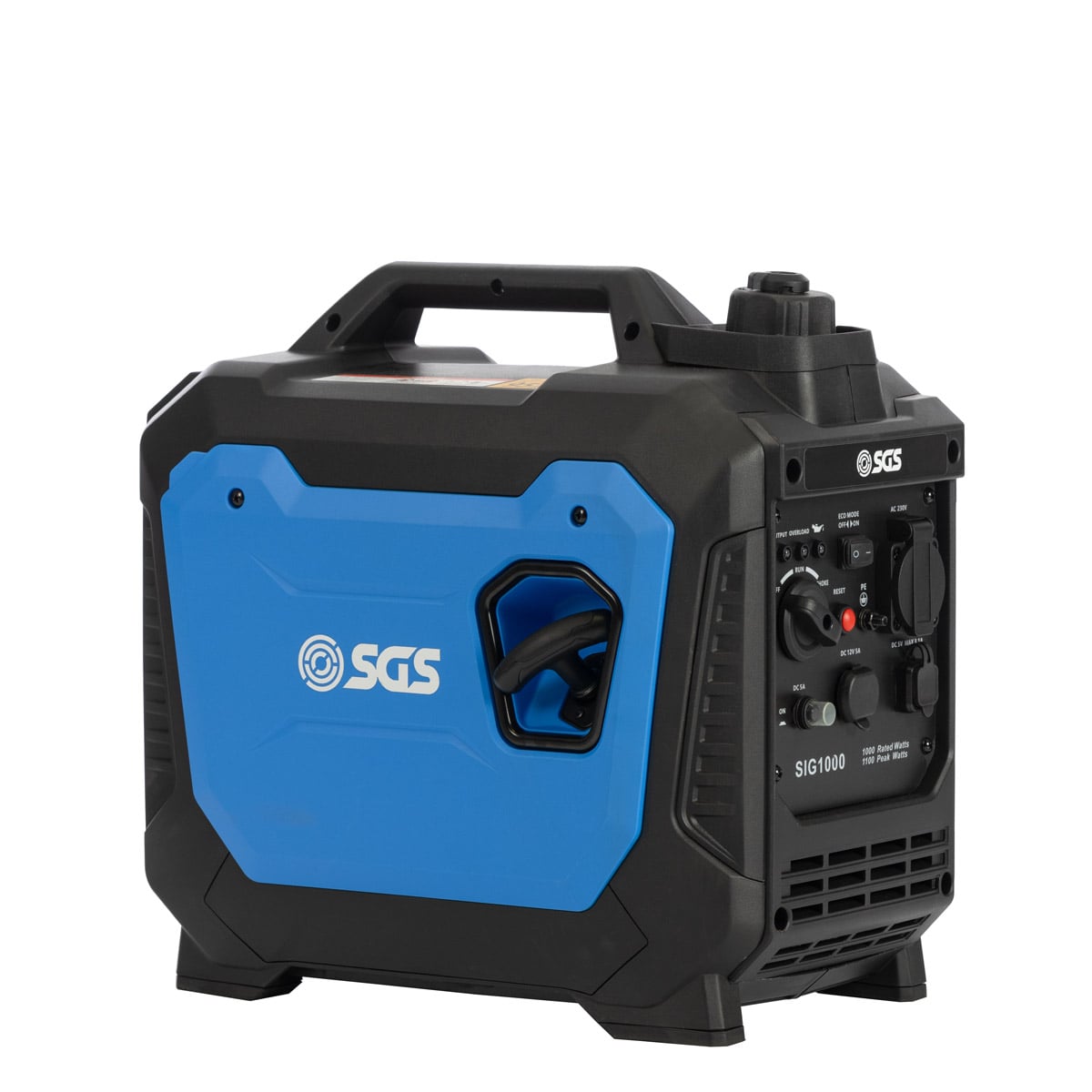
Regular maintenance keeps your 1000W gas generator running efficiently. Change the oil and air filter often. Clean the spark plug to help the engine work well. Check fuel lines for leaks or cracks. Store fuel properly to avoid damage. A clean and well-tuned generator uses less fuel.
Using the right load improves fuel economy. Avoid running the generator at full power all the time. Match the generator’s output to the devices you need. Running at low load wastes fuel and can harm the engine. Turn off unused appliances to save fuel.
Credit: www.sgs-engineering.com
Environmental Impact And Emissions
1000W gas generators use fuel to create power. Their fuel consumptionaffects how much pollution they make. Smaller generators tend to use less fuel but still release gases like carbon monoxide and nitrogen oxides. These gases can harm the air and health.
Many places have rules and standardsthat limit emissions from generators. These rules help keep the air cleaner and reduce health risks. Generators that meet these standards are better for the environment. Checking for certifications can help choose a cleaner model.
Frequently Asked Questions
Are 1000w Gas Generators Cost-effective On Fuel?
1000W gas generators are generally fuel-efficient for small power needs. They consume less fuel compared to larger models, saving money. Efficiency depends on usage and fuel quality. Proper maintenance also improves fuel economy, making these generators cost-effective for short-term or emergency power.
How Long Does Fuel Last In A 1000w Generator?
Fuel duration varies by load and tank size but typically lasts 4-8 hours. Running at half load conserves fuel and extends runtime. Using high-quality fuel and regular maintenance also helps maximize fuel efficiency and generator performance during operation.
What Affects Fuel Efficiency In 1000w Gas Generators?
Fuel efficiency depends on load, engine type, and maintenance. Running at optimal load reduces fuel waste. Clean air filters and fresh fuel improve combustion. Weather and fuel quality also impact efficiency. Proper use and upkeep ensure the generator runs economically.
Can 1000w Generators Run On Alternative Fuels?
Most 1000W generators run on gasoline, but some models support propane or natural gas. Alternative fuels may offer cleaner combustion and better efficiency. Always check manufacturer guidelines before using different fuel types to ensure safety and optimal performance.
Conclusion
1000W gas generators offer decent fuel efficiency for their size. They provide reliable power for small needs. While not the most efficient, they balance cost and use well. Ideal for short-term power outages or camping trips. Consider fuel type and tank size when buying.
Comparing models helps find the best option. Always follow maintenance guidelines for lasting performance. A good choice for portable power needs. Budget-friendly and practical.