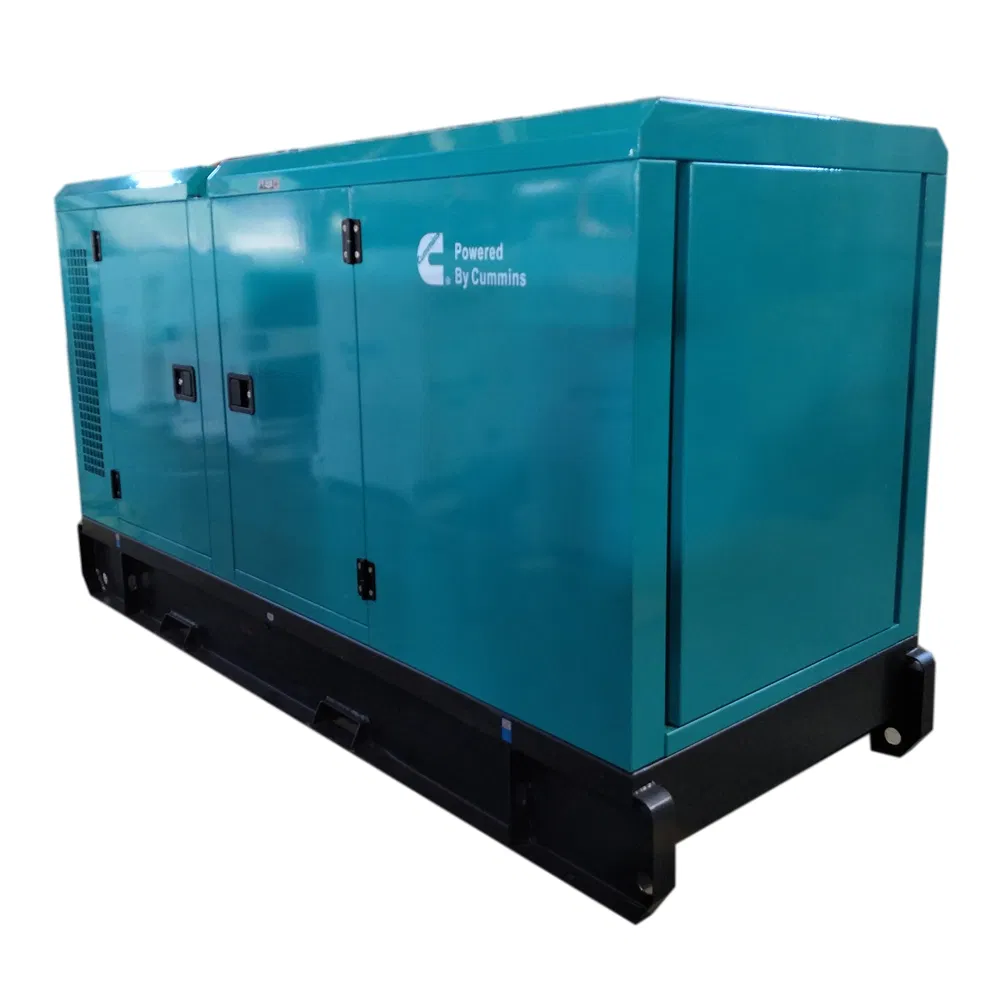
Are diesel generators eco-friendly? It’s a question that might have crossed your mind, especially if you’re considering one for your home or business.
You might be curious about their environmental impact, and whether there are better alternatives available. Diesel generators are known for their reliability and efficiency, but what about their carbon footprint? In a world that’s increasingly conscious about sustainability, understanding how these machines fit into the bigger picture is crucial.
This article will guide you through the facts and myths surrounding diesel generators and their eco-friendliness. You’ll discover insights that might surprise you, and by the end, you’ll have a clearer understanding of what role they play in our environment. So, if you’re ready to unravel the truth about diesel generators and make informed decisions, keep reading. Your eco-consciousness will thank you.
Diesel Generators And Environmental Impact
Diesel generatorsare used in many places. They provide power during outages. But they have an environmental impact. These generators burn diesel fuel. This releases harmful gases. Carbon dioxideis a major gas released. It adds to global warming.
Besides gases, they also release particles. These particles pollute the air. They can cause health problems. People can have breathing issues. The noise from generators is also a concern. It can disturb people and animals.
Using diesel means using fossil fuels. Fossil fuels are non-renewable. They will run out one day. It’s important to find greener options. Reducing pollution is good for everyone.
Credit: blogs.gwu.edu
Emissions From Diesel Generators
Diesel generatorsproduce carbon dioxide as they burn fuel. This gas contributes to global warming. The amount depends on the generator’s size. Smaller ones emit less CO2. Larger ones can release more. It’s like a car’s exhaust. This makes the air dirty. People breathe this air. It can harm health. Reducing emissionshelps the planet. Using less diesel is one way. Renewable energy is a cleaner choice.
Diesel engines emit nitrogen oxides. These gases pollute the air. They cause acid rain. They also make smog. Smog is harmful to lungs. Particulate matter is tiny dirt bits. They float in the air. People can breathe them in. This can lead to lung problems. Plants also suffer. Cleaner technologiescan reduce emissions. Filters can trap particles. Better engines produce fewer gases.
Fuel Efficiency And Resource Use
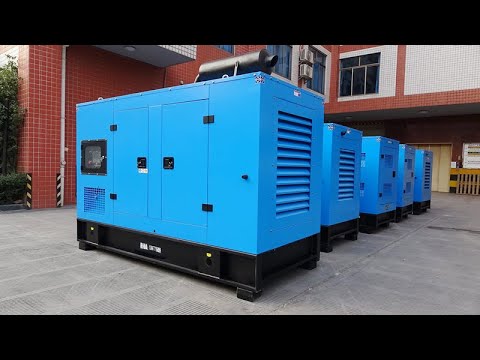
Diesel generators use diesel fuel to make electricity. They are often more fuel-efficientthan gasoline generators. This means they use less fuel for the same power. Diesel engines have higher compression ratios. This makes them more efficient. But, diesel fuel can be dirtyand polluting. So, people worry about its impact on the environment.
Diesel fuel comes from crude oil. The process of getting oil can harm nature. It includes drilling and refining. This uses a lot of energyand water. It can also cause oil spills. Oil spills are very harmfulto animals and plants. Making diesel fuel can lead to pollutiontoo. It releases harmful gases into the air. These gases affect air quality and health.

Credit: elephant.en.made-in-china.com
Technological Advances In Diesel Generators
Diesel generators now produce less harmful gases. Advanced filters clean the exhaust. These filters trap tiny particles. New technologies reduce smoke and smell. This helps the air stay clean. Good air means healthy people. Diesel generators are becoming friendlier to the planet.
Hybrid generators use diesel and electricity. This mix saves fuel. They are quieter too. Some generators use biodiesel. Biodiesel is made from plants. It is better for the Earth. Other generators use natural gas. Natural gas burns cleaner than diesel. These options help reduce pollution.
Comparing Diesel Generators To Other Power Sources
Diesel generators are often questioned for their eco-friendliness. They emit pollutants, affecting air quality and contributing to global warming. Although efficient, they are less sustainable compared to solar or wind power.
Renewable Energy Alternatives
Renewable energy is clean and helps the Earth. Solar panels use sunlight to make electricity. Wind turbines use wind power to create energy. Both are natural and sustainable options. They don’t pollute the air like diesel generators. But, they depend on weather conditions. On cloudy or windless days, energy production can be low. Storage systems like batteries help save energy for later use. This makes them reliable even when the sun or wind isn’t active.Natural Gas Generators
Natural gas generators are another option for power. They burn cleaner than diesel. This means less harmful smoke and gases. They are more eco-friendly but still use fossil fuels. Natural gas is abundant and cheaper in many places. It can be a good backup for renewable energy. But, it is not as clean as solar or wind. People need to choose what works best for them. `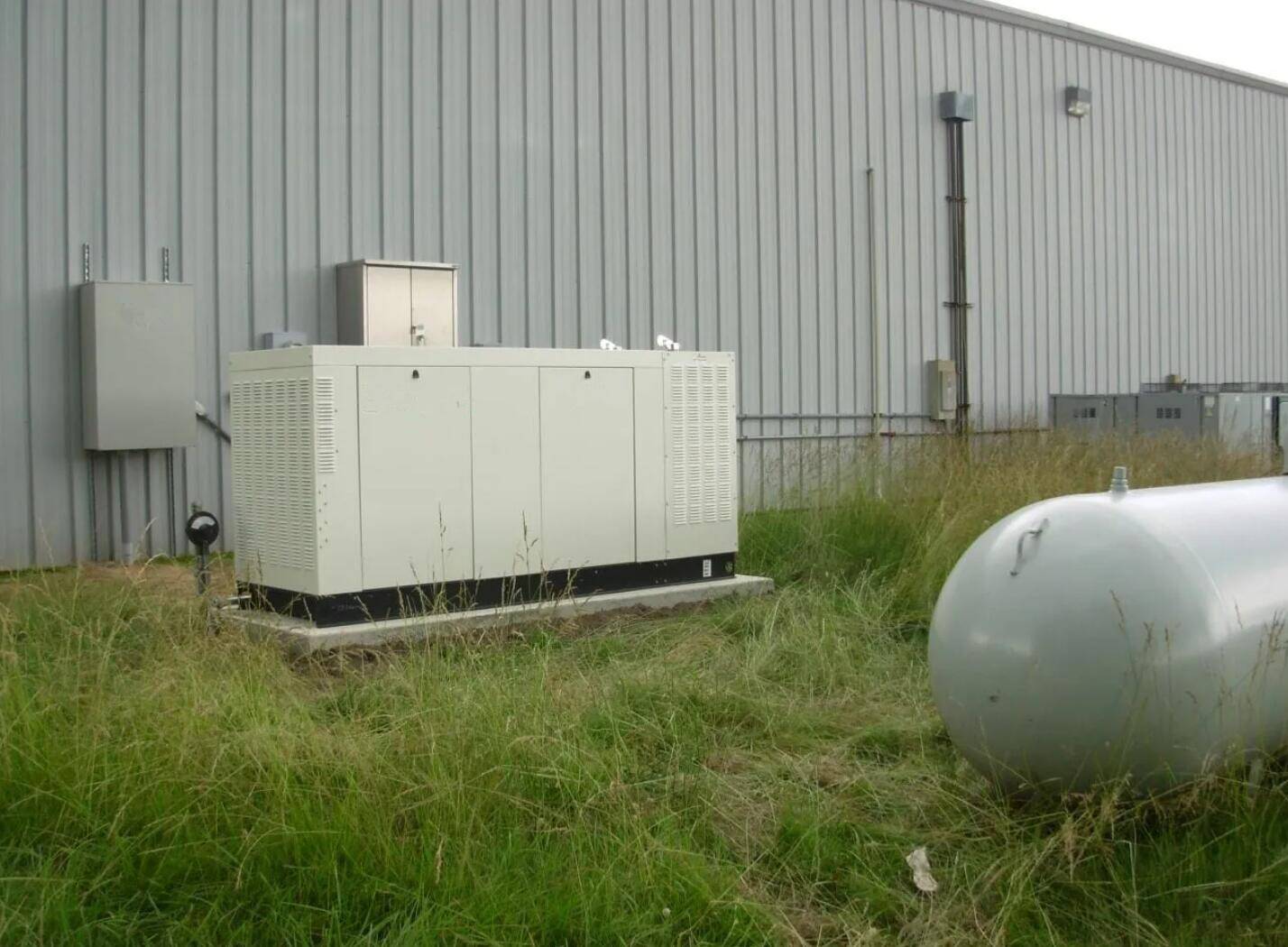
Credit: waltpower.com
Regulations And Standards
Diesel generatorsmust follow strict emission standards. These rules limit harmful gases from engines. The main pollutants are nitrogen oxides and particulate matter. Reducing these pollutants is crucial for cleaner air. New technologies help lower these emissions. Filters and catalysts play a big role in this process. Meeting standards ensures less pollution and healthier environments. Compliance with these rules is mandatory for all manufacturers.
Many countries have environmental policiesfor diesel generators. These policies aim to protect nature and human health. They set guidelines for safe generator use. Policies often focus on reducing noise and air pollution. Generators must be used responsibly to meet these goals. Regular inspections and maintenance are required. These actions prevent leaks and other issues. Following policies helps preserve our planet for future generations.
Public Perception And Misconceptions
Public perception often views diesel generators as harmful to the environment. This belief stems from their emissions and fuel consumption. However, newer models are designed with improved efficiency and lower emissions, challenging this misconception.
Common Myths
Many people think diesel generators are terrible for the environment. They believe these machines are noisy and make the air dirty. Some say they waste fuel and are not efficient. These thoughts are not always true. Diesel generators can be more efficient than other types. They can produce power without using much fuel. New technology makes them cleaner and quieter.
Influence Of Marketing And Media
Ads and news often show diesel generators in a bad light. Marketing can twist facts to sell other products. Media stories sometimes focus on old generator problems. They do not always share new developments. This influences how people think about diesel generators. People might not know about improvements. Better designs make them less harmful to nature.
Future Of Diesel Generators In A Green Economy
Diesel generators face challenges in a green economy. They emit pollutants and rely on fossil fuels. Cleaner alternatives are being developed to reduce environmental impact.
Role In Transitioning To Sustainable Energy
Diesel generators are a key part of energy systems. They help during power outages. They provide backup power for hospitals and schools. Diesel engines are reliable and strong. But they release harmful gases. These gases damage the environment. Cleaner fuels can make diesel generators better. Biofuels can reduce pollution. Engineers are working on new designs. These designs will be more efficient. They will use less fuel. Hybrid systems can mix diesel with solar power. This can reduce emissions.
Potential Innovations
- Using biofuels as a cleaner option.
- Improving engine efficiency for less pollution.
- Combining solar power with diesel engines.
- Creating smart systems to save energy.
- Developing quieter engines for less noise.
Frequently Asked Questions
Are Diesel Generators Bad For The Environment?
Diesel generators emit pollutants like nitrogen oxides and particulate matter. These contribute to air pollution and climate change. Their environmental impact depends on usage and maintenance. Cleaner alternatives exist, but diesel remains widely used for reliability. Opt for newer, efficient models to reduce emissions.
What Is A Downside Of Using Diesel Generators?
Diesel generators emit harmful pollutants, impacting air quality and health. They require regular maintenance and can be noisy. High fuel costs and dependence on non-renewable resources make them less sustainable. Consider environmental regulations and potential penalties for emissions. Alternative energy sources might offer better long-term solutions.
What Is A Sustainable Alternative To A Diesel Generator?
A solar power system offers a sustainable alternative to diesel generators. It harnesses renewable energy from the sun. Battery storage provides consistent power during cloudy days or night. Solar panels reduce carbon emissions, promoting environmental sustainability. Investing in solar technology can lower long-term energy costs and dependence on fossil fuels.
How Environmentally Friendly Are Diesel Engines?
Diesel engines are less environmentally friendly than alternatives. They emit nitrogen oxides and particulate matter, contributing to air pollution. Modern technologies like exhaust treatment systems can reduce emissions, but diesel engines still impact the environment significantly. Switching to cleaner energy sources can help mitigate these effects.
Conclusion
Diesel generators offer reliable power. But, they impact the environment. Their emissions contribute to air pollution. Fuel consumption is high. Cleaner options exist. Solar panels and wind turbines are greener choices. They reduce emissions and conserve energy. Diesel generators remain useful for emergencies.
Yet, balancing their use with eco-friendly alternatives is wise. The planet needs careful decisions. We must consider the environment. Choosing sustainable energy sources benefits everyone. It protects our future. Make informed energy choices. Help the earth thrive. Sustainable choices matter.