Have you ever found yourself in a situation where you need a reliable power source during an outage or a camping trip? Choosing the right generator can be a daunting task, especially when it comes to deciding between diesel and gas options.
You might wonder: Are diesel generators more fuel-efficient than gas generators? This is a common question, and the answer could impact your decision significantly. By understanding the differences in fuel efficiency, you can make an informed choice that not only saves you money but also ensures you have dependable power when you need it most.
Keep reading to discover which type of generator could be your best investment.
Diesel Vs. Gas Generators
Diesel generators are known for their fuel efficiency. They use less fuel to produce power. This makes them a popular choice. Diesel engines last longer because they are built sturdier. They also need less maintenance compared to gas generators. Gas generators, on the other hand, are quieterand often cost less initially. They are suitable for small power needs. Gas is easier to find and use. But gas engines might wear out faster.
Both types have their advantagesand disadvantages. Choosing depends on your needs. Think about how much power you need. Also, consider how often you will use the generator. This will help in making the right choice.

Credit: www.camda-generator.com
Fuel Efficiency Factors
The design of the engine affects fuel efficiency. Diesel engines have a simpler design. This makes them more efficient. Gas engines have complex parts. They need more fuel to work. Diesel engines use compression to ignite fuel. Gas engines use spark plugs. Diesel engines produce more energy with less fuel.
Energy output measures how much power the engine makes. Diesel generators produce more energy than gas ones. They have a higher energy output. This means they need less fuel for the same power. Diesel engines make power with less waste. Gas engines lose energy as heat.
Fuel consumption rates show how much fuel is used. Diesel generators use less fuel per hour. Gas generators need more fuel to run. Diesel engines are more efficient over time. Gas engines consume more fuel for the same energy.
Performance And Reliability
Diesel generatorsare built tough. They last a long time. They handle rough conditions well. Gas generatorsare not as strong. They may break down sooner. Diesel engines are strong and robust. They can run for many hours. This makes them a popular choice.
Diesel generators need less maintenance. They have fewer parts that wear out. Gas generators need more care. They have spark plugs and carburetors. These parts need regular checking. Diesel engines are simple. They are easy to take care of.
A diesel generator can last up to 30,000 hours. Gas generators last about 10,000 hours. Diesel engines work longer without problems. They are a great choice for long-term use. This makes them a smart investment.
Cost Considerations
Diesel generators generally offer better fuel efficiency than gas generators. Their engines consume less fuel while producing more power. This efficiency can lead to lower operational costs over time.
Initial Investment
Diesel generatorsoften have a higher initial cost. They are built to last longer. Gas generatorsare cheaper to buy. They might need more repairs over time. This makes diesel a good choice for long-term use.
Fuel Costs
Diesel fuel is usually cheaper than gas. It can run longer on the same amount. This makes diesel more cost-effective for running hours. Gas generators use more fuel for the same power.
Long-term Savings
Diesel enginesneed less maintenance. They have fewer parts to fix. This saves money in the long run. Gas engines may need frequent repairs. Diesel saves on both fuel and repair costs.
Environmental Impact
Diesel generators often use less fuel compared to gas generators, making them more efficient for long-term use. They burn fuel slower, which can result in lower operating costs and less frequent refueling.
Diesel generators produce more nitrogen oxides and particulates. These are harmful to the air. Gas generators emit more carbon monoxide. Both types have their environmental effects. Diesel is usually better for carbon dioxide emissions. Gas generators are often cleaner in urban areas. Diesel generators are generally louder. They make a deep rumbling noise. Gas generators are quieter. Their sound is more like a hum. Noise can disturb people and animals. Choosing a quieter generator can be important. Think about the location and surroundings. Many areas have rules for generator use. Diesel generators often face stricter emission standards. Gas generators may have fewer restrictions. It’s crucial to check local laws. Being compliant can prevent fines. Always follow guidelines to protect the environment. `
Credit: www.camda-generator.com
Use Case Scenarios
Diesel generators work well for home use. They provide power for long. Many families use them for their homes. Diesel engines run smoothly and last long. People like them for reliability. These generators can handle big appliances easily. They are great during power cuts. Diesel fuel is often cheaper too. A good choice for many homes.
Businesses need power all the time. Diesel generators help keep lights on. They power machinery and computers. Many companies trust them for daily needs. Diesel engines handle heavy loads well. They are built for tough jobs. Reliability is a key feature. Many businesses prefer diesel for cost savings.
During emergencies, power is crucial. Diesel generators provide quick backup. Hospitals use them to keep patients safe. They power vital machines and lights. Diesel is easy to store and use. It ensures power when it’s most needed. Many emergency services rely on diesel. A trusted choice for urgent power needs.
Technological Advancements
Diesel generators typically offer better fuel efficiency compared to gas generators. This is due to their higher energy density and fuel combustion efficiency. However, gas generators are often quieter and have lower emissions, making them suitable for different applications.
Innovations In Diesel Engines
Diesel engines have seen many smart changes. They are now more fuel-efficient. New designs burn fuel better. This gives more power with less fuel. Modern diesel engines have better filterstoo. These filters clean the exhaust better. Cleaner exhaust means less pollution. Engineers focus on making engines quietand strong. This helps in many ways. People like quieter engines. Strong engines last longer.
Advancements In Gas Generators
Gas generators are getting smarterand smaller. New models use less space. They have better fuel systems. These systems burn gas more completely. This means less waste. Smart techhelps control the generator. It turns off when not needed. This saves fuel and money. Gas generators are also quieter now. People use them in homes and offices.
Future Trends
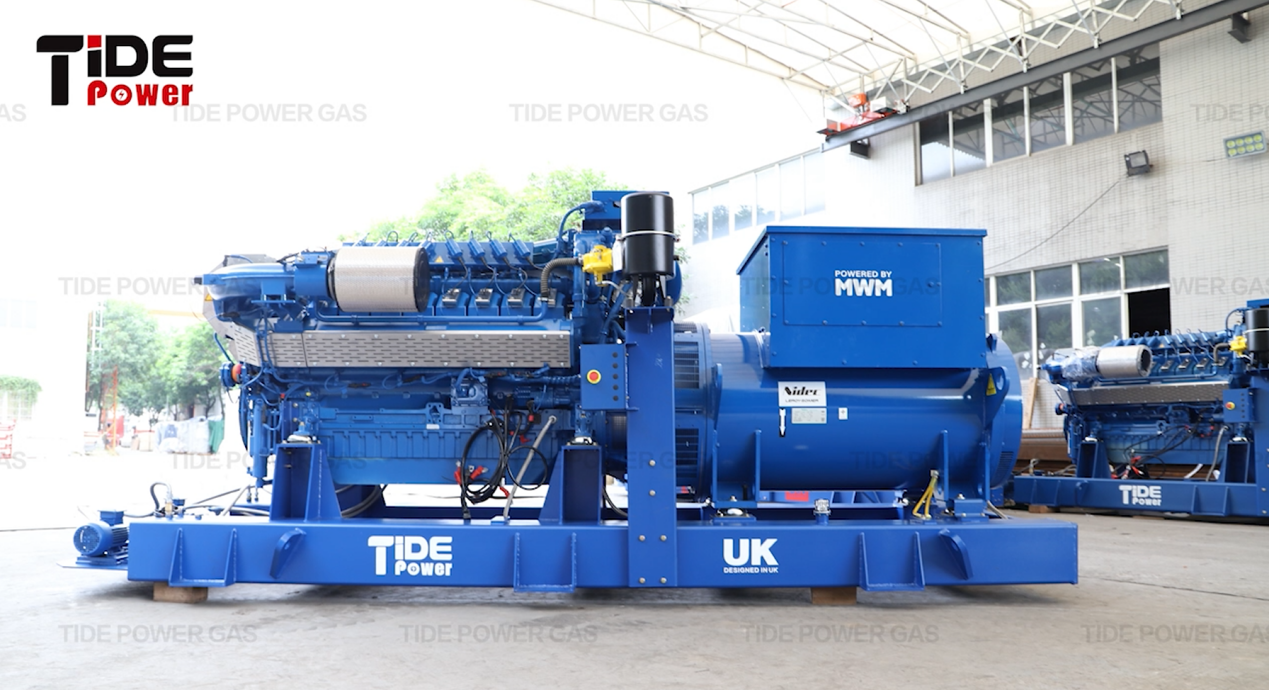
Engineers work on better enginesevery day. Future engines will be even cleaner. They will use less fuel and make less noise. Hybrid modelsare coming. These use both diesel and gas. They combine the best features of both. Generators will be more connected. Smart techwill allow remote control. Users can check fuel levels from afar. These trends will help save energy.
Credit: www.tidepower.uk
Frequently Asked Questions
What Is A Downside Of Using Diesel Generators?
Diesel generators emit harmful pollutants, impacting air quality and contributing to noise pollution. They require regular maintenance and fuel costs can be high. These generators are less efficient compared to renewable energy sources, leading to increased carbon emissions and environmental concerns.
Consider alternatives for a more sustainable energy solution.
Are Diesel Generators More Efficient Than Gas Generators?
Diesel generators often offer better fuel efficiency than gas generators. They consume less fuel and provide longer runtime. Diesel engines generally have a longer lifespan and require less maintenance. Gas generators, however, are typically quieter and cheaper to purchase. Consider your specific needs for the best choice.
Is It Cheaper To Run A Diesel Generator?
Diesel generators are generally cheaper to run than gasoline ones due to better fuel efficiency. They consume less fuel for the same power output, making them cost-effective in the long run. Maintenance costs are also lower, contributing to overall savings.
Consider fuel prices and usage frequency for accurate cost assessment.
What Type Of Generator Is The Most Fuel-efficient?
Inverter generators are the most fuel-efficient. They adjust engine speed to match power demand, reducing fuel consumption. These generators also produce cleaner electricity, making them ideal for sensitive electronics. Compact design and quieter operation add to their efficiency. Consider inverter generators for long-term savings on fuel and reliable performance.
Conclusion
Choosing between diesel and gas generators can be tough. Diesel generators offer better fuel efficiency. They consume less fuel over time. Gas generators, on the other hand, are quieter. They also tend to be cheaper upfront. Consider your needs and budget before deciding.
For long-term use, diesel might save you money on fuel. But gas generators are often better for short-term needs. Both have pros and cons. Make sure to weigh them carefully. Your choice should fit your power needs and financial plan.