Are you tired of the constant noise that disrupts your peace while using a generator? If you’re considering investing in a generator, you’ve probably stumbled upon the debate: are dual fuel generators quieter than gas generators?
Imagine the tranquility of a world where your power source hums softly in the background, allowing you to enjoy your outdoor adventures or maintain comfort during power outages without the headache of loud noise. We’ll dive deep into the mechanics of both dual fuel and gas generators, uncovering which one offers the serene experience you desire.
We’ll explore the benefits, the technical aspects, and most importantly, how choosing the right generator can transform your environment from chaotic to calm. Stay with us as we unravel the mystery of generator noise levels, helping you make a choice that suits your lifestyle and brings harmony to your surroundings.

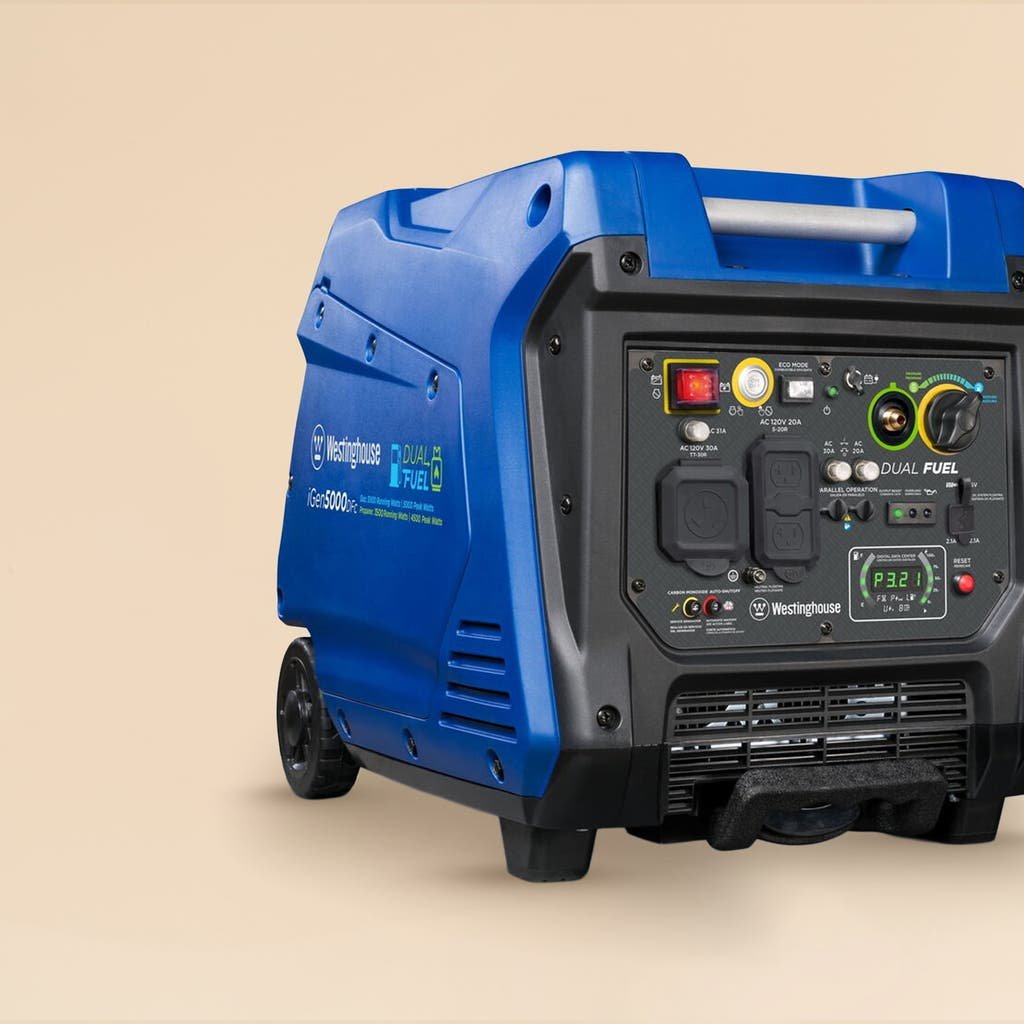
Credit: www.popsci.com
Dual Fuel Generators Explained
Dual fuel generators are often quieter than gas generators. They offer flexibility in fuel choice, reducing noise levels. Ideal for those seeking a peaceful power solution.
What Are Dual Fuel Generators?
Dual fuel generators use both gas and propane. This makes them flexible. They switch between fuels easily. This helps when one fuel is low. These generators are very handy in emergencies. You can choose the fuel type based on availability. It offers more control over fuel costs. Many people find them useful for camping or home use.
How Do They Operate?
Dual fuel generators have special engines. These engines can run on two types of fuel. A switch allows changing between gas and propane. The generator starts with either fuel. It keeps working even if one fuel runs out. This makes them reliable and efficient. They offer great flexibility and convenience for users. They are a good choice for many situations.
Noise Levels In Generators
Dual fuel generators often produce less noise compared to traditional gas generators. This quieter operation makes them ideal for residential areas. Enjoy peace without compromising power.
Factors Affecting Noise
Generators make sounds while they work. Engine type plays a big role. Some engines are louder than others. Design is important too. A good design can reduce sound. Fuel type can change the noise level. Dual fuel generators might be quieter. Placement matters as well. Putting them far from homes can help. Materials used in building affect noise. Soft materials absorb sound better. Cooling systems can create noise. Efficient systems are quieter.
Noise Measurement Techniques
Sound levels are measured in decibels. Decibel meters help measure generator noise. These devices are easy to use. Near-field readings show close noise levels. Far-field readings show distant noise levels. Peak readings show the loudest sounds. Average readings show typical noise levels. Noise maps help visualize sound spread. They show areas of high and low noise. Comparative tests compare different generators. This finds which one is quieter.
Gas Generators: A Closer Look
Dual fuel generators often run quieter than traditional gas generators. They offer versatility with fuel options. Their quieter operation makes them suitable for residential areas.
Common Features Of Gas Generators
Gas generators are popular for their reliability and easy availability. They run on gasoline, a fuel that’s simple to find. These generators are often compact and portable, making them ideal for outdoor activities. Most gas generators have a manual start system, requiring a pull-cord to operate. They are designed for short-term use and are not ideal for long power outages. Their maintenance is relatively easy, needing regular oil changes and cleaning.
Typical Noise Output
Gas generators can be quite noisy. They produce sound levels of around 70 to 80 decibels. This is similar to the noise of a vacuum cleaner. Noise can vary based on the generator’s size and brand. Some models come with a built-in muffler to reduce noise. Always check the decibel rating before buying if noise is a concern. It’s important for camping or residential use.
Comparing Noise Levels
Dual fuel generators often produce less noise compared to traditional gas generators. This quieter operation is due to their efficient fuel usage. Many users find dual fuel generators more suitable for residential areas.
Dual Fuel Vs Gas Generators
Dual fuel generators can use gas or propane. Gas generators use only gasoline. Noise levels matter for comfort and peace. Dual fuel generators might be quieter. They often have better noise reduction features. Gas generators sometimes make more noise. Understanding noise levels helps in choosing the right generator.
Real-world Tests And Results
Tests show dual fuel generators can be quieter. Propane burns cleaner and quieter than gas. Many tests show lower decibels for dual fuel. Noise levels can vary by model and brand. Some dual fuel generators use special mufflers. Gas generators may lack these features. Check reviews and tests for noise ratings before buying.
Benefits Of Quieter Generators
Dual fuel generators often run quieter than traditional gas generators. This makes them ideal for noise-sensitive environments. They offer flexibility in fuel choice, reducing overall noise levels.
Impact On Environment
Quieter generators help reduce noise pollution. This is good for nature. Animals are less disturbed by loud sounds. Peaceful parks and neighborhoods are possible with these machines. People enjoy outdoor activities more. Cleaner air is another plus. Dual fuel generators can run on propane. Propane burns cleaner than gasoline. This means less smoke and harmful gases. Cleaner air is good for everyone.
User Experience
Using quieter generators is more pleasant. Conversations are easy when it’s quiet. You can watch TV without turning up the volume. Camping trips become more fun and peaceful. Kids and pets stay calm. They are less scared of loud noises. Quieter generators are often lightweight and easy to carry. This makes them ideal for trips. They are also simple to start and use. No need to worry about complex setups.
Choosing The Right Generator
Dual fuel generators often produce less noise than traditional gas generators. Many users find them quieter during operation. This makes them a popular choice for residential areas.
Noise Considerations
Dual fuel generators can be quieter than gas generators. They use propane or natural gas. These fuels often burn cleaner and quieter. Gas generators may produce more noise. Engine design also affects the noise level. Inverter technology can reduce noise in some models. Choose a generator with a low decibel rating for a quieter experience. Look for soundproofing features in your generator.
Performance And Efficiency
Dual fuel generators offer flexibility in fuel choice. They can run on gasoline or propane. Propane is often more efficient. It may provide longer run times. Gasoline is more readily available. Dual fuel models can switch between fuels easily. This can help in emergencies. Efficiency varies by model. Check the specifications for fuel consumption rates. Choose a model that fits your needs.
Technological Innovations
Dual fuel generators often operate quieter than traditional gas generators. This is due to their efficient combustion process. They offer flexibility, using either propane or gasoline, which can reduce noise levels significantly.
Advancements In Sound Reduction
Generators can be noisy. Dual fuel generators use special sound-reducing technology. This makes them quieter than gas generators. Soundproofing materials are often used in their design. These materials absorb noise. Generators also have improved engine designs. These engines vibrate less. This helps in reducing noise. Quieter fans are another feature. They cool the engine without making much noise. These innovations make a big difference.Future Trends In Generator Design
Generators will become even quieter. New materials will be developed. These will absorb more sound. Engine designs will improve further. Smaller and quieter engines will be made. More efficient cooling systems will be used. These will reduce noise further. New designs might use electric motors. These motors are silent. The future of generators looks promising. `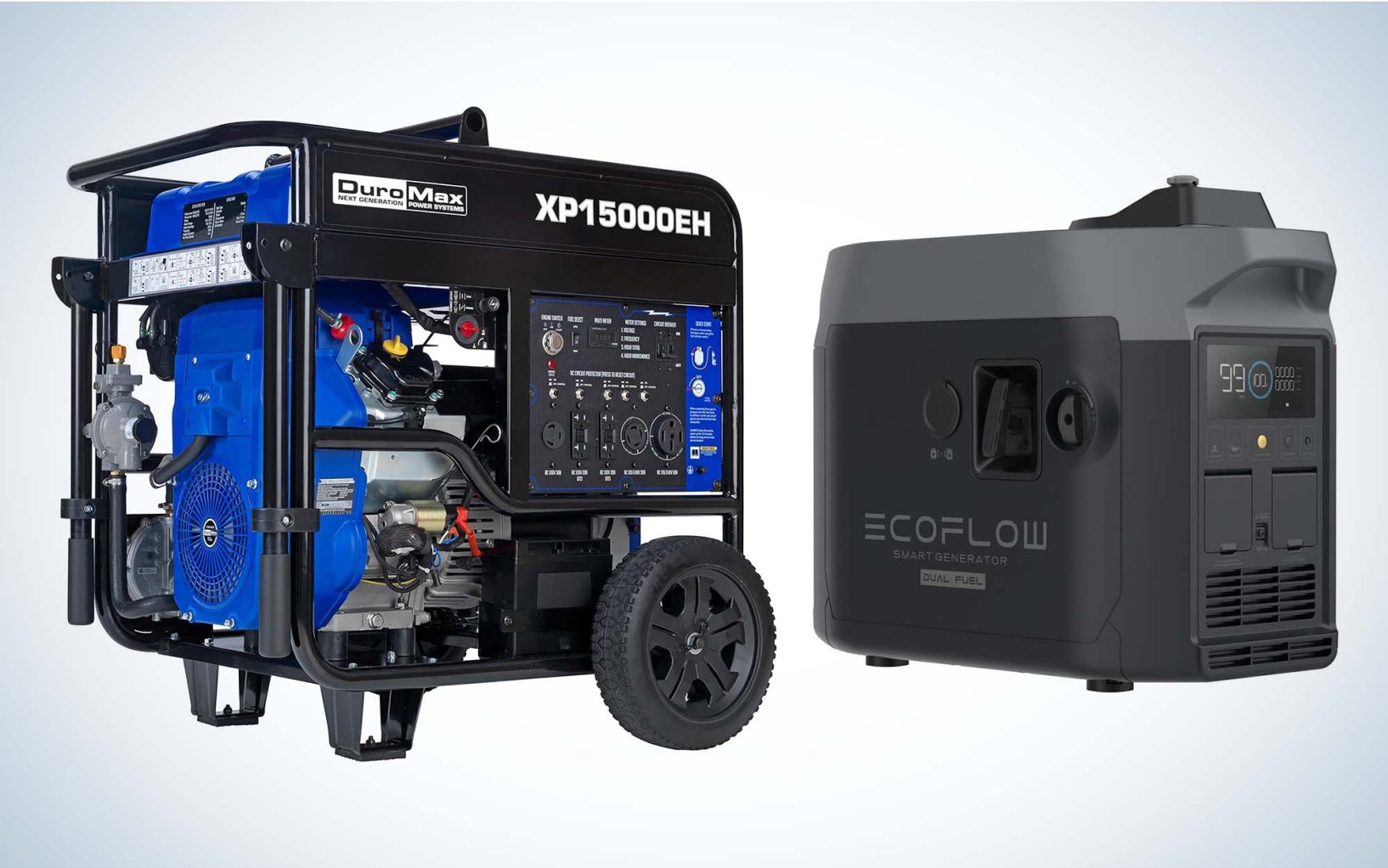
Credit: www.outdoorlife.com

Credit: www.popsci.com
Frequently Asked Questions
What Is The Disadvantage Of A Dual Fuel Generator?
Dual fuel generators can be less efficient with one fuel type. They often have higher initial costs and require more maintenance. Fuel availability can be an issue during emergencies. They might have lower power output compared to single fuel generators.
Switching between fuels can complicate operation for some users.
What Is The Main Disadvantage Of A Dual Fuel System?
The main disadvantage of a dual fuel system is its higher initial cost and complexity. Installation requires specialized knowledge, increasing labor expenses. Maintenance can also be more demanding, as two fuel systems need regular checks and potential repairs. This may lead to increased long-term expenses for the owner.
Is A Dual Fuel Generator Better Than A Gas Generator?
A dual fuel generator offers flexibility, running on both gas and propane. It enhances fuel availability and choice. Gas generators are simpler, relying solely on gasoline. Dual fuel generators can be more efficient and reliable in emergencies. Choose based on fuel access and specific needs.
What Is The Best Quiet Dual Fuel Generator For Rv?
The Champion 3400-Watt Dual Fuel Inverter Generator is ideal for RVs. It’s quiet, reliable, and versatile. This generator operates on propane or gasoline, providing flexibility. It features a convenient electric start and delivers clean power for sensitive electronics, making it a top choice for RV enthusiasts seeking peace and efficiency.
Conclusion
Dual fuel generators offer quieter operations compared to gas generators. Their design reduces noise levels effectively. You can enjoy a peaceful environment with dual fuel models. Noise reduction is crucial for home or camping use. Less noise means less disturbance for neighbors and family.
Consider noise levels when choosing a generator. Dual fuel generators are efficient and quieter. They provide flexibility and peace of mind. Ideal for those seeking a quieter power solution. Choose wisely based on your needs and preferences. Remember, quieter means more comfort.
Choose dual fuel for a quieter experience.