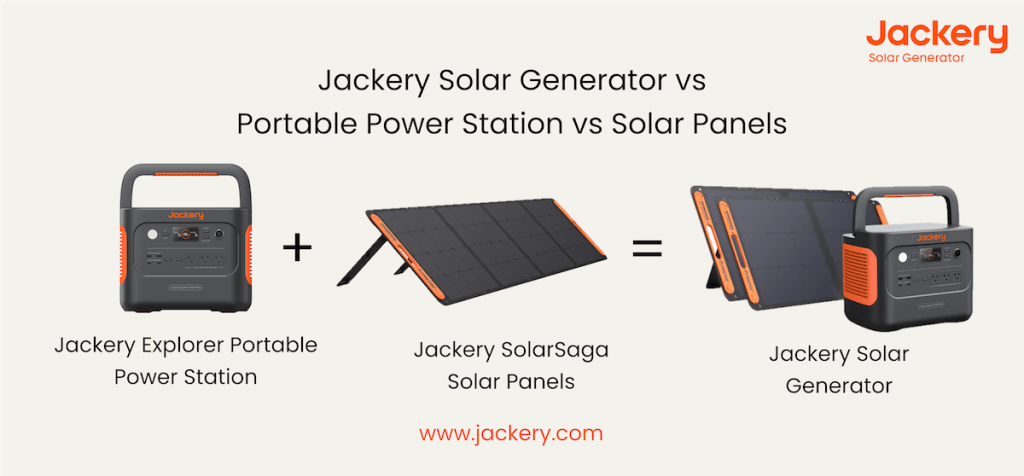
Are you considering the best way to power your home or business? You’re not alone.
With energy costs rising and the push for sustainable solutions growing stronger, the choice between generators and solar panels is more relevant than ever. Imagine never worrying about power outages again or reducing your carbon footprint while saving money. This decision could impact your lifestyle, your wallet, and even the environment.
But which option truly offers the reliability, efficiency, and cost-effectiveness you need? Stick with us as we delve into the pros and cons of generators versus solar panels, helping you make an informed choice that aligns with your values and needs.
Energy Source Comparison
Choosing between generators and solar panels as your primary energy source can be a challenging decision. Both options have their unique strengths and weaknesses, which can significantly impact your lifestyle and energy bills. Let’s dive into a detailed comparison to help you make an informed choice.
Reliability And Consistency
Generators are typically more reliable in providing consistent energy, especially during prolonged periods of cloudy weather or at night. They can run on various fuels, such as gasoline or diesel, ensuring that you have power when you need it most. However, the fuel costs and maintenance can add up quickly, especially in areas with frequent power outages.
Solar panels rely on sunlight, which means their reliability can vary depending on your location and weather conditions. In sunny regions, they can provide a steady energy supply, reducing dependency on the grid. But what happens during extended periods of rain or cloudy skies? You might need a backup solution to ensure consistent power.
Environmental Impact
Generators have a significant environmental footprint due to their reliance on fossil fuels, which produce greenhouse gases. Regular use contributes to air pollution, impacting not only the planet but also your immediate environment. If sustainability is a priority for you, this might be a key factor in your decision-making process.
Solar panels, on the other hand, offer a clean and renewable source of energy. Once installed, they harness the sun’s power without emitting harmful pollutants. This makes them an attractive option for those looking to minimize their environmental impact and contribute to a greener future.
Have you considered the long-term environmental benefits of solar panels versus the immediate reliability of generators? Weighing these factors might just tip the scale in favor of one over the other.

Credit: www.youtube.com
Cost Analysis
Choosing between generators and solar panels involves understanding their costs. Each option has unique financial implications. Let’s explore the cost factors of both.
Initial Investment
Generators require a lower initial investment. Prices range from $500 to $3,000. This depends on the power capacity. Installation costs are minimal. Solar panels need a higher upfront cost. A typical system can cost $15,000 to $30,000. This includes equipment and installation fees. Solar panels may qualify for tax credits. These can reduce the initial cost.
Long-term Savings
Generators rely on fuel. This leads to ongoing costs. Fuel prices can fluctuate, affecting expenses. Regular maintenance is also required. Solar panels offer long-term savings. They harness free energy from the sun. Maintenance costs are low. Solar systems can pay for themselves in 7 to 10 years. They can also increase home value. Energy savings continue for decades. Solar panels can reduce electricity bills. This provides financial relief over time.
Ease Of Use
When choosing between generators and solar panels, ease of use matters. Both options offer unique benefits, but how simple are they to use daily? Let’s explore the ease of use by examining the installation process and maintenance requirements for each.
Installation Process
Generators are typically easier to install. Most require minimal setup. You often just need to plug them in and start using them. This makes them a good option for those needing immediate power solutions. Portable generators need less effort compared to standby models.
Solar panels, on the other hand, involve a more complex installation process. They require mounting on rooftops or open spaces. This often involves hiring professionals. Solar panel installation demands careful planning and time. It also involves permits and inspections, which can be time-consuming.
Maintenance Requirements
Generators need regular maintenance. They require oil changes and fuel checks. Sometimes, parts need replacement. This ongoing maintenance ensures they operate efficiently. Regular use means more frequent checks.
Solar panels need less maintenance. Cleaning the panels occasionally helps maintain efficiency. Rain often helps in this task. Panels typically last many years with minimal upkeep. Routine inspections are recommended to ensure optimal performance.
Power Output
Generators provide consistent power, essential for emergencies and off-grid living. Solar panels offer eco-friendly energy, dependent on sunlight availability. Comparing these options involves considering reliability and environmental impact.
When deciding between generators and solar panels, power output is a crucial factor to consider. Both options have unique strengths and weaknesses, which can significantly impact your energy needs. Understanding these differences helps you make an informed choice for your home or business.Capacity And Scalability
Generators typically offer higher capacity in terms of immediate power output. They can supply electricity on demand, making them ideal for heavy appliances or during power outages. However, their scalability is limited; increasing capacity often means buying a larger or additional generator. Solar panels, on the other hand, excel in scalability. You can start small and add more panels as your energy needs grow. This is especially beneficial if you’re gradually increasing your reliance on renewable energy.Efficiency Levels
Generators convert fuel into electricity, but they lose a significant amount of energy as heat. This inefficiency can make them costly over time, especially if fuel prices rise. Solar panels harness sunlight, a free and abundant resource, to generate electricity. While initial conversion efficiency might be lower, improvements in technology are continuously enhancing their performance. Plus, they don’t rely on fluctuating fuel prices, giving you more control over long-term energy costs. Considering these aspects, which option aligns best with your energy goals? Whether you prioritize immediate high power output or long-term efficiency and scalability, understanding these elements can guide your decision.Space And Location Considerations
Generators require less space and can be placed nearly anywhere. Solar panels need ample sunlight and unobstructed area for installation. Consider location and terrain before choosing between these two power sources.
Space and location play a crucial role in choosing between generators and solar panels. Different settings require unique considerations. Urban and rural areas offer distinct challenges and opportunities. Understanding space requirements ensures optimal performance. This section will explore these factors.Urban Vs Rural Settings
Urban areas often have limited space. Rooftops and small yards are common. Solar panels may need creative placement. Tall buildings can block sunlight. Noise regulations may affect generator use. Rural areas usually have more space. Large yards provide ample room. Generators can run without noise concerns. Sunlight access is often better.Space Requirements
Generators need less space than solar panels. A small corner can house a generator. It requires a fuel source nearby. Solar panels need more room. They must capture sunlight efficiently. A roof or open space is ideal. Panels should face south in northern hemispheres. This maximizes energy capture. Always consider installation and maintenance space.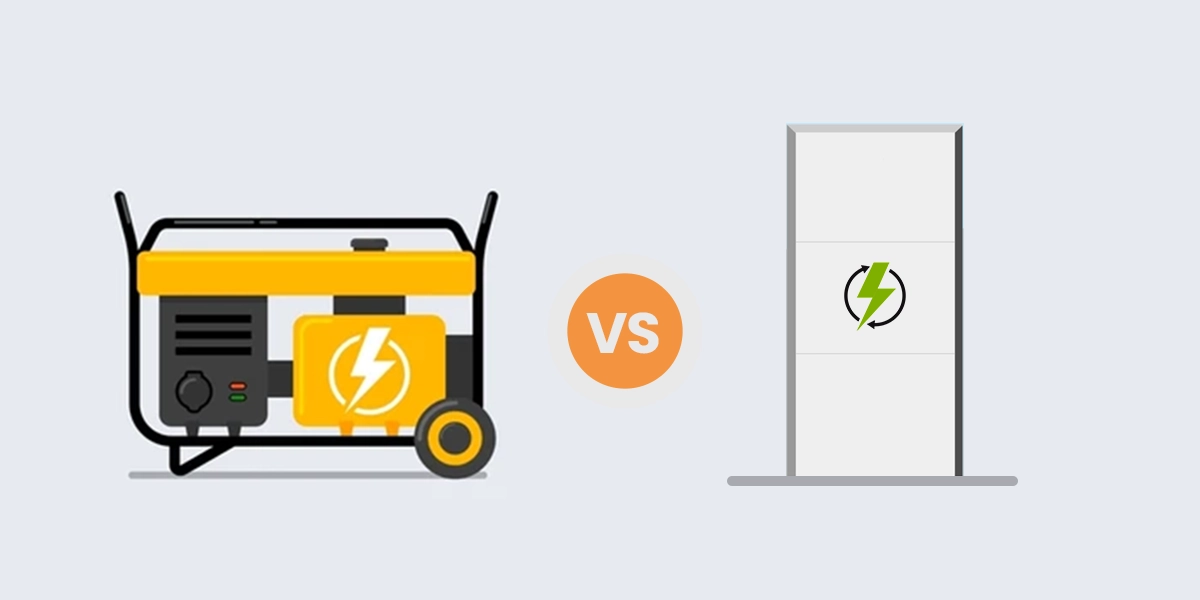
Credit: solarsme.com
Future Trends
As we look ahead, the energy landscape is shifting rapidly. Generators and solar panels are central to this change. Both technologies are evolving to meet new demands and challenges. Understanding future trends helps in making informed choices.
Technological Advancements
Generators are becoming more efficient and quieter. New models use less fuel and reduce emissions. Smart technology allows remote monitoring and control.
Solar panels are improving in efficiency. They convert more sunlight into electricity. Innovations in storage systems make solar energy reliable, even at night.
Market Growth
The demand for generators remains strong. Industries need backup power for critical operations. Rural areas use generators where grid electricity is scarce.
Solar energy is gaining popularity. Homeowners and businesses seek sustainable solutions. Incentives and subsidies support solar panel installations.
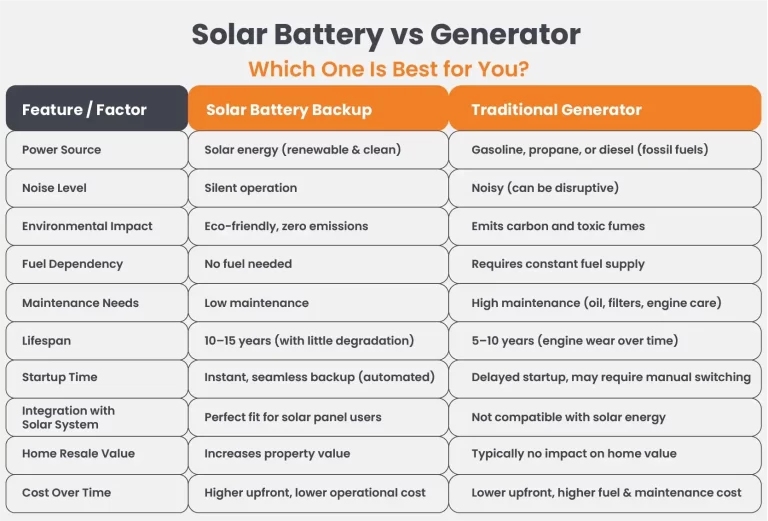
Credit: solarsme.com
Frequently Asked Questions
Is It Better To Have Solar Panels Or A Generator?
Solar panels are eco-friendly and offer long-term savings. Generators provide immediate power but rely on fuel. Solar panels suit sustainable energy needs, while generators are best for short-term or emergency use. Consider your energy requirements and budget to decide.
Why Is My Electric Bill So High When I Have Solar Panels?
Your electric bill might be high due to insufficient solar panel coverage, increased energy consumption, or cloudy weather. Check if your solar system meets your home’s energy needs. Monitor energy usage and ensure your system functions properly. Regular maintenance and energy-efficient habits can help reduce costs.
Are Generators Cheaper Than Solar Panels?
Generators generally have lower upfront costs than solar panels. Solar panels offer long-term savings on energy bills. Maintenance costs for generators can be higher due to fuel and repairs. Solar panels are more eco-friendly and sustainable. Consider both initial investment and long-term benefits when choosing between them.
Can I Run A Refrigerator On Solar Power And Generator?
Yes, you can run a refrigerator on solar power and a generator. Ensure your solar system and generator provide sufficient power. Use a battery storage system for continuous operation. Properly size your solar panels, inverter, and generator for optimal performance.
This setup offers eco-friendly and reliable energy solutions.
Conclusion
Choosing between generators and solar panels depends on your needs. Generators work well in emergencies. They provide power during outages. Solar panels are eco-friendly. They reduce electricity bills over time. Consider your budget and energy goals. Evaluate long-term benefits and costs.
Think about environmental impact too. Generators might suit those with immediate power needs. Solar panels are great for sustainable living. Both options have pros and cons. Make a decision based on your lifestyle. Balance your priorities for the best choice.