Are you tired of unexpected power outages disrupting your daily routine? Imagine the convenience of never having to worry about being left in the dark again.
That’s where home standby generators come into play. These reliable devices promise to keep your lights on and your appliances running, no matter the weather conditions outside. But are they truly a good investment for your home? With so many options and considerations, making the right choice can feel overwhelming.
This article will guide you through everything you need to know about home standby generators, helping you decide if they’re the perfect solution for your power needs. Stay with us as we explore the benefits, costs, and potential drawbacks, ensuring you make an informed decision that gives you peace of mind.

Credit: www.achrnews.com
Benefits Of Home Standby Generators
Home standby generatorsprovide a continuous power supplyduring outages. They start automatically within seconds of a power failure, keeping lights and appliances running without interruption.
Their automatic operationmeans no manual effort is needed. The generator turns on and off by itself, providing power only when necessary. This convenience suits busy households and those unfamiliar with generator use.
Installing a standby generator can increase home value. Buyers see it as a useful feature for safety and comfort. It also adds appeal in areas with frequent power outages.

Credit: www.cummins.com
Types Of Standby Generators
Natural gas generatorsrun on the gas that comes to your home. They start fast and work quietly. These generators are good for long power outages because natural gas supply is steady. They need a gas line connection, so installation cost might be higher.
Propane generatorsuse propane tanks. They are clean and burn fuel well. Propane is easy to store and last a long time. These generators are good where natural gas is not available. Tanks need to be refilled or replaced after use.
Diesel generatorsuse diesel fuel. They are very powerful and last a long time. Diesel generators work well for big homes or places needing lots of electricity. They can be noisy and require regular maintenance to keep running smoothly.
Installation And Maintenance
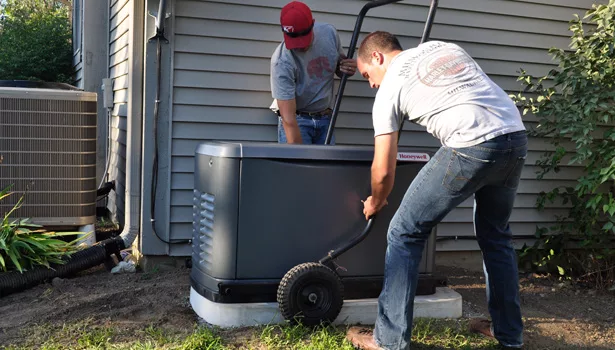
Professional installationis key for home standby generators. Experts ensure safe connection to your home’s electrical system. Improper setup risks damage and safety issues. Permits and inspections might be needed for legal compliance. Trust trained technicians for peace of mind.
Routine maintenance helps keep the generator ready. Change oil every 6 months or after 100 hours of use. Check and replace air filters regularly. Test the battery and clean terminals to avoid power failure. Run the generator monthly for about 20 minutes to keep parts working well.
| Common Issues | What to Do |
|---|---|
| Fuel problems | Use fresh fuel and check fuel lines for leaks |
| Starting failure | Test battery and starter motor |
| Power fluctuations | Inspect wiring and control panel |
| Unusual noises | Stop generator and call a technician |
Cost Considerations
Home standby generators need a big initial investment. Prices depend on size and power output. Installation costs add to the price. Professional setup ensures safety and correct function.
Operational expenses include fuel, maintenance, and occasional repairs. Diesel or natural gas are common fuel types. Regular servicing keeps the generator reliable. Fuel costs can vary with usage and market prices.
| Cost Type | Description | Example |
|---|---|---|
| Initial Investment | Purchase and installation of generator | $3,000 – $7,000+ |
| Operational Expenses | Fuel and maintenance costs yearly | $200 – $500 |
| Long-Term Savings | Reduced losses from power outages | Varies by home and location |
Long-term savings come from avoiding power outage damages. Food spoilage and lost work time can cost more. A generator helps keep lights and appliances running. It offers peace of mind during storms or blackouts.
Safety And Environmental Impact
Standby generators produce carbon monoxide (CO), a deadly gas. Proper ventilationand installation outside the home are vital. Never place generators in enclosed spaces or near windows.
Noise levels vary by model. Some generators run quietly, while others can be loud and disturbing. Consider location and local noise rules before buying.
| Factor | Details |
|---|---|
| Emissions | Generators emit gases that can harm air quality. Choose low-emission models. |
| Regulations | Many areas require permitsand follow strict emission rules for generators. |

Credit: www.angi.com
Alternatives To Standby Generators
Portable generatorsare easy to move and use. They run on gas and can power a few important things during an outage. They need to be outside for safety and refueled often. Perfect for short power cuts.
Solar power systemsuse sunlight to make electricity. They are clean and quiet. Solar panels store energy in batteries for night use. They save money over time but cost more at first.
Battery backup solutionsstore power for use when the grid goes down. They turn on instantly and need little maintenance. Best for running small devices and lights. Quiet and safe to use indoors.
Choosing The Right Generator
Choosing the right generator starts with assessing your power needs. Calculate the total watts your home requires during an outage. Prioritize essential appliances like refrigerators, lights, and heaters. This helps in picking a generator with enough capacity.
Fuel optionsvary and affect cost and convenience. Common choices include natural gas, propane, and diesel. Natural gas is often cheaper and cleaner but requires a gas line. Propane is easy to store but may cost more. Diesel is powerful but can be noisy and needs safe storage.
Consider brand reputation and warranty. Trusted brands offer better support and reliable parts. Warranties protect your investment and cover repairs. Check for at least a 3-5 year warrantyon major components.
Frequently Asked Questions
What Are The Benefits Of Home Standby Generators?
Home standby generators provide continuous power during outages. They protect appliances, ensure safety, and maintain comfort. These generators activate automatically, offering reliable and hassle-free backup power for your home.
How Much Does A Home Standby Generator Cost?
The cost ranges from $3,000 to $7,000 for most units. Installation and permits can add $2,000 to $5,000. Prices vary based on generator size, features, and local labor costs.
Are Home Standby Generators Safe To Use?
Yes, home standby generators are safe when installed properly. They have automatic shut-off features and comply with safety standards. Professional installation reduces risks of carbon monoxide and electrical hazards.
How Long Can A Home Standby Generator Run?
Most generators can run continuously for 24 to 48 hours. They use natural gas or propane, which supply ongoing fuel. Proper maintenance ensures reliable extended operation during outages.
Conclusion
Home standby generators offer steady power during outages. They keep your home running smoothly and safely. The initial cost may seem high but brings long-term benefits. Think about your family’s needs and budget before deciding. A generator can provide peace and comfort when power fails.
Choose wisely to ensure reliable energy backup.