
Imagine you’re in the middle of a cozy evening at home, and suddenly the lights flicker and go out. You’re left in the dark, perhaps worried about the food in your fridge or the heat during winter.
It’s a situation many of us dread, and it’s why the idea of a home standby generator is so appealing. But here’s a question that might have crossed your mind: are home standby generators actually inverters? Understanding this distinction is crucial if you’re considering investing in backup power for your home.
Stick with us as we unravel the mystery, helping you make informed decisions for your peace of mind and home security.
Home Standby Generators Basics
Home generators provide power when the main grid fails. They keep lights on and appliances running during outages. There are different types of home generators to consider.
- Portable Generators:Small, easy to move, and run on gasoline.
- Standby Generators:Permanently installed and start automatically when power goes out.
- Inverter Generators:Produce clean, stable power, good for sensitive electronics.
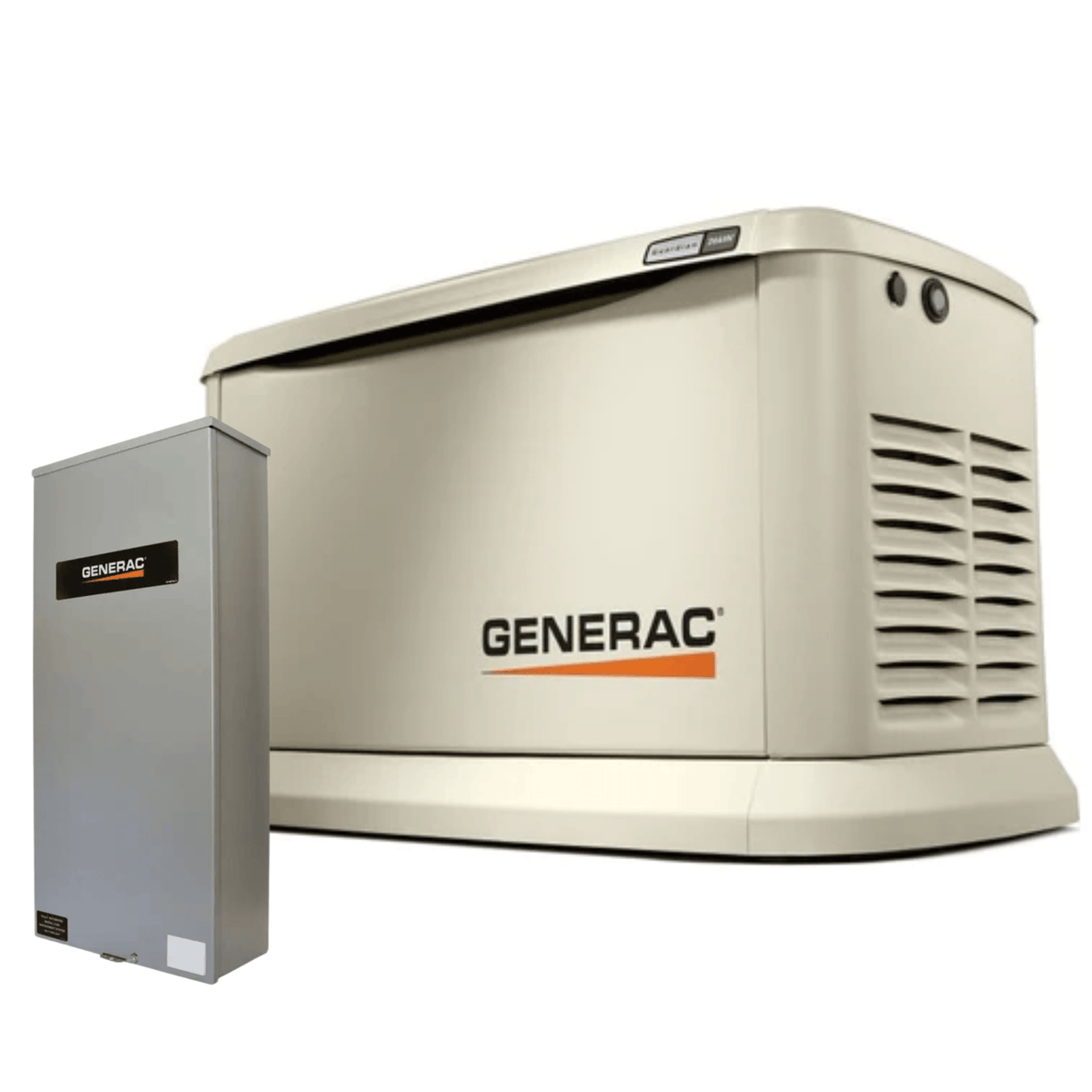
Standby generators connect directly to your home’s electrical system. They sense power loss and start within seconds. Fuel sources include natural gas, propane, or diesel. The generator runs until the main power returns. This ensures a smooth, continuous power supply without manual effort.

Credit: www.nytimes.com
Inverter Technology Explained
An inverter changes direct current (DC) into alternating current (AC). This lets generators power homes safely. It helps run sensitive electronics without damage.
Inverter generators adjust engine speed to match power needs. This saves fuel and reduces noise. They produce clean, stable electricity for devices.
- Fuel efficiency:Uses less fuel than traditional generators.
- Quiet operation:Makes less noise, good for neighborhoods.
- Stable power:Protects computers and TVs from damage.
- Compact size:Easier to move and store.
Comparing Standby Generators And Inverters
Standby generatorsprovide a steady and high power output. They can run large home systems without interruption. Invertersgive cleaner and more stable power but usually less output. This makes inverters good for smaller devices and sensitive electronics.
Standby generators use fuel like propane or natural gas. They burn more fuel and make more noise. Inverters use batteries and some use fuel but are much quieter. They are more fuel-efficient and better for use in noise-sensitive areas.
| Feature | Standby Generators | Inverters |
|---|---|---|
| Cost | Higher initial cost | Lower to moderate cost |
| Maintenance | Regular fuel and engine checks | Battery care and occasional servicing |
| Noise | Louder operation | Quiet or silent |
Credit: solarpowerstore.ca
Are Home Standby Generators True Inverters?
Some home standby generators include inverter technologyto improve power quality. This means they can produce a clean and stable electrical output. Inverter components help convert raw power into a steady flow, which is good for sensitive devices. These units often use a combination of a generator engineand an inverter module. The inverter smooths out the energy, reducing voltage fluctuations and noise. This technology is useful but is not always found in every standby generator.
Standby generator inverters have some limits. They usually cannot match the efficiency and sizeof pure inverter generators. Also, they may not handle sudden power surgesas well. Some models produce less clean powercompared to true inverter-only units. Maintenance can be more complex because of the extra inverter parts. These inverters add cost and weightto the generator. Users should check if the inverter meets their specific power needsbefore buying.
Choosing The Right Power Solution
Assess the power needsof your home carefully. List essential devices like lights, fridge, and heater. Decide how long you want backup power to last. This helps pick the right generator size and type.
Backup duration affects fuel use and generator size. Short outages need smaller generators. Longer outages require bigger or multiple units.
| Factor | Considerations |
|---|---|
| Budget | Generators vary in cost; match price to needs and quality. |
| Space | Check available space for installation and maintenance access. |
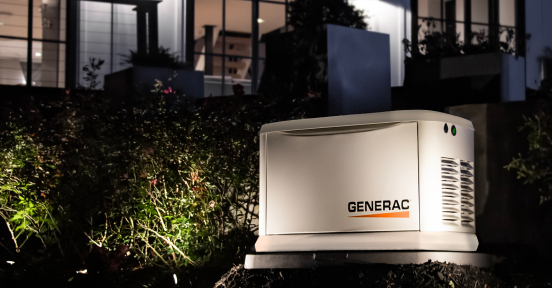
Inverters often cost more but offer clean power for sensitive devices. Standby generators provide longer backup but may be louder and larger.
Credit: www.generac.com
Future Trends In Home Power Backup
Hybrid generator systems combine traditional generatorswith inverters. This mix offers better fuel efficiencyand quieter operation. They switch between power sources smoothly, so homes stay powered during outages. These systems can also use solar energy, reducing fuel use and emissions.
Smart inverter integration helps manage power flow. These inverters adjust energy output based on demand. They work with home batteries and solar panels to keep power steady. Smart inverters also protect appliances from power surges and drops. Many models offer remote monitoringthrough apps, allowing easy control and updates.
Frequently Asked Questions
What Is A Home Standby Generator?
A home standby generator is a permanent backup power system. It automatically powers your home during outages using natural gas or propane. It ensures continuous electricity without manual setup, protecting appliances and maintaining comfort during power failures.
Are Home Standby Generators Also Inverters?
No, home standby generators and inverters are different. Standby generators produce AC power directly from fuel combustion. Inverters convert DC battery power into AC electricity. Some systems combine both, but typical standby generators do not function as inverters.
How Do Inverters Differ From Standby Generators?
Inverters use stored battery energy and convert it to AC power. Standby generators run on fuel to generate electricity continuously. Inverters offer cleaner power ideal for sensitive devices. Generators provide longer backup for whole homes during extended outages.
Can Home Standby Generators Power Sensitive Electronics?
Yes, but with caution. Traditional generators may cause power surges harmful to sensitive devices. Using a generator with a built-in inverter or adding a surge protector improves safety for electronics like computers and TVs.
Conclusion
Home standby generators and inverters serve different purposes. Standby generators provide power automatically during outages. Inverters convert stored energy into usable electricity. Choosing the right one depends on your needs. Consider power capacity, fuel type, and budget. Both can keep your home running smoothly.
Understanding their differences helps you make smart decisions. Reliable power means peace of mind during blackouts. Stay prepared with the right backup system.