Imagine this: You’re in the middle of a peaceful evening, maybe watching your favorite show or cooking dinner, when suddenly, everything goes dark. The power is out.
Now, you’re left wondering how long it will be before life returns to normal. Have you been there? If so, you’re not alone. Power outages can disrupt your life, causing stress and inconvenience. That’s where home standby generators come into play.
Are they a smart investment for your home? With so many options available, it’s easy to feel overwhelmed. But before you decide, it’s crucial to weigh the costs against the benefits. You might be surprised at how much peace of mind a reliable power source can bring. So, is a home standby generator worth the money? Stay with us as we dive into the details and help you make an informed decision that could change the way you think about power outages forever.

Credit: aquariushomeservices.com
Benefits Of Home Standby Generators
Home standby generatorsprovide a continuous power supplyduring outages. They start automaticallywithout any need for manual action. This helps keep your lights, fridge, and heating running smoothly.
They improve safety and securityby keeping alarms and cameras active. This keeps your home protected when the power goes out.
Having a standby generator can also increase your property value. Many buyers see it as a useful and important feature.

Credit: www.everyonelovesbacon.com
Types Of Home Generators
Portable generatorsare small and easy to move. They work well for short power outages or outdoor use. These generators need manual setup and fuel, usually gasoline. They are less expensive but offer less power than other types.
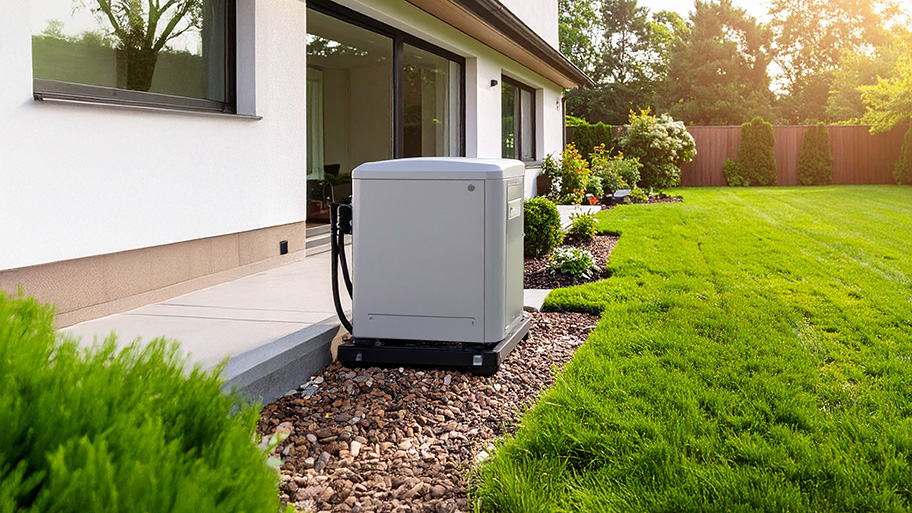
Standby generatorsare fixed outside the home. They turn on automatically when power goes out. These run on natural gas or propane and provide enough power for the whole house. They cost more but are very reliable and need little effort to use.
Inverter generatorsare quiet and fuel-efficient. They produce clean power, safe for sensitive electronics. These are good for small homes or camping. They are lighter than standby generators but provide less power.
Cost Breakdown
The purchase priceof home standby generators varies by size and brand. Small units may cost $2,000 to $5,000, while larger models can exceed $10,000. This price usually includes the generator itself but not installation.
Installation costsdepend on the home’s setup and complexity. Basic installations may be around $1,000 to $3,000. More complex setups, including permits and electrical work, can push costs beyond $5,000. Proper installation is crucial for safety and performance.
Maintenance expensesare usually low but important. Annual servicing may cost $100 to $300. Regular checks keep the generator ready and extend its life. Fuel costs vary depending on usage and type of fuel used.
Credit: www.furnaceprices.ca
Factors Affecting Value
Frequency of power outagesgreatly impacts the value of a standby generator. Homes in areas with frequent blackouts benefit more from having one.
Home size and power needsmatter too. Larger homes with many electrical devices need bigger generators. Smaller homes may need less power and a smaller unit.
Fuel availabilityaffects convenience and cost. Generators can run on propane, natural gas, or diesel. Choose fuel that is easy to get in your area.
Local climate considerationsplay a role. Cold climates may require generators that start easily in low temperatures. Hot climates might need units that handle heat well.
Alternatives To Standby Generators
Portable generators, solar power systems, and battery backups serve as practical alternatives to standby generators. These options can save money and offer flexible power solutions during outages.
Portable Generators
Portable generatorsare smaller and easier to move. They provide power only when plugged in. They are less costly but need manual setup. These generators run on gas and can be noisy. Good for short power outages or outdoor use.
Solar Power Systems
Solar power systemsuse sunlight to create electricity. They are quiet and eco-friendly. Solar panels need space and sunlight to work well. Initial cost is higher but they save money over time. Best for sunny areas and long-term use.
Battery Backup Solutions
Battery backup solutionsstore electricity for use when power goes out. They turn on automatically and are very quiet. Batteries need charging and have limited power time. Great for running small devices and short outages.
Common Misconceptions
Home standby generatorsare often thought to be very loud. Actually, many models run quietly. They use sound-dampening technology that lowers noise. Some operate at a noise level similar to a normal conversation.
Installation is seen as hard and costly. It usually needs a professional electrician. But, once installed, the generator works automatically without extra effort. The process is faster than many expect.
Maintenance is believed to be a big challenge. Most generators only need simple checks. Regular oil changes and battery tests keep them ready. Some models even have alerts for needed maintenance.
Choosing The Right Generator
Choosing the right generator depends on your power needs. Calculate the total wattage of all devices you want to run during an outage. Include essentials like the refrigerator, lights, and heating.
Fuel options matter for cost and convenience. Natural gasand propaneare common for standby generators. Gas is often cheaper but propane stores longer. Consider what fuel is easy for you to get.
Deciding between professional installation and DIY affects safety and warranty. Professional installationensures the generator works correctly and meets local codes. DIY might save money but risks mistakes and voided warranties.
Maximizing Generator Efficiency
Regular maintenancekeeps your generator running smoothly. Change oil and filters often. Check the battery and clean the unit from dust and debris. Test the generator monthly to ensure it starts easily and runs well. Proper care prevents breakdowns and extends the generator’s life.
Choosing the right sizegenerator is important. A unit too small won’t power your home fully. One too big wastes money and fuel. Calculate your home’s power needs to pick a suitable generator. This saves costs and improves efficiency.
Use your generator smartly. Turn off non-essential appliances during outages. Run the generator only when needed to save fuel. Avoid overloading by balancing the power load. Follow these tips for better performance and longer use.
Frequently Asked Questions
Are Home Standby Generators Cost-effective Long Term?
Home standby generators provide reliable power during outages, protecting appliances and comfort. Though initial costs are high, they save money by preventing damage and food spoilage. Long-term benefits often outweigh installation expenses, especially in areas with frequent power disruptions.
How Much Does A Home Standby Generator Cost?
Costs vary by size and brand but typically range from $3,000 to $7,000. Installation and permits add $2,000 to $5,000 more. Total investment depends on power needs and local regulations. Budgeting for maintenance is also essential for reliable operation.
Do Home Standby Generators Operate Automatically?
Yes, home standby generators start automatically during power outages. They detect electricity loss and switch on within seconds. This feature ensures continuous power without manual intervention, providing convenience and peace of mind during emergencies.
What Maintenance Do Standby Generators Require?
Regular maintenance includes oil changes, filter replacements, and inspections. Annual servicing by professionals ensures optimal performance. Proper upkeep extends generator life and prevents unexpected failures during outages, keeping your home powered safely.
Conclusion
Home standby generators provide reliable power during outages. They keep your essential appliances running smoothly. Investing in one can bring peace of mind. Consider your budget and power needs carefully. Think about how often outages occur in your area. Safety and convenience matter when choosing a generator.
Overall, they offer comfort and security for many homeowners. It’s worth weighing costs against benefits before deciding. A standby generator can be a smart choice for your home.