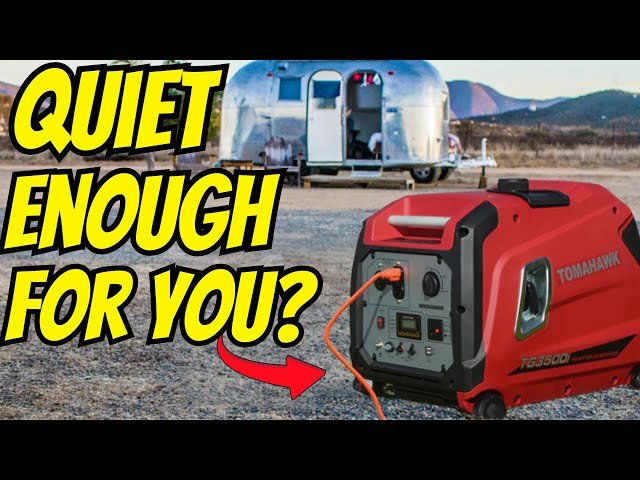
Imagine enjoying a peaceful camping trip, a backyard barbecue, or simply a quiet evening at home, all without the disruptive roar of a traditional generator. Sounds ideal, right?
If you’re tired of noisy generators that make it hard to hold a conversation or relax, you might be wondering, “Are inverter generators quiet? ” The promise of a quieter power solution is intriguing, but how true is it? We’ll dive into what makes inverter generators different, and most importantly, whether they live up to their reputation for being quieter.
You’ll discover the science behind their operation, how they compare to conventional generators, and whether an inverter generator could be the silent partner you need for your power needs. Stick around, because understanding this could transform how you power your adventures and home activities, ensuring peace and quiet are part of the package.
Inverter Generator Basics
Inverter generators produce less noise than traditional ones. They operate quietly, making them ideal for campsites. This technology adjusts engine speed, reducing sound levels significantly.
Inverter Generator Basics Inverter generators have become increasingly popular due to their efficiency and quiet operation. These devices convert DC power into AC power, providing stable electricity for sensitive electronics. If you’ve ever been frustrated by the loud, constant hum of traditional generators, inverter generators might be the solution you’ve been searching for.How Do Inverter Generators Work?
Inverter generators use advanced technology to produce clean and stable power. They first generate AC power, convert it to DC, and then invert it back to AC. This process ensures a consistent flow of electricity, which is crucial for devices like laptops and smartphones.Benefits Of Inverter Generators
– Quiet Operation: Inverter generators are designed to operate at lower noise levels compared to traditional models. You can enjoy a peaceful camping trip or outdoor event without the constant roar of a generator. – Fuel Efficiency: These generators adjust their engine speed according to the power demand, leading to reduced fuel consumption. This means longer running times and less frequent refueling. – Compact and Portable: Their lightweight and compact design make them easy to transport and store. Whether you’re tailgating or preparing for an emergency, inverter generators are a convenient choice.Real-world Applications
Many people find inverter generators ideal for outdoor activities. Imagine setting up a campsite with all the comforts of home—lighting, cooking appliances, and even a small fridge—without disturbing the tranquility of nature. With an inverter generator, this dream can become reality.Are Inverter Generators Worth The Investment?
Consider the long-term benefits of quieter operation and fuel efficiency. While they might cost more upfront, the savings on fuel and the peace of mind from quiet operation can make them a wise investment. Wouldn’t you prefer to invest in a device that enhances your experience rather than disrupts it?Choosing The Right Inverter Generator
When selecting an inverter generator, focus on your power needs and budget. Look for features like parallel capability, which allows you to connect two units for more power. Are you looking for something lightweight or a generator with extra features? Make sure to choose one that fits your specific requirements.
Credit: www.harborfreight.com
How Inverter Generators Work
Inverter generators are popular for their quiet operation. But how do they work? Understanding the mechanics can help you appreciate their efficiency and quietness. Here’s a simple breakdown of how inverter generators operate.
Power Generation And Conversion
Inverter generators first produce AC power. Then, they convert it to DC power. This DC power is inverted back to stable AC power. This process ensures consistent energy output.
Microprocessor Control
These generators use a microprocessor to control the engine speed. This control adjusts based on power demand. Lower demand means slower engine speed. This reduces noise and fuel consumption.
Parallel Capability
Inverter generators can be linked together. This feature increases power output. It provides flexibility for varied energy needs. This capability is crucial for users needing more power without extra noise.
Advanced Sound Dampening
Inverter generators often include sound-dampening features. These features reduce operational noise. They might include special enclosures or mufflers. This design makes them quieter than traditional generators.
Noise Levels Explained
Inverter generators operate quietly, often producing sound levels comparable to normal conversation. Their advanced technology minimizes noise, making them ideal for camping or residential use. This quiet efficiency is due to their ability to adjust engine speed, reducing unnecessary noise output.
Understanding the noise levels of inverter generators is crucial, especially if you’re planning to use one in a noise-sensitive environment. Many people are drawn to inverter generators because of their reputation for being quieter than traditional generators. But how quiet are they really? Let’s break down the noise levels and find out.How Noise Levels Are Measured
Noise levels are typically measured in decibels (dB). The decibel scale is logarithmic, meaning each increase of 10 dB represents a tenfold increase in sound intensity. Most inverter generators operate between 50 to 60 dB, which is comparable to the noise level of a normal conversation. Understanding this can help you choose the right generator for your needs, especially if you plan to use it in a residential area.Comparison With Traditional Generators
Traditional generators can be significantly louder, often exceeding 70 dB. This level of noise can be disruptive, especially in quiet settings like campsites or residential neighborhoods. Inverter generators, on the other hand, use advanced technology to reduce noise. They adjust their engine speed based on the electrical demand, which not only saves fuel but also minimizes noise.Factors Affecting Noise Levels
Several factors can influence the noise level of an inverter generator. The size of the generator and its power output play a big role. Larger generators with higher power output may produce more noise. Additionally, the design and materials used in the generator can affect how much sound is emitted.Real-life Use Cases
Imagine hosting a backyard party or going camping with friends. You want power without the roar of a traditional generator interrupting the mood. Inverter generators are ideal for such scenarios due to their quieter operation. They allow you to enjoy your activities without worrying about disturbing the peace.Choosing The Right Inverter Generator
When selecting an inverter generator, consider where and how often you plan to use it. If you need it for camping or outdoor events, opt for a model specifically designed to be quiet. Look for brands known for their noise-reduction technology and read user reviews for real-world insights. Wouldn’t you rather enjoy the sound of nature than a noisy generator?
Credit: www.amazon.com
Comparing Inverter And Conventional Generators
Choosing between inverter and conventional generators often boils down to specific needs. Both types have unique features and benefits. Understanding these differences helps make a well-informed decision. Let’s explore how they compare in terms of noise, efficiency, and fuel consumption.
Noise Differences
Inverter generators are quieter than conventional generators. They use advanced technology to reduce noise levels. This makes them ideal for camping trips or residential areas. Conventional generators, on the other hand, are typically louder. Their engines run at a constant speed, which increases noise.
Efficiency And Fuel Consumption
Inverter generators are more efficient. They adjust the engine speed based on power needs. This reduces fuel consumption significantly. Conventional generators run at a constant speed regardless of demand. This can lead to higher fuel usage. Inverters save money by consuming less fuel over time. They are also better for the environment.
Benefits Of Quiet Operation
Inverter generators operate quietly, offering peace in outdoor settings. They are ideal for camping or outdoor events. Their low noise ensures comfort and minimal disturbance.
Inverter generators are known for their quiet operation. This feature offers many benefits, enhancing user experience and convenience. Quiet generators create a peaceful environment, making them ideal for various settings. Whether you’re camping in the wilderness or using them at home, their silent operation is a major advantage.Ideal For Camping And Outdoor Activities
Inverter generators are perfect for camping trips. Their quietness allows you to enjoy nature’s sounds without disturbance. You can power your devices without disrupting wildlife or fellow campers. This makes them a popular choice for outdoor enthusiasts. They blend seamlessly into the serene outdoor environment.Suitable For Residential Use
These generators are also great for home use. They provide power without disturbing the neighborhood peace. You can run essential appliances during power outages quietly. This ensures comfort without the noise pollution of traditional generators. Their quiet operation is especially valuable in noise-sensitive areas.Factors Affecting Noise Output
Inverter generators are known for their quiet operation. But various factors influence their noise output. Understanding these factors helps in selecting the right generator for your needs.
Generator Size And Design
The size and design of a generator play a crucial role. Larger generators generally produce more noise than smaller ones. Their engines have higher power, leading to more sound. Design elements like sound insulation and exhaust systems can reduce noise. Many inverter generators use advanced technology to minimize sound levels. Compact designs often incorporate materials that absorb sound.
Load And Environmental Conditions
The load on the generator affects its noise output significantly. A generator operating at full capacity tends to be noisier. Running a generator at half-load usually results in quieter operation. Environmental conditions also impact noise levels. Hard surfaces can reflect sound, making it seem louder. Soft surfaces, like grass, absorb sound, reducing perceived noise. Wind direction can also alter how sound travels from the generator.
Tips For Reducing Generator Noise
Inverter generators are known for their quieter operation compared to traditional models. Their advanced technology reduces noise levels significantly. This makes them an excellent choice for noise-sensitive environments.
Reducing generator noise makes your environment more peaceful. Inverter generators are generally quieter than traditional models. Yet, even they can be bothersome at times. Luckily, there are ways to minimize their sound output. Below, find practical tips to reduce generator noise and enjoy a quieter experience.Proper Placement
Position your generator far from living areas. Distance reduces noise impact significantly. Avoid placing it near walls or corners. These surfaces can amplify sound. Set the generator on a soft surface. Grass or dirt absorbs vibrations better than concrete. Elevated platforms can also help. They isolate the generator from ground vibrations. Ensure proper ventilation. This prevents overheating and reduces noise caused by fans.Using Sound Barriers
Sound barriers are effective in noise reduction. Use acoustic panels or sound blankets. These materials absorb sound waves. Create a simple enclosure around the generator. Ensure it has openings for ventilation. The enclosure should not trap heat. Use dense materials like plywood or rubber. They block sound better than thin materials. Arrange barriers strategically. Direct sound away from sensitive areas. This method reduces noise without compromising airflow.Top Quiet Inverter Generators
Inverter generators are popular for their quiet operation. They provide power without the loud noise of traditional generators. If you need a generator for camping or home use, a quiet inverter is ideal. Let’s explore some top quiet inverter generators.
Honda Eu2200i
The Honda EU2200i is a favorite. It operates at just 48 to 57 decibels. Lightweight and portable, it’s perfect for outdoor activities. Its fuel efficiency is commendable.
Yamaha Ef2000isv2
The Yamaha EF2000iSv2 is known for its noise reduction. It operates at 51.5 to 61 decibels. This model is compact and easy to transport. It also offers excellent fuel efficiency.
Wen 56200i
The WEN 56200i is budget-friendly. It runs at 51 decibels, similar to a normal conversation. Lightweight and easy to handle, it’s great for home and outdoor use.
Champion 2000-watt Stackable
The Champion 2000-Watt Stackable is versatile. It operates quietly at 53 decibels. Its stackable design allows for increased power output. Perfect for RVs and outdoor adventures.
Westinghouse Igen2200
The Westinghouse iGen2200 is efficient and silent. It runs at 52 decibels, offering a peaceful experience. Its lightweight design makes it easy to carry.
Choosing The Right Generator
Inverter generators offer quiet operation, perfect for camping trips and residential use. Their advanced technology reduces noise levels significantly. Ideal for sensitive environments requiring less disturbance.
Choosing the right generator can be a crucial decision. Inverter generators are known for their quiet operation. But selecting the best one requires careful thought. You need to balance power needs, budget, and desired features. This guide will help you make an informed choice.Assessing Power Needs
Calculate the wattage of devices you plan to power. Make a list of all essential appliances. Check each device’s manual for power usage. Add up the total wattage required. Consider a generator with a little extra power. This ensures smooth operation even during peak use.Considering Budget And Features
Identify how much you can spend on a generator. Compare models within your budget range. Look for features like fuel efficiency and portability. Some generators have eco-mode for saving fuel. Noise levels are also crucial, especially for residential use. Read reviews and check user feedback for insights.
Credit: www.amazon.com
Frequently Asked Questions
Are Inverter Generators Quieter Than Generators?
Yes, inverter generators are generally quieter than traditional generators. They use advanced technology to produce less noise. This makes them ideal for camping and residential use. Their efficient operation ensures quieter performance, providing a more pleasant experience.
What Is The Downside Of An Inverter Generator?
Inverter generators can be more expensive than conventional ones. They provide lower power output, limiting usage for heavy-duty appliances. Maintenance might be more frequent due to complex electronics. Noise levels are generally lower but can still be noticeable. Compatibility issues may arise with some sensitive devices.
How Long Can You Run An Inverter Generator Continuously?
An inverter generator can run continuously for 6 to 18 hours, depending on its fuel capacity and load. Always check the manufacturer’s guidelines for specific runtime details to ensure optimal performance and safety. Regular maintenance and monitoring can extend its longevity.
Why Is My Inverter Generator So Loud?
Your inverter generator might be loud due to a lack of insulation, engine issues, or operating at high loads. Regular maintenance, ensuring proper ventilation, and checking for worn-out parts can help reduce noise levels. Consider using a soundproof enclosure to further minimize the sound.
Conclusion
Inverter generators provide a quieter experience. They are perfect for noise-sensitive areas. This makes them ideal for camping or residential use. The advanced technology reduces noise significantly. You can enjoy peace while powering devices. They also offer fuel efficiency. This ensures longer running times.
Many people prefer inverter generators for these reasons. They are a smart choice for both home and travel needs. Consider them for your next power solution. You’ll appreciate the quiet operation. Enjoy the peace and power.