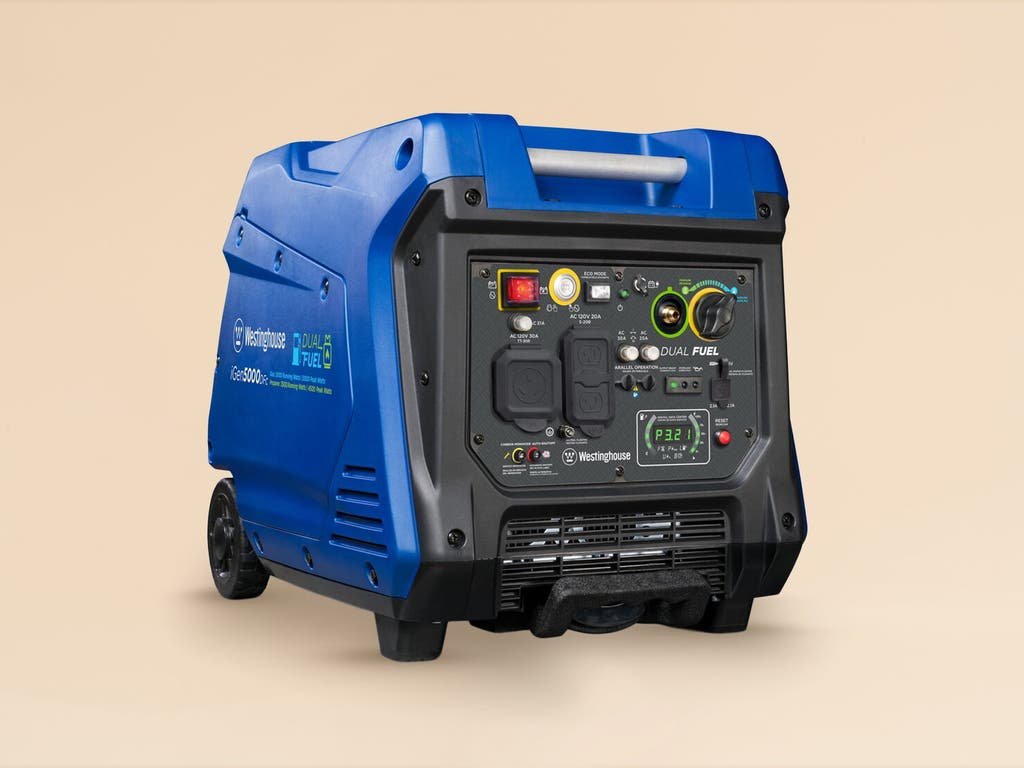
Are you considering purchasing a portable gas generator, but are concerned about its safety? You’re not alone.
With power outages becoming more frequent and unpredictable, many are turning to portable gas generators for peace of mind. But before you make the investment, it’s crucial to understand the safety aspects of these devices. You deserve to feel confident about the choices you make for your home and family.
By the end of this article, you’ll have all the information you need to decide whether a portable gas generator is the right choice for you. Keep reading to uncover the essential safety tips that can protect your loved ones and ensure your peace of mind.
Credit: www.premium-electric.ca
Risks Of Portable Gas Generators
Carbon monoxideis a deadly gas produced by portable gas generators. It has no smell, color, or taste. This gas can build up quickly in closed spaces and cause serious health problems or death. Never use generators indoors or near windows and doors. Proper ventilation is criticalto avoid poisoning.
Fire and explosion risks come from fuel leaks and sparks. Gasoline is highly flammable. Careless handling or storage can cause fires. Keep fuel containers away from generator heat sources. Turn off the generator before refueling to prevent flare-ups.
Electrical shock risks occur if the generator is wet or damaged. Exposed wires and faulty plugs increase danger. Use generators on dry surfaces and avoid touching with wet hands. Regularly inspect cords and outlets for damage to stay safe.
Credit: www.nytimes.com
Safe Placement And Ventilation
Choose a location that is flat and stable for the generator. Keep it away from doors, windows, and vents to stop fumes from entering your home. Place the generator outside in a dry area, protected from rain and snow.
Good airflow helps remove harmful gases like carbon monoxide. Make sure the generator is in an open space. Avoid tight corners or enclosed areas where air cannot flow freely.
- Never use a portable gas generator indoors.
- Do not run it in garages, basements, or sheds.
- Carbon monoxide is deadly and invisible.
- Always operate generators outside and far from living spaces.
Proper Operation Practices
Start the generator on a flat surface, away from doors and windows. Always check the oil and fuel levels before starting. Turn off all connected devices before stopping the generator to avoid damage.
- Keep the total load under the generator’s capacity.
- Use heavy-duty extension cords designed for outdoor use.
- Turn off unused devices to save fuel and prevent overload.
| Fuel Handling | Storage Tips |
|---|---|
| Use fresh fuel only, do not mix old and new fuel. | Store fuel in approved containers, away from heat sources. |
| Refuel only when the generator is off and cool. | Keep fuel containers tightly closed to avoid spills and fumes. |
Maintenance And Inspection
Routine checks keep portable gas generators safe and working well. Check oil and fuel levels before use. Look for leaks or loose parts. Listen for odd sounds during operation. Inspect the air filter and clean or replace it if dirty. Check spark plugs and replace if worn out.
Cleaning and repairs help avoid bigger problems. Clean the generator’s exterior and vents regularly. Remove dust and debris to prevent overheating. Use proper tools for repairs. Avoid using damaged or incorrect parts. Fix small issues quickly to stop them from growing.
Replacing parts safely is very important. Always use parts made for your generator model. Turn off the generator and disconnect the spark plug before replacing parts. Follow the user manual’s instructions carefully. Wear gloves and eye protection. Proper replacement keeps your generator running safely.
Using Safety Devices
Carbon monoxide detectorsalert you to dangerous gas levels. Place them near the generator and inside your home. These detectors save lives by warning early.
Ground fault circuit interrupters (GFCIs)help stop electric shock. Use GFCIs on outlets where generators connect. They turn off power fast if a problem occurs.
Fire extinguishersmust be nearby. Choose one rated for fuel and electrical fires. Keep it ready to use if sparks or flames start.

Credit: www.nytimes.com
Emergency Response Steps
Warning signsof portable gas generator issues include strange smells, loud noises, and smoke. If you notice dizzinessor headaches, leave the area immediately. These signs mean dangerous gases may be present.
Move the generator outdoors, away from windows and doors. Turn off the generator and shut off the fuel. Open windows and doors to let fresh air in. Avoid touching the generator with bare hands if it is hot.
- Seek help if symptoms worsen or last long.
- Call emergency services if you smell strong fuel or see fire.
- Get medical help for any breathing trouble or fainting.
- Do not try to fix the generator if unsure.
Legal And Regulatory Guidelines
Local safety codes set clear rules for using portable gas generators. These rules help prevent accidents and fires. Always check your area’s safety codes before use. Following these codes keeps everyone safe.
Manufacturer recommendations guide proper use and maintenance. They include tips on placement, fuel type, and ventilation. Following these instructions extends generator life and reduces risks.
Insurance companies may need proof of safe generator use. Some policies require compliance with safety standards. Check your insurance policy to know what is needed. This can protect you from financial loss after damage.
Frequently Asked Questions
Are Portable Gas Generators Safe For Home Use?
Portable gas generators are safe if used outdoors. Never operate them indoors or in enclosed spaces to avoid carbon monoxide poisoning. Always follow the manufacturer’s safety instructions and keep the generator dry and well-ventilated.
How To Prevent Carbon Monoxide Poisoning From Generators?
Place generators at least 20 feet away from doors and windows. Use carbon monoxide detectors indoors. Never run generators inside homes or garages. Proper ventilation and safe placement prevent harmful gas buildup.
Can Portable Gas Generators Cause Fire Hazards?
Yes, if not handled properly. Keep generators away from flammable materials. Avoid fuel spills and always turn off the generator before refueling. Proper maintenance and safe fuel storage reduce fire risks.
What Maintenance Ensures Portable Generator Safety?
Regularly check oil, fuel, and air filters. Inspect spark plugs and clean debris around the generator. Perform routine testing to ensure safe operation and prevent malfunctions. Follow the manufacturer’s maintenance schedule closely.
Conclusion
Portable gas generators can be safe if used with care. Always follow the safety rules and instructions. Keep the generator outside and away from windows. Never run it in enclosed spaces. Regular maintenance helps prevent problems. Use proper fuel and store it safely.
Stay alert to signs of trouble like strange smells or noises. Safety depends on your actions and attention. Stay prepared, stay safe, and use your generator wisely.