
Are portable solar generators tax deductible? It’s a question that sparks curiosity, especially if you’re keen on going green while being savvy with your finances.
Imagine harnessing the power of the sun to energize your home or business, all while potentially trimming down your tax bill. Sounds intriguing, right? We’ll explore the ins and outs of tax deductions related to portable solar generators. We’ll break down complex tax jargon into simple terms so you can easily understand what applies to you.
Whether you’re considering a new purchase or already own a solar generator, knowing how it could impact your taxes might just be the game-changer you need. Stay with us as we delve into this topic, uncover potential savings, and empower you to make informed decisions for your wallet and the planet.
Tax Deductibility Basics
Understanding the tax deductibility of portable solar generators can be a game-changer for your finances. Navigating tax laws might seem daunting, but grasping the basics can help you make informed decisions. Could your investment in green energy actually save you money come tax season?
Understanding Tax Deductions
Tax deductions reduce your taxable income, potentially lowering the amount of tax you owe. They can come from various expenses, including certain energy-efficient home improvements. Portable solar generators might qualify for these deductions under specific conditions.
Imagine reducing your tax burden just by opting for a more sustainable energy source. It’s like getting a thank-you note from the government for going green. But how do you know if your purchase qualifies?
Eligibility Criteria
To determine eligibility, you need to check if your portable solar generator meets the criteria set by tax authorities. Generally, the equipment must be used in a way that reduces the energy consumption of your primary residence. Additionally, the generator should meet specific energy efficiency standards.
Have you installed your solar generator at home? If so, it might just make the cut. Keep in mind that documentation is crucial. Save all purchase receipts and product certifications to support your claim.
Are you ready to potentially save on taxes while contributing to a greener planet? Understanding these basics might be your first step towards financial and environmental efficiency.

Credit: www.ecoflow.com
Portable Solar Generators Overview
Portable solar generators are gaining popularity for their eco-friendly energy solutions. They harness sunlight to provide electricity, reducing reliance on fossil fuels. These devices are compact and easy to transport, making them ideal for camping, emergencies, or outdoor events. With advancements in solar technology, they have become efficient and accessible for everyday use.
Functionality And Benefits
Portable solar generators convert sunlight into electricity through photovoltaic panels. They store energy in built-in batteries for later use. This process is silent and clean, producing no emissions. These generators offer a reliable power source when traditional options fail. They are perfect for remote locations without electricity. Their portability ensures you have power on-the-go, anytime.
Using solar energy reduces your carbon footprint. It helps preserve the environment. These generators save money in the long run by reducing electricity bills. They require little maintenance, making them hassle-free. With no fuel costs, they are cost-effective. Their ease of use suits both tech-savvy and beginners alike.
Types Available
There are various types of portable solar generators. Each caters to different needs. Smaller models are great for charging phones and small devices. Larger units can power appliances like refrigerators or televisions. Some models come with expandable solar panels. These allow more energy collection when needed.
Hybrid solar generators combine solar power with other energy sources. They offer flexibility in power usage. Portable solar generators vary in battery capacity and output. Choose based on your energy requirements. Lightweight models are easier to transport. Heavier ones offer more power but need careful handling.
Home Use Vs Business Use
Determining tax deductibility for portable solar generators depends on usage. Home use may not qualify for deductions. Business use might be eligible if it meets specific criteria. Always consult a tax professional for advice.
Understanding the tax implications of portable solar generators can be complex. Whether used at home or for business, tax rules vary significantly. Knowing these differences helps you make informed decisions.Residential Tax Implications
Using a portable solar generator at home may offer some tax benefits. Residential solar credits can sometimes apply to portable units. However, eligibility often depends on specific guidelines. Many credits focus on permanent installations. Always check with a tax professional. They can confirm if your generator qualifies.Business Tax Benefits
Businesses may enjoy more tax advantages. Portable solar generators used for business can be deductible. They qualify as business expenses. This deduction reduces taxable income. Some businesses may also qualify for energy efficiency credits. These incentives encourage sustainable practices. For accurate advice, consult with a tax advisor. They can provide guidance on maximizing tax benefits for your business.
Credit: www.amazon.ca
Federal And State Tax Credits
Portable solar generators may qualify for federal and state tax credits. Credits depend on local policies and specific conditions. Research eligibility to benefit from these incentives.
Purchasing a portable solar generator can be an eco-friendly choice, but did you know it might also be financially beneficial through tax credits? Federal and state governments offer various incentives to encourage the adoption of renewable energy sources. Understanding these tax credits can help you recoup some of your investment, making the decision to go solar even more appealing.Federal Programs
The federal government provides tax credits to individuals who invest in renewable energy systems, including portable solar generators. Under the Residential Clean Energy Credit, you can claim a percentage of your solar generator’s cost on your tax return. For example, if your generator qualifies, you might be eligible to deduct a significant portion of its price, effectively reducing your overall tax burden. This credit applies to both primary and secondary residences, widening the scope for potential savings. However, it’s crucial to keep all purchase receipts and documentation handy. This will ensure a smooth process when claiming your credit.State Incentives
In addition to federal incentives, many states offer their own tax credits and rebates for solar energy investments. These programs can vary significantly from one state to another. Some states provide direct rebates, while others offer additional tax credits or exemptions. For instance, states like California and New York have robust programs that further encourage solar adoption. It’s worth checking with your state’s energy office or website for specific details. Wouldn’t it be great if your state offered a rebate that made your solar generator almost free? Engaging with both federal and state programs can maximize your financial benefits. It’s like unlocking a hidden treasure that not only supports the environment but also your wallet. Make sure to research your state’s specific offerings to fully capitalize on these opportunities.Steps To Claim Tax Deductions
Claiming tax deductions for portable solar generators can ease your financial burden. Understanding how to navigate the deduction process is crucial. This involves gathering the right documents and following the correct filing procedure. Let’s explore the necessary steps to claim your deductions effectively.
Documentation Requirements
Ensure you have all the required documents before filing for tax deductions. Gather receipts proving the purchase of your portable solar generator. Keep records of installation costs if applicable. Maintain documents showing the generator’s use for business or eligible purposes. Proper documentation supports your claims and reduces audit risks.
Filing Process
Begin by determining if your solar generator qualifies for deductions. Check the latest tax guidelines on renewable energy incentives. Use the appropriate tax forms for your deductions. Include all relevant documents with your tax returns. Consult a tax professional if you need guidance. They can help ensure accurate filing and maximize your deductions.
Common Misconceptions
Understanding tax deductions for portable solar generators can be tricky. Many people have misconceptions about what is deductible. This confusion often leads to misinformation. It’s important to clear up these misunderstandings.
Misleading Information
Some believe all solar products qualify for tax deductions. This is not always true. Portable solar generators may not meet specific criteria. They must be part of your primary energy system. Not all portable systems fit this description. Without proper knowledge, people assume eligibility incorrectly.
Clarifying Confusion
It’s crucial to know what the tax code states. Portable solar generators must meet certain standards. They often need to be permanently installed. Portable devices used occasionally may not qualify. Consult tax professionals for clarity. They can provide accurate guidance based on your situation.
Expert Advice
Are portable solar generators tax deductible? It’s a question that many eco-conscious individuals and businesses are asking. With the rise of renewable energy solutions, understanding tax implications is crucial. Expert advice can illuminate whether you can save money while saving the planet. This guidance helps you navigate the complexities of tax deductions related to solar energy investments.
Consulting Tax Professionals
Getting advice from tax professionals is essential. They can provide clarity on current tax laws and whether your solar generator qualifies for deductions. A quick consultation could reveal opportunities you hadn’t considered. Tax experts are equipped to evaluate your specific situation, ensuring you make informed decisions.
Staying Updated On Regulations
Tax regulations change frequently, and staying updated is vital. A portable solar generator might be deductible today but not tomorrow. Regularly check for updates from reliable sources or government websites. This vigilance can prevent unexpected surprises during tax season.
Have you considered subscribing to a newsletter from a trusted tax advisory service? This could be a simple way to keep informed about any shifts in policy. Your proactive approach ensures that you’re always a step ahead.
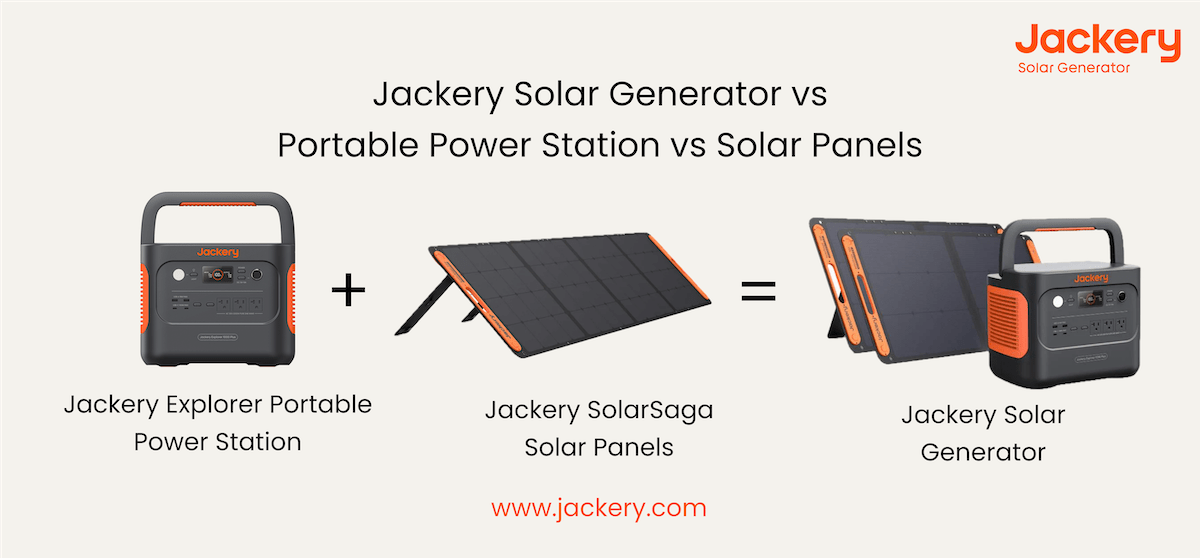
Credit: www.jackery.com
Frequently Asked Questions
Can I Get A Tax Credit For A Solar Generator?
You may qualify for a federal tax credit when purchasing a solar generator. The Investment Tax Credit (ITC) applies to solar energy systems, including generators, if they meet specific criteria. Consult a tax professional for eligibility and potential savings.
Are Jackery Solar Generators Eligible For Tax Credits?
Jackery solar generators might qualify for tax credits if they meet federal and state requirements. Check specific regulations and consult a tax professional for eligibility. These credits can reduce the overall cost, making solar power more affordable. Always verify the latest guidelines for accurate information.
Is A Solar System Tax Deductible?
Yes, installing a solar system may qualify for tax deductions. The Federal Solar Tax Credit offers savings. Always consult a tax professional for specific eligibility and benefits. This incentive can significantly reduce installation costs, promoting sustainable energy use. Check state-specific incentives for additional savings opportunities.
What Disqualifies You From A Solar Tax Credit?
Failing to install solar panels on your primary residence disqualifies you from a solar tax credit. Renting your home, using leased systems, or not following IRS guidelines can also prevent eligibility. Only new and unused systems qualify, so previously installed panels don’t count.
Always ensure compliance with local and federal regulations.
Conclusion
Navigating tax deductions can be tricky. Portable solar generators offer eco-friendly power. But, tax deduction rules vary. Check local regulations and consult a tax expert. This helps ensure correct filing. Remember, tax laws change over time. Stay updated with current guidelines.
Portable solar generators are great for sustainability. They also reduce electricity costs. But tax savings require proper documentation. Keep receipts and records organized. This aids in smooth tax filing. Understand your options thoroughly. Making informed decisions benefits your finances. Feel confident in your tax approach.
Take the time to research and plan.