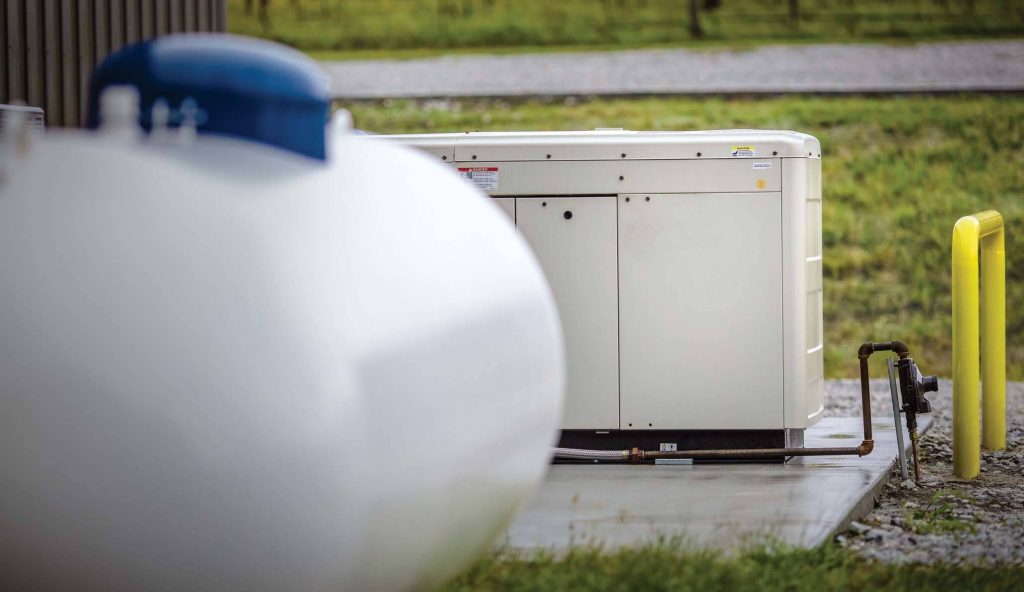
Imagine a storm suddenly hits and your power goes out. In moments like these, having a reliable standby generator is crucial.
But when it comes to choosing the right one, you might find yourself asking: Are propane standby generators better than diesel? This question is more than just a technical debate; it’s about ensuring your home remains a safe haven during unexpected power outages.
Choosing between propane and diesel generators isn’t just about what keeps the lights on. It’s about efficiency, cost, and environmental impact. You want a solution that aligns with your needs and values. As you weigh your options, consider not only the immediate benefits but also the long-term implications for your budget and the planet. Dive into this article to explore the strengths and weaknesses of propane versus diesel generators. Discover which option could provide you the peace of mind you deserve. Your home and family’s safety depend on making the right choice. Let’s unravel the mystery together.

Credit: waltpower.com
Propane Generators
Propane generators are known for their steady performance. They start quickly, even in cold weather. This is because propane does not thicken in cold temperatures. The fuel is clean-burning, which means less buildup in the engine. This leads to fewer repairs and longer life. Propane generators are also quieter than diesel ones.
Propane is a cleaner fuelcompared to diesel. It produces fewer emissions. This makes it better for the environment. Propane generators release less carbon monoxide. They also generate less particulate matter. This means they are safer for the air we breathe.
Installing a propane generator is simple. It can connect to existing propane lines. Maintenance is less frequent because of clean fuel. Engines stay cleaner, reducing the need for repairs. Parts last longer, saving money over time. Regular checks are still important for safe operation.

Credit: www.aeheatingandcooling.com
Diesel Generators
Propane standby generators offer quieter operation and cleaner fuel compared to diesel generators. Diesel generators, however, provide robust power and efficiency, especially for heavy-duty tasks. Choosing between them depends on specific needs and environmental considerations.
Power Output And Reliability
Diesel generators offer high power output. They are known for their reliabilityduring long runs. Many industries trust diesel for heavy-duty tasks. These generators can handle big power loads easily. Diesel engines are tough and last longer. This makes them a popular choice.
Fuel Storage And Availability
Diesel fuel is easy to find. It is available at many places. Storing diesel fuel is simple. Tanks can hold fuel for a long time. Diesel does not go bad quickly. It is a stable fuel option. This makes it convenient for standby generators.
Noise And Emissions
Diesel generators can be loud. The noise can be disturbing. They produce more emissionsthan other types. Emissions are not good for the environment. People often need extra equipment to reduce noise. Newer models are getting better at this.
Cost Considerations
Propane generators are often cheaper to buy at first. Diesel generators can cost more. They need big, strong engines. Propane is lighter and easier to move. This can save money upfront. Diesel is more expensive but may last longer. Choose based on your budget and needs.
Propane is usually cheaper per hour to run. Diesel can be more expensive. It uses more fuel. Propane burns cleaner, which saves on maintenance. Diesel engines need regular checks. They also need oil changes. These add to the costs over time.
Propane can save money in the long run. Less fuel and maintenance mean lower costs. Diesel generators might last longer, but they cost more to fix. Propane’s cleaner burn can mean fewer repairs. Consider both upfront and future costs when choosing.

Credit: lj-machine.com
Safety And Risks
Propane standby generators offer lower emissions and quieter operation, enhancing safety. Diesel generators, though powerful, present higher environmental risks.
Fuel Handling
Propane is stored in sealed tanks. It reduces spills and leaks. Diesel fuel might spill during refills. It can cause slippery surfaces. Propane tanks are safer for kids. Diesel has a strong smell. It can be bothersome. Propane requires less frequent refills.
Carbon Monoxide Concerns
Propane burns cleaner than diesel. It produces fewer emissions. Diesel can produce more carbon monoxide. Propane generators need proper ventilation. Diesel fumes can be dangerous. Carbon monoxide detectors are important. They help keep families safe.
Emergency Preparedness
Propane is available even during outages. Diesel might be harder to find. Propane tanks have longer shelf life. Diesel requires more maintenance. Propane generators start quickly. They are reliable during emergencies. Families can feel prepared and safe.
Suitability For Different Needs
Propane generators are often quieter than diesel ones. This makes them better for homes. They produce less smell too. Propane can be stored for a long time without spoiling. This is great for emergencies. Diesel generators are strong and last long. But they need regular checks. They might not be the best for small homes.
Diesel generators are common in businesses. They are reliable and powerful. They can run large machines easily. Propane generators are cleaner. They are good for places that care about the environment. Propane is also cheaper sometimes. But diesel is more available in many areas. Businesses should choose based on their main needs.
For faraway places, fuel availability matters. Diesel is often easier to find. It can be stored in large tanks. Propane is lighter and safer to transport. Propane generators start well in cold weather. Remote areas should pick the fuel they can get easily.
Technological Advancements
Propane standby generators offer cleaner emissions compared to diesel. They’re quieter and often require less maintenance. Diesel engines, however, typically provide more power and longer running times, making them suitable for larger needs.
Innovations In Propane Systems
Propane generators are becoming smarter. New systems use less fuel. This means they are more efficient. Propane systems are also cleaner. They produce fewer emissions. This helps the planet stay green. Propane is stored in tanks. These tanks are easy to refill. Propane does not spoil over time. This makes it a good choice for long-term storage.
Diesel Engine Improvements
Diesel engines are strong and durable. They can run for many hours. New diesel engines are quieter. Engineers have made them more fuel-efficient. Diesel engines last longer than many other types. They are often used in big machines. Diesel fuel is easy to find. This makes diesel engines reliablefor emergencies.
Smart Generator Integration
Smart generators can connect to homes. They use technology to monitor energy. This helps save power. Smart generators are easy to control. You can use apps to manage them. They can turn on by themselves. This is helpful during power outages. Smart generators are the future of energy. They make life easier.
Frequently Asked Questions
Is It Cheaper To Run A Generator On Propane Or Diesel?
Propane is often cheaper than diesel for running a generator. Diesel engines are efficient but fuel costs more. Propane provides cleaner burning and stable prices, making it cost-effective long-term. Prices vary by location, so check local rates for accurate comparisons.
Always consider efficiency, availability, and maintenance costs too.
What Are The Downsides Of A Propane Generator?
Propane generators can be expensive to purchase and maintain. They offer lower energy output than gas generators. Propane availability can be limited in certain areas. Cold weather might affect their performance. Proper storage and handling are crucial to avoid safety risks.
What Is The Best Fuel For A Standby Generator?
The best fuel for a standby generator is typically natural gas or diesel. Natural gas offers convenience and cleaner emissions. Diesel provides high energy density and reliable performance. Consider fuel availability, storage, and generator specifications to choose the ideal option.
How Long Will A Generator Run On A 20lb Tank Of Propane?
A 20lb propane tank can power a generator for approximately 8 to 12 hours. Duration depends on the generator’s wattage and load. Efficient generators may run longer, while higher power demands can shorten runtime. Regular maintenance ensures optimal performance and fuel efficiency.
Always check the manufacturer’s specifications for precise details.
Conclusion
Choosing between propane and diesel generators depends on your needs. Propane offers cleaner emissions, making it eco-friendly. It’s also quieter, perfect for residential areas. Diesel provides power and efficiency, ideal for larger demands. It’s reliable in cold weather, but noisier.
Consider fuel availability and storage space. Propane requires larger storage tanks, while diesel needs less space. Budget matters too. Propane might be pricier upfront. Diesel might save on long-term fuel costs. Evaluate your situation carefully. Both options have their benefits.
Select what aligns best with your requirements and environment.