Imagine a scenario where you’re off the grid, enjoying the serenity of nature, and then suddenly your devices start losing power. You might wonder if solar AGM batteries can be effectively charged using a generator.
You’re not alone in this thought. Many people are curious about the compatibility and efficiency of these batteries when paired with a generator. This introduction will pique your interest and guide you to explore the advantages, potential pitfalls, and best practices for charging solar AGM batteries with a generator.
You’ll discover how this combination can be part of your energy solution, ensuring your adventures remain uninterrupted. Keep reading, and unlock the secrets to keeping your power flowing smoothly, even when the sun isn’t shining.

Credit: shopsolarkits.com
Solar Agm Battery Basics
Solar AGM batteries are popular in renewable energy systems. Their design makes them efficient and reliable for various applications. Understanding their basics helps in choosing the right battery for your needs.
Composition And Structure
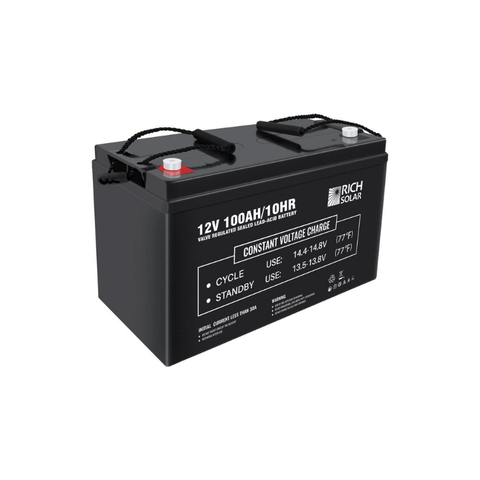
AGM stands for Absorbent Glass Mat. It refers to the thin fiberglass mat placed between the battery plates. This mat absorbs the electrolyte, preventing leaks and spills. The design ensures the battery remains maintenance-free. The sealed structure reduces the risk of acid spills.
Key Features And Benefits
Solar AGM batteries have several advantages. They offer high efficiency and quick charging capabilities. Their low internal resistance means they can deliver high currents. This is useful for devices needing a quick burst of power.
Another benefit is their long lifespan. AGM batteries withstand deep discharges better than traditional ones. They perform well in a wide range of temperatures. This makes them ideal for various climates and conditions.
Safety is a key feature of AGM batteries. Their sealed design reduces the risk of leaks. They can be used in enclosed or poorly ventilated spaces. This makes them versatile for different installations.
Generator Charging Needs
When it comes to charging solar AGM batteries with a generator, understanding the specific needs is crucial for efficiency and longevity. Generators provide a reliable source of power, but are they the best option for your AGM battery setup? Let’s delve into the essentials of generator charging needs to help you make informed decisions.
Power Requirements
Generators must meet specific power requirements to effectively charge AGM batteries. It’s not just about having a generator; it’s about having the right one. You need to ensure the generator’s output matches the voltage and amperage needs of your batteries.
For example, if you’re using a 12V AGM battery, your generator should provide a stable 12V output. A mismatch can lead to inefficient charging or damage. Consider generators that can maintain consistent power without fluctuations.
Have you ever found your batteries not fully charged even after hours of generator use? This might be a sign of inadequate power delivery. Double-check your generator’s specifications to avoid such pitfalls.
Charging Cycles
AGM batteries have specific charging cycles that need to be followed for optimal performance. Generators can support these cycles if properly managed. The charging cycle involves bulk, absorption, and float stages.
Ensuring your generator can handle these stages is essential. Some generators come with built-in charge controllers that automatically adjust to these cycles. If yours doesn’t, you might need an external controller.
Imagine setting up your generator to charge overnight, only to find the battery isn’t fully charged. This might mean the generator didn’t complete the cycle. Always verify if your generator and charge controller are synchronized with the battery’s needs.
Understanding these needs not only optimizes charging but also extends the life of your AGM batteries. Are your generator and AGM battery working harmoniously, or is there room for improvement?
Compatibility With Solar Agm Batteries
Understanding the compatibility of solar AGM batteries with generators is crucial. These batteries are popular for their reliability and efficiency. They serve well in off-grid solar systems. However, pairing them with a generator requires careful consideration.
Voltage Compatibility
AGM batteries need a specific voltage range for optimal charging. Most generators provide adjustable voltage settings. Ensure the generator matches the battery’s voltage requirements. This prevents overcharging or undercharging. Both can harm the battery’s lifespan.
Efficiency Considerations
Charging efficiency is key for AGM batteries. Generators must supply steady power without fluctuations. Inconsistent power can reduce battery performance. Also, using a generator with a smart charging feature helps. It optimizes energy use and prolongs battery life.
Advantages Of Using Solar Agm Batteries
Solar AGM batteries offer reliable charging with generators. They handle varying voltage, ensuring consistent energy flow. Ideal for off-grid setups, they provide stable power even during generator use.
Solar AGM batteries offer many advantages, especially when charging with a generator. These batteries are known for their reliability and efficiency. They provide a stable power source, making them ideal for various applications. Let’s explore the benefits of using Solar AGM batteries.Environmental Impact
Solar AGM batteries are environmentally friendly. They help reduce carbon emissions. These batteries use absorbed glass mat technology. This technology minimizes leakage and waste. By using them, you contribute to a cleaner planet.Cost Effectiveness
These batteries are cost-effective. They have a long lifespan, reducing replacement costs. Solar AGM batteries require little maintenance. This saves money over time. Their efficiency also means lower energy costs. Using them with generators can optimize fuel consumption.Potential Limitations
Charging solar AGM batteries with a generator can be tricky. Generators may produce inconsistent power, affecting battery life. Careful monitoring is essential to prevent overcharging or damage.
Potential Limitations Solar AGM batteries have their benefits, yet they come with limitations. Charging with a generator might not always be ideal. Understanding these limitations helps in making informed decisions. Below are some key areas to consider.Capacity Concerns
AGM batteries have a fixed capacity. Overcharging can lead to reduced efficiency. Generators might supply inconsistent power levels. This affects the battery’s ability to charge fully. Monitoring charge levels is essential for optimal use. Using an appropriate generator size helps avoid these issues. It ensures that batteries receive the right amount of power.Durability Issues
AGM batteries can be sensitive to charging methods. Using a generator might impact their lifespan. Voltage fluctuations can cause damage over time. Consistent power is crucial for maintaining battery health. Proper generator maintenance is important. It helps in delivering stable power output. Regular checks can prevent potential durability problems.
Credit: www.tycorunenergy.com
Best Practices For Integration
Charging solar AGM batteries with a generator is effective and safe. Ensure proper voltage settings to prevent battery damage. Regular monitoring maintains efficiency and prolongs battery life.
Integrating solar AGM batteries with a generator can enhance energy efficiency. To achieve seamless integration, it’s important to follow best practices. Careful planning ensures reliability and extends battery life. This section provides essential tips for installation and maintenance, optimizing your setup for peak performance.Installation Tips
Proper installation is crucial for optimal function. Start by assessing your space and electrical setup. Ensure adequate ventilation to prevent overheating. Use high-quality cables to connect the generator and battery. Secure all connections tightly to avoid power loss. Verify the compatibility of your generator with solar AGM batteries. Conduct a test run to check for any issues.Maintenance Guidelines
Regular maintenance keeps your system running smoothly. Check battery voltage regularly to ensure it remains within safe limits. Clean battery terminals to prevent corrosion and improve conductivity. Monitor the generator for wear and tear. Replace damaged cables immediately to maintain efficiency. Schedule routine inspections to catch problems early. Keep an eye on electrolyte levels in batteries.Comparative Analysis
Solar AGM batteries can be efficiently charged with a generator. They offer reliable performance and longevity. Proper charging techniques ensure battery health and optimal energy storage.
Are you curious about whether solar AGM batteries are a good match for charging with a generator? It’s a question many eco-conscious individuals and businesses are pondering as they seek efficient and reliable energy solutions. In this section, we’ll explore how AGM batteries stack up against other types and examine their performance metrics. By understanding these aspects, you can make an informed decision for your energy needs.Agm Vs. Other Battery Types
AGM (Absorbent Glass Mat) batteries are often compared to their counterparts, like flooded lead-acid and lithium-ion batteries. One significant advantage of AGM batteries is their maintenance-free design. You don’t need to add water or deal with acid spills, making them user-friendly and safer for home use. In contrast, flooded lead-acid batteries can be cumbersome with their frequent maintenance needs. Lithium-ion batteries, while efficient, come with a higher price tag. So, if you’re looking for a balance between cost and convenience, AGM batteries are worth considering.Performance Metrics
When assessing battery performance, consider the charge acceptance rate, cycle life, and depth of discharge. AGM batteries generally have a good charge acceptance rate, meaning they can efficiently absorb power from a generator. This feature ensures a faster recharge, especially useful during extended power outages. AGM batteries also offer decent cycle life, supporting numerous charge-discharge cycles without significant degradation. However, they might not match the longevity of lithium-ion batteries. If you’re prioritizing longevity, this is a crucial factor to weigh. Depth of discharge is another critical metric. AGM batteries can be discharged deeper than flooded lead-acid batteries without damage. This flexibility allows you to use more of the battery’s capacity, making them a practical choice for variable energy needs. Considering these factors, do AGM batteries align with your energy goals? Analyzing your priorities and comparing these metrics can guide you to a decision that fits your lifestyle and budget.Future Trends In Solar Agm Technology
Solar AGM batteries are evolving rapidly. Their future holds exciting possibilities for energy storage. As technology advances, these batteries are becoming more efficient and reliable. Understanding future trends can help users make informed decisions.
Innovations On The Horizon
Manufacturers are focusing on improving battery lifespan. They aim to enhance durability under various conditions. New materials are being tested to increase efficiency. Intelligent battery management systems are being developed. These systems optimize charging and discharging cycles. Innovations will likely lead to safer and more adaptable batteries.
Market Growth Potential
The demand for solar AGM batteries is increasing. More people are adopting renewable energy solutions. This trend pushes companies to innovate and expand production. The global focus on sustainable energy drives market growth. Governments are supporting green energy initiatives. This support enhances the potential for market expansion.

Credit: naturesgenerator.com
Frequently Asked Questions
Can I Charge My Solar Battery With A Generator?
Yes, you can charge a solar battery with a generator. Use an inverter or charge controller for optimal charging. Ensure the generator’s voltage matches the battery’s requirements. This helps prevent any damage and ensures efficient charging.
What Is The Main Disadvantage Of An Agm Battery?
The main disadvantage of AGM batteries is their higher cost compared to traditional lead-acid batteries. They can be more sensitive to overcharging, which may reduce their lifespan. AGM batteries require proper charging and maintenance for optimal performance.
What Is The Best Way To Charge Batteries With A Generator?
Use a battery charger connected to the generator for efficient charging. Ensure the generator provides stable power output. Select the right charger for battery type and voltage. Monitor charging process to prevent overcharging. Regularly maintain the generator and charger for optimal performance.
What Size Generator To Charge Solar Battery?
Choose a generator that matches your solar battery’s voltage and capacity. Typically, a 2000-3000 watt generator is sufficient for most residential solar batteries, ensuring efficient charging without overloading. Always check your battery specifications for exact requirements.
Conclusion
Solar AGM batteries pair well with generators. They offer reliable charging. Easy to use and efficient. Ideal for various power needs. AGM batteries handle generator output effectively. Providing stable power without issues. They are durable and safe. Perfect for homes and small businesses.
Choosing AGM batteries ensures peace of mind. They perform well under tough conditions. Generators and AGM batteries create a solid energy solution. This combination supports sustainable practices. Great for those seeking energy independence. Make informed decisions for your power setup.
Choose wisely for long-term benefits. Embrace this efficient energy duo.