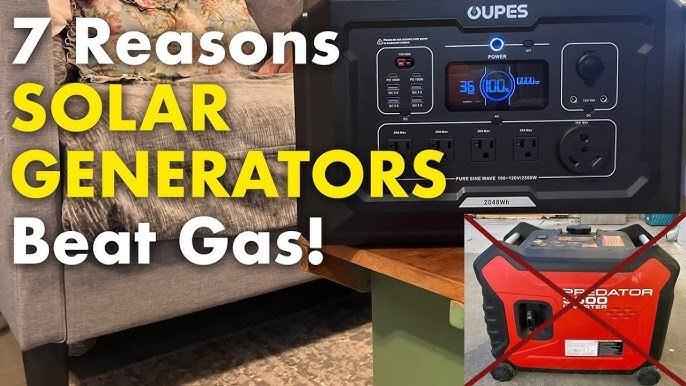
Are you tired of the constant hum of your gas generator? Or perhaps you’re seeking a more eco-friendly solution to power your home during outages or while camping?
The debate between solar generators and traditional gas generators is heating up, and for a good reason. Both have their advantages, but which one truly meets your needs? Imagine a generator that’s quiet, environmentally friendly, and potentially more cost-effective in the long run.
Intrigued? You should be. As you dive into this article, you’ll discover the key differences between solar and gas generators, helping you make an informed decision that could transform your power experience. Stay tuned, because what you learn might just change the way you think about powering up.

Credit: solarsme.com
Solar Generators: An Eco-friendly Alternative
Solar generators offer a clean and renewable energy source. They produce no emissions, making them environmentally friendly. Compared to gas generators, they operate quietly and require less maintenance.
Solar Generators: An Eco-Friendly Alternative Switching to solar generators offers a sustainable way to power your life. Unlike traditional gas generators, they harness renewable energy without contributing to pollution. But how exactly do they stand out as an eco-friendly alternative?Harnessing The Sun’s Power
Solar generators capture energy directly from the sun. They convert sunlight into electricity using photovoltaic cells, storing it in built-in batteries. This process is not only silent but also limitless as long as the sun shines. Imagine a camping trip where you rely on the sun instead of noisy gas generators. The peace and quiet enhance your experience while knowing you’re utilizing a renewable resource. Have you ever thought about how much sun you could be harnessing from your own backyard?Emissions And Environmental Impact
Solar generators have a clear advantage over gas generators when it comes to emissions. They produce no harmful gases or pollutants, significantly reducing your carbon footprint. This makes them a cleaner choice for both short-term use and long-term environmental health. In contrast, gas generators emit carbon monoxide, nitrogen oxides, and particulate matter. These pollutants can harm both the environment and your health. By choosing solar, you contribute to cleaner air and a healthier planet. Switching to solar generators is not just an eco-friendly choice; it’s a step toward a sustainable future. Are you ready to make the change for a cleaner tomorrow?Gas Generators: Traditional Energy Source
Gas generators have been a reliable energy source for years. Yet, solar generators offer a cleaner, renewable alternative. They provide eco-friendly power, reducing carbon emissions significantly.
Fuel Consumption And Efficiency
Gas generators rely on gasoline or diesel, which can be readily available but also costly. You might find yourself making frequent trips to the gas station, especially during prolonged use. This not only adds up in fuel costs but also in time spent managing your generator’s fuel needs. The efficiency of gas generators varies widely. Some models guzzle fuel, while others sip it more conservatively. Consider your typical usage patterns—do you need a generator for occasional outages or continuous use? This can significantly impact your fuel consumption and, consequently, your wallet.Pollution Concerns
Gas generators emit pollutants, including carbon monoxide, which can be harmful if not properly ventilated. Remember the importance of operating them in well-ventilated areas to prevent dangerous fumes from accumulating. Moreover, their carbon footprint is a growing concern in today’s eco-conscious world. Are you comfortable contributing to pollution, or are you seeking greener alternatives? This question becomes especially relevant when considering the environmental impact of your energy choices. In the end, it’s about weighing the convenience of gas generators against their environmental and financial costs. Are you ready to explore other options, or does the traditional path still hold its allure?Cost Comparison: Solar Vs Gas
Solar generators offer cost savings over time, reducing monthly energy bills. In contrast, gas generators incur ongoing fuel costs. Solar’s initial investment pays off with sustainability and lower long-term expenses.
Cost Comparison: Solar vs Gas Choosing between solar generators and gas generators often boils down to cost. Understanding the financial implications can help you make an informed decision. Let’s break down the costs involved in both options.Initial Investment
The upfront cost is one of the most significant factors to consider. Solar generators generally require a higher initial investment. You might spend more on panels, batteries, and installation. Gas generators, on the other hand, usually have a lower purchase price. You can find models that fit tighter budgets without the need for professional setup. However, before you make a decision, think about your long-term goals. Are you looking for a quick solution or a sustainable investment?Long-term Savings
Solar generators shine when it comes to long-term savings. Once installed, they rely on free solar energy, drastically reducing ongoing costs. Gas generators require regular fuel purchases. Prices can fluctuate, leading to unpredictable expenses over time. Consider maintenance as well. Solar generators need minimal upkeep compared to gas, which may require frequent service checks. Imagine not worrying about fuel costs or maintenance. Wouldn’t it be nice to have a system that pays for itself over time? A well-planned solar investment can offer peace of mind. But is the initial cost worth the future savings to you?Performance And Reliability
Solar generators offer clean and quiet energy, making them a reliable choice. Gas generators, though powerful, can be noisy and require constant fuel. Both have their strengths, but solar is more sustainable and low-maintenance.
When considering whether solar generators are better than gas, performance and reliability are critical factors to weigh. Solar generators have risen in popularity due to their eco-friendly nature, but do they truly stand up to gas generators when it comes to consistent power output and operational resilience? Let’s dive into the specifics of each to see how they compare.Power Output And Consistency
Solar generators rely on sunlight to generate power. This means their output can vary significantly depending on the time of day and weather conditions. On bright, sunny days, you can expect optimal performance. However, during cloudy or rainy periods, power output can drop. This inconsistency can be a challenge if you need a reliable power source for essential appliances or during emergencies. Gas generators, on the other hand, provide a more predictable power output. As long as you have a steady supply of fuel, you can expect consistent energy. This reliability makes them a preferred choice for many who can’t afford any interruptions in power supply. However, it’s worth considering the environmental impact and ongoing fuel costs, which might make solar a more attractive option despite its variability.Weather And Operational Challenges
Solar generators are heavily dependent on weather conditions. They thrive in sunny climates but can struggle in regions with frequent cloud cover or long winters. This dependency can be a deal-breaker for those living in less sunny areas. During a personal camping trip, I found my solar generator struggling as the clouds rolled in, forcing me to reconsider my reliance on solar alone. Gas generators, by contrast, are less affected by weather. Their operation is straightforward and unaffected by cloudy skies or snowstorms. However, they do require regular maintenance and can be quite noisy, which may not be ideal for every situation. So, what should you prioritize—consistent performance or environmental impact? Each has its pros and cons, and your choice will depend on your specific needs and circumstances. Are you ready to embrace the unpredictable nature of solar for a cleaner planet, or is the dependability of gas still worth the trade-offs for you?Maintenance And Lifespan
When considering the switch from gas to solar generators, understanding maintenance and lifespan is crucial. Solar generators promise a cleaner energy source, but how do they stack up against the traditional gas option in terms of durability and upkeep? If you’ve ever wondered whether solar generators truly offer a hassle-free experience, this section aims to shed light on the reality of maintaining these power solutions over time.
Durability And Wear
Solar generators boast impressive durability due to fewer moving parts compared to gas generators. This means less wear and tear over time. Imagine not having to worry about oil changes or spark plug replacements. Solar panels and their associated components are built to last, often with warranties extending up to 25 years. Your solar generator can be a reliable partner in your energy needs without constant repairs.
Gas generators, on the other hand, are susceptible to mechanical failures due to their complex internal combustion engines. Regular usage can lead to parts wearing out or breaking down, requiring frequent attention. This can be a significant inconvenience, especially if you’re not mechanically inclined.
Repair And Upkeep Needs
Maintaining a solar generator is relatively straightforward. You might find yourself simply cleaning the solar panels occasionally to ensure maximum efficiency. This ease of upkeep can save you both time and money. The simplicity of solar technology means fewer repair worries, leaving you with peace of mind.
Gas generators demand more attention. Regular maintenance schedules include oil changes, air filter replacements, and spark plug checks. These tasks can accumulate costs and time, making solar seem like a more appealing option. Is the convenience of solar worth the initial investment? Many users find that the reduced upkeep needs make it a worthwhile choice.
Ultimately, the decision between solar and gas generators might boil down to how much time and effort you’re willing to invest in maintenance. Do you prefer a low-maintenance option that keeps your energy source uninterrupted? Or are you comfortable with the hands-on approach that gas generators require? Consider your lifestyle and energy needs as you weigh the options.

Credit: www.youtube.com
Energy Independence And Security
Energy independence and security have become vital in today’s world. Solar generators offer a cleaner, more sustainable option compared to gas-powered ones. They harness the sun’s energy, reducing reliance on fossil fuels. This shift towards renewables empowers users with more control over their energy sources.
Off-grid Capabilities
Solar generators excel in off-grid situations. They convert sunlight into power without connection to the main grid. This capability is ideal for remote locations or areas with frequent outages. Users can enjoy continuous energy without the limitations of traditional systems.
Emergency Preparedness
Solar generators enhance emergency preparedness. They provide reliable power during natural disasters or unexpected outages. Their ability to store energy ensures availability when it’s most needed. Unlike gas generators, they don’t rely on fuel supplies, which may be disrupted.
Future Trends In Generator Technology
Generator technology is evolving rapidly. Both solar and gas generators see remarkable advancements. These changes influence how we produce and use energy. Staying updated with these trends is crucial. They impact both consumers and the environment. Understanding these trends helps in making informed choices.
Innovations In Solar Tech
Solar technology is advancing at a fast pace. Panels are becoming more efficient. They can convert more sunlight into electricity. This means smaller panels can produce more power. Battery storage systems are also improving. This allows for storing more energy for use later.
Portable solar generators are gaining popularity. They offer clean energy options on the go. New materials are being used in panels. These materials make them lighter and more durable. Smart technology integration is another trend. It allows for better monitoring and control of energy usage.
Advancements In Gas Systems
Gas generator technology is also advancing. New models are more fuel-efficient. This reduces operational costs and environmental impact. Noise reduction technology is improving. Quieter generators are now available for residential use.
Hybrid systems are becoming more common. They combine gas and battery power. This provides a reliable backup during power outages. Innovations focus on reducing emissions. This is crucial for meeting environmental standards. Enhanced safety features are now standard in newer models.

Credit: iallpowers.com
Frequently Asked Questions
What Are The Disadvantages Of A Solar Generator?
Solar generators have high upfront costs and limited power capacity. They depend on sunlight, which is inconsistent. Battery life can degrade over time. They aren’t ideal for high-energy appliances and require significant space for solar panels.
Should I Get A Solar Or Gas Generator?
Consider your needs and budget. Solar generators are eco-friendly and quiet, ideal for low power usage. Gas generators provide higher output but require fuel and emit noise. Assess your power requirements and environmental concerns before choosing.
How Long Will A 2000 Watt Solar Generator Run A Fridge?
A 2000 watt solar generator can run a fridge for approximately 10 to 20 hours. Duration depends on the fridge’s wattage and energy efficiency. Ensure the generator is fully charged and conditions are optimal to maximize performance. Regular monitoring can help extend the runtime.
Do Solar Generators Work On Cloudy Days?
Yes, solar generators work on cloudy days. They generate less power due to reduced sunlight. Efficient solar panels still capture diffused light. Battery storage helps maintain energy availability. Consider higher capacity panels for cloudy regions. Regular maintenance ensures optimal performance in varying weather conditions.
Conclusion
Solar generators offer clean and quiet energy. Gas generators provide power but with noise and fumes. Both types have their strengths and weaknesses. Solar is great for eco-friendly users. Gas is reliable for heavy-duty tasks. Choose based on your needs and lifestyle.
Consider cost, efficiency, and environmental impact. Think about long-term benefits. Make a smart choice for your home or business. Each option serves different purposes. Decide what matters most to you. Energy efficiency? Cost savings? Minimal environmental impact? Your choice reflects your priorities and values.