Are you tired of power outages disrupting your daily routine? Or perhaps you’re looking for a more sustainable way to power your home or outdoor adventures?
If so, you might have stumbled upon solar generators as a potential solution. But are solar generators effective, and do they really live up to the hype? Before you make a decision, it’s crucial to understand how these devices work and whether they can truly meet your energy needs.
We’ll dive into the ins and outs of solar generators, reveal their benefits, and discuss any limitations they may have. Keep reading to discover if a solar generator could be the game-changer you’ve been searching for in your quest for reliable, eco-friendly power.
Solar Generators Explained
Solar generators offer a sustainable energy solution, harnessing sunlight to produce electricity. They are efficient for powering small devices and essential appliances, especially during emergencies or off-grid adventures. Their effectiveness depends on sunlight availability and the system’s capacity.
Understanding the effectiveness of solar generators starts with knowing what they are and how they function. These devices harness the sun’s energy and convert it into electricity, providing a renewable and often portable power source. They are increasingly popular for home use, camping trips, and emergency backup. But what exactly makes them tick?What Is A Solar Generator?
A solar generator is essentially a compact power system. It includes solar panels, a battery storage system, and an inverter. The solar panels capture sunlight and convert it into electrical energy. This energy is then stored in the battery and converted into usable electricity by the inverter. Think of it as a mini power station, ready to supply you with clean energy whenever you need it.How Do Solar Generators Work?
The process is surprisingly straightforward. The solar panels absorb sunlight and transform it into direct current (DC) electricity. The electricity then travels to the battery, where it’s stored for later use. The inverter steps in when you need to power devices, converting the stored DC electricity into alternating current (AC), which is the type of electricity most appliances use. Have you ever experienced a power cut and wished you had an alternative? This is where solar generators shine—providing reliable backup without the noise and fumes of traditional generators.Benefits Of Using Solar Generators
One of the biggest advantages is their environmental impact. They produce no emissions, making them a green energy solution. Additionally, they offer independence from the grid, which can be a lifesaver in remote areas or during outages. Imagine being at a campsite far from civilization but still able to charge your phone or power a small fridge. Plus, they require minimal maintenance, reducing long-term hassles and costs.Are There Any Limitations?
Despite their benefits, solar generators aren’t without drawbacks. Their efficiency largely depends on sunlight availability, which can be inconsistent in certain regions or seasons. They also have a limited power capacity compared to conventional generators, making them less ideal for high-energy appliances. This begs the question: Are solar generators the right fit for your needs, or are you better off with a hybrid solution?Choosing The Right Solar Generator
Selecting a solar generator involves assessing your power needs and budget. Consider what devices you’ll power and how long you need them to run. Some models offer expandable battery options, which can be a smart investment if you foresee growing energy demands. Ask yourself, how much flexibility do you want in your power source? By understanding these key aspects, you can make an informed decision about whether a solar generator is the right choice for you.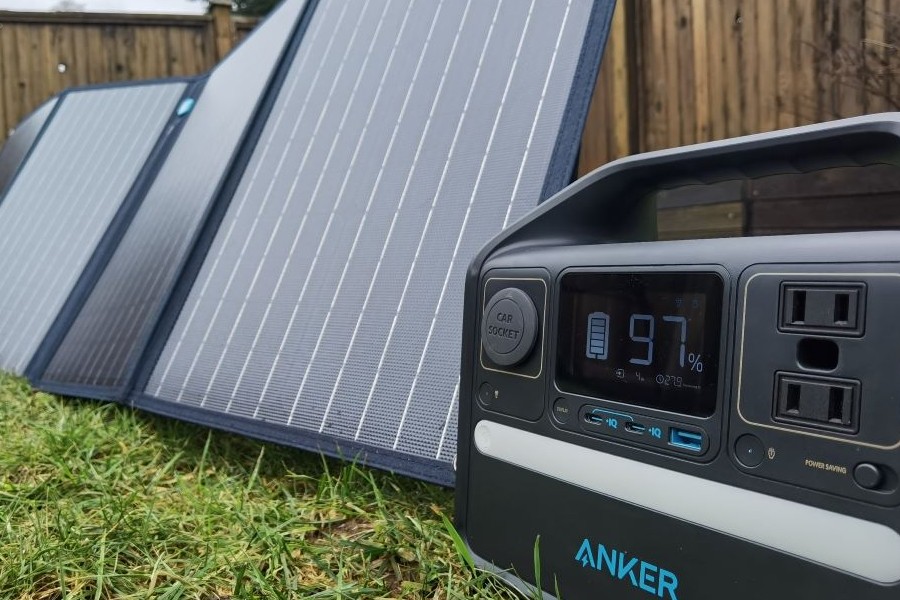
Credit: www.harlemworldmagazine.com
How Solar Generators Work
Understanding how solar generators work can simplify your energy choices. They convert sunlight into electricity, storing it for later use. Let’s explore the process in more detail.
Components And Design
Solar generators consist of several key components. The solar panels capture sunlight. These panels are often made of silicon cells. They are designed to absorb and convert sunlight into electricity. The charge controller manages the flow of energy. It prevents overcharging the batteries. This ensures a longer lifespan for the system. Inverters play a crucial role too. They convert direct current (DC) into alternating current (AC). This conversion is necessary for home appliances.
Energy Conversion Process
The energy conversion process starts with the solar panels. Sunlight hits the panels, creating an electrical charge. This charge produces direct current electricity. The charge controller regulates this energy. It sends the electricity to the battery for storage. The inverter then converts DC into AC. This makes the electricity usable for various devices. This entire process is efficient and eco-friendly.
Storage Capabilities
Storage capabilities depend on the battery system. Most solar generators use lithium-ion batteries. These batteries are lightweight and durable. They store energy for use during cloudy days or at night. The capacity of the battery affects how long power is available. Larger batteries store more energy. This provides longer backup during power outages.
Advantages Of Solar Generators
Solar generators offer renewable energy, reducing electricity bills and environmental impact. They provide quiet, portable, and dependable power, making them effective for home use and outdoor activities.
Solar generators are becoming increasingly popular due to their numerous advantages. They offer a sustainable way to harness energy, making them a smart choice for the eco-conscious. Beyond their green credentials, solar generators bring cost savings and unmatched convenience to the table.Environmental Benefits
Solar generators are a clean energy source that significantly reduces your carbon footprint. By using the sun’s energy, you help decrease reliance on fossil fuels, which are harmful to the environment. Imagine enjoying your camping trip knowing your energy source is not polluting the pristine nature around you.Cost Savings
Once you invest in a solar generator, the sun provides free energy. This can lead to considerable savings on your electricity bills over time. Plus, with fewer moving parts than traditional generators, maintenance costs are often lower.Portability And Convenience
Solar generators are typically compact and lightweight, making them easy to transport. Whether you’re going on a road trip or setting up an outdoor event, they provide hassle-free power on the go. Have you ever wished for a reliable power source during a blackout? With a solar generator, you have a portable backup ready to go. These advantages make solar generators a practical choice for anyone looking to embrace sustainable living while enjoying modern conveniences. How could a solar generator fit into your lifestyle?Limitations Of Solar Generators
Solar generators depend on sunlight, making them less reliable during cloudy days or at night. Their energy storage capacity is often limited, restricting power supply for high-demand devices. Initial setup costs can be high, posing a challenge for budget-conscious users.
Solar generators have become increasingly popular as a clean energy solution. However, they are not without their limitations. Understanding these limitations can help you decide if a solar generator is right for your needs.Weather Dependency
Solar generators rely heavily on sunlight to produce energy. This means their efficiency can drop significantly on cloudy or rainy days. If you live in a region with unpredictable weather, relying solely on a solar generator might not meet your energy needs. Imagine planning a camping trip, counting on your solar generator for power, only to encounter a week of overcast skies. You’d probably find yourself rethinking your backup plan. The dependency on weather makes it crucial to have alternative energy sources or storage options.Energy Output Limits
Solar generators are often limited in the amount of energy they can produce. They are typically suitable for small devices like phones or laptops but struggle with high-energy appliances. Consider trying to power a refrigerator or an electric heater. A solar generator may not have the capacity to handle such demands, leaving you in the lurch if you’re not careful about managing your energy usage. Knowing your energy needs is essential before investing in a solar generator.Initial Investment Costs
The upfront cost of a solar generator can be quite steep. While they save money on electricity bills in the long run, the initial expense can be a barrier for many. Think about making a significant purchase—like a car or a major appliance—without knowing how often you’ll be able to use it. You might hesitate, right? Similarly, the cost of a solar generator requires a careful assessment of your budget and energy needs to determine if it’s a feasible option for you.Comparing Solar Generators To Traditional Ones
Solar generators are gaining popularity as eco-friendly power sources. They offer a clean alternative to traditional generators, which rely on fossil fuels. Comparing these two types gives insights into their differences in efficiency, use cases, and long-term value. Understanding these aspects helps in making informed decisions for energy needs.
Efficiency Differences
Solar generators convert sunlight into electricity using solar panels. Their efficiency depends on sunlight availability and panel technology. Traditional generators use fuel to produce power, often providing consistent output. Solar generators are quieter and produce no emissions, while traditional ones can be noisy and polluting. In sunny conditions, solar generators can be highly efficient.
Use Case Scenarios
Solar generators are ideal for outdoor activities, camping, and remote areas. They are lightweight and easy to transport. Traditional generators are suitable for heavy-duty tasks and situations with high power demands. In emergency situations, traditional generators might be more reliable. Solar generators are perfect for small devices and low energy needs.
Long-term Value
Solar generators have lower operating costs due to free sunlight. Over time, they offer savings with minimal maintenance. Traditional generators incur ongoing fuel costs and require regular maintenance. Solar generators contribute to reducing carbon footprint. They provide a sustainable option with long-term benefits. Initial investment in solar technology pays off through energy savings.

Credit: uk.vtoman.com
Popular Models And Brands
Solar generators have become increasingly popular as eco-friendly alternatives to traditional power sources. With numerous models and brands available, it can be challenging to decide which one suits your needs best. Understanding the top picks and examining performance reviews and customer feedback can help you make an informed decision.
Top Picks In The Market
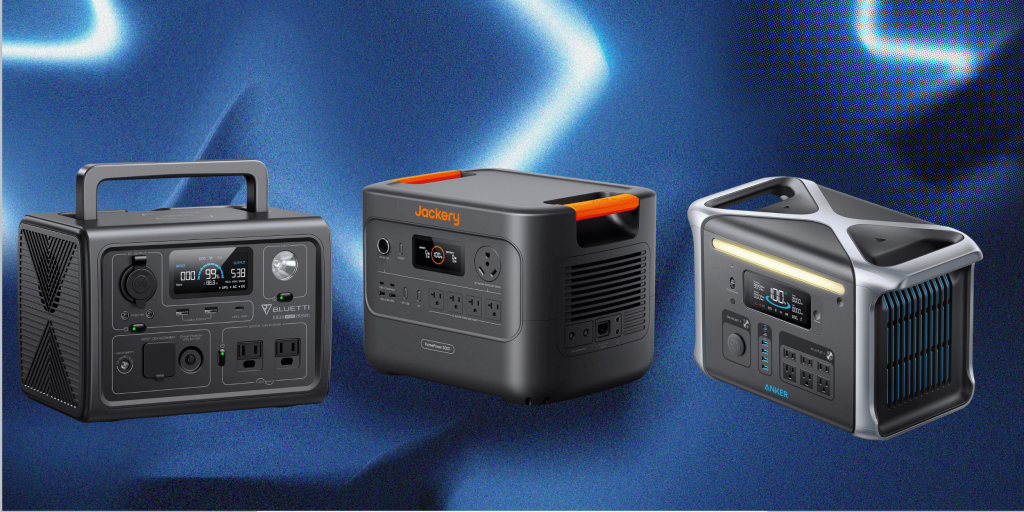
- Goal Zero Yeti 1500X: Known for its robust design and high capacity, this model offers 1500Wh of power, making it ideal for both home backup and outdoor adventures.
- Jackery Explorer 1000: A favorite among campers and travelers, this portable generator offers a user-friendly experience with its lightweight build and efficient solar panel compatibility.
- Bluetti AC200P: With a massive 2000Wh capacity, Bluetti’s model is perfect for those requiring substantial power output for longer periods.
Each of these models brings unique features tailored to different needs, from portability to high-power capacity. Which one catches your eye?
Performance Reviews
Assessing performance is crucial when selecting a solar generator. The Goal Zero Yeti 1500X is praised for its reliability and durability, especially in harsh weather conditions. Users appreciate its seamless integration with various solar panels.
Meanwhile, Jackery Explorer 1000 stands out with its fast charging capabilities and intuitive interface. Bluetti AC200P impresses with its ability to power heavy-duty appliances, though it may be slightly bulkier than others.
Have you considered how these features align with your daily power requirements?
Customer Feedback
Customer reviews provide real-world insights into the usability and longevity of solar generators. Many users commend the Goal Zero Yeti for its dependable performance during power outages. Jackery Explorer receives accolades for its lightweight design, making it ideal for on-the-go usage.
Bluetti AC200P users often highlight its impressive capacity for prolonged use, though some mention its weight as a minor drawback. Hearing from fellow users can guide you towards the most suitable choice.
What do you prioritize: portability, power, or ease of use? Consider what others have experienced to refine your decision-making process.
Future Of Solar Generators
Solar generators are increasingly effective for clean energy solutions. They convert sunlight into electricity, providing eco-friendly power. This technology is ideal for reducing carbon footprints and ensuring sustainable energy use.
The future of solar generators promises exciting developments. These devices are key to clean energy solutions. As technology advances, solar generators are becoming more efficient. Their role in sustainable energy is crucial.Technological Advancements
Solar generators benefit from rapid technological progress. New materials improve energy conversion rates. Enhanced battery storage extends usage time. Smart features optimize energy management. These innovations make solar generators more user-friendly. They also increase reliability and efficiency.Market Growth Predictions
The demand for solar generators is rising. Consumers seek eco-friendly energy options. Market analysts predict growth in this sector. Government incentives boost solar generator adoption. As costs decrease, more people can afford them. This trend supports a cleaner future.Impact On Energy Policies
Solar generators influence energy policies worldwide. Policymakers aim to reduce carbon footprints. Renewable energy sources gain importance. Solar technology plays a significant role. It supports energy independence and sustainability. Regulations favor clean energy solutions, including solar generators. This shift impacts global energy strategies.
Credit: www.facebook.com
Frequently Asked Questions
What Are The Downsides Of Solar Generators?
Solar generators can be expensive upfront. Their energy storage capacity is limited. They rely on sunlight, making them less effective in cloudy or nighttime conditions. They require space for solar panels. Battery lifespan can be a concern.
Is It Worth Getting A Solar Generator?
Yes, solar generators are worth it for eco-friendly, portable energy solutions. They reduce electricity bills and provide backup power. Ideal for outdoor activities and emergencies, they offer clean, renewable energy. They require minimal maintenance and operate quietly. Choose a solar generator based on your energy needs and budget.
Can Solar Generators Power A House?
Yes, solar generators can power a house. Their capacity depends on the generator size and energy needs. Large systems can support essential appliances and lighting. For complete house power, solar panels with battery storage are often required. Evaluate energy consumption before investing in a solar generator for your home.
How Long Will A 2000 Watt Solar Generator Run A Fridge?
A 2000 watt solar generator can run a fridge for 24 hours, depending on fridge efficiency. Most fridges use 100-800 watts, influencing duration. Consider battery capacity, solar panel efficiency, and sunlight availability for accurate estimates. Regularly check energy consumption to optimize performance and ensure continuous operation.
Conclusion
Solar generators offer a practical energy solution. They harness sunlight efficiently. Many people find them useful and reliable. They are eco-friendly, reducing carbon footprints. Easy to set up, they suit homes and travel. They provide power during outages. Battery storage enhances their effectiveness.
Costs are declining, making them more accessible. Consider your energy needs before purchasing. Compare models and features carefully. Solar generators can meet various power needs. They serve as a sustainable choice. Evaluate long-term benefits for better decisions. Stay informed about new technologies.
Solar power can illuminate your future.