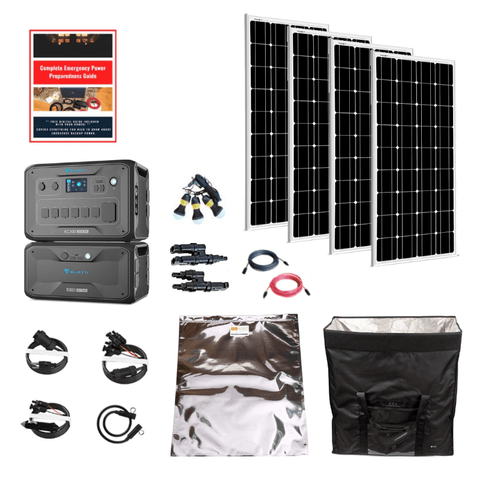
Imagine a world where your lights stay on, even when chaos reigns outside. You rely on your devices daily, but what happens when an electromagnetic pulse (EMP) threatens to disrupt everything?
You might wonder if solar generators, hailed for their eco-friendly power, can withstand such an event. Are solar generators EMP proof? This question might be the key to securing your peace of mind in uncertain times. We’ll dive deep into the heart of solar technology and its resilience against EMPs.
Understanding this could be the difference between being prepared and being left in the dark. You’ll discover what makes solar generators tick, and if they can keep ticking when the stakes are high. Let’s explore whether your investment in solar power is not just a step towards sustainability, but also a safeguard against the unpredictable. Read on to find out how you can make informed choices for your future.
Credit: solarpowerstore.ca
Solar Generators And Emps
Solar generators may not be entirely EMP proof, but some can resist minor electromagnetic pulses. Special shielding techniques enhance protection against EMPs. Consider models with built-in safeguards for added security.
Solar generators are becoming popular. Many people wonder about their durability. One important question is: Are they EMP proof? Let’s dive into this topic and understand more.What Is An Emp?
An EMP is an electromagnetic pulse. It can come from a nuclear explosion or a solar storm. EMPs can damage electronic devices. They create a surge of energy that can fry circuits.How Emps Affect Electronics
Most electronics are vulnerable to EMPs. The pulse can break their circuits. This stops them from working. Solar generators have electronic parts. This makes them at risk during an EMP.Are Solar Generators Emp Proof?
Most solar generators are not EMP proof. Their electronic components can be damaged. Some companies claim their products are EMP proof. But, it’s hard to test this claim. Real EMP events are rare.Protecting Solar Generators From Emps
There are ways to protect solar generators. Use a Faraday cage. It blocks the electromagnetic pulse. Store the generator inside when not in use. This can help keep it safe during an EMP event.Why Consider An Emp-proof Option?
Having a working generator after an EMP is crucial. It can provide power during emergencies. If you live in an area prone to solar storms, consider an EMP-proof generator. It offers peace of mind.Understanding Emp Events
Exploring the durability of solar generators against EMP events is vital. Most solar generators are not inherently EMP proof. Special shielding or protective measures are necessary to safeguard them.
Types Of Emps
There are three main types of EMPs. – Nuclear EMPs: These occur during nuclear explosions. They release a large amount of energy, affecting electronics over vast areas. – Solar EMPs: Also known as geomagnetic storms. These result from solar flares and can disrupt power grids. – Non-nuclear EMPs: These are man-made and can be localized. They include devices designed to emit EMPs for specific purposes.Impact On Electronics
EMP events can severely impact electronics. Sensitive devices are most at risk. They can experience short circuits or complete failure. Power grids and communications systems can also be affected. This can lead to widespread outages and disruptions. Protecting electronics from EMPs is crucial. This involves using shielding methods and EMP-proof equipment.Solar Generator Technology
Solar generator technology is changing how we use renewable energy. These devices convert sunlight into electricity, making them a clean power source. They are gaining popularity for their efficiency and eco-friendliness. Understanding the technology behind solar generators is essential for anyone interested in sustainable energy solutions.
Components Of Solar Generators
Solar generators consist of several key components. The solar panels capture sunlight and convert it into electricity. A battery stores this energy for later use. The inverter changes the stored DC power into AC power. This allows you to use it with household appliances. These components work together to provide a reliable power source.
Power Conversion Process
The power conversion process begins with solar panels. They absorb sunlight and convert it to direct current (DC). This DC power is then stored in the battery. The inverter plays a crucial role next. It converts the DC power to alternating current (AC). This makes the electricity usable for most home devices. The entire process is efficient and eco-friendly.
Emp Vulnerability In Solar Generators
In an age where technology powers nearly every aspect of our lives, the thought of an Electromagnetic Pulse (EMP) disabling our devices can be unsettling. Solar generators, often seen as a beacon of sustainable energy, are not immune to this threat. Understanding the vulnerabilities of these devices to EMPs is crucial for anyone relying on them for power.
Potential Risks
Solar generators, like any other electronic device, are susceptible to the damaging effects of an EMP. The sudden surge of electromagnetic energy can fry circuits, rendering the device useless. If you rely on solar generators for critical functions, this risk becomes even more significant.
The impact isn’t just theoretical; history has shown that EMPs can cause widespread disruption. Imagine a world where your backup energy source is no longer viable. Are you prepared for such an event?
Common Misconceptions
There is a common belief that solar generators are naturally EMP-proof because they harness energy from the sun. This is far from the truth. While solar panels themselves may withstand EMPs, the delicate electronics within the generator are vulnerable.
Some might argue that simple precautions can safeguard these devices. However, without proper shielding, the risk remains high. It’s essential to understand these limitations to avoid being caught off guard during an EMP event.
Are you considering additional protective measures for your solar generator? Understanding its vulnerabilities can guide your next steps. Ensuring your energy solution is robust enough to withstand an EMP is not just wise but necessary.
Testing Emp Resistance
Testing solar generators for EMP resistance is crucial. Most are not naturally EMP-proof and need special shielding. Proper shielding can protect them from electromagnetic pulses, ensuring they function in emergencies.
Testing EMP resistance in solar generators is crucial for survival situations. It ensures the device’s reliability during electromagnetic pulses (EMPs). EMPs can occur naturally or from human-made events. Knowing your generator can withstand such forces offers peace of mind. Testing involves various methods and scenarios. Let’s explore them.Methods For Testing
Testing starts with simulating EMP conditions. Experts use specialized labs to replicate EMP effects. They expose generators to controlled electromagnetic fields. This helps assess the generator’s durability. Another method involves using Faraday cages. These enclosures block electromagnetic fields. By placing a generator inside, one can test its response. Engineers also use pulse generators. These devices produce short, powerful electric surges. It helps evaluate how well a solar generator can cope with sudden spikes.Real-world Scenarios
Real-world scenarios provide practical insights. Imagine a solar generator during a solar storm. Scientists recreate these conditions to test resilience. This shows how the generator performs in natural EMP events. Another scenario involves nuclear detonations. Though rare, they release powerful EMP waves. Simulating this helps understand potential impacts on generators. Testing in urban environments is also crucial. Cities have high electromagnetic interference. Assessing generator performance in such areas ensures reliability. Real-world testing prepares for unexpected challenges. It confirms the generator’s ability to function post-EMP. Knowing your generator can endure these scenarios boosts confidence. It ensures continuous power supply during critical times.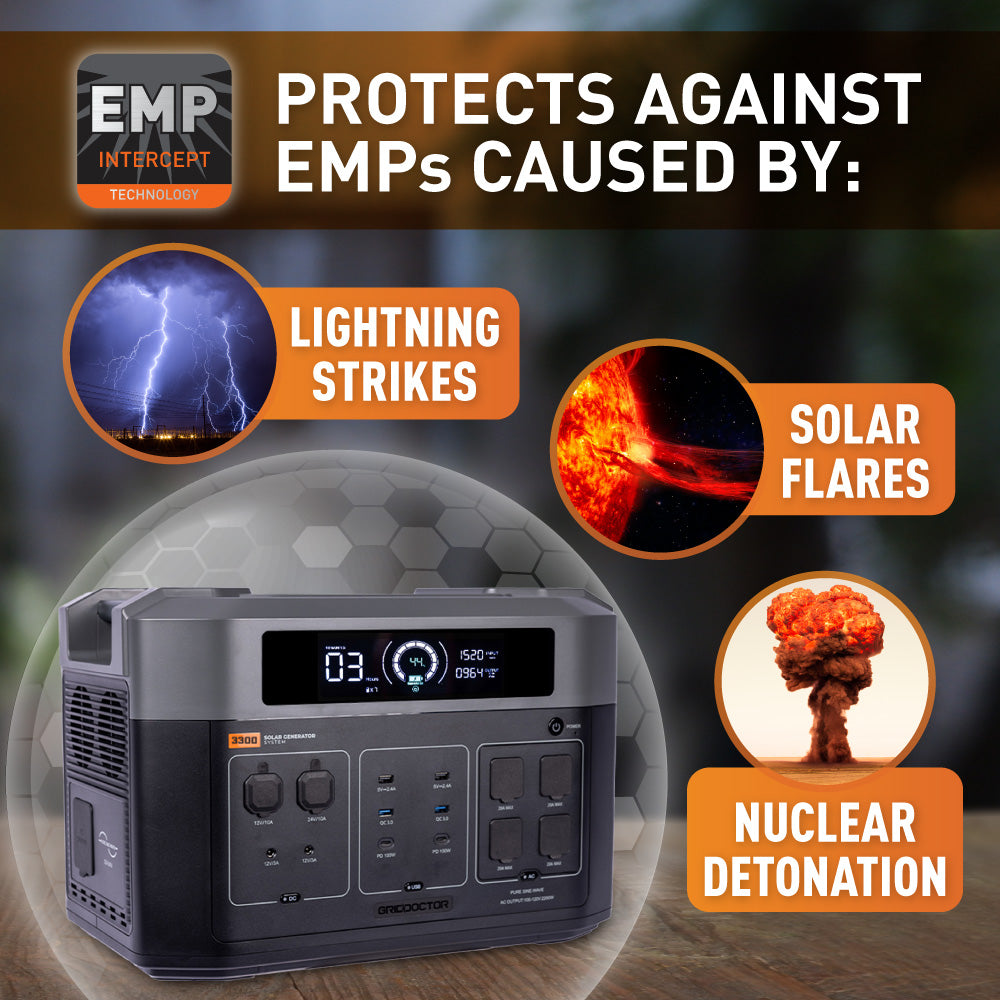
Credit: www.beprepared.com
Protecting Solar Generators
Protecting solar generators from electromagnetic pulses (EMP) is a critical consideration for anyone relying on solar power for energy security. While solar generators offer a sustainable and reliable energy source, they are vulnerable to EMP events, which can damage or destroy electronic components. Ensuring your solar generator is EMP-proof not only safeguards your investment but also guarantees your power supply during emergencies.
Shielding Techniques
Shielding your solar generator involves using materials that can block or absorb electromagnetic waves. Metals like copper and aluminum are excellent choices for shielding. You might consider wrapping your generator components in these materials or creating a barrier around them.
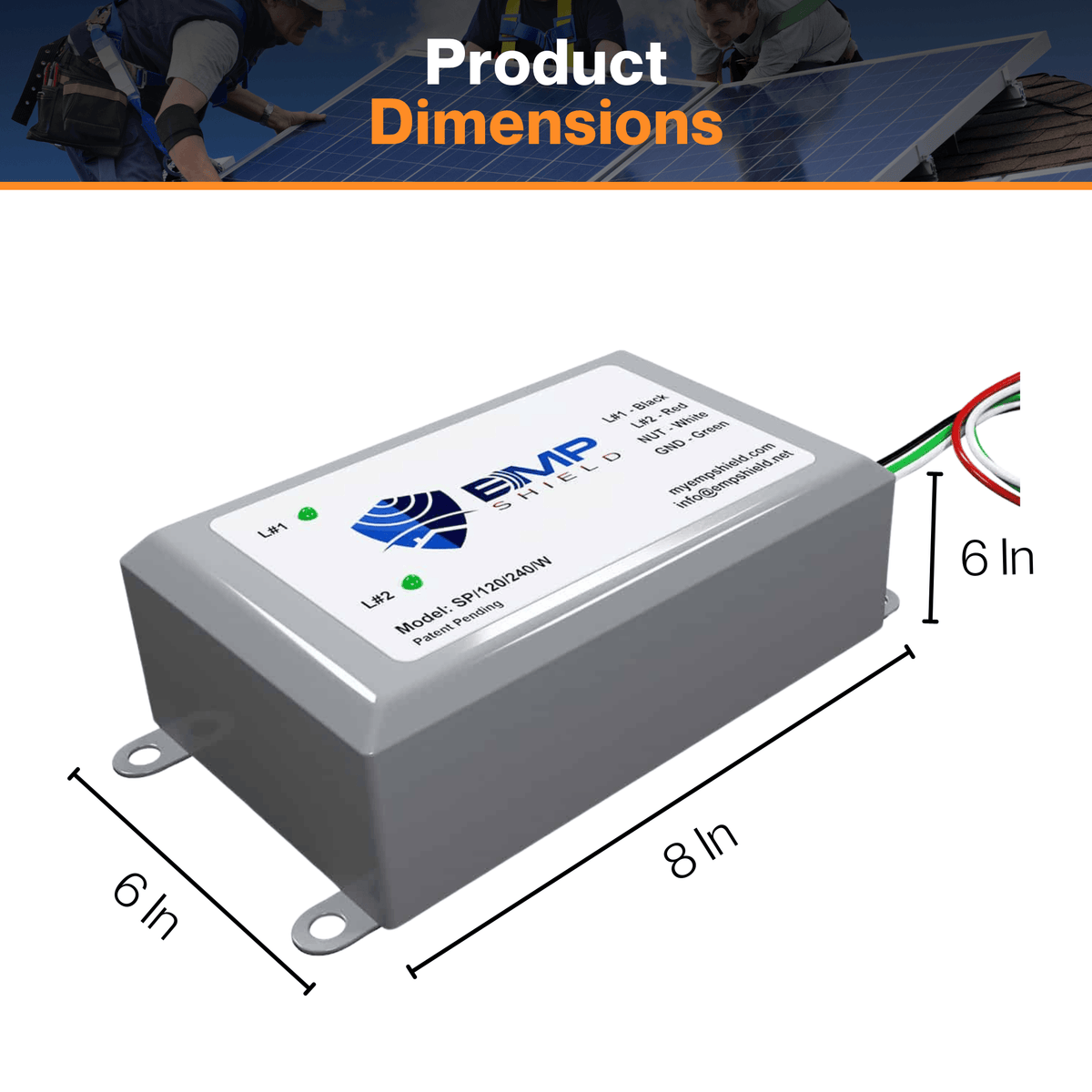
Another option is to use an EMP shield, which is specifically designed to protect electronics from EMP damage. These shields can be applied directly to your generator or its components, providing an added layer of protection. Have you ever wondered how a simple metal enclosure can protect your complex electronic equipment?
Faraday Cage Solutions
A Faraday cage is one of the most effective ways to protect your solar generator from EMPs. It works by redistributing electromagnetic energy around its exterior, keeping the internal components safe. You can create a DIY Faraday cage using metal containers or mesh.
Ensure that the cage is completely sealed and grounded for maximum effectiveness. Even a small gap can reduce its protective capabilities. Consider using this method to safeguard not just your solar generator, but other crucial electronics as well. Are you ready to take your energy security to the next level?
Alternatives To Solar Generators
Exploring alternatives to solar generators can provide diverse energy solutions. Wind turbines and hydropower offer reliable energy sources. Portable gas generators and battery storage systems are also viable options.
If you’re considering energy solutions that can withstand an EMP event, solar generators might be on your list. But are they truly EMP-proof? The answer isn’t straightforward. While solar generators offer a clean and renewable source of power, there are other alternatives that may provide more reliable protection against electromagnetic pulses. Let’s explore some of these options.Emp-proof Energy Solutions
When thinking about EMP-proof energy solutions, it’s essential to consider systems that have minimal electronic components. Old-school mechanical generators, for instance, can be less vulnerable to EMP attacks. These generators operate without the sophisticated electronics that are often susceptible to damage during such events. You might also look into battery systems that are specifically designed to withstand EMPs. These batteries are often shielded with special materials that can help prevent damage. It’s worth researching brands that emphasize EMP resilience in their product design. Have you ever thought about using manual systems? Hand-crank generators and other manual devices offer a unique advantage—they don’t rely on electronic components at all, making them naturally resistant to EMPs.Hybrid Systems
Hybrid systems can offer a balanced approach, combining the benefits of solar power with other energy sources. Imagine a system that uses solar panels alongside a diesel generator. This setup can provide flexibility and reliability, ensuring you have power even if one part of the system fails. Consider systems that integrate wind power as well. Wind turbines paired with solar panels can create a robust, diverse energy solution. The redundancy in hybrid systems means you can still generate power even if one component is compromised. Have you ever tried integrating energy storage solutions like lead-acid batteries in your hybrid systems? These batteries are known for their durability and can be a reliable backup when solar panels face potential EMP-related issues. Thinking about these alternatives, what steps are you willing to take to secure your energy sources against unforeseen events?
Credit: shopsolarkits.com
Frequently Asked Questions
Can A Solar Generator Survive An Emp Attack?
A solar generator may not survive an EMP attack without proper shielding. EMPs can damage electronic components. Protect your generator with a Faraday cage or EMP protection bag to increase its chances of survival. Regularly check and maintain your equipment for better durability against potential threats.
How Do I Protect My Solar Generator From An Emp?
Protect your solar generator from an EMP by using a Faraday cage. Ensure it’s properly grounded and sealed. Consider storing critical components in metal containers. Regularly check the cage for any damage or openings. Investing in surge protectors can also add an extra layer of security.
Can You Emp Proof A Solar System?
Yes, you can EMP proof a solar system. Use Faraday cages and surge protectors to shield components. Protect wiring with metal conduits. Ensure backup batteries are in secure enclosures. Regular maintenance helps sustain protection. Consider professional consultation for thorough EMP protection.
What Vehicles Will Still Run After An Emp?
Older vehicles without electronic ignition systems or computers can run after an EMP. Cars from before the 1980s often survive. Diesel engines with mechanical fuel pumps may also function. Motorcycles with simple electrical systems are less affected. Basic bicycles and non-electric vehicles remain unaffected by EMPs.
Conclusion
Solar generators offer a reliable power source. Their protection against EMPs remains uncertain. Experts suggest additional shielding for safety. Research continues to explore EMP resistance. Consumers should weigh pros and cons. Consider backup systems for peace of mind. Solar generators reduce carbon footprint.
They provide eco-friendly energy solutions. Each purchase supports sustainable living. Choose wisely based on needs and potential risks. Keep updated with new technology developments. Safe energy choices ensure long-term benefits. Solar energy remains a bright option for many. Stay informed to make the best decision.