
Imagine reducing your carbon footprint while keeping the lights on during a power outage. Sounds appealing, right?
That’s the promise of solar generators. As you explore sustainable living options, you might wonder if solar generators are truly beneficial for the environment. You’re not alone in this curiosity. With increasing concerns about climate change, many are turning to solar solutions, but are they as eco-friendly as they seem?
You’ll discover whether solar generators are genuinely good for the environment, or if there are hidden drawbacks you should know. Get ready to uncover the truth that might just change how you power your world.

Credit: greenecodream.com
Benefits Of Solar Generators
Solar generators offer an eco-friendly energy solution, reducing reliance on fossil fuels. They harness clean, renewable energy from the sun, minimizing carbon footprints and promoting sustainable living. With quiet operation and no emissions, they contribute positively to environmental conservation.
Solar generators are becoming increasingly popular as more people seek eco-friendly alternatives to traditional energy sources. Harnessing the power of the sun, these devices offer numerous advantages that benefit both individuals and the environment. Let’s dive into some of the key benefits of solar generators.Clean Energy Source
Solar generators produce energy by capturing sunlight and converting it into electricity. This process is entirely clean, unlike fossil fuels that release harmful pollutants into the air. By using the sun’s energy, you contribute to a cleaner atmosphere and reduce reliance on harmful energy sources. Imagine your home powered by the sun, with no smog or emissions clouding the sky. The simplicity and purity of solar power make it an attractive choice for environmentally conscious individuals. With solar generators, you harness a power source that is abundant and endlessly renewable.Reduced Carbon Footprint
Every solar generator reduces the carbon footprint of its user. Traditional power sources contribute significantly to greenhouse gas emissions, exacerbating climate change. By switching to solar, you actively decrease your contribution to this global issue. Consider the impact if everyone adopted solar generators. The cumulative reduction in emissions could be substantial. You have the power to make a difference, one solar panel at a time.Sustainable Power
Solar energy is not just a temporary solution; it’s a long-term commitment to sustainability. Once installed, solar generators provide a continuous power source without the need for constant maintenance or fuel. This reliability ensures that you have access to power during outages or in remote areas. Think about the freedom of having a sustainable power source that won’t deplete over time. It’s a future-proof way to ensure energy availability without compromising environmental integrity. Have you ever experienced a power outage that left you feeling helpless? With solar generators, you equip yourself with a resilient energy source that stands the test of time.
Credit: www.outdoorlife.com
Components Of Solar Generators
Solar generators are eco-friendly, using solar panels to harness the sun’s energy. They include a battery for storage, an inverter for converting energy, and a charge controller to regulate power. These components work together to provide clean, renewable energy, reducing reliance on fossil fuels.
Solar generators are an eco-friendly solution that harnesses the power of the sun to provide clean, renewable energy. Understanding their components can help you appreciate how they contribute to environmental sustainability. Solar generators consist of three main components: solar panels, battery storage, and inverter systems. Each plays a crucial role in transforming sunlight into usable electricity.Solar Panels
Solar panels are the heart of a solar generator, capturing sunlight and converting it into electricity. They are typically made from silicon, a highly abundant element, making them a sustainable choice. Have you ever felt the sun’s warmth on your skin? That’s the same energy that solar panels capture and convert. Even on cloudy days, solar panels can still collect solar energy, albeit less efficiently. With advancements in technology, newer panels are becoming more efficient, offering more power output for less surface area.Battery Storage
Battery storage is essential for retaining the energy generated by solar panels. It allows you to use solar power even when the sun isn’t shining. Imagine having a backup power source ready whenever you need it—battery storage makes this possible. Lithium-ion batteries are commonly used due to their efficiency and longevity. They store energy during sunny periods, ensuring you have a steady supply during nighttime or overcast days. The environmental benefit? Reduced reliance on fossil fuels and decreased carbon emissions.Inverter Systems
Inverter systems are the unsung heroes that convert the stored energy into a form your home appliances can use. They transform direct current (DC) from solar panels and batteries into alternating current (AC), which powers most household devices. Think of it as translating solar energy into a language your gadgets understand. Inverters also ensure a stable flow of electricity, preventing fluctuations that could damage your electronics. A good inverter system can significantly enhance the efficiency and reliability of your solar generator, making it a vital component for environmental sustainability. Together, these components work seamlessly to reduce your carbon footprint, offering a greener alternative to traditional energy sources. With solar generators, you’re not just saving money; you’re investing in a cleaner, healthier planet.Environmental Impact
The environmental impact of solar generators is a topic worth exploring, especially as the world seeks sustainable energy solutions. Solar generators promise a cleaner, greener alternative to traditional energy sources. But how do they truly measure up in terms of their environmental footprint?
Resource Usage
Solar generators primarily rely on sunlight, a renewable resource that is abundant and free. Unlike fossil fuels, they don’t deplete finite resources or contribute to pollution during energy generation. However, the production of solar panels and batteries involves mining for raw materials like lithium and silicon, which can have significant environmental costs.
Manufacturers are increasingly focusing on sustainable practices to minimize resource usage. As a consumer, you can support companies that prioritize eco-friendly production. Are you aware of the origin of your solar panels?
Waste Management
Proper waste management is crucial for minimizing the environmental impact of solar generators. While the operational phase is clean, end-of-life disposal of solar panels and batteries poses challenges. Recycling programs are essential to handle waste responsibly, but they are not yet widespread.
Consider the longevity and recyclability of the components when choosing a solar generator. Do you know what happens to your solar panels when they reach the end of their life?
Long-term Effects
In the long run, solar generators can significantly reduce greenhouse gas emissions by replacing fossil fuel-based energy. This shift can play a crucial role in combating climate change and promoting air quality. The more people adopt solar power, the greater the collective benefit.
As technology advances, the efficiency and lifespan of solar generators are expected to improve. Are you prepared to invest in a future that embraces sustainable energy?
Comparing Solar Generators To Traditional Power
Solar generators offer a cleaner energy solution compared to traditional power sources. They produce electricity without harmful emissions. This makes them an eco-friendly choice for reducing pollution.
Comparing Solar Generators to Traditional Power As more people look for sustainable energy solutions, the debate between solar generators and traditional power sources becomes increasingly relevant. You may wonder how these options stack up against each other in terms of environmental impact, efficiency, and cost. Let’s dive into the details to help you make an informed decision.Emission Levels
Solar generators shine when it comes to emission levels. Unlike traditional power plants that burn fossil fuels, solar generators harness sunlight, producing clean energy with zero emissions. Think about the long-term benefits: reducing air pollution and minimizing your carbon footprint. Traditional power sources, such as coal and natural gas, release significant amounts of greenhouse gases. These emissions contribute to climate change and deteriorate air quality. By choosing solar generators, you actively participate in creating a cleaner, healthier planet.Energy Efficiency
Solar generators are highly efficient, converting sunlight directly into electricity. They require minimal maintenance and can operate for decades. Have you ever thought about how much energy is wasted in the transmission process of traditional power? Solar generators eliminate this waste by providing energy right where you need it. Traditional power plants, on the other hand, often lose energy during production and transmission. This inefficiency results in more fuel consumption and higher emissions. With solar generators, you enjoy a direct, efficient energy source that supports sustainable living.Cost Analysis
The initial investment for solar generators can be higher than traditional power sources. However, think about the long-term savings. With no fuel costs and minimal maintenance, solar generators can significantly reduce your electricity bills over time. Traditional power sources may seem cheaper upfront, but ongoing fuel and operational costs add up. Additionally, consider the environmental costs associated with fossil fuels. By investing in solar generators, you not only save money but also contribute to a sustainable future. Choosing between solar generators and traditional power is not just an economic decision. It’s about taking a stand for the environment and your future. What choice will you make?Challenges And Limitations
Solar generators offer eco-friendly energy, yet face challenges. They depend on sunlight, which limits power during cloudy days. Initial costs can be high, and storing energy efficiently remains complex.
Solar generators offer a promising solution to environmental issues. They harness clean energy from the sun. Despite their benefits, they face challenges and limitations. These factors affect their efficiency and adoption. Let’s explore some key hurdles.Weather Dependence
Solar generators rely on sunlight. Their effectiveness drops during cloudy days. Nighttime usage also poses a problem. Energy storage solutions can help. Yet, they are costly and still evolving. Weather unpredictability remains a significant challenge.Initial Costs
Setting up solar systems requires a hefty investment. Panels, batteries, and inverters add to the expense. Many homeowners find costs prohibitive. Financial incentives exist but are not universally accessible. The upfront costs can deter potential users.Technological Barriers
Technology in solar generators is still developing. Efficiency rates need improvement. Current models may not harness energy optimally. Innovations are underway but progress is slow. Technological limitations affect widespread adoption and reliability.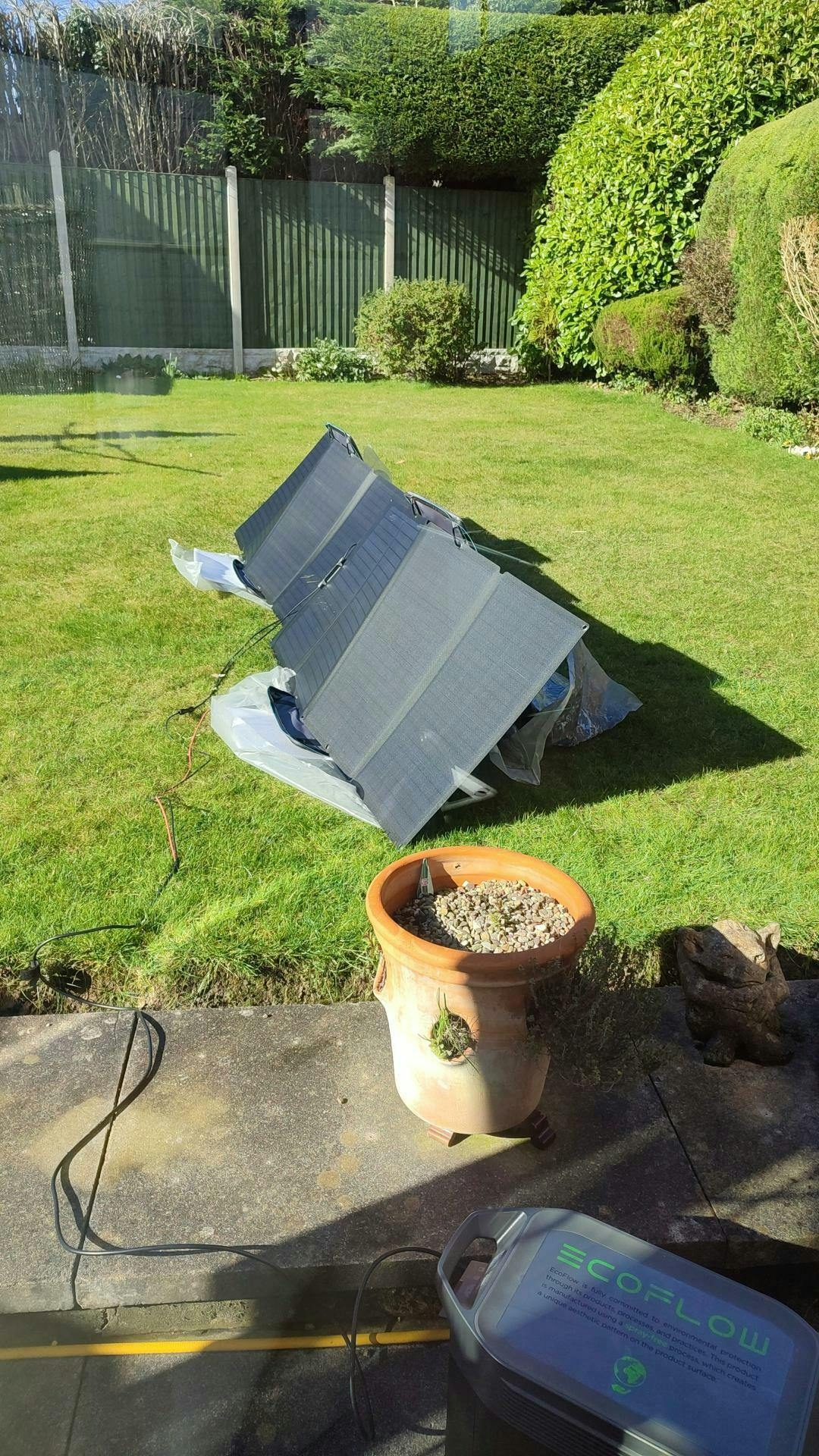
Credit: www.ecoflow.com
Future Prospects
Solar generators are making waves in the green energy sector, offering a cleaner, more sustainable alternative to traditional fossil fuels. But what does the future hold for these eco-friendly power sources? With rapid advancements and an ever-growing market, solar generators are poised to become even more influential in the environmental landscape. Let’s delve into the exciting prospects that lie ahead.
Technological Innovations
The future of solar generators is bright, thanks to continuous technological innovations. Imagine smaller, more efficient panels that can capture sunlight even on cloudy days. The integration of smart technology allows solar generators to optimize energy usage based on real-time data, enhancing efficiency.
These advances are not just theoretical. Companies are already developing lightweight, portable solar panels that can be seamlessly integrated into everyday items. This means your camping gear might soon be equipped with solar cells, powering your gadgets without a hitch.
Market Growth
Solar generators are becoming increasingly popular among consumers seeking sustainable energy solutions. This growing demand is driving market expansion and encouraging more companies to enter the field, spurring competition and innovation.
In recent years, the market for solar generators has witnessed a significant uptick. More people are opting for renewable energy sources, not just for environmental reasons, but also for the long-term cost savings. You might be surprised to learn how accessible and affordable solar generators have become.
Policy Support
Government policies play a crucial role in shaping the future of solar generators. Supportive regulations can accelerate adoption rates by offering incentives for solar energy use. Imagine tax breaks that make switching to solar even more enticing.
Countries worldwide are recognizing the environmental benefits and are implementing policies to encourage solar energy usage. Could your next major purchase be influenced by such incentives? As policy support grows, solar generators will become a staple in more households, contributing to a healthier planet.
Frequently Asked Questions
What Are The Downsides Of Solar Generators?
Solar generators have limited energy storage capacity, making them unsuitable for high-power appliances. They rely on sunlight, so efficiency drops in cloudy or nighttime conditions. Initial costs are high compared to traditional generators. They may require significant space for solar panels.
Battery lifespan and maintenance can also be concerns.
What Are The Environmental Disadvantages Of Solar Power?
Solar power has environmental disadvantages like land use impact and habitat disruption. Solar panel production involves toxic materials. Disposal of panels can cause waste issues. Solar farms might affect local ecosystems and wildlife.
How Long Will A 2000 Watt Solar Generator Run A Fridge?
A 2000 watt solar generator can run a fridge for approximately 24-48 hours. Duration depends on the fridge’s power usage and efficiency. Regular energy consumption and battery capacity also influence the generator’s run time. Always check the fridge’s wattage for accurate calculations.
Is Solar Power Actually Environmentally Friendly?
Solar power is environmentally friendly. It reduces carbon emissions and reliance on fossil fuels. Panels are recyclable, minimizing waste. Solar energy harnesses the sun, a renewable resource, contributing to sustainable practices. It supports eco-friendly initiatives and helps combat climate change, promoting a cleaner, greener future.
Conclusion
Solar generators help the environment in many ways. They use clean energy. They reduce carbon footprints. They offer a sustainable option. Fossil fuels harm the planet. Solar power uses the sun. It is renewable and endless. No emissions, no pollution.
Simple to maintain. It’s safe for the earth. Costs can be high at first. Savings grow over time. Consider solar generators for a greener future. Small changes make big impacts. Choose wisely for our planet’s health. Sustainable choices matter. Let’s protect our world.
Solar generators are one step forward.