
Are you considering investing in a standby generator for your home or business? It’s a smart move to ensure you’re never left in the dark during a power outage.
However, you might be wondering, “Are standby generators dangerous? ” This is an important question that deserves your full attention. Safety is a top priority, and understanding the potential risks associated with standby generators is crucial for your peace of mind.
We’ll explore the safety concerns and provide you with essential tips to keep you and your loved ones safe. Stay with us as we unravel the truths and myths about standby generator safety, and arm you with the knowledge you need to make informed decisions.
Common Hazards Of Standby Generators
Standby generatorspose some risks that need attention. Electrical shockcan happen if wires are damaged or wet. It is important to keep the generator dry and check cables often.
Carbon monoxide poisoningis very dangerous. This gas is invisible and smells like nothing. Always place generators outside, far from doors and windows, to keep air safe.
Fire hazardsarise from overheating or fuel leaks. Keep the generator on a flat, open surface. Do not overload it with too many devices.
Fuel storageis risky. Store fuel in safe, cool places away from children. Use containers made for fuel and avoid smoking near fuel.

Credit: www.angi.com
Installation Pitfalls To Avoid
Improper placementof standby generators can cause serious risks. Placing them too close to windows or doors allows dangerous fumesto enter homes. Generators should be set far from living areasand on a flat, dry surface to avoid accidents. Avoid locations near flammable materials to reduce fire hazards.
Faulty wiringcan lead to electric shocks or fires. Using the wrong wires or poor connections causes power failuresand damages appliances. Always check wiring meets local safety codes. Improper wiring can also cause the generator to run inefficiently, wasting fuel.
Lack of professional setupincreases risks. Experts know how to install generators safely and follow rules. They ensure the generator connects correctly to your home system. Professional installation also helps with regular maintenance and troubleshooting. This reduces chances of breakdowns or accidents.
Maintenance Mistakes That Increase Danger
Routine inspections are crucial. Skipping them can lead to hidden problemsthat cause failures. Small issues grow bigger without checks.
Using wrong fuel types harms the generator. It can cause clogsor engine damage. Always use the recommended fuel.
Batteries need regular checks too. Old or weak batteries might not start the generator. This leads to power lossduring outages.
- Routine Inspections:Detect small problems early.
- Correct Fuel:Prevent engine damage and clogs.
- Battery Checks:Ensure reliable generator starts.
Safety Features That Reduce Risks
Automatic shutoff systemsstop the generator if it detects a problem. This prevents damage and keeps people safe.
Carbon monoxide detectorssense dangerous gas near the generator. They turn off the machine to stop harmful fumes from building up.
Surge protection componentsprotect your home devices from sudden power spikes. This keeps electronics from breaking during power changes.
Regulations And Safety Standards
Local codes set the rules for installing standby generators. These rules help keep people safe and prevent accidents. Following local codes is importantto avoid fines and unsafe setups.
Manufacturer guidelines give clear steps for safe use. They show how to install, operate, and maintain the generator. Ignoring these can cause damage or danger.
| Certification Program | Purpose | Benefit |
|---|---|---|
| UL (Underwriters Laboratories) | Tests product safety | Ensures reliable and safe performance |
| CSA (Canadian Standards Association) | Certifies Canadian safety standards | Guarantees compliance with local laws |
| NFPA (National Fire Protection Association) | Sets fire safety codes | Prevents fire risks linked to generators |

Credit: www.reddit.com
Tips For Safe Operation
Proper ventilationis essential for safe generator use. Always place the generator outdoors, away from windows and doors. This prevents dangerous carbon monoxide buildupinside your home. Ensure that exhaust gases can flow freely into the open air. Never run a generator in a garage or basement, even if the door is open. Use carbon monoxide detectors for extra safety.
- Store fuelin approved containers, away from heat sources.
- Refuel only when the generator is turned off and cooled down.
- Avoid spilling fuel; clean any spills immediately.
Regular professional servicing keeps the generator running smoothly. Experts check for worn parts and fix potential problems. Schedule servicing based on the manufacturer’s advice. This helps prevent breakdownsand ensures safe operation. Keep the generator clean and dry between uses.
Signs Your Generator Might Be Unsafe
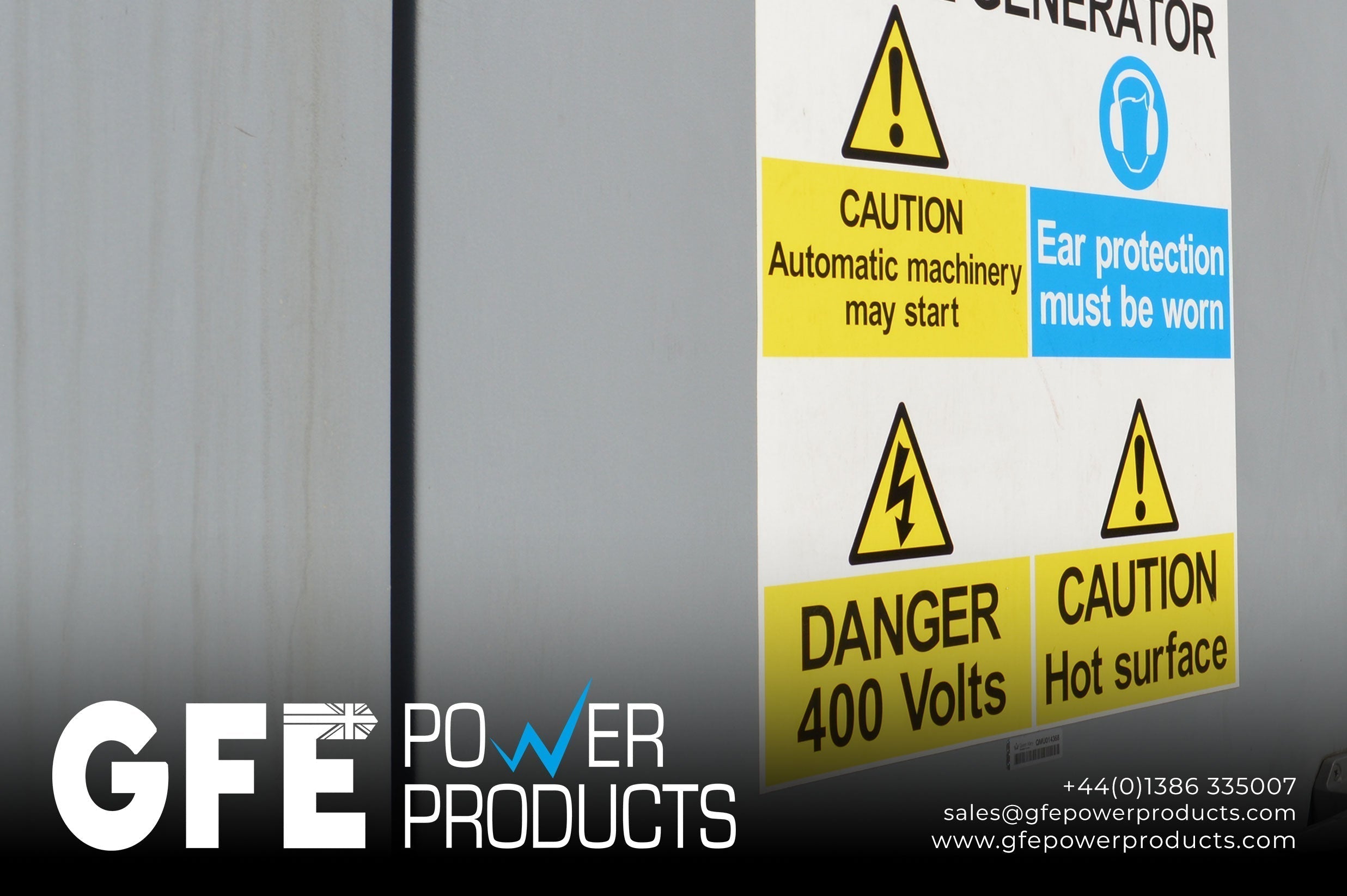
Unusual noises or smellsfrom a generator signal potential danger. Strange sounds like grinding or banging may mean internal parts are broken. A burning smell or fuel odor can indicate leaks or overheating, which are serious risks.
Frequent power interruptionsduring operation show the generator might be failing. This can cause damage to connected devices and disrupt your power supply. Consistent stopping and starting is a red flag.
Visible damage or wearis easy to spot. Cracks, rust, or loose parts reduce safety. Worn cables or fuel lines increase fire hazards and electric shock risks.
Credit: www.gfepowerproducts.com
Frequently Asked Questions
Are Standby Generators Safe To Use At Home?
Yes, standby generators are safe if installed and maintained properly. Follow manufacturer guidelines and local codes. Regular inspections prevent hazards like carbon monoxide leaks and electrical issues.
Can Standby Generators Cause Carbon Monoxide Poisoning?
Standby generators can emit carbon monoxide if placed indoors or near windows. Always install them outdoors in well-ventilated areas, far from living spaces, to avoid poisoning risks.
What Are Common Dangers Of Standby Generators?
Common dangers include carbon monoxide poisoning, electrical shocks, and fire hazards. Proper installation, routine maintenance, and using safety features reduce these risks significantly.
How To Prevent Standby Generator Accidents?
Prevent accidents by hiring certified professionals for installation. Ensure proper ventilation and regular maintenance. Use carbon monoxide detectors nearby and follow safety instructions strictly.
Conclusion
Standby generators can be safe if used correctly. Always follow the safety rules and instructions. Keep the generator in a well-ventilated area to avoid gas buildup. Regular maintenance helps prevent problems and keeps it working well. Know the risks, but don’t fear using a generator.
It gives power when you need it most. Stay careful, stay prepared, and stay safe.