
Are you worried that a standby generator might disrupt the peace around your home? You’re not alone.
Many people hesitate to install one because they imagine loud, noisy machines running non-stop. But how loud are standby generators really? And will they disturb your family or neighbors? You’ll discover the truth about generator noise levels and what you can expect.
By the end, you’ll have the clear answers you need to make the best choice for your home’s backup power. Keep reading to find out if a standby generator can work quietly for you.
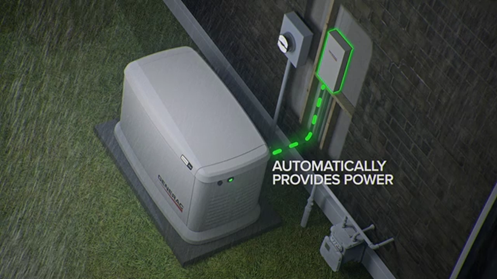
Credit: www.generac.com
Noise Levels Of Standby Generators
Standby generators usually produce noise between 60 and 70 decibels. This is about as loud as a normal conversation or background music. Some models are quieter, reaching as low as 50 decibels. Others can be louder, especially larger units.
Several factors affect the noise level of a standby generator:
- Size and power output:Bigger generators tend to be louder.
- Engine type:Diesel engines often sound louder than gas ones.
- Installation location:Units placed near walls or inside enclosures may sound quieter.
- Maintenance:Well-maintained generators run smoother and quieter.

Credit: www.angi.com
Comparing Standby Generators To Other Sources
Portable generatorsare usually louder than standby generators. They often run at 65 to 75 decibels. Standby generators work at about 60 decibels. This makes standby generators quieter and better for homes.
Portable generators need refueling and start manually. Standby generators start automatically during power outages. They connect directly to home power systems. This adds convenience and safety.
| Appliance | Average Noise Level (dB) |
|---|---|
| Standby Generator | 60 |
| Portable Generator | 70 |
| Refrigerator | 40 |
| Dishwasher | 50 |
| Vacuum Cleaner | 70 |
Standby generators are quieter than many common household machines. They run softly in the background. This makes them good for daily use during outages.
How Noise Is Measured
The decibel (dB) scalemeasures sound loudness. Zero decibels means almost no sound. Every 10 dB increase makes sound 10 times louder to human ears. For example, 30 dB is quiet like a whisper, while 70 dB is like a vacuum cleaner. This scale helps us understand how loud standby generators are compared to everyday sounds.
| Sound Source | Decibel Level (dB) |
|---|---|
| Whisper | 30 dB |
| Normal Conversation | 60 dB |
| Vacuum Cleaner | 70 dB |
| Standby Generator | 50-70 dB |
Noise tests use standard conditions. Generators run at full power during testing. Measurements happen at a fixed distance, usually 7 meters. This keeps results fair and easy to compare. The sound level meterrecords the noise in decibels. These rules follow industry standardsfor accuracy.
Design Features That Reduce Noise
Soundproof enclosures help keep the generator noise low. They use thick walls and special materials to absorb sound. This stops loud noises from escaping outside. The enclosures also protect the generator from weather and dust.
Mufflers and exhaust systems reduce noise from the engine. Mufflers work like silencers, softening the loud sounds made by exhaust gases. Exhaust pipes are designed to direct noise away from people. Together, these parts make the generator much quieter.
Placement And Installation Impact
Placement and installation greatly affect the noise level of standby generators. Proper positioning and sound barriers can reduce loud sounds. Poor setup may cause the generator to seem much noisier than it actually is.
Optimal Location Choices
Placing a standby generatorfar from living spaces helps reduce noise. It works best near the home’s edge or behind bushes. A spot with natural barriers, like walls or trees, can block sound waves. Avoid tight spaces that trap noise and vibrations. A flat, stable surface keeps the generator steady and quiet.
Vibration Isolation Techniques
Vibrations make generators louder. Using rubber pads or springsunder the generator lowers noise. These materials absorb shaking and stop sound from traveling. Secure mounting with shock-absorbing mountsalso helps. Proper isolation protects the generatorand keeps noise levels down.
Local Noise Regulations
Local noise rules set limits on how loud standby generators can be. These laws help keep neighborhoods quiet and safe. Generators must meet these standards to avoid fines.
Common Noise Limits
Many places set limits on noise from standby generators. These limits often range from 50 to 70 decibels. Limits may be stricter at night. Different areas have different rules. Noise limits protect neighbors from loud sounds. Always check local laws before installing a generator.
Permits And Compliance
Some places require a permitto use a standby generator. Permits ensure the generator meets noise rules. Inspections may be needed after installation. Failing to complycan lead to fines or orders to stop using the generator. Keep records of permits and inspections for proof.
Tips For Minimizing Generator Noise
Keeping your generator quiet needs regular routine maintenance. Check the oil and air filter often. Dirty parts make the generator work harder and louder. Tighten loose parts to stop rattling sounds. Replace worn-out mufflers to reduce noise levels.
Adding sound barriershelps block noise from reaching your home. Build a fence or wall around the generator using wood or bricks. Use thick materials like foam panels or blankets around the generator to absorb sound. Place the generator away from windows and living spaces to lessen noise impact.
- Change oil every 50-100 hours of use
- Clean or replace air filters regularly
- Tighten bolts and screws
- Install soundproof enclosures
- Use natural barriers like bushes or trees

Credit: blog.norwall.com
Frequently Asked Questions
How Loud Are Standby Generators Typically?
Standby generators usually produce noise levels between 60-70 decibels. This is similar to a normal conversation or background music. Noise varies by model, size, and installation. Newer models often have noise-reducing features to minimize sound during operation.
Do Standby Generators Disturb Neighbors?
Standby generators can be noticeable but rarely disturb neighbors if installed properly. Noise can be reduced with soundproof enclosures and strategic placement. Local regulations may set noise limits to prevent disturbance in residential areas.
Can I Reduce Standby Generator Noise?
Yes, you can reduce generator noise by adding soundproof enclosures or barriers. Regular maintenance also helps keep noise levels low. Choosing modern, quieter models further reduces operational sound.
Are Standby Generators Louder Than Portable Generators?
Standby generators generally run quieter than portable ones. They are designed for continuous, automatic use and often include noise-dampening features. Portable generators tend to be louder due to smaller size and less sound insulation.
Conclusion
Standby generators vary in noise levels. Some are quieter than others. Choosing a low-noise model is essential for comfort. Consider the generator’s placement to minimize disturbance. Regular maintenance can also reduce noise. Soundproofing solutions help in keeping noise low. Always check noise ratings before buying.
Prioritize models with noise-reduction features. Quiet generators make life more peaceful. They ensure power without constant disruption. For a serene environment, choose wisely.