Are you worried about power outages and wondering if a standby generator is the right choice for your home? You’re not alone.
Many people want the comfort and security of backup power but worry about the safety risks involved. What if your generator could keep your family safe without adding new dangers? You’ll discover the facts about standby generator safety—what you need to know before buying, how to use it correctly, and simple steps to protect your home and loved ones.
Keep reading to get peace of mind and make the best decision for your home.
Safety Features Of Standby Generators
Automatic shutoff mechanismsstop the generator if it senses a problem. This helps avoid damage and keeps people safe. The system turns off the power if the engine gets too hot or oil runs low.
Overload protectionprevents the generator from working too hard. It stops the generator if too many devices are connected. This stops overheating and fires.
Fuel leak detectionfinds leaks early. This feature alerts you or shuts off the fuel supply. It lowers the chance of fires and pollution.
Proper Installation Practices
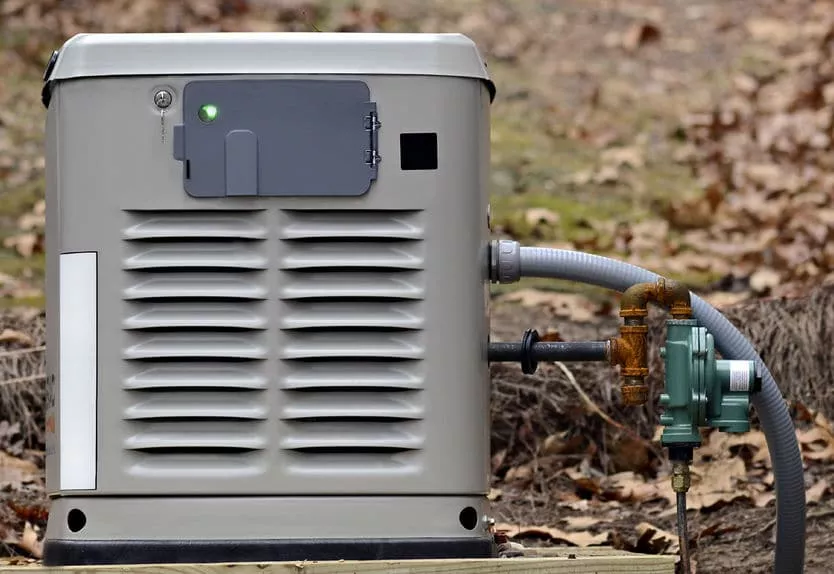
Choosing the right locationfor a standby generator is very important. It should be placed outside and away from windows, doors, and vents. This helps avoid carbon monoxide poisoning. The spot should be flat and stable to support the generator’s weight. Avoid areas prone to flooding or heavy snow.
Electrical connectionsmust be done by a licensed electrician. This ensures the generator works safely with your home’s wiring. Proper connections prevent backfeeding, which can harm utility workers and damage equipment.
Ventilation requirementsare crucial. Generators produce dangerous gases that need to escape safely. Installing the generator in a well-ventilated area reduces the risk of carbon monoxide buildup. Avoid enclosed spaces like garages or basements.
Common Risks And Hazards
Carbon monoxide poisoningis a serious risk with standby generators. This gas is colorless and odorless, making it hard to detect. It can build up quickly in enclosed spaces. Always place generators outside and away from windows or vents. Proper ventilation is crucial to keep air safe.
Fire hazardsoccur if fuel spills or leaks near hot parts of the generator. Gasoline and diesel are highly flammable. Store fuel in approved containers and away from heat sources. Never refuel a running or hot generator to avoid fires.
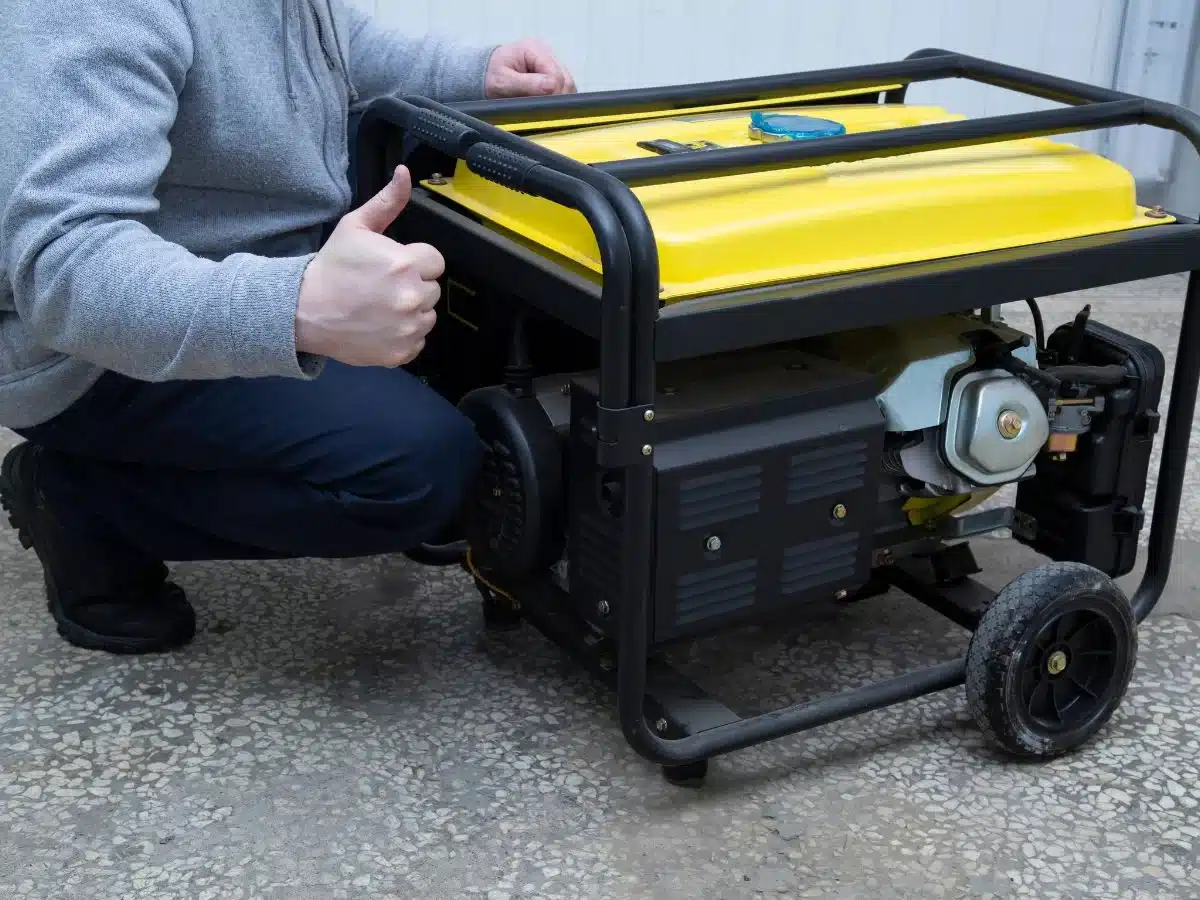
Electrical shock riskshappen if wiring is faulty or if the generator is not grounded. Water exposure increases shock danger. Use proper extension cords rated for outdoor use. Regularly check cables for damage and keep the generator dry.
Credit: flpowersolutions.com
Maintenance Tips For Safety
Regular inspections keep the generator working well and safe. Check for leaks, loose parts, and dirt. Clean the unit often to stop dust buildup. Look at the control panel for any warning lights or errors. Test the generator by running it monthly to ensure it starts and runs smoothly.
Fuel storage needs care to avoid fire or damage. Store fuel in approved containers and keep them away from heat or flames. Use fresh fuel and replace old fuel every six months. Avoid overfilling the tank to prevent spills. Always follow local rules about fuel storage.
Batteries and engines need regular attention. Check battery terminals for corrosion and clean them if needed. Replace batteries every 2-3 years or as recommended. Change engine oil and filters regularly to keep the engine healthy. Follow the manufacturer’s guide for engine care and use the right type of oil.
Regulations And Safety Standards
Local building codescontrol how standby generators are installed. They ensure safe distances from homes and neighbors. These codes help prevent fire and carbon monoxide risks.
Manufacturer guidelinesprovide clear instructions. Following them keeps the generator working safely and efficiently. Ignoring these rules can cause damage or injury.
| Certification Program | Purpose | Key Features |
|---|---|---|
| UL Certification | Ensures product safety | Meets electrical and fire safety standards |
| CSA Certification | Confirms Canadian safety standards | Tests performance and emissions |
| EPA Approval | Regulates emissions | Reduces environmental impact |
Credit: www.intelligentliving.co
Emergency Preparedness With Generators
Standby generators offer reliable powerduring outages. Safe operation is key to avoid hazards like carbon monoxide poisoning and electrical shocks. Always keep generators outsideand away from windows or vents.
Planning backup power means knowing which devices to power first. Focus on essentials like refrigerators, lights, and medical equipment. Use a transfer switch to connect the generator safely to your home’s electrical system.
Training household members helps everyone know how to use the generator safely. Teach them to check fuel levels and keep the area clear of flammable materials. Practice turning the generator on and off before an emergency.

Credit: www.intelligentliving.co
Frequently Asked Questions
Are Standby Generators Safe For Home Use?
Yes, standby generators are safe when installed and maintained properly. They have safety features like automatic shutoff to prevent hazards.
How Do Standby Generators Prevent Carbon Monoxide Risks?
Standby generators run outside, reducing carbon monoxide buildup indoors. Proper ventilation and professional installation further minimize any risk.
Can Standby Generators Cause Electrical Hazards?
Standby generators include automatic transfer switches to avoid backfeeding. This prevents electrical hazards and protects utility workers during outages.
What Maintenance Keeps Standby Generators Safe?
Regular oil changes, battery checks, and inspections ensure safe operation. Following manufacturer guidelines and scheduling professional service reduces risks.
Conclusion
Standby generators can be safe with proper use. Follow guidelines carefully. Regular maintenance is crucial for safety. Keep the generator outside to avoid fumes. Ensure proper ventilation and placement. Check connections and fuel levels often. Read the manual for specific instructions.
Professional installation is recommended for best results. Always prioritize safety measures. With care, standby generators provide reliable power backup. Stay prepared and informed for peace of mind.