Are you considering a standby generator for your home or business? You might be wondering if the cost of this investment can be eased by some tax benefits.
Navigating tax deductions can feel overwhelming, but understanding how your standby generator might fit into your tax plans can lead to significant savings. You’re not just looking for power reliability; you’re also looking for a smart financial decision. Imagine the relief of knowing you could potentially reduce your tax burden while securing peace of mind during power outages.
Let’s dive into the details and explore how your standby generator could be more than just an emergency backup. Discover the hidden financial perks that might be waiting for you.

Credit: www.generatortec.com
Tax Implications Of Standby Generators
Standby generators might offer tax benefits depending on their usage and location. Residential use generally doesn’t qualify for tax deductions, but business installations can sometimes be eligible. Consulting a tax professional is crucial to understand specific deductions and compliance requirements.
Federal Tax Regulations
Standby generators help during power outages. But are they tax deductible? Federal tax rules are strict. Usually, personal generators are not deductible. For business use, it might be different. The IRS has specific rules for business expenses. It’s crucial to check with a tax expert. They can guide you on possible deductions. Keep all receipts if used for business. This documentation is key during audits.
State And Local Tax Rules
State and local taxes vary. Some states might offer deductions or credits. It’s important to research your state’s rules. Local tax laws might differ too. Contact your local tax office for clarity. They can provide detailed information. Always stay updated on tax changes. This ensures you maximize your savings. Every state has unique tax benefits. Understanding them is essential for financial planning.
Eligible Expenses For Tax Deductions
Determining if standby generators are tax deductible involves reviewing IRS guidelines. Generally, personal expenses for home use are not deductible. However, if used for business or medical equipment, they might qualify. Always consult a tax professional for advice.
Installation Costs
Some installation costs for standby generators can be tax deductible. These costs might include labor and materials. It’s important to keep all receipts. You need proof for tax deductions. Consult a tax professional for details. They can guide you on eligibility. Rules may vary by location. Always check local regulations.
Maintenance And Repairs
Maintenance and repairs might also be eligible for deductions. Regular checks ensure your generator works well. Document all maintenance activities. Keep invoices for repair services. These records are important for deductions. A tax expert can help determine what’s deductible. Proper documentation supports your claims. Don’t miss out on potential savings.
Home Office And Business Use
Standby generators used for home office or business can be tax deductible. This deduction applies if the generator supports necessary business operations. Always check specific tax rules to ensure eligibility.
Criteria For Business Deduction
Standby generators can be tax deductible for business purposes. The IRS allows deductions if the generator is used for a home office. It must be necessary for business operations. Documentation is crucial. Keep records of purchase and maintenance costs. Also, show how the generator supports your business needs. Ensure your home office is a dedicated space. This can help in claiming the deduction. The generator should be used primarily for business. Otherwise, the deduction might be challenged.
Home Office Power Needs
Power needs for a home office are vital. Computers, printers, and lights all need electricity. During power outages, work can stop without a generator. A standby generator can keep your home office running. It provides consistent power during blackouts. This ensures you meet work deadlines. Also, clients and customers are not kept waiting. Having a reliable power source is essential. It helps maintain productivity and efficiency. Make sure your generator is the right size. It should handle all your office power needs.

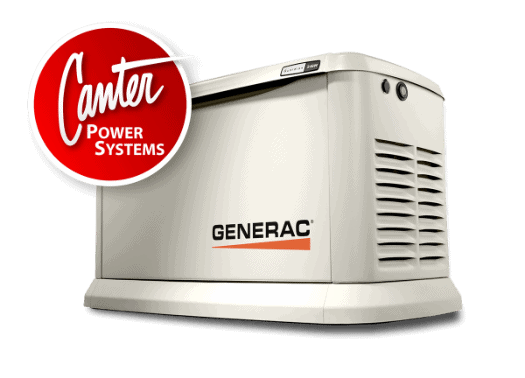
Credit: canterpowersystems.com
Energy Efficiency Tax Credits
To qualify for energy credits, your generator must meet certain standards. It should be energy-efficient and environmentally friendly. Check if your generator has Energy Star certification. This certification shows it meets the requirements. Not all generators are eligible for tax credits. Make sure to verify with the tax guidelines.
- Portable Generators: Easy to move, but may not qualify.
- Standby Generators: Installed permanently, better chance to qualify.
- Inverter Generators: Quiet and efficient, check for certification.
Compare these types for tax credit eligibility. Consider efficiency and certification status. Standby generators might have a better chance. Always check the latest tax credit rules.
Documentation And Record Keeping
Understanding tax deductions for standby generators involves proper documentation and record keeping. Keep receipts, installation details, and relevant paperwork organized. This can aid in determining eligibility for potential tax benefits.
Proof Of Purchase
Keep all receipts for your generator. This is proof you bought it. Make sure the date is clear. The receipt should show the total price. Keep the receipt in a safe place. You might need it for tax purposes.
Installation Invoices
Keep all invoices for the installation. These show how much you paid. They also show who did the work. This is important for your records. Make sure the invoice has the company’s name. It should also have their contact info. This helps if you need to reach them later.

Credit: oupes.com
Consulting With Tax Professionals
Consulting a tax professional can clarify if standby generators are tax deductible. They provide insights on eligibility and documentation. Understanding these details ensures compliance and potential savings.
Finding Qualified Advisors
Choose advisors with experiencein tax laws. Ensure they understand deductionsrelated to generators. Check their credentialsand previous client reviews. Verify their knowledge of current tax codes. Look for someone who listens well and can explain clearly. Trustworthy advisors never promise unrealistic refunds. They stay informed about IRS regulations.
Questions To Ask Your Tax Consultant
Ask if generator costs are deductible. Inquire about specific tax codesthat apply. Question how deductions impact your overall tax liability. Verify any necessary documentation needed for claims. Discuss potential audits and compliance risks. Check if there are any state-specific rules. Confirm their availability for ongoing support. Ensure they provide updates on tax law changes.
Frequently Asked Questions
Can You Claim A Generac Generator On Your Taxes?
You can claim a Generac generator on your taxes if it’s medically necessary. Consult a tax professional for specific advice. Eligibility may vary based on individual circumstances and local tax laws. Always keep relevant documentation for verification.
Is A Standby Generator Considered An Appliance?
A standby generator is not typically classified as an appliance. It’s a backup power source for homes and businesses. Appliances are generally smaller household devices, like refrigerators or microwaves, used for everyday tasks. Standby generators are larger, often permanently installed, and serve a different purpose.
What Energy Efficient Items Are Tax Deductible?
Home solar panels, energy-efficient windows, and HVAC systems may qualify for tax deductions. Check IRS guidelines for eligibility.
Can I Write Off A Generator If I Work From Home?
Yes, you can write off a generator as a business expense if it’s essential for your home office. Ensure you keep records proving its necessity and usage for work. Consult a tax professional to understand IRS guidelines and maximize your deductions.
Proper documentation is crucial for tax purposes.
Conclusion
Determining tax deductions for standby generators can be tricky. Rules vary by location. Always consult a tax professional for personalized advice. They can offer insights specific to your situation. Understanding tax benefits helps manage costs. So, keep documentation organized and up-to-date.
This ensures you make informed decisions. Investing in a standby generator is wise. It provides peace of mind during outages. Knowing the tax implications adds financial clarity. Stay informed, and you’ll navigate deductions confidently. Remember, every little bit helps in saving money.
Your home’s safety and budget both benefit.