
Are you wondering if your investment in a standby generator can save you money on your taxes? Knowing whether standby generators are tax deductible could help you make smarter financial decisions.
Imagine not only having backup power when you need it most but also getting some relief come tax season. You’ll discover the key facts about tax deductions for standby generators, so you can take full advantage of potential savings. Keep reading to find out how this important home or business upgrade might benefit your wallet in ways you didn’t expect.
Tax Deductibility Basics
Tax deductibilitydepends on the nature of the expense. Expenses that are ordinary, necessary, and directly related to your business or income can be deductible. For personal use, deductions are usually limited. Standby generatorsused for business purposes, like keeping a store open during outages, may qualify for tax deductions. Those used only at home for personal comfort usually do not.
Cost, installation, and maintenance can impact the deductible amount. Keeping good records helps during tax filing. Consulting a tax professional is wise to understand your situation.
| Type of Generator | Tax Implication |
|---|---|
| Home Standby Generator | Generally not deductible unless used for business |
| Business Standby Generator | Often deductible as a business expense |
| Portable Generator | Deductible if used for business or income production |

Credit: canterpowersystems.com
Standby Generators As Business Assets
Standby generators can qualify as business assets, making their cost potentially tax deductible. Expenses for purchase and installation may reduce taxable income, easing financial burden. Always check current tax rules to confirm eligibility.
Claiming Depreciation
Standby generators used for business purposes can be treated as business assets. This means you can depreciatetheir cost over time. Depreciation lets you spread the expense over several years, reducing your taxable income each year. The IRS usually classifies generators as 7-year property. You can use the Modified Accelerated Cost Recovery System (MACRS)to calculate depreciation.
Section 179 Deduction Eligibility
Section 179 allows businesses to deduct the entire cost of certain assets in the year of purchase. Standby generators often qualify for this deduction if used more than 50% for business. The maximum deduction changes yearly but can be substantial. This helps businesses save money quickly instead of waiting for depreciation. Limits apply on the total amount you can claim under Section 179.
Home Use And Tax Benefits
Standby generators used for home officesmight qualify for tax deductions. The key is to show the generator supports your work space. Keep records of usage and expenses. The deduction depends on the size of your home office compared to your whole home.
Generators bought mainly for disaster preparednesscould also be deductible. This applies if the generator helps protect your home during emergencies. Keep receipts and document the reason for the purchase. Consult tax rules to confirm eligibility.
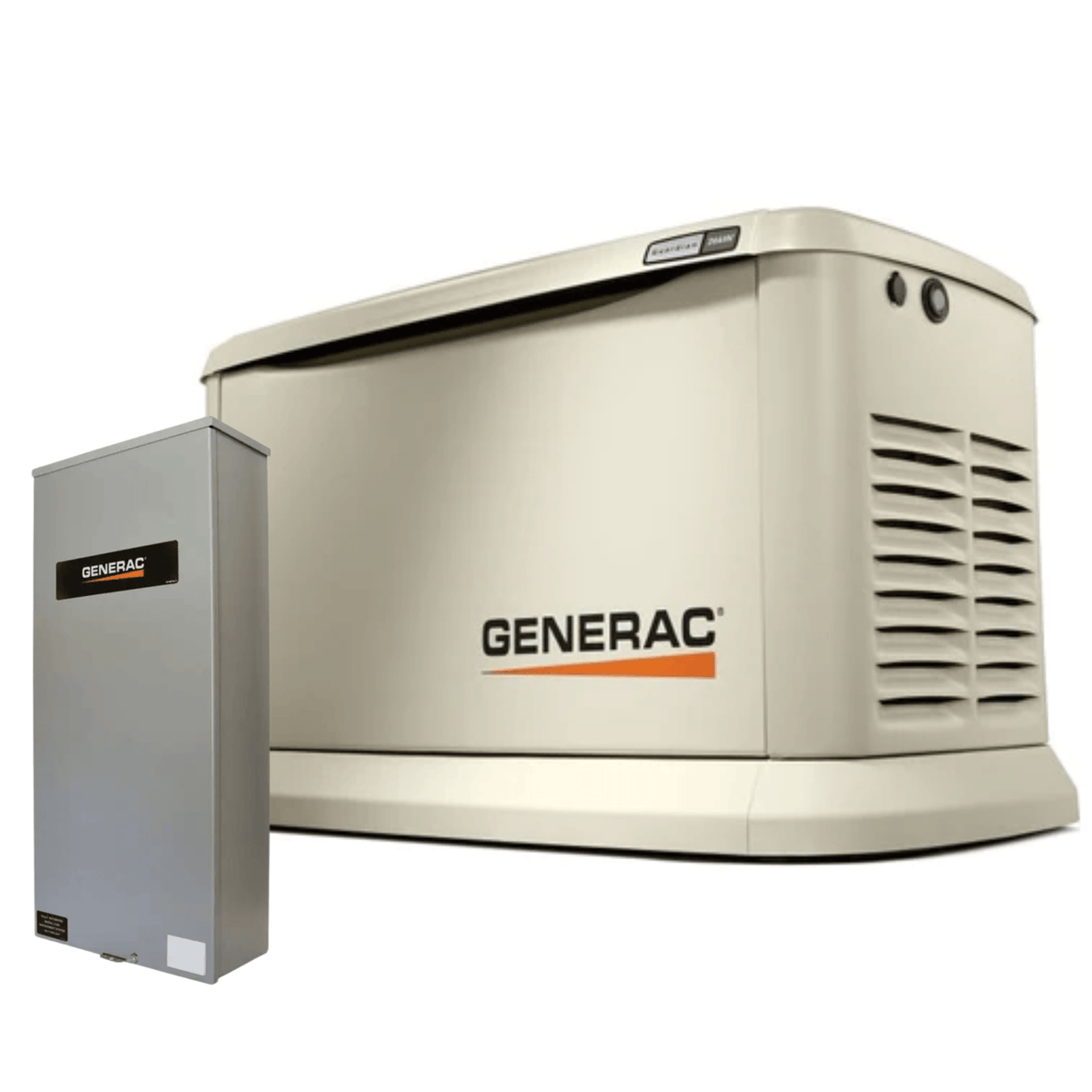
Credit: solarpowerstore.ca
Energy Efficiency Incentives
Federal tax creditscan help reduce the cost of standby generators. These credits often apply to energy-efficient models that use cleaner fuels. The credit usually covers a percentage of the purchase price. Check if your generator meets the specific energy-saving standards.
State and local rebatesvary widely depending on where you live. Some states offer cash rebates or tax deductions for installing standby generators. These programs encourage using energy-efficient equipment and lower energy bills. It is important to review local energy office websites for current offers.
| Incentive Type | Description | Typical Benefit |
|---|---|---|
| Federal Tax Credit | Credit for energy-efficient standby generators | Up to 30% of purchase price |
| State Rebates | Cash back or tax credits from state programs | Varies by state, usually $100-$500 |
| Local Incentives | Additional rebates or discounts at the city or county level | Varies widely, check local energy agencies |
Documentation And Record-keeping
Keep all purchase receiptsfor your standby generator. These prove the cost and date of purchase. Store receipts for any installation servicesor repairs. They show additional expenses related to the generator.
Maintain records of energy savingsif your generator lowers your electric bill. Save any tax formsor documentsthat mention your generator. These help during tax filing.
- Receipt for the generator purchase
- Invoices for installation and repairs
- Utility bills showing savings
- Tax documents related to the generator
Organize your documents by date. Use a file or folder to keep them safe. When filing taxes, provide copies if asked. Consult a tax professional for specific advice.

Credit: www.amazon.ca
Common Mistakes To Avoid
Misclassifying expenses can cause problems when claiming tax deductions. Standby generatorsmust be listed correctly under capital expensesor business equipment. Mixing these with regular maintenance costs can lead to denied deductions. Keep clear records to avoid confusion.
Ignoring eligibility criteria often leads to missed tax benefits. Tax rules vary by location and use. Personal use generators may not qualify. Only generators used for business or emergency purposesoften count. Understanding these rules is key to proper tax filing.
Consulting Tax Professionals
Tax experts can clarify if standby generators qualify for deductions. They review your situation and current tax laws to provide accurate advice. Consulting a professional helps avoid mistakes and maximize your benefits.
When To Seek Expert Advice
Tax rulescan be tricky for standby generators. It helps to talk to a tax professional beforebuying one. They can tell you if your purchase is tax deductible. Also, tax laws change often. A pro keeps you updated. If you use the generator for business, this advice is even more important.
Questions To Ask Your Accountant
- Is a standby generator tax deductiblefor my situation?
- What documentsdo I need for tax deductions?
- Are there limitson the deductible amount?
- Can I deduct installation costsas well?
- How do recent tax law changesaffect me?
Frequently Asked Questions
Are Standby Generators Tax Deductible For Homeowners?
Standby generators may be tax deductible if used for business or rental property. Homeowners can deduct costs if generator serves a home office. Personal use generally disqualifies tax deductions. Consult a tax professional to confirm eligibility based on your situation.
Can Businesses Deduct Standby Generator Expenses?
Yes, businesses can usually deduct the cost of standby generators as a business expense. The deduction applies if the generator supports business operations during power outages. Proper documentation and depreciation rules must be followed for accurate tax filing.
Is Installation Cost Of Standby Generators Tax Deductible?
Installation costs for standby generators can be tax deductible if tied to a business property. For residential use, installation expenses typically are not deductible. Always review IRS guidelines or consult a tax expert before claiming installation deductions.
Are Standby Generators Eligible For Energy Tax Credits?
Standby generators generally do not qualify for federal energy tax credits. These credits focus on renewable energy systems like solar or wind. However, some local incentives might apply. Check local tax laws and incentives for accurate information.
Conclusion
Understanding the tax implications of standby generators is crucial. They can impact your financial planning. Consult a tax advisor for personal advice. Stay informed on tax laws and deductions. It helps to make smarter financial decisions. Always keep records of your generator expenses.
This ensures smooth tax filing. Proper documentation can prevent unexpected issues. Stay proactive to maximize potential deductions. Tax savings can significantly ease generator costs. Keep learning about tax benefits. It’s an important aspect of responsible ownership. Equip yourself with the right knowledge.
It makes a big difference in tax savings.