
Imagine this: a sudden storm hits, the power goes out, and you’re left in the dark, unable to charge your devices or keep your food from spoiling. It’s a frustrating scenario, but what if you could avoid it altogether?
Standby generators promise to be your safety net during power outages, providing uninterrupted electricity right when you need it most. But are they really worth the investment for homeowners like you? Before you decide, there are crucial factors to consider.
From costs to convenience, this article will shed light on whether a standby generator is the right choice for your home. Keep reading to discover how a standby generator could transform your approach to power outages and potentially save you from future headaches.
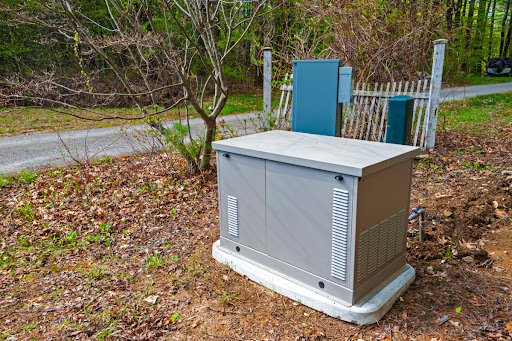
Credit: www.keefes.com
Benefits Of Standby Generators
Standby generators ensure continuous power during outages, protecting home appliances and security systems. They offer peace of mind and help avoid costly damages from electrical interruptions.
Continuous Power Supply
Standby generators give homes a steady power supply. They start working when the power goes out. This keeps lights and appliances running. Families can stay safe and comfortable. No need to worry about spoiled food or dark rooms.
Protection Against Power Outages
Power outages can happen unexpectedly. A standby generator protects against these issues. It turns on automatically during outages. This means fewer interruptions to daily activities. Homeowners can relax knowing they have a backup.
Increased Home Value
Having a standby generator can make a home more valuable. Buyers like homes with extra features. A generator offers peace of mind. It shows the home is ready for emergencies. This can make the home more attractive in the market.
Types Of Standby Generators
Standby generators come in various types, including portable, automatic, and inverter models. Each offers unique benefits for homeowners seeking reliable power during outages. Choosing the right generator depends on budget, space, and power needs.
Portable Generators
Portable generators are small and easy to move. They are perfect for short power outages. You can use them for camping or outdoor events. These generators are less expensive than whole-home generators. But they have limited power. They can run a few appliances only. Portable generators need gasoline to work. It’s important to have extra fuel. Always use them outside for safety.
Whole-home Generators
Whole-home generators are large and powerful. They can power your entire house. These generators start automatically during an outage. They run on natural gas or propane. Whole-home generators are more expensive. But they provide peace of mind. You don’t need to worry about losing power. They need professional installation. Maintenance is also important to keep them running well.
Cost Considerations
Standby generators can be expensive to buy. Prices often range from a few thousand to over ten thousand dollars. The cost depends on the generator’s power and brand. Bigger homes need more powerful generators. This means higher costs. It’s important to budget for this big purchase.
Installing a generator is not a simple job. Professional installation is usually required. This can add significant costs to your budget. Electricians and plumbers might be needed. Prices vary based on your home’s setup. Permits may also be needed, adding to the expense. Always check local rules before starting.
Generators need regular maintenance to work well. This keeps them ready for use. Oil changes and filter replacements are common tasks. Fuel is a major expense. Generators run on propane, natural gas, or diesel. Fuel prices can change. Always factor these costs into your budget.

Credit: www.everyonelovesbacon.com
Installation Process
Site assessment is crucial for proper generator placement. Experts check the sizeand layoutof your yard. They identify the safest spot for the generator. This prevents future problems. Experts also consider noise levelsand distancefrom windows. They ensure the generator won’t disturb you or your neighbors.
Permits are necessary for generator installation. Local regulations may vary. Experts handle the paperwork for you. This ensures compliancewith laws. They submit applications to local authorities. Approval may take time. It’s important to plan ahead.
Professional installation is recommended for safety. Experts have the skillsand toolsneeded. They ensure all connections are secure. Proper installation prevents accidents. It also ensures the generator works well. Trust professionals for peace of mind.
Safety Features
Standby generators offer essential safety features for homes. They automatically restore power during outages, ensuring continuous electricity supply. Built-in sensors detect power loss and switch on the generator, providing peace of mind for homeowners.
Automatic Transfer Switch
The Automatic Transfer Switchis a key feature in standby generators. It detects power outages and turns the generator on. This switch helps keep your home powered safely. No need to manually switch anything. It makes the process quick and easy. Your appliances stay running without any interruption. This feature provides peace of mind during storms. You don’t have to worry about losing power.
Overload Protection
Overload Protectionprevents the generator from taking on too much load. It ensures the generator operates within safe limits. This feature keeps your home and generator safe. Overloading can damage appliances and the generator. With this protection, you avoid costly repairs. It acts like a safety net for your power supply. If too much load is detected, it shuts down the excess. This helps in preventing accidents and fires.
Environmental Impact
Standby generators provide reliable power during outages but can impact the environment. Diesel models emit harmful gases, contributing to pollution. Opting for cleaner fuel options or solar-powered alternatives can reduce this impact, making them a more sustainable choice for homeowners.
Fuel Type Options
Standby generators can use different fuel types. Common choices include natural gas, diesel, and propane. Natural gas is often considered cleaner than diesel. Propane also burns cleaner than diesel. Diesel generators may produce more emissions. Choose the fuel type wisely for environmental reasons.
Noise Levels
Generators can be noisy. Diesel generators are often the loudest. Natural gas generators are quieter. Propane generators can be in the middle. Noise can affect neighbors. Look for quiet generatorsif you live in a dense area. Check noise ratings before buying. A quieter generator can be a better choice.
Alternatives To Standby Generators
Exploring alternatives like solar panels or battery backups can offer homeowners a cost-effective solution. These options provide eco-friendly energy without the maintenance hassle of standby generators.
Solar Power Systems
Solar power is a clean and renewable energy source. Panels capture sunlight and turn it into electricity. This can reduce your energy bills. It helps the environment by reducing carbon footprints. Solar systems are quiet and easy to maintain. They can work well in sunny areas. Some homes use solar batteries to store extra energy. These batteries provide power when the sun is not shining. Solar power can be a good choice for eco-friendly homes.
Battery Backup Solutions
Battery backups are useful for power outages. They store electricity for later use. Homeowners can use them when the main power fails. These backups are usually easy to install. They can power basic home needs like lights and fridges. Battery solutions come in different sizes. Some are small for short outages. Others are large for longer use. Many people choose this option for peace of mind.
Making The Decision
Evaluating the value of standby generators hinges on your home’s needs. These devices offer reliable backup power during outages, ensuring comfort and safety. Consider factors like cost, installation, and maintenance to determine if they fit your lifestyle and budget.
Evaluating Home Needs
Think about what your home needs during power outages. Some homes need power for fridges and lights. Others might need to keep medical equipment running. Make a list of what you need most. This helps in choosing the right generator size. A small generator might not cover everything. But a big one could be too much.
Budget Considerations
Generators can be expensive. Prices vary based on size and power. Some cost more than others. It’s important to set a budget. Decide how much you can spend. Also, think about installation costs. Some people can install it themselves. Others might need to hire someone. This adds to the total cost.
Long-term Benefits
Generators provide many benefits. They keep your home running during outages. This means no spoiled food in the fridge. You can have lights at night. Some people feel safer with a generator. It can be a good investment for peace of mind. Over time, it may save money by protecting your home appliances.

Credit: www.achrnews.com
Frequently Asked Questions
What Are The Disadvantages Of A Standby Generator?
Standby generators require regular maintenance, which can be costly. They produce noise and emissions, impacting the environment. Initial installation expenses are high. Fuel storage and consumption can be challenging. Limited runtime may not cover extended power outages.
Are Home Standby Generators Worth It?
Home standby generators provide reliable power during outages. They increase home value and offer peace of mind. While the initial cost is high, savings on potential damages make them worthwhile. Ideal for areas with frequent power cuts, they ensure convenience and safety.
Consider your power needs and budget.
What Are The Cons Of A Generac Generator?
Generac generators can be noisy, require regular maintenance, and consume significant fuel. They may have limited warranty coverage and higher upfront costs. Some models might lack advanced features found in competitors. Always check for compatibility issues with specific appliances or grid systems.
Does A Standby Generator Lower Home Insurance?
A standby generator might lower home insurance premiums. It provides backup power, reducing risks during outages. Contact your insurance provider for specific benefits. Regular maintenance and installation by professionals can enhance safety, potentially influencing insurance rates. Each insurer’s policy differs, so verify coverage details and discounts available.
Conclusion
Choosing a standby generator depends on your needs. They provide peace during power outages. Investing in one can protect your home. Especially if you face frequent outages. Consider your budget and energy needs. A standby generator offers convenience and safety.
It’s a reliable backup for unexpected situations. Weigh the benefits against the costs. Make an informed decision for your home. Ensure your family stays safe and comfortable. A standby generator might be worth it for you.