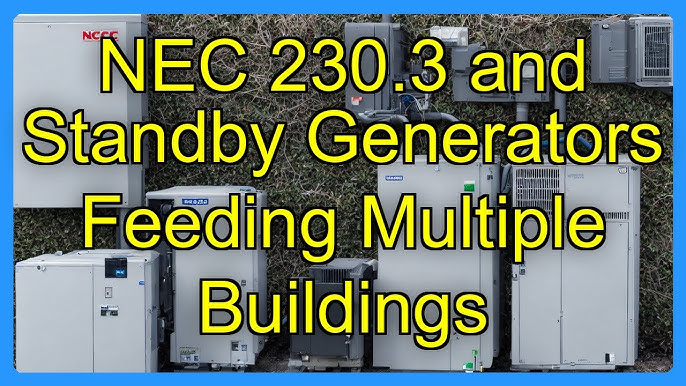
Have you ever wondered if one standby generator can power two separate services at the same time? If you rely on backup power, this question might be on your mind.
The answer isn’t as simple as you might think. Understanding how standby generators work with multiple services can save you money and prevent costly mistakes. You’ll discover the key factors that determine if a single generator can handle two services, and what you need to consider before making a decision.
Keep reading to find out how to keep your power running smoothly when it matters most.
Credit: www.electriciantalk.com
Basics Of Standby Generators
A standby generatoris a machine that provides power during outages. It starts automatically when the main power fails. This keeps homes or businesses running without interruption.
Key components include:
- Engine:Runs on fuel like gas or diesel to produce energy.
- Alternator:Converts engine power into electricity.
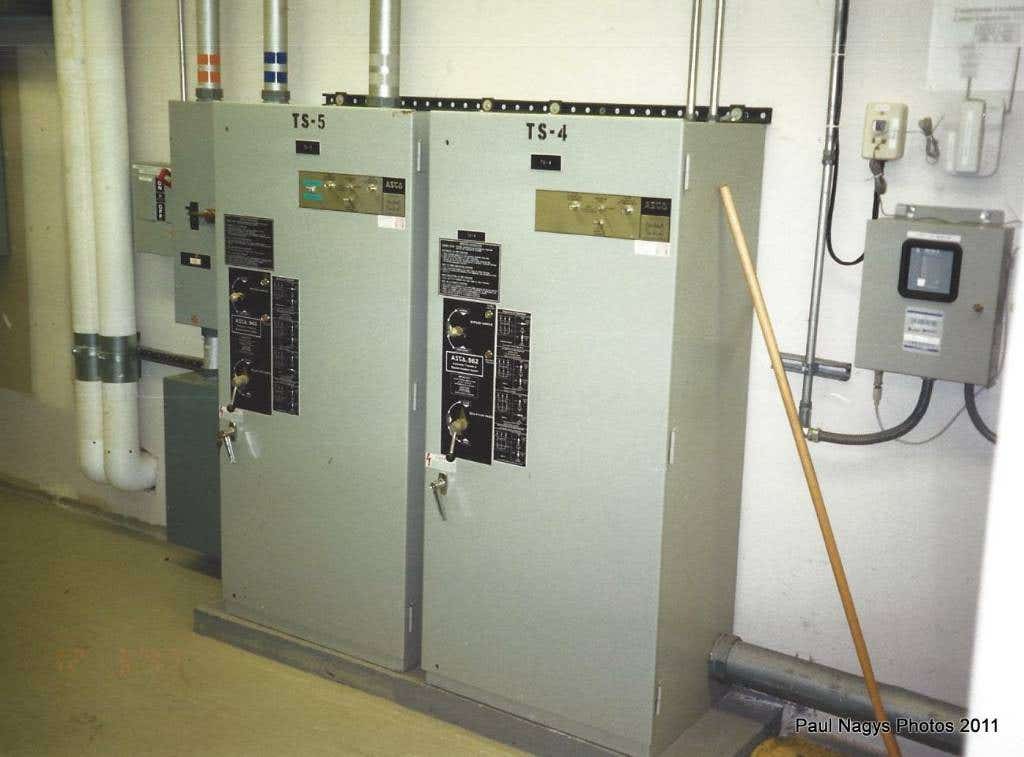
- Transfer Switch:Switches power source from utility to generator safely.
- Fuel System:Supplies fuel to the engine for continuous operation.
- Control Panel:Monitors and manages generator functions.
These parts work together to provide reliable power when needed most.
Credit: www.electriciantalk.com
Understanding Separate Electrical Services
Electrical servicesmean the system that brings power to a building. It includes wires, meters, breakers, and panels. These services control how electricity flows inside homes or businesses.
There are common types of electrical services used in houses and shops:
- Single-phase service:Most homes use this for regular power needs.
- Three-phase service:Found in bigger buildings and factories for heavy equipment.
- Separate services:Some buildings have two or more separate electrical services for different parts of the property.
Each service has its own meter and panel. This allows different areas to work independently. It helps manage power better and keeps the system safer.
Feeding Multiple Services With One Generator
A single standby generator can power two separate services, but it requires careful setup. The generator must have enough capacityto handle the combined load of both services. This avoids overloadingand ensures reliable power supply.
Switching between services needs a well-designed transfer switch. This device selects which service receives power from the generator. It prevents both services from running at the same time, which can cause problems.
| Configuration | Description | Advantages | Considerations |
|---|---|---|---|
| Manual Transfer Switch | User switches power between services manually. | Simple and low cost. | Needs someone to operate it. |
| Automatic Transfer Switch | Automatically switches power based on service priority. | Convenient and fast switching. | More complex and expensive. |
| Load Shedding | Turns off less important loads to protect the generator. | Prevents overload. | Some loads may lose power. |
Challenges And Limitations
Using one standby generator for two separate services brings several challenges. Load managementbecomes tricky because both services may need power at the same time. This can cause the generator to work beyond its capacity, leading to outages or damage.
Safetyand code complianceare also concerns. Electrical codes often require separate systems to avoid risks like backfeed, which can harm workers or damage equipment. Proper switches and protection devices are necessary to meet safety rules.
Running a generator for multiple services can cause equipment wear. The generator may wear out faster due to high loads or frequent switching. This can increase maintenance costs and reduce the generator’s life span.
Expert Recommendations
A single standby generator can power two separate services if sized and wired correctly. Proper load management and transfer switches ensure safe and efficient operation. Consulting experts helps avoid overload and electrical issues.
When It Makes Sense
A single standby generator can feed two services if the total load is within its capacity. This setup works well for small homes or businesses with low power needs. It can save money and space. Proper wiring and transfer switches are required for safety. Regular maintenance is important to keep the generator reliable. It’s best for temporary or emergency use, not continuous power supply.
When To Avoid
Do not use one generator for two big services with high power demands. Overloading the generator can cause failure or damage. Complex wiring increases risk of electrical problems. Homes with heavy appliances or large businesses need separate generators. Shared use may lead to power interruptions or safety hazards. Avoid this setup for critical or sensitive equipment that needs stable power.
Alternatives To Single Generator Setup
- Install two smaller generators for each service.
- Use a larger generator designed for high loads.
- Consider a generator with multiple output circuits.
- Use battery backup systems for critical devices.
- Consult a professional electrician for custom solutions.
Installation And Maintenance Tips
Proper sizingis key to ensure the generator handles both services safely. Calculate the total loadby adding the power needs of each service. Avoid choosing a generator with just enough power; allow extra capacity for safety and future use. Consult an electricianto get accurate load calculations.
Routine testing keeps the generator reliable. Run the generator under load regularly to check performance. Inspect fuel levels, oil, and filters often. Replace worn parts to avoid failures. Keep a maintenance logto track all checks and repairs. This helps spot issues early and maintain steady power supply.
Real-world Examples
Real-world cases show a single standby generator can supply power to two separate services with proper setup. Careful planning ensures safe and reliable operation for both connections. This approach saves space and reduces equipment costs in many situations.
Residential Applications
A single standby generator can power two separate homes if sized right. It needs a transfer switch to control power flow. The generator must handle the total load of both homes without overload. Usually, smaller homes with low power needs fit this setup well. Safety checks and proper wiring are essential to avoid hazards. This option saves money by sharing one generator instead of buying two.
Commercial And Industrial Cases
Large businesses often use bigger generators for multiple services. One generator can feed two different buildings or systems. The key is to calculate the total power demand carefully. Transfer switches and distribution panels help separate power lines safely. This setup cuts costs and space but requires expert installation. Regular maintenance ensures reliable operation during power outages.
Credit: www.electriciantalk.com
Frequently Asked Questions
Can One Standby Generator Support Two Separate Services?
Yes, one standby generator can feed two separate services if properly sized and wired. A transfer switch manages power distribution safely between the two services.
What Size Generator Is Needed For Dual Service Backup?
The generator must be sized to handle the combined load of both services. Consult an electrician to calculate total wattage requirements accurately.
How Does A Transfer Switch Work With Two Services?
A transfer switch isolates utility and generator power. It ensures safe power transfer and prevents backfeeding when supplying two separate services.
Are There Safety Concerns Feeding Two Services With One Generator?
Proper wiring, transfer switches, and compliance with electrical codes are essential. Incorrect setup can cause overloads, backfeeding, and safety hazards.
Conclusion
Understanding if one standby generator can power two services is crucial. It depends on your generator’s capacity and the services’ needs. Consult an expert for precise guidance. Proper setup ensures safe and efficient operation. Don’t forget to check local regulations.
Safety and compliance are top priorities. Regular maintenance keeps your generator reliable. Always plan for unexpected power needs. A well-informed decision can save time and cost. Consider future power demands too. Investing wisely now ensures peace of mind. Keep your home or business running smoothly with the right setup.