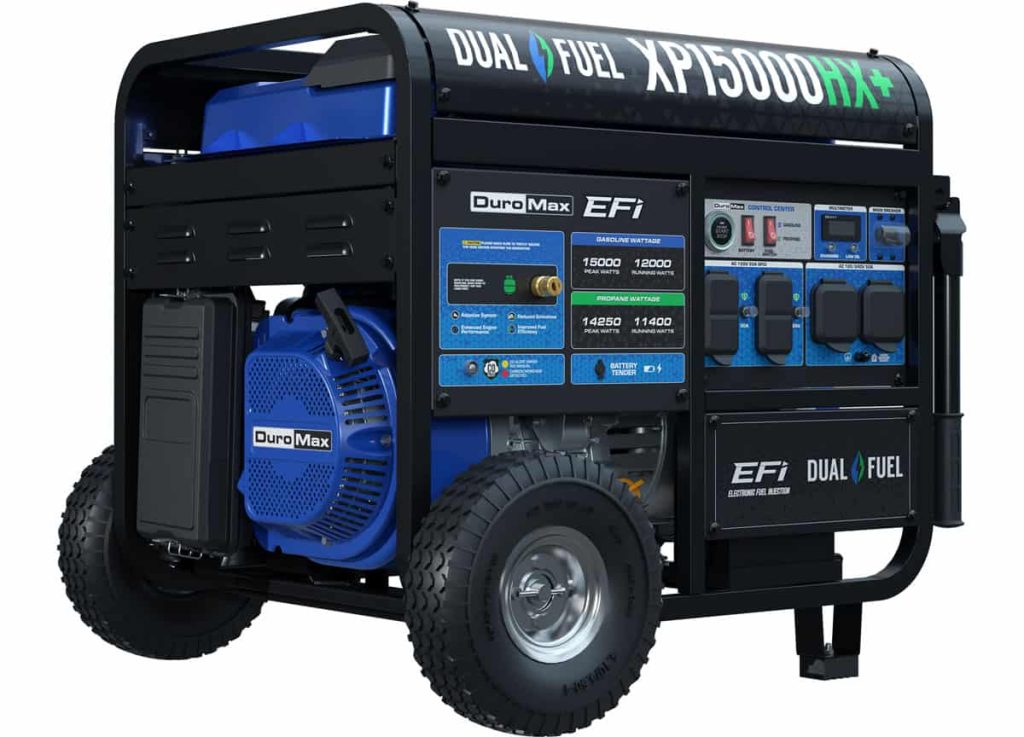
Are you wondering if a 15000W gas generator can power your central heating system during a power outage? You’re not alone.
With unpredictable weather and rising energy concerns, many homeowners are exploring backup power options. Imagine a cold winter night with your family, and suddenly, the power goes out. Will your generator keep you warm and cozy? This question might have crossed your mind, and the answer could save you from a chilly surprise.
We’ll dive into the nitty-gritty of using a 15000W gas generator to run your central heating. Stick around, because understanding this could mean the difference between comfort and cold when you need warmth the most.
Gas Generator Basics
A gas generator creates electricity by burning gas fuel. It turns fuel into power through an engine and alternator. The engine runs on natural gas or propane. The alternator changes engine power into electric current.
Power output shows how much electricity a generator can produce. A 15000W generator can supply 15,000 watts at once. This power is enough for many home appliances.
| Type | Fuel Source | Usage |
|---|---|---|
| Portable | Gasoline, Propane | Small appliances, camping |
| Standby | Natural Gas, Propane | Home backup, central heating |
| Inverter | Gasoline, Propane | Sensitive electronics |
Central Heating Power Needs
Central heating systems need different power amounts. Typical homes use between 5,000W to 12,000Wfor heating. A 15,000W gas generatorcan cover most needs but depends on the system size and insulation.
Heating systems have peak loadsand average loads. Peak load happens when the system starts or during very cold moments. Average load is what it usually consumes. Generators must handle peak loads to run heating smoothly.
- House size affects heating demand.
- Outside temperature changes power needs.
- Insulation quality lowers or raises energy use.
- Type of heating system matters: electric or gas.
15000w Generator Capacity
A 15000W gas generator can usually power central heating systems, depending on the heater’s energy needs. It provides enough electricity to run most residential heating units during outages. Checking your heater’s wattage helps ensure compatibility with the generator’s capacity.
Continuous Vs. Surge Power
A 15000W generator offers both continuousand surge power. Continuous power is the amount it can run safely for hours. Surge power is the extra power for a short time. This helps when appliances start up and need more energy.
Running Multiple Appliances
Central heating systems use a lot of power. A 15000W generator can run a central heater and some other small appliances. But all devices together must not go over the generator’s capacity. Check the power ratings of each device before use.
Efficiency Considerations
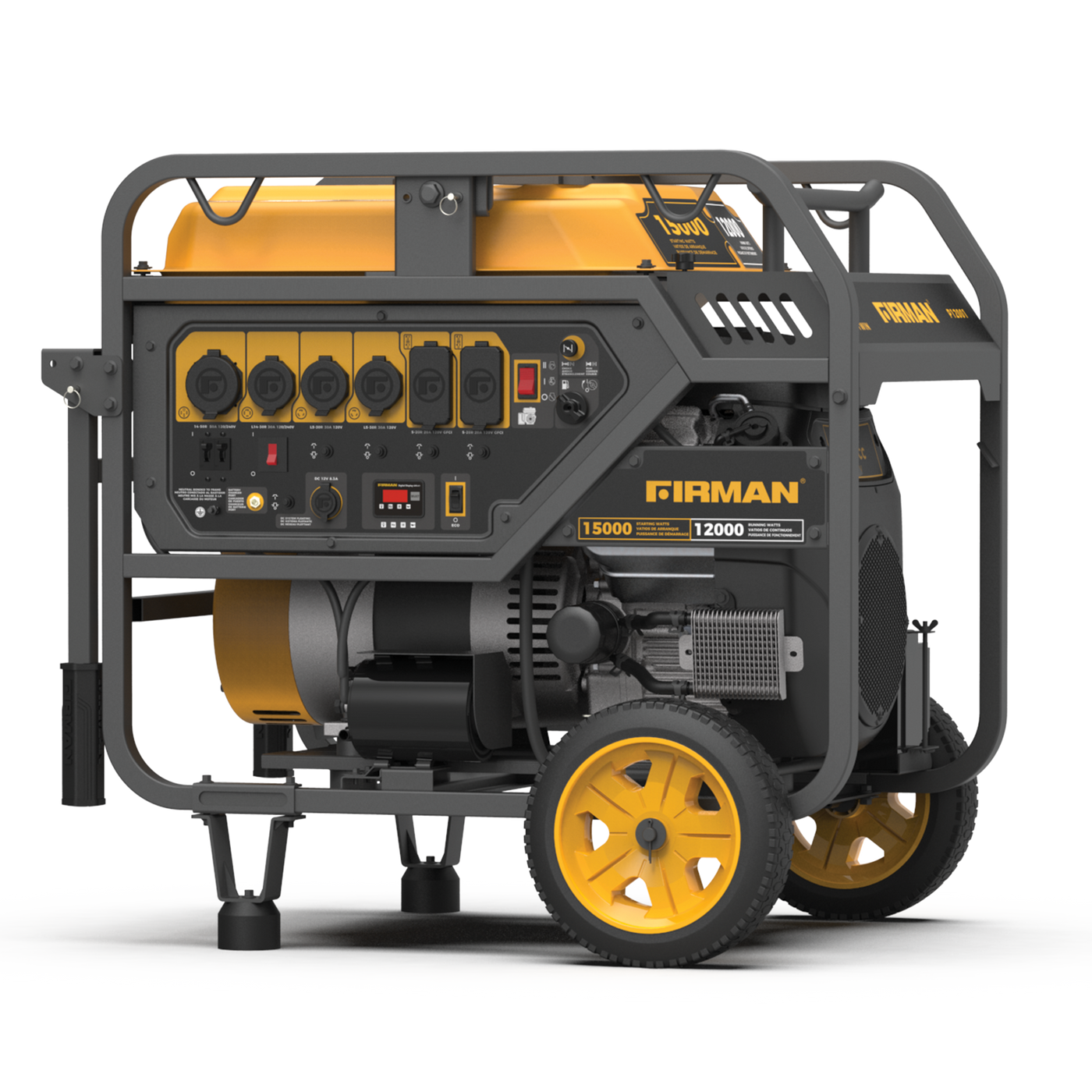
Generators work best at 50%-80% load. Running them at full load all the time can reduce life and increase fuel use. Using a 15000W generator at the right load keeps it efficientand long-lasting.
Credit: firmanpowerequipment.com
Matching Generator To Heating System
Electric central heatinguses power directly from the generator. It needs high wattagefor long periods. Gas central heating relies on a gas supply and uses less electricity. A 15000W generator can usually handle electric heating but only if it runs other devices at the same time.
The wattage needsvary by system:
- Electric heaters: 1000W to 3000W each
- Gas boilers: 500W to 1500W for controls and pumps
Compatibility issuesinclude:
- Generator must provide stable power to avoid damage.
- Some systems need a specific start-up power surge.
- Gas heaters need a constant fuel supply separate from electricity.
Installation And Safety Tips
Set up the generator on a flat, dry surface away from the house. Use heavy-duty extension cords rated for the generator’s power. Connect only essential appliances to avoid overloads. A 15000W generator can handle central heating but check total wattage carefully.
Never exceed the generator’s wattage limit. Overloads can damage the generator and connected devices. Turn off appliances before starting the generator to prevent spikes.
Place the generator outdoors in a well-ventilated area. Keep it far from doors and windows to reduce carbon monoxide risk. Use carbon monoxide detectors inside the home for safety. Avoid running the generator in garages or enclosed spaces.

Credit: www.jackery.com
Cost And Maintenance
A 15000W gas generator uses a good amount of fuel. Fuel consumption depends on load and running time. On average, it may use about 1.5 to 2 gallons of gas per hourat half load. Running central heating continuously will increase fuel costs.
Regular maintenance keeps the generator working well. This includes oil changes, air filter cleaning, and spark plug checks. Proper care extends generator lifeand avoids breakdowns.
| Maintenance Task | Frequency |
|---|---|
| Oil Change | Every 50-100 hours |
| Air Filter Cleaning | Monthly or as needed |
| Spark Plug Check | Every 100 hours |
| Fuel System Check | Annually |
Long-term costs include fuel, parts, and repairs. A well-maintained generator lasts longer and costs less. Using it efficiently can save money over time.
Alternatives To Gas Generators
Solar power solutionsoffer clean and quiet energy for homes. They use panelsto capture sunlight and turn it into electricity. Solar power works well during the day but needs batteries for night use. It can reduce or replace the need for gas generators.
Battery backup systemsstore energy to use when power is out. They charge from the grid or solar panels and provide power silently. These systems can run central heating and other home appliances for hours or days.
Hybrid power optionscombine generators, solar panels, and batteries. This mix ensures steady power supply in all conditions. Hybrids use the best source depending on weather and power needs, saving fuel and reducing noise.

Credit: www.jackery.com
Frequently Asked Questions
Can A 15000w Generator Power Central Heating?
Yes, a 15000W gas generator can power central heating. Most central heating systems require between 2000W and 5000W. This generator provides enough power for the boiler and pump simultaneously.
How Long Can A 15000w Generator Run Heating?
The runtime depends on fuel capacity and load. Typically, a 15000W generator can run central heating for 8-12 hours on a full tank. Efficient fuel use extends runtime during moderate heating demands.
Is A 15000w Generator Suitable For Home Heating Backup?
Yes, it’s suitable for home heating backup. It provides sufficient wattage to run boilers and pumps. It ensures heating continuity during power outages, enhancing home comfort and safety.
What Fuel Does A 15000w Gas Generator Use?
A 15000W gas generator typically uses propane or natural gas. These fuels are efficient and provide consistent power output for heating systems and other appliances.
Conclusion
A 15000W gas generator can power most central heating systems. Check your heater’s power needs first. Running a generator safely matters a lot. Use proper cables and follow safety steps. Quiet operation and fuel type also affect your choice. This generator offers a reliable backup during power cuts.
Always plan for fuel supply and maintenance. Stay warm and comfortable even when the grid fails. A strong generator keeps your home heating steady and safe.