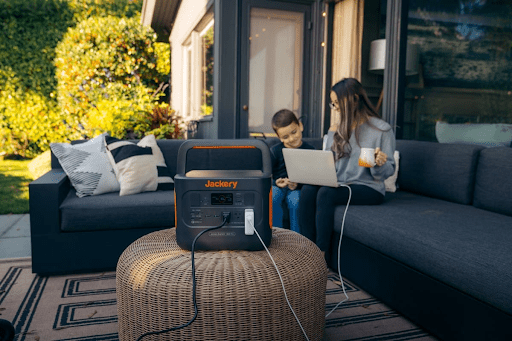
Are you wondering if a 1500W gas generator can power your TV and lights during an outage? It’s a common question that many people face when preparing for unexpected blackouts or planning outdoor activities.
You want to keep your home comfortable and your devices running without worrying about complicated setups or oversized equipment. This article will clear up the confusion and help you understand exactly what a 1500W generator can handle. Keep reading to find out if this generator is the right fit for your needs and how to use it safely and efficiently.
Generator Power Basics
A 1500W gas generator can power a TV and several lights at the same time. It supplies enough energy for small household devices during outages or outdoor use. Always check your devices’ wattage to avoid overloading the generator.
What Does 1500w Mean
A 1500W generatorcan produce 1500 watts of power. Watts measure how much energy devices use or need.
This number shows the maximum power the generator can provide at one time.
Starting Vs Running Watts
Many appliances need more power to startthan to run. This is called starting watts.
For example, a TV or light might run on 100 watts but need 300 watts to start.
Generators list both running wattsand starting watts. The starting watts are higher to cover the extra power needed to start appliances.
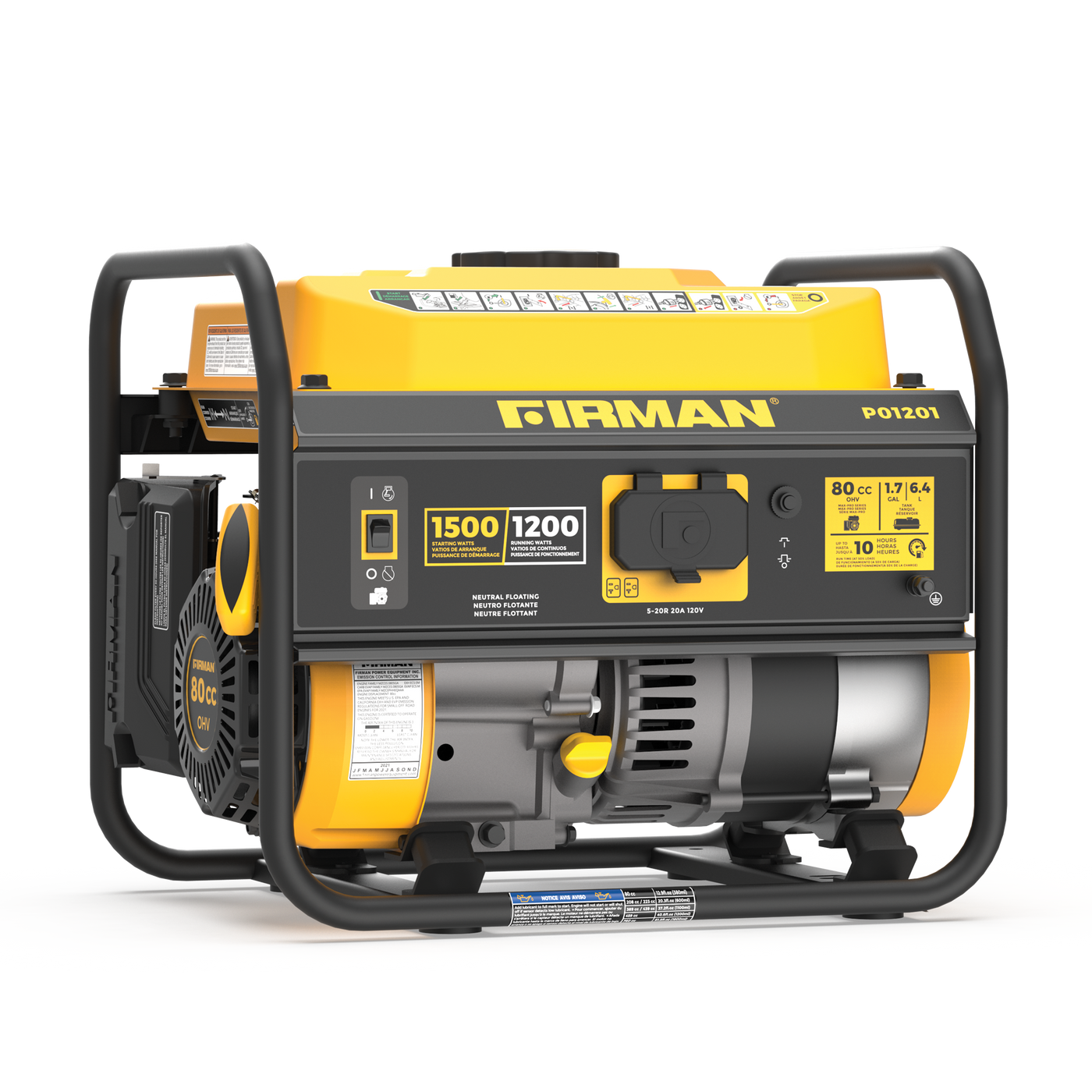
Credit: firmanpowerequipment.com
Power Needs Of Tvs
Most TVs use between 50 and 400 watts. Smaller LED TVs need less power, around 50-150 watts. Bigger TVs like LCD or plasma can use 200-400 watts. Power use depends on screen sizeand type.
Screen size matters a lot. A 32-inch TV uses less power than a 60-inch TV. Different TV types also use power differently. LED TVs are usually more energy-efficientthan plasma or LCD.
| TV Type | Typical Wattage |
|---|---|
| LED (small) | 50-150 W |
| LCD (medium) | 150-300 W |
| Plasma (large) | 200-400 W |
Lighting Power Consumption
LED lightsuse much less power than incandescent bulbs. For example, a 10W LED can replace a 60W incandescent light. This means LEDs save energyand last longer. Incandescent bulbs get hot and waste energy as heat.
Calculate the total lighting load by adding the wattage of all bulbs. For instance, three 10W LED bulbs equal 30W total. A 1500W generator can easily handle this load.
| Light Type | Typical Wattage | Equivalent Incandescent Wattage |
|---|---|---|
| LED Bulb | 10W | 60W |
| Incandescent Bulb | 60W | 60W |
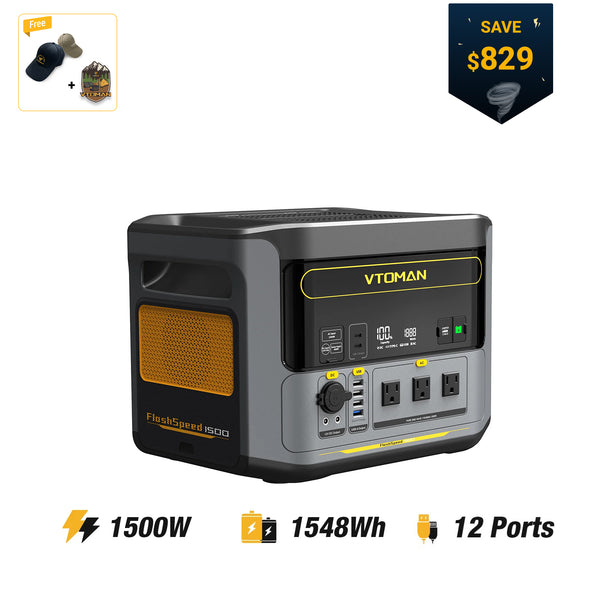
Credit: vtoman.com
Can A 1500w Generator Handle Both
A 1500W generator can power both a TV and lights if their total wattage is below 1500 watts. Most modern TVs use about 100-400 watts. LED lights usually consume around 10-15 watts each. Adding these together, the total load often stays under 1500W.
Consider the starting power of devices like TVs, which can be higher than running power. This surge can briefly exceed the generator’s capacity. Keeping a safety margin of about 20% below 1500W helps avoid overload.
| Device | Typical Power (Watts) |
|---|---|
| LED TV | 100 – 400 |
| LED Light Bulb | 10 – 15 |
| Number of LED Lights | Depends on total wattage |
| Recommended Max Load | 1200 Watts (for safety) |
Overloading risks include engine strain and damage. Always check the total wattage before running multiple devices. Use a generator with enough power to cover surges.
Generator Usage Tips
Efficient load managementhelps your generator run longer and better. Use only essential devices like your TV and lights together. Avoid running high power tools at the same time. Balance the load to prevent the generator from overworking. Check the wattage of each device before plugging in. This keeps your generator safe and avoids trips.
Regular maintenancekeeps your generator in good shape. Change the oil often and clean the air filter. Tighten any loose bolts and check spark plugs. Store fuel safely and use fresh fuel. Run the generator monthly to keep parts moving smoothly. This helps your generator start quickly and run without problems.

Credit: vtoman.com
Alternative Power Solutions
Power bankscan run small devices like phones and some lights. They store energy and work without noise or fuel. Paired with inverters, they can power small TVs for short times. Inverters change stored DC power into AC power for home devices.
For bigger needs, consider higher wattage generators. A 1500W generator might struggle with many devices running at once. Generators with 3000W or more handle TVs, lights, and even small appliances easily.
| Power Source | Best Use | Limitations |
|---|---|---|
| Power Banks | Phones, small LED lights | Short runtime, low power output |
| Inverters | Run AC devices from DC power | Depends on battery size |
| Higher Wattage Generators | TVs, lights, small appliances | Louder, needs fuel |
Frequently Asked Questions
Can A 1500w Gas Generator Power A Tv And Lights?
Yes, a 1500W gas generator can power a TV and several lights simultaneously. It provides enough wattage to handle typical household electronics without overloading.
How Many Lights Can A 1500w Generator Support?
A 1500W generator can support around 10 to 15 LED lights, depending on their wattage. LED lights use less power, making this generator ideal for lighting needs.
Will A 1500w Generator Run A Large Tv?
Most medium to large TVs require 100-400 watts. A 1500W generator can easily run one or two TVs along with other devices.
Is A 1500w Generator Suitable For Home Emergencies?
Yes, a 1500W generator is great for emergency power. It can run essential appliances like lights and a TV during outages efficiently.
Conclusion
A 1500W gas generator can power both a TV and lights. This offers convenience during power outages or outdoor activities. Ensure your generator has enough capacity for your devices. Always check the power requirements of your appliances. It’s crucial for safety and efficiency.
Regular maintenance keeps your generator running smoothly. Consider the noise level if using it in quiet settings. Generators can be a useful backup power source. Choose wisely based on your needs. Enjoy the benefits of reliable electricity anytime, anywhere.