Are you looking to maximize the efficiency of your diesel generator while also cutting down on fuel costs? Imagine having the flexibility to switch between diesel and another fuel source, like natural gas or propane.
The good news is, converting your diesel generator to a dual fuel system might be easier than you think. But why should you consider this switch, and what benefits could it bring to your home or business? We’ll explore the ins and outs of converting a diesel generator to dual fuel, breaking down the process in simple terms.
You’ll discover not only how this conversion can enhance performance and extend the life of your equipment, but also how it can make your energy solutions more environmentally friendly. Dive in to find out if a dual fuel system is the game-changer your power setup needs.

Credit: www.indiamart.com
Diesel Generators: Basics
Converting a diesel generator to dual fuel involves integrating a natural gas system. This process can improve fuel efficiency and reduce emissions. Proper modifications ensure the generator runs on both diesel and natural gas seamlessly.
Components And Functionality
Diesel generators have many parts that work together. The engineis like the heart. It burns fuel to make power. The alternatorchanges this power into electricity. The fuel systemholds and moves the diesel. The cooling systemkeeps everything from getting too hot. The control panellets you start and stop the generator. The exhaust systemtakes away the smoke. All these parts help the generator work well.
Common Uses
Diesel generators are used in many places. They help when the power goes out. They keep hospitals running. They power lights at big events. They help in construction sites. They work in remote areas without electricity. They are strong and last long. They are used in schools, offices, and farms. They can be small or large. They are important for emergencies. Everyone relies on them.
Dual Fuel Technology
Dual fuel technology uses two fuels to power a generator. It combines dieseland natural gas. Diesel ignites the mixture. Natural gas makes up most of the fuel. This reduces diesel use. The generator runs smoothly. A special system mixes the fuels. It adjusts based on needs. This helps save fuel and money.
- Cost Savings:Dual fuel uses less diesel, saving money.
- Cleaner Emissions:Natural gas burns cleaner than diesel.
- Fuel Flexibility:Switch between fuels easily.
- Extended Engine Life:Less diesel means less wear.
- Reliable Performance:Dual fuel systems are stable.
Conversion Process
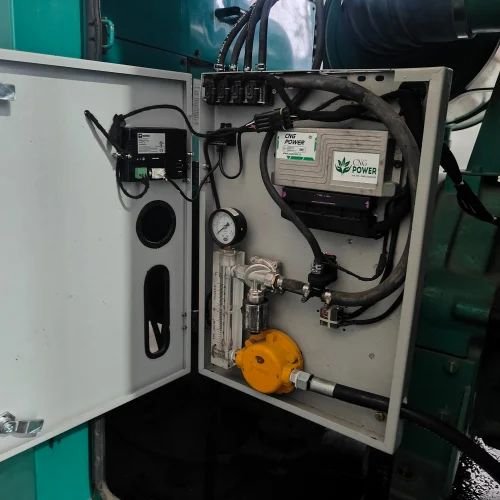
Converting a diesel generator to dual fuel needs several changes. A special kitis added to the generator. This kit helps use both diesel and gas. The kit includes a gas mixerand a control unit. The mixer blends gas with air for the engine. The control unit manages fuel flow to the engine. Another important change is adding a fuel valve. This valve switches between diesel and gas. Proper installation is crucial for safety and efficiency. Always consult a professional for these modifications.
Conversion costs depend on the generator size and type. A basic conversion kit can cost a few hundred dollars. Larger generators may require more expensive kits. Labor costs add to the total expense. Hiring a professional ensures safe and proper installation. Fuel costs may reduce after conversion. Using gas is often cheaper than diesel. Consider these factors before converting your generator.
Performance And Efficiency Gains
Converting a diesel generator to dual fuel can enhance performance and efficiency. This upgrade offers flexibility, using both diesel and gas, potentially reducing fuel costs. By adapting existing systems, it also minimizes environmental impact while maintaining power reliability.
Fuel Consumption Improvements
Converting a diesel generator to dual fuel can lead to better fuel usage. This change allows the generator to use both diesel and natural gas. As a result, the generator may consume less diesel. This can save moneyand make the generator run smoother. Dual fuel generators often have more stable power output. They can adjust to different fuel types easily.
Environmental Impact
Using dual fuel can be gentler on the environment. Natural gas burns cleaner than diesel. This means fewer harmful emissionsare released into the air. Lower emissions can help keep the air cleaner. It can also make the generator meet stricter pollution rules. This change can be a small step towards a healthier planet.
Challenges And Limitations
Converting a diesel generator to dual fuel presents technical challenges. Compatibility issues and cost considerations can limit feasibility. Efficient conversion demands expertise and specialized equipment.
Technical Challenges
Converting a diesel generator to dual fuel is hard. It needs special parts and tools. Different engines need different solutions. Mixing fuel types can be tricky. Engines must handle two types of fuel well. Changes can affect engine performance. Skilled technicians are needed for the job.
Regulatory Issues
Many rules control fuel conversions. Countries have different laws. Some places need special permits. Safety standards are very important. Failure to follow rules can lead to penalties. It’s important to know local laws. Proper documentation is often required.

Credit: www.indiamart.com
Case Studies
Converting a diesel generator to dual fuel can enhance efficiency and reduce fuel costs. The process involves integrating a system that allows the generator to use both diesel and gas, offering flexibility and improved environmental impact. This transformation can be a practical solution for businesses seeking to optimize energy consumption.
Successful Conversions
Many diesel generators can switch to dual fuel. A big factory changed their generator. It now uses natural gas and diesel. They cut costs by 30%. Fuel use became more efficient. Emissions dropped significantly. Another company in the city did the same. Their generator runs smoother now. Maintenance costs lowered. The process was fast and safe.
Lessons Learned
Switching fuels taught important lessons. Planning is key before conversion. Choose the right conversion kit for your generator. Some kits are better for big generators. Others fit small ones best. Training for staff is crucial. They need to handle the new system. Regular checks are a must. They keep the generator running well. Safety checks are very important too.
Future Of Dual Fuel Generators
Diesel generators can be converted to dual fuel, offering flexibility with both diesel and natural gas. This conversion enhances fuel efficiency and reduces emissions, making it a practical choice for eco-friendly power solutions.
Technological Innovations
Dual fuel generators are becoming more popular. Technology helps them use both diesel and gas. This makes them more efficient. Engineers work hard to make them better. They want them to be safe and reliable. New systems make it easy to switch fuels. Sensors help monitor fuel levels. This keeps them running smoothly. Families and businesses enjoy these benefits.
Market Trends
Many people want dual fuel generators now. They are a smart choice. Eco-friendly options attract buyers. These generators use cleaner energy. The market is growing fast. Prices are becoming more affordable. People like saving money on fuel. Companies offer more models each year. They want to meet customer needs. It’s an exciting time for everyone.

Credit: www.indiamart.com
Frequently Asked Questions
What Are The Cons Of Dual Fuel Generators?
Dual fuel generators can be more expensive than single fuel models. They require regular maintenance for optimal performance. Users might face challenges with fuel availability and storage. These generators can be bulkier and heavier, impacting portability. Fuel conversion efficiency might vary, affecting overall operational cost.
What Is A Dual Fuel Kit For A Generator?
A dual fuel kit allows a generator to run on both gasoline and propane. It offers flexibility and extended fuel options. Installing a kit can enhance fuel efficiency and reduce running costs. Ideal for emergencies and outdoor activities, it ensures reliable power supply in diverse situations.
What Is A Downside Of Using Diesel Generators?
Diesel generators emit harmful pollutants, impacting air quality and contributing to environmental pollution. They also require regular maintenance, which can be costly. Noise pollution is another concern, affecting surrounding areas. Diesel fuel prices can fluctuate, increasing operational costs. Their efficiency declines over time, necessitating frequent checks and replacements.
Can A Diesel Generator Be Converted To Gas?
Yes, you can convert a diesel generator to gas. The process involves changing the fuel system and engine components. It’s crucial to consult professionals for proper conversion to ensure efficiency and safety. Converting can improve environmental impact and fuel availability.
Always consider costs and benefits before proceeding.
Conclusion
Converting a diesel generator to dual fuel offers benefits. It’s cost-effective and environmentally friendly. You can save on fuel costs. Plus, it reduces emissions. The process isn’t too complex. But, it requires professional help. Safety is key during conversion. Always consult an expert.
It’s a worthwhile investment for many. Dual fuel systems offer flexibility. They adapt to fuel availability. Many find it a smart choice. Especially for businesses or homes needing reliable power. Consider the pros and cons carefully. Make an informed decision.
Your energy needs and budget will guide you.