Imagine a stormy night when the power suddenly goes out. Darkness envelops your home, and your appliances fall silent.
In moments like these, having a reliable backup power source can make all the difference. You might wonder, “Can a diesel generator power a whole house? ” This question isn’t just about convenience; it’s about peace of mind and security.
Understanding the capability of a diesel generator can change how you prepare for power outages. You deserve a home that stays lit, warm, and safe, no matter what happens outside. This article will explore whether a diesel generator is the solution you need. By the end, you’ll know if it’s the right choice for your home and how it can keep your life running smoothly even when the grid fails. Stay with us to discover the benefits, potential limitations, and key factors to consider when deciding if a diesel generator is your home’s perfect power partner.
Diesel Generators: Basics
Diesel generators are machines that create electricity. They use diesel fuel for power. These generators are strong and last a long time. People use them when there is no electricity. They can power homes, schools, and even hospitals.
A diesel engine inside makes them work. This engine turns fuel into energy. The energy then becomes electricity. Diesel generators are often louderthan other types. But they are very reliable. They work well in emergencies.
People must check their generator often. This helps it stay in good shape. Diesel fuel must be stored safely. It can be dangerous if not handled right. Always read the manual before using a generator. This keeps everyone safe.
Power Capacity Of Diesel Generators
Diesel generators provide powerful energy. They can run many home appliances. Wattage measures how much power a generator gives. Load means how much power you need. Calculating wattage and load helps understand energy needs. Big generators give more wattage. They can power big homes. Small generators give less wattage. They are good for small homes.
Power ratings show how strong a generator is. High ratings mean more electricity. Ratings come from tests. Generators with high ratings are reliable. They work well during power cuts. Lower ratings mean less power. Always check the power ratings before buying. Choose a generator that matches your home’s needs.
Benefits Of Using Diesel Generators
Diesel generatorsare known for their strong reliability. They can run for long hours without stopping. This makes them perfect for emergencies. They are built with tough materials. This helps them last for many years. Many people trust them because they are durable. They can handle different weather conditions. Rain or shine, they keep working. This makes them a popular choice for homes and businesses.
Diesel generators use less fuel than other types. This makes them fuel efficient. They can run longer on the same amount of fuel. This saves money over time. Diesel fuel also stores well. It can be kept for a long time without going bad. This is useful in areas with power cuts. You can rely on them when needed. Fuel efficiency is a big benefit for many users.
Limitations Of Diesel Generators
Diesel generators can power a whole house but have limitations. Noise levels are high, and fuel costs can add up. Additionally, maintenance is frequent, requiring regular checks and servicing to ensure reliability.
Noise Levels
Diesel generators can be very loud. This noise can disturb your family. Neighbors might also find it annoying. Many people find it hard to relax with constant noise. Sleeping can become difficult. It’s like having a loud engine running in your backyard. Some generators are quieter, but they often cost more. It’s important to check the noise level before buying.
Emission Concerns
Diesel generators produce a lot of smoke. This smoke is bad for the air. It can make breathing hard for some people. Smoke from diesel can also make the house dirty. Some areas have strict rules about emissions. Using a diesel generator might not be allowed. Cleaner options are better for the environment. Always consider how much smoke a generator makes.
Sizing A Generator For Home Use
A diesel generator can power an entire house if it’s correctly sized. Calculate your home’s total wattage need first. Then, choose a generator with enough capacity to meet these needs without straining.
Calculating Household Power Needs
To find the right generator, know your home’s power needs. List all the important devices. Each device uses different watts. Check the label on each device for its wattage. Add up all the watts. This gives you the total power your house needs. Remember, devices like fridges use more power when starting.Choosing The Right Generator Size
After calculating needs, choose a generator that meets or exceeds that number. A generator’s size is in watts. Pick a generator with a bit more power than needed. This ensures it can handle sudden demands. If unsure, consult an expert. They can guide you on the best choice. `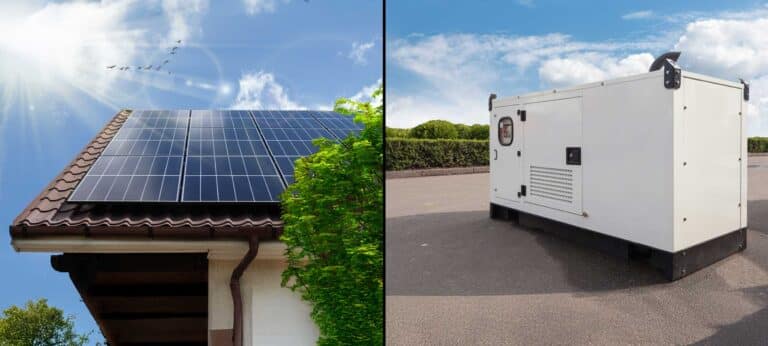
Credit: www.lumelect.com
Installation Considerations
Diesel generators can power a whole house, but installation requires careful planning. Consider your home’s power needs and generator capacity. Ensure safe connection to the electrical system for reliable operation.
Professional Installation
Diesel generatorsneed expert installation to work correctly. Professionals ensure all connections are safe. They know local codes and rules. This prevents accidents and problems. Experts check fuel lines and electrical parts. This makes the generator reliableduring emergencies.
Safety Measures
Safety is very important with generators. Keep the generator outside the houseto avoid fumes. Make sure it is away from windows and doors. Install a carbon monoxide detectorfor extra safety. Regular maintenance keeps the generator in good shape. Professionals check for leaks and worn parts.
Cost Implications
The cost of a diesel generator can be high. Prices vary based on size and brand. Large generators may need a bigger budget. Installation adds to expenses too. Setting up the generator requires professional help. Wiring and connections need expert handling. This ensures safe operation. Overall, be ready for a significant upfront payment.
Diesel generators need regular maintenance. Oil changes keep the engine running well. Filters need changing too. This helps prevent clogs. Fuel costs are another factor. Diesel prices can change often. Routine checks prevent big repairs later. Spare parts may be required occasionally. Budgeting for these costs is important.
Comparing Diesel To Other Generators
Diesel generators are known for their efficiency and durability. They use less fuel than gasoline generators. Diesel engines last longer. This makes them a good choice for long-term use. Gasoline generators are usually cheaper. They are easier to find and buy. But they need more fuel to run. This can cost more over time. Diesel engines are less noisy. They produce less smoke, which is better for the environment.
Diesel generators work even when there is no sun. They provide consistent powerday and night. Solar power depends on sunlight. It may not work well on cloudy days. Diesel engines can run heavy appliances easily. Solar power might struggle with big loads. Solar panels are clean and green. They don’t pollute the air. Diesel engines need fuel, which can cost money. Solar power is free after installation, but panels are expensive to install.
Real-life Applications
Powering a whole house with a diesel generator is possible. It can efficiently supply electricity during outages. Factors like generator size and fuel capacity determine its effectiveness in meeting household energy needs.
Case Studies
Several families have used diesel generators during power outages. In one case, a family of four lived comfortably for a week. They had enough power for lights, a fridge, and a heater. The generator ran for about 8 hours daily. Fuel consumption was manageable and cost-effective.
User Experiences
Many users praise diesel generators for their reliability. One user shared how a generator saved their frozen food. Another noted that their generator was easy to start and required little maintenance. Users often mention the long lifespan of diesel generators. Overall, diesel generators get high marks for dependability and efficiency in emergencies.

Credit: lj-machine.com
Future Of Diesel Generators
A diesel generator can power a whole house, providing reliable backup during outages. Modern designs offer efficiency and are eco-friendly, making them suitable for residential use. Advances in technology ensure they meet energy needs with minimal environmental impact.
Technological Advancements
Diesel generators are becoming smarter and more efficient. New models use less fuel. This saves money and helps the environment. Some generators now have smart controls. These controls adjust power based on needs. This means less waste and better performance. Many generators are now quieter. This makes them more suitable for homes.
Environmental Regulations
New rules are making diesel generators cleaner. They must produce less pollution. This is good for the planet. Manufacturers are working hard to meet these rules. They are using better filters and new technologies. This makes generators safer for the environment. People can feel better about using them. Following these rules also helps protect our air and health.

Credit: www.cummins.com
Frequently Asked Questions
What Size Diesel Generator Would You Need To Run A House?
A 5kW to 7. 5kW diesel generator typically suffices for a standard home. Calculate your home’s total wattage needs first. Consider high-demand appliances like air conditioners or electric heaters. Choose a generator with a slightly higher capacity for safety and efficiency.
What Is A Downside Of Using Diesel Generators?
Diesel generators emit harmful pollutants, contributing to air pollution and environmental degradation. They can be noisy, disturbing nearby residents. Maintenance costs can be high due to frequent servicing needs. Diesel fuel prices can fluctuate, impacting operational costs. Additionally, diesel generators have a limited lifespan compared to other power sources.
How Long Can A Diesel Generator Power A House?
A diesel generator can power a house for several hours to days. The duration depends on its fuel capacity, load demand, and efficiency. Regular maintenance and sufficient fuel supply ensure optimal performance. Always calculate your home’s power needs to determine the appropriate generator size.
Will A 7500 Watt Generator Run A Whole House?
A 7500-watt generator can power essential home appliances. It may struggle with running everything simultaneously. Calculate your home’s total power needs to ensure it meets your requirements.
Conclusion
A diesel generator can power a whole house. It depends on the generator’s size. Choose one that meets your home’s power needs. Check the generator’s fuel efficiency. Consider the cost of diesel and maintenance. Compare it with other power options.
Diesel generators provide reliable backup during outages. They can keep essential appliances running. Plan wisely for installation and safety. Always follow guidelines for safe use. A diesel generator might be a good choice for you. It offers peace of mind during power interruptions.