Have you ever found yourself wondering whether a diesel generator can run without a load? You’re not alone.
This question often stirs curiosity and concern, especially if you’re looking to maximize the efficiency and lifespan of your generator. Understanding how your equipment operates under different conditions is crucial for avoiding unnecessary wear and tear. But what really happens when a diesel generator runs without a load, and how does it affect performance and longevity?
This article will unravel the truth behind this intriguing question, offering insights you won’t want to miss. Stay with us as we explore the potential consequences and provide tips for optimal generator maintenance. Your peace of mind—and perhaps your generator’s future—depends on it.
Diesel Generator Basics
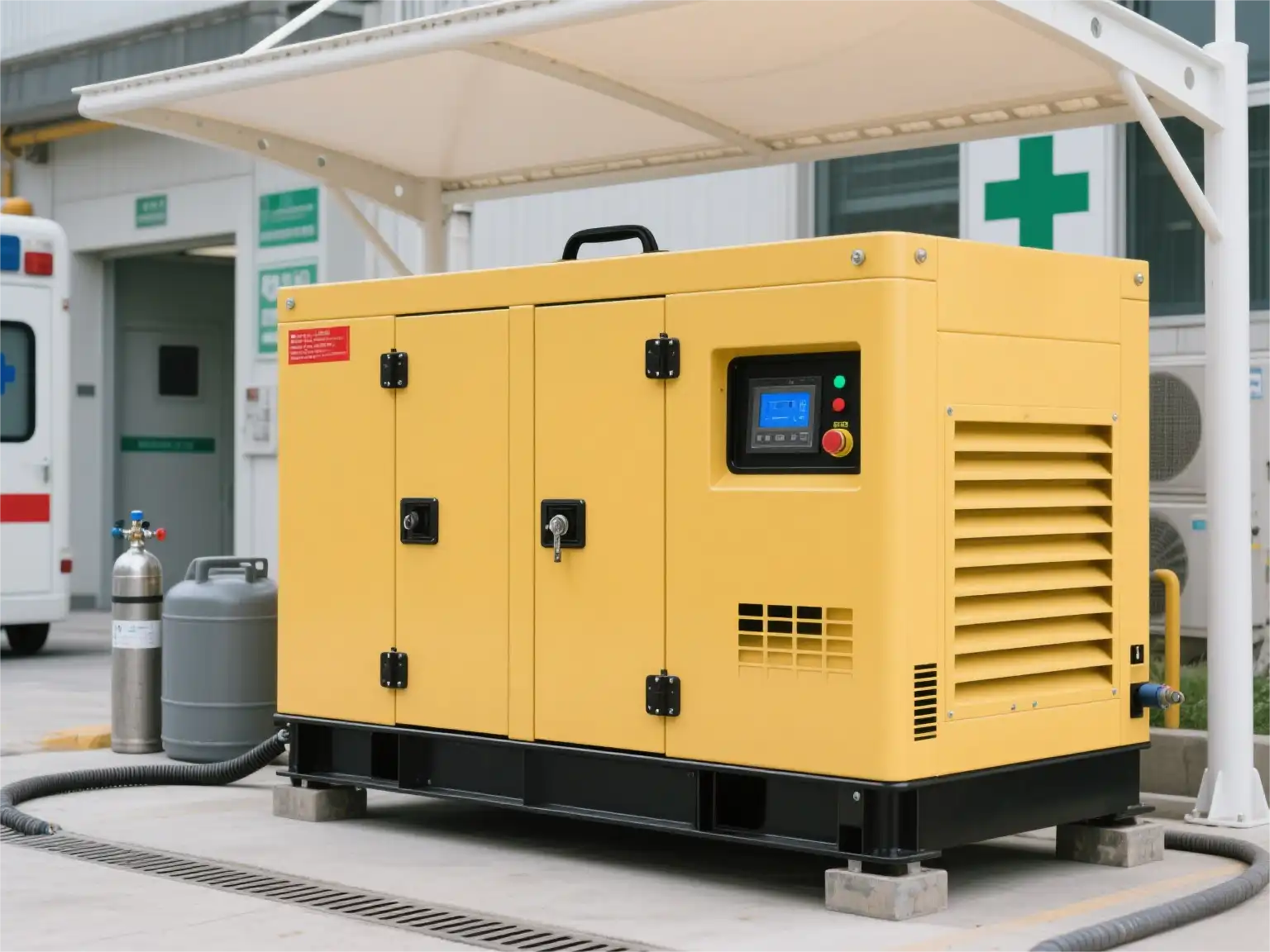
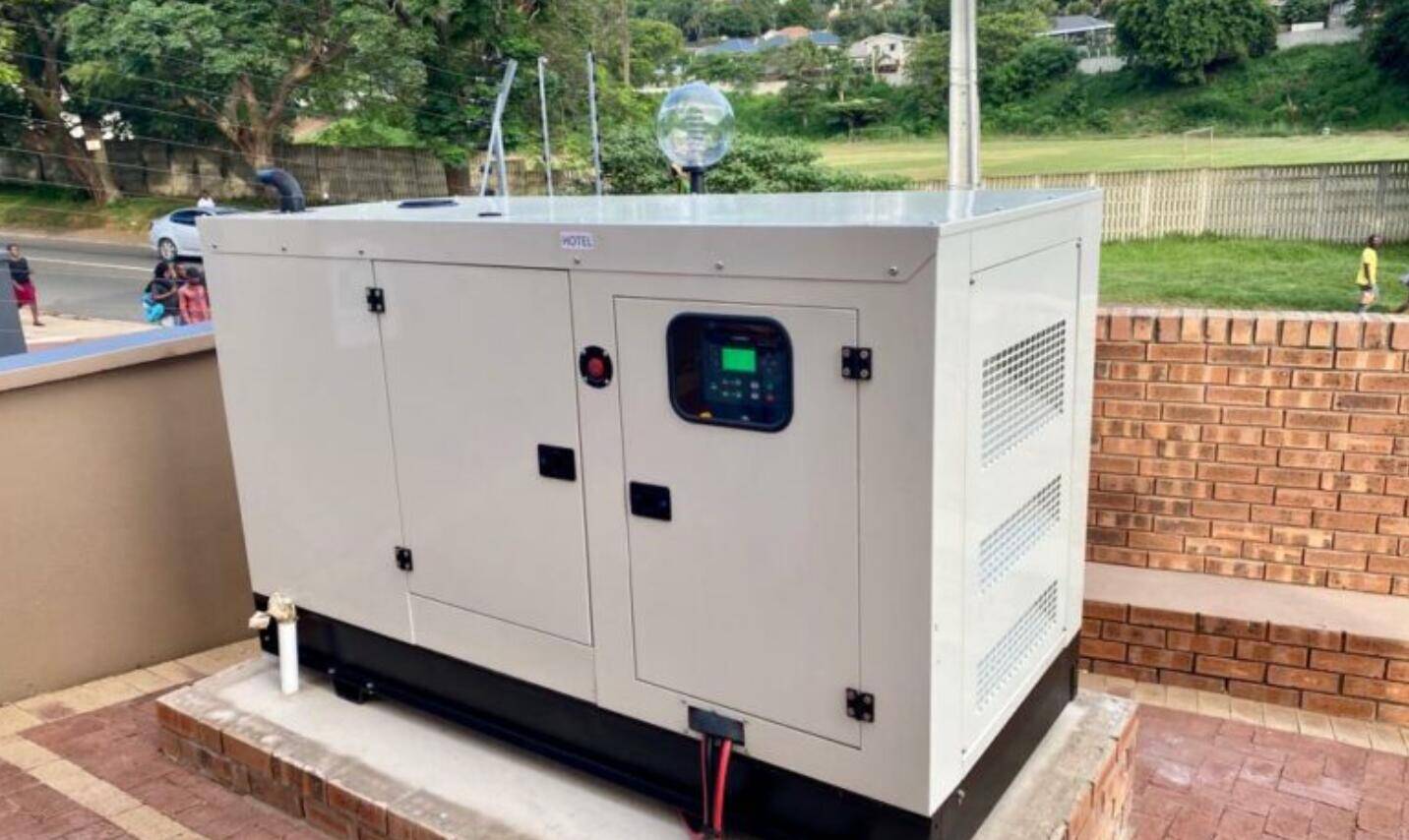
A diesel generator is made up of several key components. The engine is the main part, providing power. The alternator converts this power into electricity. A fuel system stores and delivers dieselto the engine. The control panel helps manage generator settings. Cooling and exhaust systems keep the generator from overheating. Each part plays an important role in the generator’s function.
Diesel generators are used in many places. They provide power during outages. Hospitals use them to keep machines running. Construction sites need them for tools and lights. Businesses rely on them during power cuts. They are also used in remoteareas without electricity. They ensure continuous power supply in critical situations.
Concept Of Running Without Load
A diesel generatorruns without load when it produces no electricity. The engine runs, but it doesn’t power anything. This state is called a no-load condition. It is like a car engine idling. The generator uses fuel but does no work. This can lead to certain issues if prolonged.
Generators often run without load in testing phases. This ensures they start and run properly. During maintenance, generators may also run without load. Sometimes, a power outage ends before the generator is fully loaded. In these cases, it continues running without a load for a while. Care must be taken to avoid damage during these times.
Technical Implications
Running a diesel generatorwithout a load can be harmful. The engine may not reach the needed temperature. This can cause carbon build-upinside the engine. Over time, this can damage the engine parts. Proper load helps the engine work efficiently. It ensures smooth and long-lasting operation. Running without load should be avoided for engine health.
Diesel generators need a load to be fuel-efficient. Without a load, they consume more fuel. This leads to wasted energy and higher costs. Fuel is burned but not used for work. This can lead to more frequent refueling. A proper load keeps fuel consumption in check. This is important for saving money and energy.
Credit: www.whjlmech.com
Potential Risks
Wet stackingis a common problem for diesel generators. It happens when a generator runs without enough load. Fuel does not burn completely and unburnt fuel collects in the exhaust system. This can cause black smoke and damage the engine. Over time, this buildup can lead to clogged injectors. It might even damage the turbocharger.
Regular maintenance becomes more difficult without a load. Parts may wear out faster. The engine may not reach its optimal temperature. This can cause condensation and corrosion inside the engine. Corrosioncan shorten the life of the generator. It also increases the chance of mechanical failures. Regular checks are necessary to avoid these problems. Keeping the generator healthy ensures it runs smoothly.
Manufacturer Recommendations
Diesel generators should not run without a load for extended periods. Operating without a load can cause wet stacking. This leads to unburned fuel buildup, reducing efficiency and lifespan. Manufacturer guidelines recommend avoiding this practice to maintain optimal performance and reliability.
Operational Guidelines
Diesel generatorsare designed to run with a load. Running without a load can cause problems. The engine might not work properly. Fuel efficiencycan decrease. Carbon buildupmight occur. It is important to follow operational guidelines. These guidelines ensure the generator runs smoothly. Always check the manufacturer’s manual. Look for specific instructions.
Best Practices For Longevity
- Run the generator with a load.
- Schedule regular maintenance checks.
- Use quality fuel to prevent damage.
- Keep the generator clean and dry.
- Monitor engine temperature regularly.
Following these practices extends the generator’s life. It also helps maintain its efficiency and performance.

Credit: medium.com
Alternative Solutions
Running a diesel generator without a load can lead to issues like wet stacking. This happens when unburned fuel accumulates in the exhaust. Regular maintenance and appropriate load management help prevent these problems.
Load Bank Testing
Diesel generators need tests to stay healthy. One way is Load Bank Testing. This test checks if the generator works well. It simulates a real load. This helps in maintaining the generator’s efficiency. Without proper testing, issues may arise. The test is safe and easy to do. It helps in spotting problems early. Regular testing keeps the generator ready for emergencies.
Smart Load Management
Smart Load Management helps in balancing the load. It distributes the power evenly. This prevents overloading the generator. It uses technology to adjust the load. This keeps the generator working smoothly. Smart systems are becoming more common. They ensure the generator runs efficiently. These systems also save fuel and reduce wear. It’s a smart way to manage power needs.
Real-world Case Studies
Diesel generators are widely used in industries. Some factories run them without a load. This can cause problems. Generators need a load to work well. Running without a load can harm the engine. It makes the engine wear out faster. This is costly for businesses.
Companies learned to avoid running generators without a load. They found that it’s better to keep a small load. This helps the engine stay healthy. It reduces repair costs. Proper use of generators saves money. It also extends the life of the machine. Regular checks are important. Maintenance keeps the generator working well. It prevents unexpected breakdowns.
Credit: waltpower.com
Frequently Asked Questions
Is It Okay To Run A Generator Without A Load?
Running a generator without a load occasionally is okay. It helps in maintenance checks. However, prolonged no-load operation can cause engine carbon build-up and wet stacking. Regularly apply a load to prevent these issues. Always follow the manufacturer’s guidelines for optimal performance and longevity.
How Long Does It Hurt A Generator To Run Without Load?
Running a generator without load for long periods can cause engine damage. It leads to wet stacking and carbon buildup. Regularly operating under load improves efficiency and prevents issues. Limit no-load running time to avoid potential harm. Always consult the manufacturer’s guidelines for specific recommendations.
What Is The Minimum Load For A Diesel Generator?
Diesel generators should ideally run at 30-40% of their maximum capacity. Operating below this can cause inefficiencies and potential damage. Running at this load range ensures optimal performance, reduces maintenance costs, and extends the generator’s lifespan. Always consult the manufacturer’s guidelines for specific recommendations.
Is Underloading A Generator Bad?
Underloading a generator can lead to inefficient performance and potential damage. Generators operate best at optimal loads. Consistent underloading may cause carbon build-up and reduce lifespan. Regularly assess load requirements to maintain generator efficiency and longevity. Proper usage ensures better power output and prevents unnecessary wear.
Conclusion
Diesel generators need load to function well. Running without a load can cause issues. Parts may wear out faster. Efficiency drops too. Regular maintenance is crucial for long life. Use loads that match the generator’s capacity. This keeps it running smoothly.
Costs stay manageable. Problems can be prevented with proper care. Know your generator’s needs. This knowledge ensures better performance. Your investment lasts longer. Always consult experts if unsure. Safe operation is key. Remember these tips for a reliable generator.