Imagine it’s a sweltering summer afternoon and your air conditioner suddenly stops working due to a power outage. You start sweating just thinking about the discomfort.
But wait! You have a dual fuel generator. The question is, can this powerhouse of a machine run your air conditioner? Understanding this could save you from those unbearable hot days. We will explore whether a dual fuel generator is capable of keeping your air conditioner running smoothly when you need it most.
Stay with us to discover how you can enjoy cool comfort even when the grid fails you. This could be the game-changer for your home energy needs!

Credit: westinghouseoutdoorpower.com
Dual Fuel Generators Explained
Dual fuel generators can power air conditioners efficiently. They offer flexibility by using gasoline or propane. Perfect for emergencies or outdoor events.
What Are Dual Fuel Generators?
Dual fuel generators use two types of fuel: gasoline and propane. This makes them flexible and reliable. Gasoline is easy to find. Propane is clean and stores well. These generators switch fuel with ease. Users like the freedom this provides. Power outages are less scary with dual fuel options.
How They Work
Dual fuel generators have a special engine. This engine runs on gasoline or propane. Users select the fuel type with a switch. The generator starts and powers devices. Air conditioners can be powered this way. Dual fuel generators are strong and efficient. They provide power during emergencies. This makes them a popular choice for homes and businesses.

Credit: www.generac.com
Air Conditioner Power Requirements
Dual fuel generators can power an air conditioner, offering flexibility and efficiency. They switch between gas and propane, ensuring reliable operation. This adaptability makes them a practical choice for cooling needs, especially during power outages or in remote locations.
Types Of Air Conditioners
Air conditioners come in many types. Window unitsare common. They fit into windows easily. Portable unitsare movable. You can place them anywhere. Central air systemscool large areas. They need more power. Mini-split systemsare efficient. They have units inside and outside. Each type has different needs.
Typical Energy Consumption
Air conditioners use different amounts of power. Small window units use less. They need about 500 to 1,500 watts. Portable units need similar power. Central air systems use more. They need about 2,000 to 5,000 watts. Mini-split systems are efficient. They need around 700 to 2,000 watts. Power needs change by model and size.
Generator Capacity And Output
Dual fuel generators can power air conditioners if their capacity matches the AC’s requirements. It’s essential to check the generator’s output and the air conditioner’s wattage. Proper alignment ensures efficient operation without overloading the system.
Measuring Generator Power
A generator’s power is measured in watts. This tells how much electricity it can make. Bigger generators make more power. But they use more fuel too. It’s important to know how much power your devices need. This helps choose the right generator.
Matching Generator To Air Conditioner Needs
An air conditioner needs a lot of power. Check the starting wattsand running wattsit needs. Starting watts are higher because the air conditioner needs more power to start. Running watts are lower because it needs less power to keep going. Match these numbers with your generator’s output. This ensures your air conditioner runs smoothly without problems.
Credit: www.outdoorlife.com
Benefits Of Using Dual Fuel Generators
Dual fuel generators efficiently power air conditioners by using gasoline or propane. They offer flexibility and reliability during power outages. This versatility ensures continuous comfort, especially in emergencies.
Fuel Flexibility
Dual fuel generators can use both gasoline and propane. This gives users more options. Gasoline is easy to find. Propane is cleaner and lasts longer. Choose the best fuel based on need and availability. This flexibility is great during emergencies. It ensures that power stays on when needed.
Cost Efficiency
Using propane can be cheaper than gasoline. It often costs less per gallon. Propane can also be stored for long times. This helps in saving money on fuel. Dual fuel generators allow switching fuels. This helps in using the cheaper option. Saving money becomes easier with such flexibility.
Limitations And Considerations
Understanding power capacity is crucial for dual fuel generators. Air conditioners require significant wattage, which might strain smaller generators. Evaluate fuel efficiency and power output to ensure reliable performance during peak usage. Consider starting and running wattage needs to avoid overloading the generator.
Potential Drawbacks
Dual fuel generators have some limitations. They may not handle large air conditioners well. Smaller generators might struggle with the power needed. Fuel consumption can be high, leading to more frequent refueling. Noise levels can also be a concern, as they can be quite loud. Maintenance might be another drawback, as dual fuel systems can be more complex. Understanding these limitations helps in making a better choice.
Environmental Impact
Using dual fuel generators has an environmental impact. They burn fossil fuels, which contribute to air pollution. Generators can release harmful emissions into the atmosphere. Noise pollution is also a concern with these machines. Choosing a generator with lower emissions can be better for the environment. Being mindful of fuel use helps reduce the carbon footprint. Consider these factors when deciding on a generator.
Choosing The Right Generator
Choosing the Right Generator A dual fuel generator can power an air conditioner efficiently. It offers flexibility by running on gasoline or propane. Ideal for ensuring comfort during power outages, it provides a reliable energy solution.
Factors To Consider
Generators have different power capacities. Check the power needsof your air conditioner. Big air conditioners need more power. Small ones use less. Look at the generator’s wattage rating. It should match or exceed the air conditioner’s needs. Consider fuel type too. Dual fuel generators use gas and propane. This gives more options for fuel. Noise level matters. Quiet generators are better for homes. Portability can be important. Easy-to-move generators are useful. Check the priceand your budget.
Popular Models And Brands
| Brand | Model | Features |
|---|---|---|
| Champion | 3400-Watt | Dual Fuel, Quiet Operation |
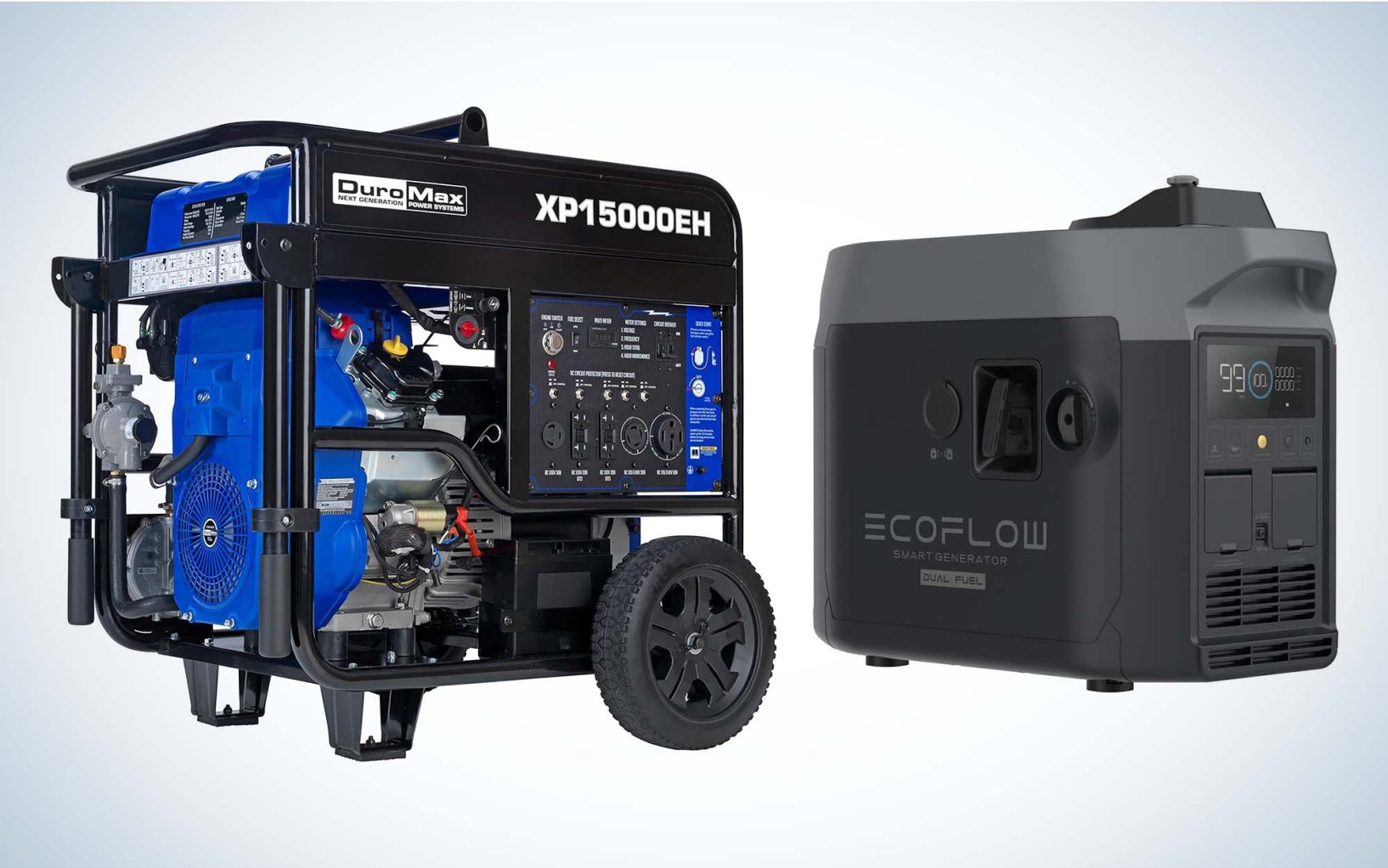
| DuroMax | XP4850EH | Electric Start, Portable |
| Westinghouse | WGen7500DF | High Power, Dual Fuel |
Frequently Asked Questions
How Big Of A Generator Do You Need To Run An Ac Unit?
To power an AC unit, choose a generator with at least 5,000 watts. Match the generator size to your AC’s wattage needs. Check the AC’s startup and running wattage for accuracy. Always select a generator slightly larger than the AC’s requirements to ensure reliable performance.
What Kind Of Generator Will Power My Ac Unit?
Choose a generator that matches your AC unit’s wattage requirements. Consider a portable or standby generator with sufficient capacity. Check your AC unit’s startup and running watts for compatibility. Proper sizing ensures efficient operation and prevents overload. Consult a professional to ensure the generator meets your needs.
Can I Plug My Hvac Into A Generator?
Yes, you can plug your HVAC into a generator. Ensure the generator provides adequate power. Check the HVAC’s wattage and the generator’s capacity. Use appropriate safety measures and consult a professional if unsure. Regular maintenance ensures optimal performance and safety.
Always follow manufacturer guidelines for both devices.
Will A Honda 2200 Watt Generator Run A 13500 Btu Air Conditioner?
A Honda 2200 watt generator can run a 13,500 BTU air conditioner if the AC’s starting wattage is within the generator’s capacity. Check the air conditioner’s starting and running watts. Most 13,500 BTU units need more than 2,200 watts initially, so consider an inverter generator with higher wattage.
Conclusion
A dual fuel generator can power an air conditioner. It’s a reliable choice. These generators offer flexibility. They run on gasoline or propane. This dual option ensures power availability. Air conditioners need consistent energy. Generators deliver this. They are portable and efficient.
Perfect for home or camping use. Consider generator capacity. Match it with your air conditioner needs. Proper maintenance is vital. It ensures longer generator life. Safety should always be a priority. Always follow manufacturer guidelines. Choosing a dual fuel generator is practical.
It provides peace of mind.