Imagine you’re relying on solar power to keep your home running smoothly. It’s eco-friendly and cost-effective, but what happens when the sun isn’t shining?
You might wonder if a generator could step in to charge your solar batteries. This thought has crossed the minds of many, and it’s a question worth exploring. You’re not alone if you’ve pondered this possibility. With the unpredictability of weather and the increasing need for reliable energy sources, understanding how generators and solar systems can work together is crucial.
Picture a scenario where your power needs are met effortlessly, regardless of the season or weather conditions. We’ll uncover the truth behind using a generator to charge solar batteries. You’ll discover whether it’s a viable solution, how it works, and what you need to consider to make it happen. By the end, you’ll have a clear picture of how you can ensure your solar-powered lifestyle is as seamless and efficient as possible. Dive in to find out more and take control of your energy future!
Generator Basics
Generators play a crucial role in providing electricity during power outages. They serve as backup power sources, ensuring continuous energy flow. Generators can also charge solar batteries. This is vital when solar panels can’t produce enough power. Understanding how generators work helps in making informed decisions.
Types Of Generators
Generators come in various types, each with unique features. The most common are portable, standby, and inverter generators.
- Portable Generators:These are versatile and easy to move. They are perfect for temporary power needs.
- Standby Generators:These are installed permanently. They automatically start during a power outage.
- Inverter Generators:These provide clean and stable power. They are ideal for sensitive electronics.
How Generators Work
Generators convert mechanical energy into electrical energy. This process involves several components. An engine powers the generator. It runs on fuel like gasoline or diesel. The engine turns a rotor inside the generator.
The rotor spins within a magnetic field. This creates electrical current. The generator then delivers this current to power devices or charge batteries. Some generators offer voltage regulation. This ensures consistent power output.
Solar Battery Essentials
Solar batteries are crucial for storing solar energy. They ensure power availability during cloudy days or at night. Understanding their essentials helps in efficient energy use.
Types Of Solar Batteries
Different solar batteries suit various needs. Common types include:
- Lead-Acid Batteries:Affordable and reliable. Suitable for home systems.
- Lithium-Ion Batteries:Lightweight and long-lasting. Ideal for modern setups.
- Nickel-Based Batteries:Durable but expensive. Often used in industrial applications.
Charging Mechanisms
Solar batteries rely on specific charging methods. Efficient charging ensures battery longevity.
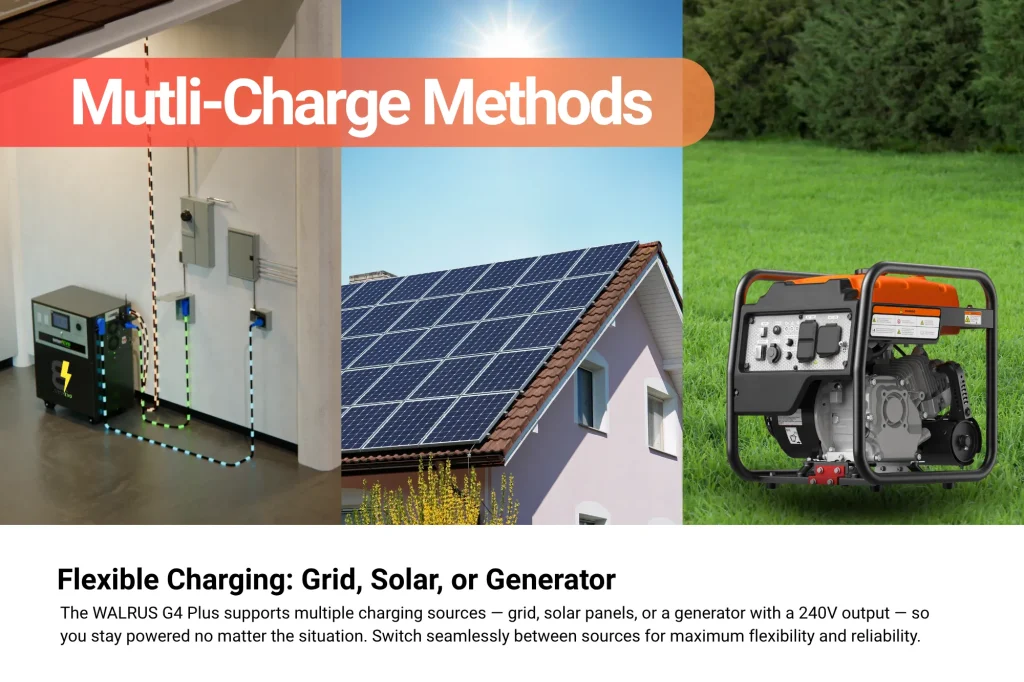
- Solar Panels:Direct energy source. Converts sunlight into electricity.
- Generators:Backup charging option. Useful during low sunlight periods.
- Grid Power:Charges batteries when solar is insufficient. Ensures constant power.
Compatibility Factors
A generator can charge solar batteries if compatible with the battery type and capacity. Proper voltage matching and connections ensure effective charging. Consider the generator’s output and battery requirements for optimal performance.
When you’re considering using a generator to charge solar batteries, understanding compatibility factors is crucial. It’s not just about connecting a few wires and hoping for the best. You need to ensure that your generator and solar battery system work harmoniously to avoid any mishaps or inefficiencies. Let’s dive into some key compatibility factors you should consider.Voltage And Current Requirements
One of the first things to check is whether the voltage and current from your generator match the requirements of your solar batteries. If the voltage is too high, you risk overcharging and damaging your batteries. On the other hand, too low a voltage might not charge the batteries at all. Make sure to read the specifications of both your generator and battery. A mismatch could lead to inefficient charging or, worse, damage to your equipment.Safety Considerations
Safety should always be a priority when charging solar batteries with a generator. Improper connections or incompatible equipment can lead to hazards like short circuits or even fires. Consider using a charge controller to regulate the flow of current and prevent overcharging. It’s a small investment that can save you a lot of trouble. Always double-check the wiring and ensure it’s secure before turning on the generator. Are you willing to risk your safety by skipping these simple checks?
Credit: www.facebook.com
Benefits Of Using Generators
Generators provide a reliable backup to charge solar batteries during low sunlight. They ensure continuous power availability, especially in emergencies. This combination of solar and generator power offers flexibility and peace of mind.
When solar panels do not produce enough power, generators can help. They provide a reliable backup energy source. This ensures continuous power supply even during cloudy days. Using generators has several benefits for solar battery charging. Let’s explore these advantages.Enhanced Energy Independence
Generators can boost your energy independence. They offer an alternative power source. This means you rely less on the grid. During power outages, your home stays powered. You can enjoy peace of mind. Generators ensure you are always ready for emergencies.Cost-effectiveness
Generators can be cost-effective for solar battery charging. They help save money in the long run. When sunlight is scarce, generators fill the gap. This reduces the need for costly grid electricity. Over time, this can lower your energy bills. Investing in a generator can lead to future savings.Challenges And Limitations
Connecting a generator to charge solar batteries presents challenges. Generators might not provide the consistent output required. Additionally, using them can lead to compatibility issues with solar systems.
Charging solar batteries with a generator is not as straightforward as it might seem. While it sounds like a practical backup solution, there are several challenges and limitations to consider. Understanding these can help you make an informed decision about whether this approach suits your needs.Technical Barriers
Generators and solar battery systems often have compatibility issues. The voltage output of a generator might not match the requirements of a solar battery. This mismatch can lead to inefficient charging or even damage to your battery. Moreover, you may need additional equipment like an inverter or a charge controller. These devices ensure the power output is regulated and safe for your solar battery. Without them, you risk overcharging or undercharging, which can significantly shorten the battery’s lifespan.Environmental Impact
Generators typically run on fossil fuels, contributing to air pollution and greenhouse gas emissions. Using a generator to charge your solar batteries might seem counterintuitive if your goal is sustainability. Consider the noise pollution as well. Generators can be quite loud, disturbing your peace and potentially bothering your neighbors. If you’re using a generator frequently, its environmental footprint can become significant over time. Have you thought about how often you would actually need to rely on a generator? Is the convenience worth the environmental cost? These questions can guide you in weighing the pros and cons effectively.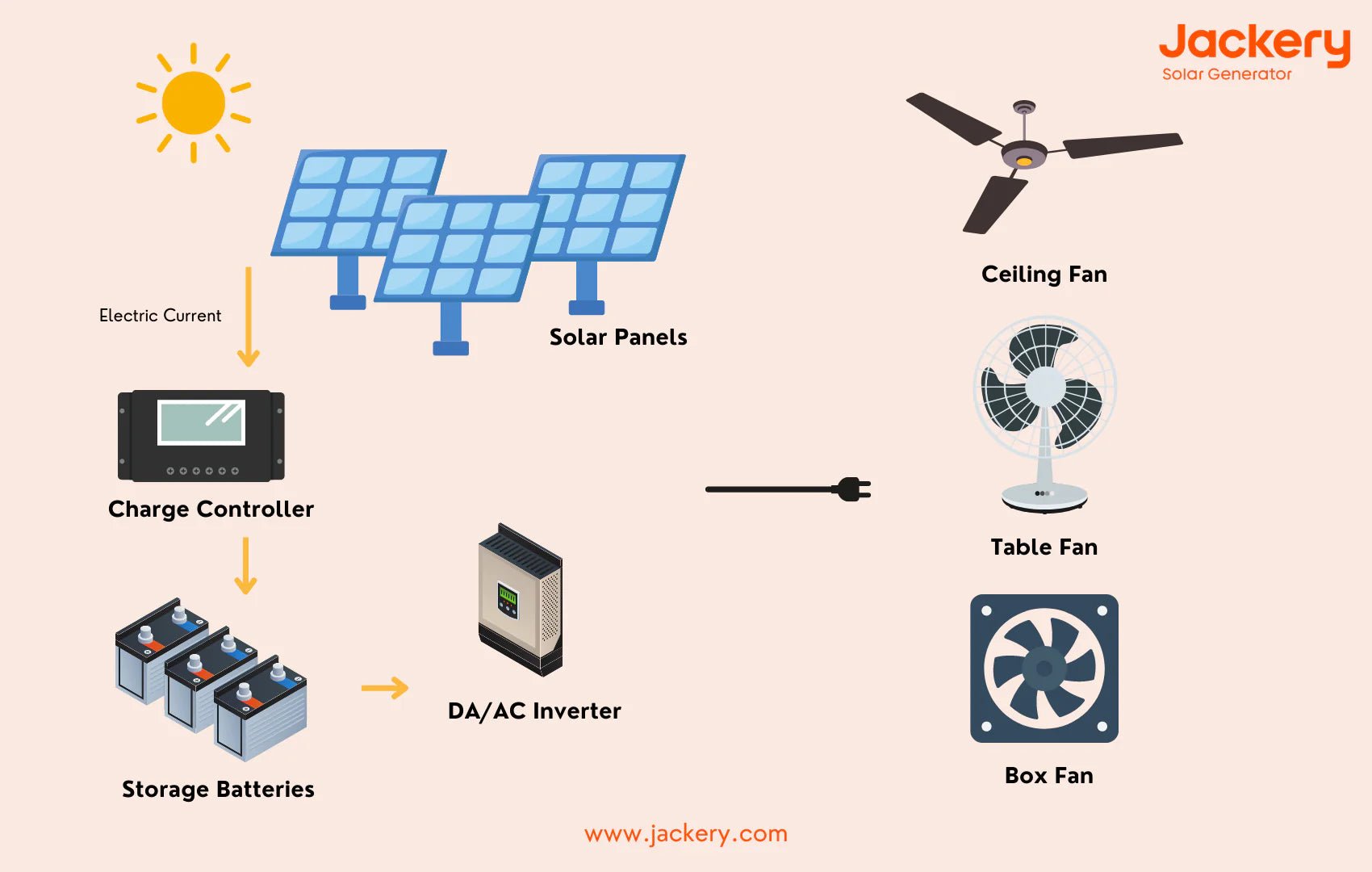
Credit: www.jackery.com
Technological Innovations
As the world moves towards cleaner energy solutions, the integration of solar batteries with generators is gaining momentum. Technological innovations have paved the way for more efficient and intelligent systems that can seamlessly bridge the gap between traditional power sources and renewable energy. You might wonder how this synergy is possible and what it means for your energy needs.
Hybrid Systems
Hybrid systems are at the forefront of this technological advancement. These systems combine solar panels, batteries, and generators to create a versatile power solution. Imagine having the ability to harness the sun’s energy during the day and still keep your devices running efficiently at night through generator support. This not only enhances energy reliability but also optimizes battery life.
Consider the convenience of having a setup that automatically switches between solar and generator power based on your usage. Hybrid systems can provide continuous energy without the hassle of manually managing power sources. Wouldn’t it be reassuring to know your power supply is consistently reliable?
Smart Charging Solutions
Smart charging solutions have revolutionized the way generators interact with solar batteries. These systems intelligently assess the battery’s charge level and decide when to activate the generator for charging. It’s like having an energy assistant that ensures you never run out of power.
Have you ever worried about overcharging your batteries or wasting fuel? With smart charging, these concerns become a thing of the past. The system optimizes charging cycles, saving both energy and costs. This innovation means you can focus on your daily tasks without fretting over energy management.
As you explore the possibilities, think about how these advancements can transform your energy consumption habits. Are you ready to embrace a smarter and more sustainable way to power your life?
Future Prospects
The future of using generators to charge solar batteries is promising, with numerous advancements on the horizon. As renewable energy sources continue to gain traction, the interplay between solar power and generator technology is becoming increasingly relevant. This section explores how these innovations could transform energy storage and utilization.
Advancements In Battery Technology
Battery technology is advancing rapidly, with new materials and designs enhancing efficiency and lifespan. Lithium-ion batteries, for instance, are becoming more affordable and efficient, providing better storage solutions.
Emerging technologies like solid-state batteries promise even greater energy density and faster charging times. Imagine a future where your solar battery charges in minutes, not hours, thanks to these innovations.
Would this mean you could rely less on generators for backup? As battery technology evolves, the need for generators might decrease, paving the way for more sustainable energy solutions.
Trends In Renewable Energy
Renewable energy is no longer just a trend; it’s becoming a mainstream choice. Solar panels are more efficient than ever, harnessing more energy from the sun’s rays.
Governments and organizations worldwide are investing in cleaner energy solutions, encouraging the use of solar power and its complementary technologies. This shift is driving innovation in both solar panels and generators, making them more compatible and efficient.
How do these trends affect you? As renewable energy systems become more integrated and efficient, you might find yourself exploring new ways to power your home or business without relying on traditional energy sources.

Credit: www.amazon.com
Frequently Asked Questions
What Size Generator Do I Need To Charge My Solar Battery?
Choose a generator with at least 20% higher wattage than your solar battery’s charging requirement. Check your battery’s voltage and amperage to determine the needed generator size. Commonly, a 2000-3000 watt generator suits most residential solar battery systems. Always consult the battery manual for precise specifications.
Can I Connect A Generator To My Solar System?
Yes, you can connect a generator to your solar system. Ensure compatibility and safety with a transfer switch. Consult a professional for installation and proper integration. This setup provides backup power during solar outages, enhancing energy reliability. Always follow manufacturer guidelines and local regulations for optimal performance.
Is It Good To Use A Generator To Charge An Inverter Battery?
Using a generator to charge an inverter battery is generally safe. Ensure compatibility between generator output and battery requirements. Regularly check the voltage and frequency to avoid damage. Proper maintenance of both generator and battery enhances performance. Always follow manufacturer guidelines for optimal results.
How Do You Charge A Solar Battery Without A Sun?
Use a solar battery charger plugged into a power outlet to charge without sunlight. Ensure compatibility with your battery.
Conclusion
Generators can charge solar batteries, providing a useful backup option. This helps maintain power during cloudy days or emergencies. Combining solar panels and generators ensures continuous energy supply. It offers flexibility in energy management. Both systems work well together, enhancing reliability.
Users benefit from consistent power without solely relying on sunlight. Generators support solar batteries, ensuring they stay charged. This partnership can meet your energy needs efficiently. Always consider your specific power requirements and system capabilities. Proper planning and understanding of both systems are essential.
This ensures optimal performance and longevity of your energy solution.