Imagine this: it’s a scorching summer day, and suddenly, the power goes out. Your home turns into an oven, and the air conditioning you rely on is now silent.
You might wonder if a home backup generator could be your savior in this situation. Can it really power your air conditioning system and keep your home cool when you need it most? You’re not alone in this thought. Many homeowners like you are curious about the capabilities of backup generators when it comes to running energy-hungry appliances like air conditioners.
The answer isn’t just a simple yes or no; it depends on several factors that we’ll delve into. By the end, you’ll have a clear understanding of whether a home backup generator is the right solution for keeping your air conditioner running smoothly during those unexpected power outages. Stay with us, and let’s explore this essential topic together.
Types Of Home Backup Generators
Home backup generators, including portable and standby types, can power air conditioning units. A generator’s capacity must match the air conditioner’s energy needs. Selecting the right generator ensures comfort during power outages.
Portable Generators
Portable generators are small and easy to move. They are perfect for short-term power needs. These generators run on gasoline or diesel. They can power basic home appliances. But they might struggle with air conditioning. Portable generators are a good choice for emergencies. They are cost-effective and reliable for short periods.
Standby Generators
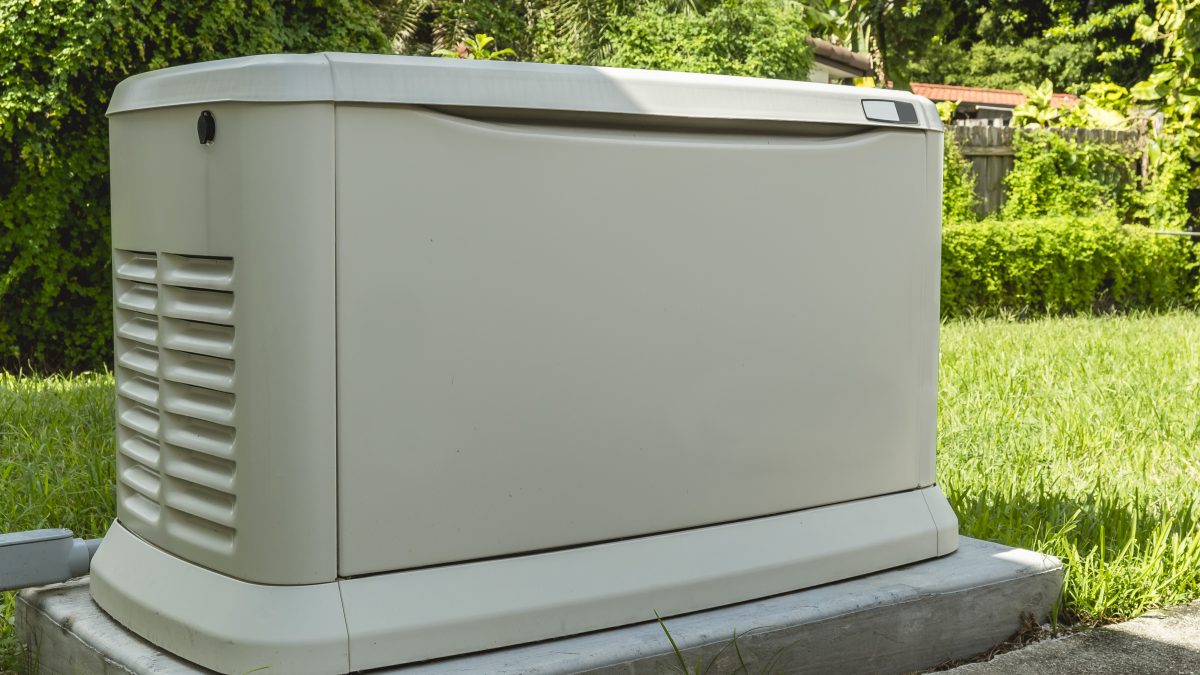
Standby generators are bigger and more powerful. They are installed permanently outside a home. These generators start automatically during a power outage. They can run on natural gas or propane. Standby generators can easily power air conditioning. They offer a seamless power solution. But they are more expensive than portable options.
Inverter Generators
Inverter generators are advanced and quiet. They provide clean energy for sensitive electronics. These generators adjust speed based on power needs. They are more fuel-efficient than regular generators. But they may not power large appliances like air conditioning. Inverter generators are good for camping and small events. They are portable and user-friendly.
Credit: www.honestairconditioning.biz
Power Requirements For Air Conditioning
Air conditioners use BTUs to show cooling power. BTU means British Thermal Unit. Higher BTU means more cooling. Room size decides BTU needs. Small rooms need fewer BTUs. Big rooms need more BTUs. Check your air conditioner’s BTU rating. It helps to know power needs.
Air conditioners need electricity to work. Wattage shows how much power they need. Find wattage by checking BTUs. 1 BTU needs around 0.3 watts. Multiply BTUs by 0.3 to get wattage. For example, 10,000 BTUs need 3,000 watts. This helps plan generator power. Make sure generator matches wattage needs.
Generator Capacity And Efficiency
Home backup generators can run air conditioning if they have sufficient capacity. Ensure the generator’s wattage matches the AC’s needs. Efficient generators manage power better, supporting essential home appliances effectively.
Matching Generator Capacity
Generators must match the power needsof your air conditioner. Air conditioners need a lot of power. A small generator might not handle it. Check your air conditioner’s wattage. Choose a generator with enough watts to cover it. Always have a bit extra power for safety. This prevents overloading the generator.
Fuel Efficiency Considerations
Fuel efficiency is very important. Generators use different types of fuel. Common ones are gas, diesel, and propane. Each type has its own efficiency levels. Gas is often cheaper but burns faster. Diesel is more efficient but might cost more. Propane is clean and has a long shelf life. Choose a fuel type that suits your needs and budget.
Credit: fahrenheitacfl.com
Compatibility With Air Conditioning Units
Home backup generators can power air conditioning units. But compatibility depends on the generator’s capacity and the AC unit type. Single-phase units are common in homes. They are easier for generators to support. Three-phase units are more complex. They need more power and can be challenging for smaller generators. Choosing the right generator size is key. It ensures the AC runs smoothly without overloading.
Single-phase units use less power. They are ideal for small generators. Three-phase units need more power. They suit commercial or large residential spaces. Knowing your AC unit type helps in selecting the right generator.
- Turn off non-essential appliances to save power.
- Use a load management system for better efficiency.
- Schedule heavy appliances to run at different times.
- Monitor power usage to prevent overloads.
- Consider upgrading the generator for larger loads.
Installation And Safety Precautions
Installing a home backup generator requires attention to safety. Ensure the generator can handle your air conditioning’s power needs. Follow manufacturer guidelines for safe operation and regular maintenance.
Professional Installation
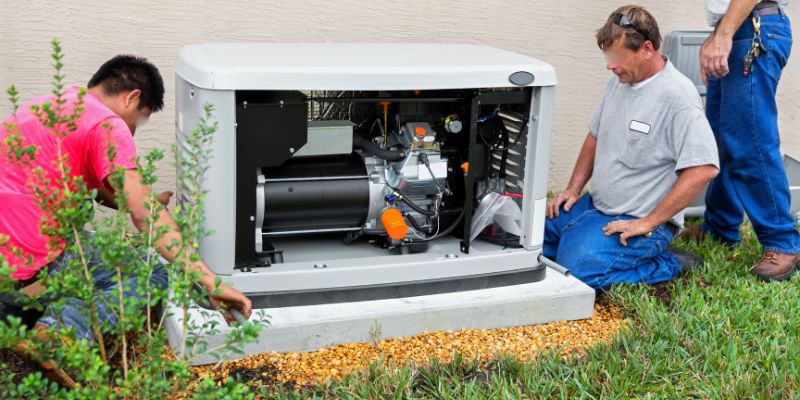
Expert helpis crucial for installing a home backup generator. It ensures everything works safely. A professional knows the correct steps and follows all rules. This helps avoid mistakes. Wrong installation can damage your generator. It might even harm your home. Experts also check if your air conditioning system is compatible. They make sure all connections are secure. This protects your home and family.
Safety Protocols
Following safety rules is very important. Keep the generator outside, far from windows. This stops harmful fumes from entering the house. Never run a generator indoors. It can be very dangerous. Always read the manual before use. Follow all the instructions given. Turn off the main power before starting the generator. This prevents power surges. Regular checks and maintenance keep the generator safe to use.

Credit: vtoman.com
Cost Implications
Running an air conditioner with a home backup generator can increase fuel costs. Generators need to be powerful enough, which might mean a higher initial investment. Maintenance and fuel consumption add to ongoing expenses.
Initial Investment
A home backup generator can be a big investment. Prices vary based on size and power. Smaller generators might be cheaper but may not run an air conditioner. Larger generators can cost more but handle bigger loads. Think about what you need to power. Installation costs add to the overall price. It’s important to budget for these expenses.
Maintenance Costs
Generators need regular maintenance to work well. Oil changes and filter replacements are common tasks. Professional checks can ensure it runs smoothly. These costs can add up over time. Spending on maintenance keeps the generator reliable. Remember, neglecting maintenance can lead to bigger problems later.
Environmental Considerations
Generators can produce harmful emissions. These emissions affect air quality. Some generators are noisy. Noise pollution can disturb neighbors. Newer models are quieter and cleaner. They use advanced technology. Choosing the right model is important.
- Solar-powered generatorsare clean and quiet.
- Wind-powered generatorswork well in windy areas.
- Battery-powered options store energy efficiently.
- Hybrid models use multiple energy sources.
Alternatives To Backup Generators
Solar panels and battery storage systems offer eco-friendly alternatives to backup generators. These options can efficiently power air conditioning during outages, ensuring comfort without relying on traditional generators.
Battery Storage Systems
Battery storage systems store energy for later use. They are quiet and clean. No fuel is needed. Batteries work with solar panels. They store solar energy during sunny days. This energy can power your home at night. Batteries are safe and require low maintenance. They help during power cuts, keeping lights on. They provide power for a few hours, not days.
Solar Power Solutions
Solar panels convert sunlight into electricity. They are installed on rooftops. Panels work well in sunny places. Solar energy is free and renewable. It reduces electricity bills. Solar systems can power small appliances. With batteries, they can run bigger devices. Solar power is good for the environment. It helps reduce carbon footprint. Panels require little maintenance. They have a long lifespan, often over 25 years.
Frequently Asked Questions
How Big Of A Generator Do I Need To Run My Air Conditioner?
A generator between 3,000 to 6,000 watts typically powers a standard air conditioner. Check your AC’s wattage requirements for precision. Ensure your generator can handle startup surge, which is higher than running watts. Always verify your specific air conditioner’s wattage to choose the correct generator size.
Can I Run My Home Air Conditioner With A Generator?
Yes, you can run a home air conditioner with a generator. Ensure the generator’s wattage matches the air conditioner’s requirements. Portable generators can power small units, while larger generators are needed for central systems. Always check compatibility and safety guidelines for efficient operation.
Can A 10,000 Watt Generator Run A 3 Ton Ac Unit?
A 10,000 watt generator can run a 3-ton AC unit. AC units typically require 3,500 to 4,000 watts. Ensure additional wattage for startup surge and other appliances. Always check the generator’s capacity and the AC unit’s specifications for compatibility.
Will A 1000 Watt Generator Run An Air Conditioner?
A 1000 watt generator may not run a standard air conditioner. Most require 1500 to 3000 watts. Always check the air conditioner’s wattage requirements before use. Consider using energy-efficient or portable models for a better fit.
Conclusion
A home backup generator can run air conditioning, ensuring comfort during outages. It’s essential to check the generator’s capacity. Match it with your air conditioner’s power needs. This helps avoid overloading. Proper maintenance of the generator is crucial. It keeps the system running efficiently.
Regularly test and service your generator. This ensures reliability when needed most. Investing in a suitable generator provides peace of mind. Stay cool and comfortable during power outages. Make sure to consult an expert. They can guide you on the right generator choice.