Imagine a world where your home is completely self-sufficient, where you never worry about power outages or skyrocketing energy bills. A home backup system that operates off the grid might sound like a dream, but it’s more achievable than you think.
This concept not only appeals to eco-conscious individuals but also to anyone seeking independence from traditional energy sources. You might be wondering if it’s possible to have such a system in your own home. Could it provide the security and freedom you desire?
Let’s dive into the fascinating possibilities of off-grid home backup systems and discover how they could transform your living experience. Keep reading to explore whether this sustainable energy solution is the right fit for you and your family.
Credit: www.paradisesolarenergy.com
Benefits Of Off-grid Backup Systems
Home backup systems can operate independently from the grid, providing reliable power during outages. These systems enhance energy self-sufficiency, reducing reliance on utility companies. They also offer environmental benefits by utilizing renewable energy sources like solar power.
Energy Independence
Off-grid systemsgive you control over your own power. You don’t rely on public utilities. This means no more power outages. You can use solar panels to generate electricity. Batteries store this energy for later use. This setup makes your home energy independent.
Environmental Impact
Using off-grid backup systems helps the environment. They use renewable energy sources. Solar and wind power are clean and green. They reduce pollution and carbon footprints. This is good for the planet. It protects nature and wildlife.
Cost Savings
Off-grid systems can save money over time. You pay less for electricity bills. Installation costs can be high, but savings add up. You avoid rising energy prices. Investing in off-grid systems is smart for your wallet.
Credit: gycxsolar.com
Types Of Off-grid Backup Systems
Solar power systems capture sunlight with panels. They turn sunlight into electricity. Solar panels need to be placed in sunny areas. They work best during the day. Batteries store extra power for night use. Solar power is clean and renewable.
Wind turbines use wind to make electricity. They have big blades that spin in the wind. Wind power works best in windy places. The turbines need tall towers. They make energy day and night. Wind power is also clean and sustainable.
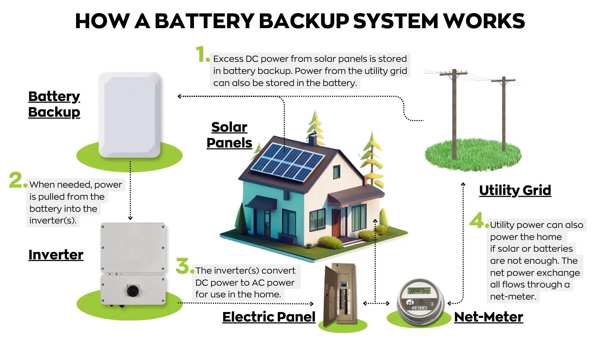
Batteries store electricity for later use. They are important in off-grid systems. Battery systems keep homes powered when the sun or wind is not strong. They can last for many years. Good batteries make the system reliable and efficient.
Challenges And Considerations
Creating an off-grid home backup system presents unique challenges. Energy storage, cost, and reliable technology are key considerations. Solar panels and batteries must be efficient to ensure sustainability.
Initial Investment Costs
Starting a home backup system can be costly. You need solar panels, batteries, and inverters. These items are not cheap. Saving money upfront is tough. But it saves money later. Planning is key. Research different brands and prices. Find the best deals. Sometimes, government rebates help. Check if you qualify. Good planning makes it easier.
System Maintenance
Keeping the system running needs regular care. Cleaning solar panels is important. Dust and dirt make them less efficient. Batteries need checking too. Make sure they charge and discharge well. Some parts wear out. Replace them when needed. Professional help might be necessary sometimes. Always follow the manufacturer’s guidelines. This keeps the system working well for longer.
Energy Efficiency
Efficient energy use is crucial. Choose appliances that use less power. LED lights save energy. Unplug devices not in use. Use smart home technology. They help manage energy better. Energy-efficient homes waste less power. This means batteries last longer. Planning and smart choices help save energy.
Comparing Off-grid And Grid-tied Systems
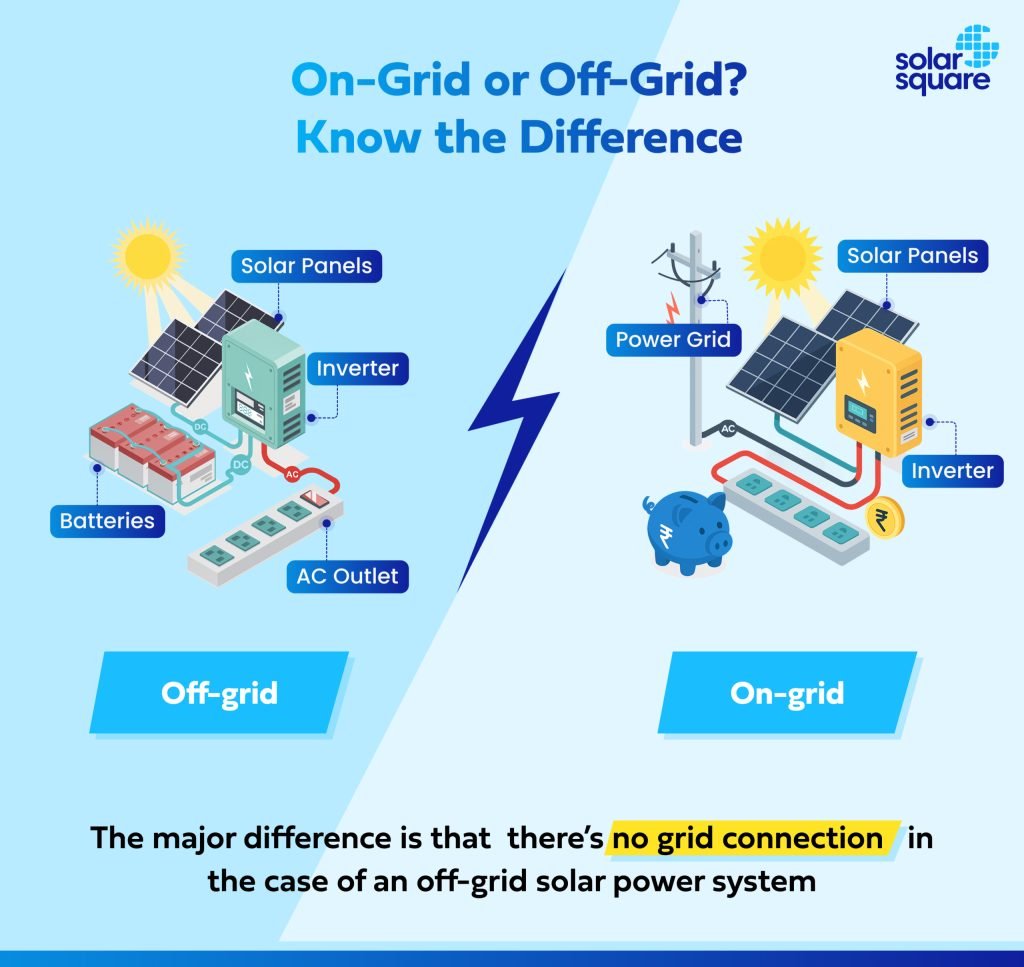
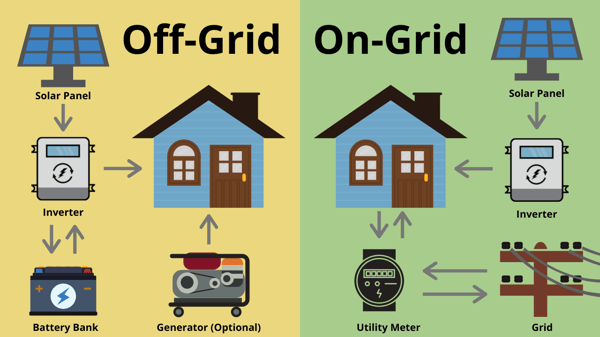
Comparing off-grid and grid-tied systems reveals distinct benefits. An off-grid home backup system operates independently, offering energy self-sufficiency. Grid-tied systems connect to the local utility, providing consistent power access.
Reliability And Stability
Off-grid systemsare independent. They don’t rely on external power sources. This makes them very stable. Grid-tied systemsconnect to the main power grid. They are more reliable in urban areas. But they depend on the grid’s condition. If the grid fails, these systems can fail too. Off-grid systems can use batteries to store power. This helps them during power cuts.
Scalability
Off-grid systems can be smaller or larger. They can grow with your needs. Adding more panels or batteries is possible. Grid-tied systems are also flexible. But they depend on grid capacity. It may not always support expansion. Planning is key for both systems.
Integration With Existing Infrastructure
Off-grid systems need new setups. They often require new wiring and equipment. This can be costly. Grid-tied systems integrate easily. They use the existing power lines. This saves time and money. Both systems need expert installation. Safety is very important.
Case Studies And Real-life Examples
Exploring the potential of a home backup system to operate off-grid can be enlightening. Real-life examples reveal how families utilize solar panels and battery storage to achieve energy independence. These case studies highlight practical solutions for sustainable living without relying on the main power grid.
Successful Off-grid Homes
Many homes thrive with an off-grid system. They use solar panels for power. Batteries store energy for night use. Some homes also use wind turbines. These homes produce enough energy year-round. Water systems collect rainwater. They purify it for drinking. Compost toilets reduce water waste. Gardens grow food, saving trips to the store. These homes are self-sufficient. They reduce environmental impact.
Lessons Learned
- Solar panels need regular maintenance.
- Batteries must be checked often.
- Wind turbines can be noisy.
- Compost toilets require proper setup.
- Gardens need daily care.
These homes teach valuable lessons. They show planning is crucial. They prove nature can provide resources. They inspire more sustainable living.

Credit: shopsolarkits.com
Future Trends In Off-grid Technology
Energy storage is becoming smarter and more efficient. Batteries can store more energy now. They last longer and charge faster. Lithium-ion batteries are popular and powerful. Flow batteries are also gaining attention. They store energy in liquid form. This makes them flexible and useful. Supercapacitors are another option. They charge quickly and deliver power fast. These advancements make off-grid systems more reliable.
New technologies are helping us use renewable energy better. Solar panels are getting cheaper and more effective. Wind turbines are also improving. They can work in lower wind speeds. Hydropower systems can now be used in small streams. These technologies give us more ways to generate power. They make off-grid living easier. People can use clean energy without relying on the grid.
Frequently Asked Questions
Can A Tesla Powerwall Be Used In An Off-grid System?
Yes, a Tesla Powerwall can be used in an off-grid system. It stores solar energy for use when needed. This helps in managing power outages and provides energy independence. Ensure compatibility with your solar setup for optimal performance. Consult professionals for installation and system integration guidance.
Is It Illegal To Live Completely Off-grid?
Living off-grid is not illegal in most places. Local regulations may require permits for water, waste, and energy systems. Always research local laws to ensure compliance with building codes and zoning requirements.
Can You Run A House Just Off Solar Panels?
Yes, you can run a house on solar panels. Ensure you have enough solar capacity and battery storage. Efficient appliances and energy management are crucial. Solar panels convert sunlight into electricity, powering your home sustainably. Professional installation optimizes performance. Solar is an eco-friendly choice for energy independence.
Can I Have Battery Backup Without Solar Panels?
Yes, you can have battery backup without solar panels. Batteries store energy from the grid for use during outages. This setup provides emergency power, ensuring essential devices run smoothly. It’s ideal for areas with frequent power disruptions. Batteries help maintain electricity even without renewable energy sources.
Conclusion
Exploring off-grid backup systems opens many possibilities for homeowners. These systems provide independence from traditional power sources. They offer reliability during outages. Plus, they reduce energy costs over time. Installing such a system requires careful planning and investment. It is essential to consider local regulations and costs.
Consulting with professionals can guide you in making informed decisions. Living off-grid can be rewarding but demands commitment. Understanding the benefits and challenges helps in making the right choice. An off-grid backup system can offer peace of mind and sustainability.