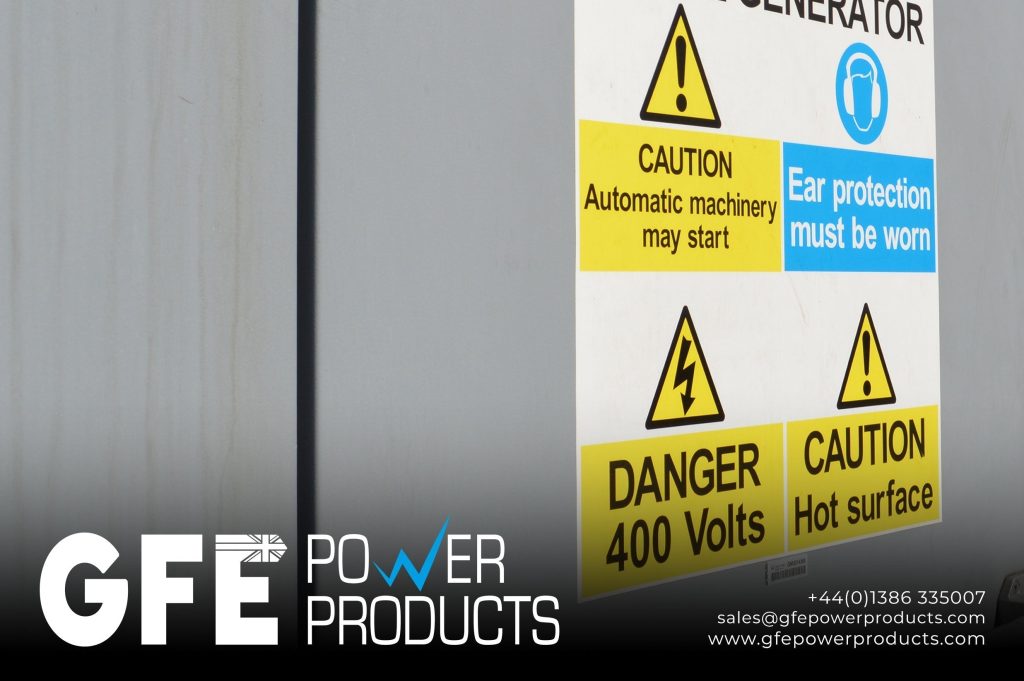
Have you ever faced a power outage and wondered if your portable gas generator could safely run indoors? You’re not alone.
Many people are curious about this, especially during unexpected blackouts or when the weather turns harsh. The convenience of having a generator indoors is tempting. After all, who wouldn’t want to keep the lights on and appliances running without stepping outside?
However, there are crucial safety concerns you must consider before making this decision. You’ll discover the truth about using a portable gas generator indoors and the potential risks involved. Stay with us to ensure your home remains safe while you stay powered up.

Credit: www.realtor.com
How Portable Gas Generators Work
A portable gas generator uses gasoline to create power. It has an engine that burns fuel. This engine turns a rotor inside the generator. The rotor produces electricity that you can use. The fuel tank holds gasoline to keep it running. The generator also has outlets to plug in devices.
Common uses include providing power during outages. They are useful for camping trips or outdoor events. People use them to run tools at job sites. They also help power small appliances when needed. The main advantage is their portability and ease of use.
Risks Of Using Generators Indoors
Portable gas generatorsproduce carbon monoxide (CO), a deadly gas. CO is colorlessand odorless. It can cause headaches, dizziness,and even death. Running generators indoors traps this gas, making it very dangerous.
Generators can also cause fire hazards. Gas leaks or sparks may ignite nearby objects. Overheating parts can start fires too. Indoor spaces often lack enough room to keep generators safe.
Ventilationis a major challenge. Indoor air cannot clear out toxic gases fast enough. Poor airflow increases health risks. Proper fresh air is essential to avoid build-up of dangerous fumes.
Common Safety Myths
Opening windowsdoes not make using a gas generator indoors safe. The generator produces carbon monoxide, a deadly gas that can build up quickly. This gas has no smell and can cause death in minutes.
Battery-powered generatorsdo not produce fumes but have limited power. They are safer indoors but cannot run large appliances or tools.
Even small gas generatorsemit toxic fumes. Their size does not reduce the danger of carbon monoxide. Running any gas generator inside can be life-threatening.

Credit: www.jsonline.com
Proper Generator Usage Tips
Portable gas generators must always be placed outdoors. Keep them far from windows, doors, and vents. This prevents dangerous fumes from entering indoor spaces. Choose a dry, flat surface for stability and proper ventilation.
Carbon monoxide detectors are crucial. Install them in your home near sleeping areas. They alert you to unsafe gas levels early. Check batteries regularly to ensure they work.
| Maintenance Practice | Purpose |
|---|---|
| Check oil and fuel levels | Keep the generator running smoothly |
| Clean air filters | Prevent engine damage and improve efficiency |
| Inspect spark plugs | Ensure easy starting and good performance |
| Store fuel properly | Avoid contamination and fire hazards |
Alternatives For Indoor Power Needs
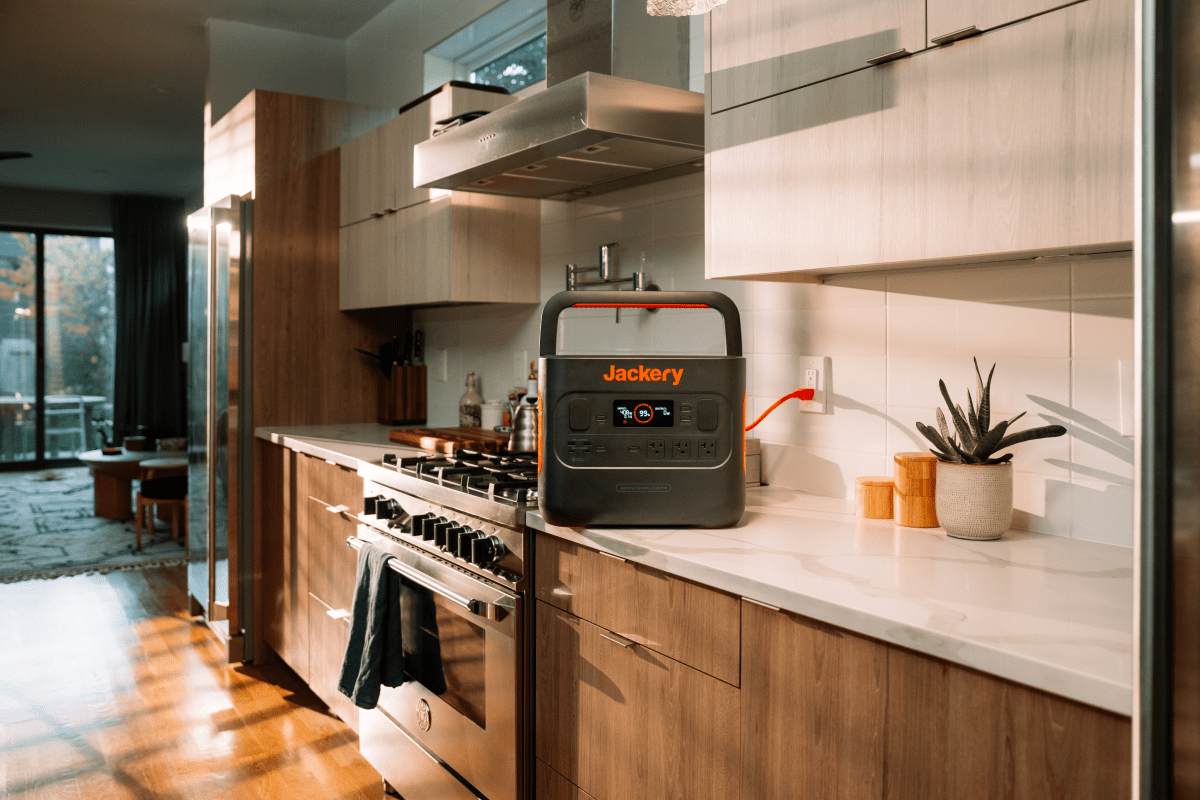
Battery backup systemsstore electricity for use during power outages. They are quietand safe to use indoors. These systems can power small devices and essential appliances for a limited time.
Solar generatorsuse energy from the sun. They charge batteries during the day and provide power without noise or fumes. Solar generators work well for clean, renewable energyindoors.
Uninterruptible Power Supplies (UPS)protect electronics from power surges and outages. They offer instant backup power for computers and small devices. UPS units are compact and easy to use inside homes or offices.
Credit: www.jackery.com
Frequently Asked Questions
Can A Portable Gas Generator Be Used Indoors Safely?
No, portable gas generators emit carbon monoxide, which is deadly indoors. Always use them outside, far from windows and doors.
What Are The Risks Of Running Gas Generators Indoors?
Running generators indoors risks carbon monoxide poisoning, fire hazards, and oxygen depletion. It’s unsafe and can lead to fatal outcomes.
How To Safely Operate A Portable Gas Generator Outdoors?
Place the generator at least 20 feet from buildings. Ensure proper ventilation and keep it dry to prevent accidents.
Are There Any Indoor-safe Generator Alternatives?
Yes, battery-powered or inverter generators are safer for indoor use. They produce no harmful fumes and are quieter.
Conclusion
Portable gas generators should never run indoors due to deadly fumes. Carbon monoxide builds up quickly and can cause serious harm. Always use generators outside in open, well-ventilated areas. Keep them far from windows and doors to prevent gas from entering.
Safety comes first when using any fuel-powered device. Protect yourself and others by following these simple rules. Stay informed and stay safe during power outages or outdoor activities.