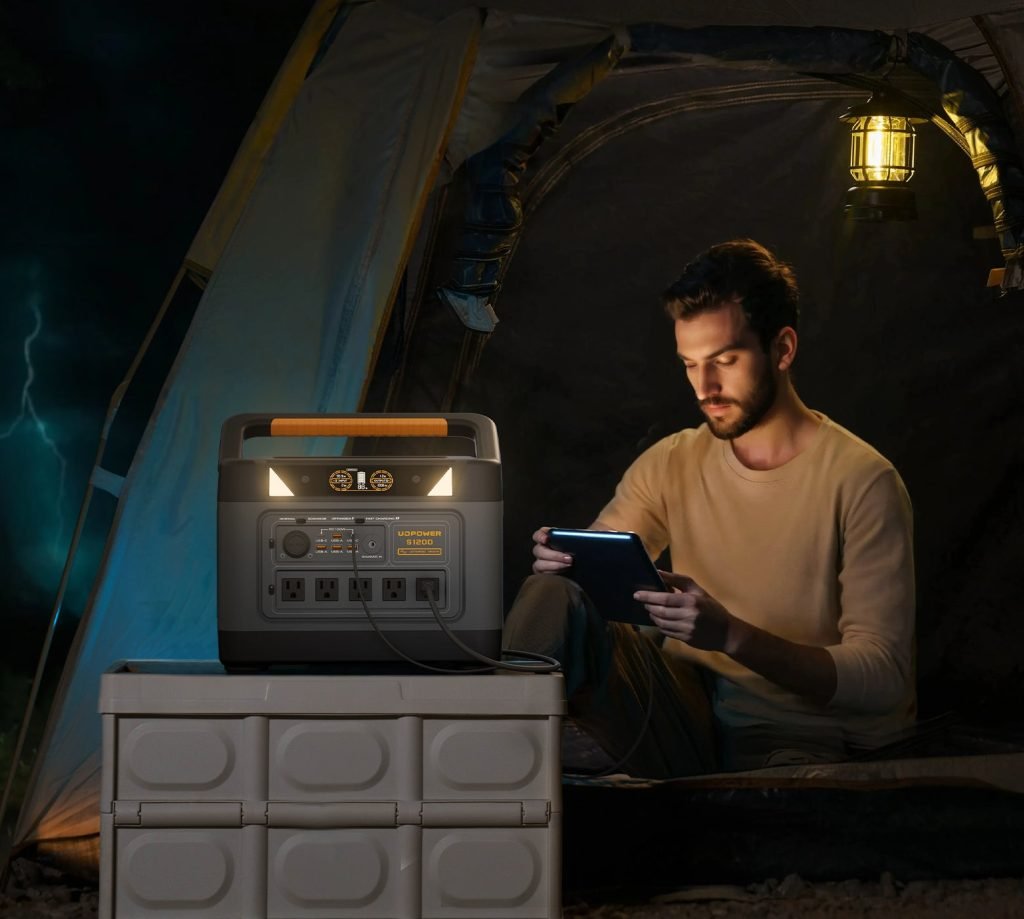
Imagine you’re planning a weekend getaway or a camping trip with friends. You’ve packed everything from your tent to your hiking boots, but suddenly you wonder: can your portable power station run your refrigerator?
You might be picturing all those fresh foods and cold drinks that need to stay cool. It’s a question many people face when trying to balance convenience with the comforts of home. But worry not, because understanding how portable power stations work with appliances like refrigerators can transform your outdoor experiences.
Dive into this article, and you’ll discover the surprising ways in which portable power solutions can keep your essentials running smoothly, ensuring that you don’t have to leave your favorite snacks or cold beverages behind. Prepare to unlock the potential of your portable power station and enhance your adventures with ease.

Credit: northeast.newschannelnebraska.com
Portable Power Stations Basics
Portable power stations come in different types. The most common types are gasoline-poweredand solar-poweredunits. Gasoline-powered stations are often more powerful. But they can be noisy and need fuel. Solar-powered units are quieter and eco-friendly. They rely on sunlight to charge. Each type has its own pros and cons. Choosing the right type depends on your needs. Some people prefer a mix of both types for flexibility.
Portable power stations have important features. Battery capacityis a key specification. It tells how much power the station can store. Output powershows how much power it can deliver at once. Look for stations with multiple outlets. This helps to power different devices. Some stations have USB ports. These are useful for charging phones and tablets. Weight and size also matter. Lightweight and compact stations are easier to carry.
Refrigerator Power Requirements
Refrigerators need both wattageand voltageto run. The wattage tells how much power it uses. Most fridges need 100 to 800 watts. Voltage shows the electricity flow. Common household voltage is 120 volts. Check your fridge’s label for exact numbers. Knowing these helps in using power stations.
Fridges don’t use the same power all the time. They cycle on and off. This means sometimes they use more power. Other times, they use less. It depends on the fridge’s cooling needs. A fridge uses more energy when it’s hot outside. It uses less at night or in cool weather. Understanding this helps in managing power.
Matching Power Stations With Refrigerators
Portable power stations can run refrigerators, but it’s crucial to check the power needs first. Most refrigerators require substantial wattage, so ensure your power station can support the load for optimal performance.
Calculating Necessary Output
First, check the power rating on the refrigerator. It’s usually on a sticker inside. Look for words like wattsor amperes. Multiply volts by amps to get watts. Choose a power station with higher watt capacitythan the fridge needs. Some fridges need a surge at startup. Make sure the station can handle this surge.
Assessing Compatibility
Ensure the power station has the right plug type. Check if it has an AC outlet. Some portable stations offer only DC outputs. Also, consider the runtimeof the station. Longer runtime means your fridge stays cold. Look for stations with easy-to-read display. This helps monitor power levels. Compatibility ensures the fridge runs smoothly.
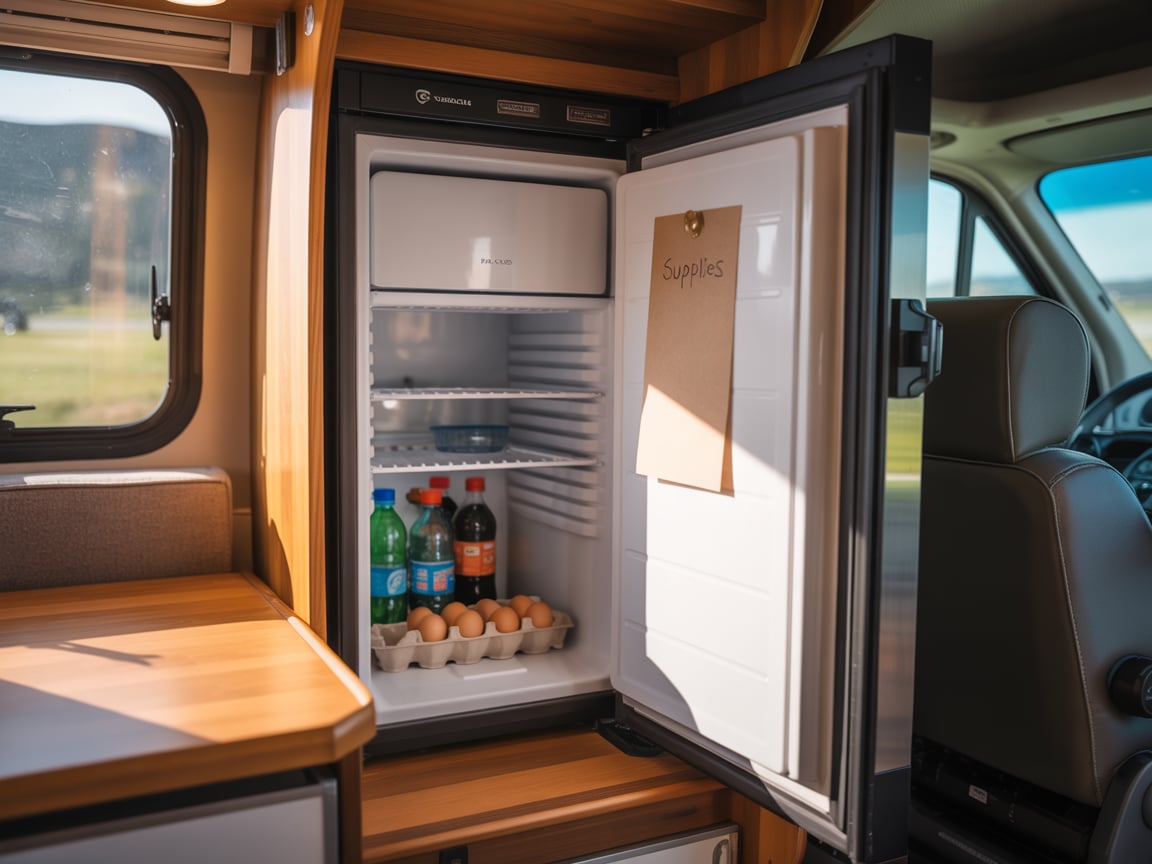
Credit: udpwr.com
Efficiency Considerations
Portable power stationsmust handle large appliances like refrigerators. They use a lot of energy. This affects how long the battery lasts. It’s important to check the wattage.
Most fridges need between 100 to 800 watts. Power stations should have a higher wattage. This ensures they can run the fridge properly.
Impact On Battery Life
Running a fridge can drain the battery quickly. Fridges need constant power. This can reduce battery life. Choose a power station with a larger capacity. This helps the fridge run longer.
Recharge the station often. This keeps it ready for use. A drained battery can cause the fridge to stop.
Power Station Performance
Check how well the power station performs. Look at its output and efficiency. A high-performing station is better for fridges. It should have good reviews.
Some stations have special features. These can improve performance. Make sure the station supports continuous power. This helps keep the fridge running smoothly.
Factors Affecting Efficiency
Understanding the power capacity of a portable power station is crucial for running a refrigerator. Consider the refrigerator’s wattage and the power station’s output. Battery life and recharge time also impact efficiency.
Environmental Conditions
Temperatureplays a huge role in efficiency. A hot climate can make the power station work harder. This uses more energy. Cold weather can also affect performance. The power station might not work as well. Humidity is another factor. High humidity can lead to energy loss. Keeping the power station dry is important.
Usage Duration
How long you use the power station matters. Short usage times need less power. Long usage times need more power. Running a refrigerator for many hours uses more energy. It’s important to check the power station’s battery life. Using it too long can drain the battery fast.
Tips For Optimal Use
Pick a power station with enough capacity for your refrigerator. Check the wattage of your fridge. Ensure the power station can handle it. Look for a power station with high battery life. This helps in keeping the fridge running longer. Make sure it’s portable and easy to move. Look for models with multiple outlets. This lets you power more devices at once.
Keep your power station charged and ready. Store it in a cool, dry place. Regularly check cables for any damage. Clean the refrigerator coils to improve efficiency. Don’t overload the fridge with too much food. This helps the power station last longer. Keep the fridge door closed as much as possible. This saves energy and keeps food cold.
Case Studies And Real-life Examples
Exploring the capacity of portable power stations, various case studies reveal their effectiveness in powering refrigerators. Real-life examples show that with the right wattage and battery capacity, these stations can keep refrigerators running efficiently.
Successful Applications
Many families used portable power stations for fridges during power outages. It works well in short-term situations. These devices keep food fresh and safe. Campers and travelers find them useful too. They can use fridges in remote places. Some models are more powerful. They run bigger fridges easily.
Common Challenges
Running a fridge on a portable power station isn’t always easy. High power demand is a problem. Some fridges need more energy than expected. Battery life is another concern. It might not last long enough. You need to check power station capacity. Make sure it matches the fridge’s needs. Frequent recharging can be inconvenient. Users must plan for this carefully.

Credit: udpwr.com
Frequently Asked Questions
What Size Power Station Do I Need To Run A Portable Fridge?
A 300-500Wh power station is ideal for running a portable fridge. Ensure the fridge’s wattage matches the power station’s output. This size typically supports several hours of operation, depending on the fridge’s efficiency and usage conditions. Always check the fridge’s specifications for precise energy requirements.
Can I Plug My Fridge Into A Portable Power Station?
Yes, you can plug a fridge into a portable power station. Ensure the power station’s wattage matches the fridge’s needs. Check the fridge’s manual for wattage requirements. Choose a power station with sufficient capacity to support your fridge’s running and startup watts for reliable operation.
How Long Will A Jackery 1000 Run A Full-size Refrigerator?
A Jackery 1000 can run a full-size refrigerator for approximately 7 to 14 hours. The duration depends on the fridge’s energy consumption and efficiency. Always check your refrigerator’s wattage to estimate more accurately.
What Size Portable Generator Do I Need To Run A Refrigerator?
A 2000-watt portable generator typically suffices to run most refrigerators. Check your refrigerator’s wattage requirements for accuracy. Consider additional appliances you might want to power simultaneously. Ensure the generator has enough capacity for peak power needs. Regularly maintain the generator for optimal performance and safety.
Conclusion
A portable power station can indeed run a refrigerator. But, choose wisely. Consider the fridge’s power needs and the station’s capacity. Efficiency matters. Check the wattage and battery life. Some models may not support heavy appliances. Always read the specifications.
Portable power stations offer flexibility. They can be a good backup. For camping trips or emergencies, they are useful. But, not all are equal. Research before buying. Make sure it fits your needs. A good choice ensures peace of mind.
Stay prepared. Stay powered.