
Imagine being out and about, enjoying your day, when suddenly your hearing aid runs out of power. It’s a frustrating situation, especially when you’re relying on it for crucial communication.
But what if you could quickly recharge it using something you already carry every day—a power bank? You might be wondering if this simple gadget can save the day and keep your hearing aid functioning seamlessly. We’ll explore whether a power bank can be your hearing aid’s lifeline, ensuring you never miss a beat in your conversations or experiences.
Stay tuned, as we unravel the possibilities and discover how this handy device might just become an essential part of your hearing aid toolkit.
Credit: japebo.com
Basics Of Power Banks
Power banks come in various typesand capacities. Some are small and light, others are big and heavy. Small power banks can charge phones once. Bigger ones can charge laptops and tablets. Capacities are measured in milliamp hours (mAh). A higher mAh means more power. A 5,000 mAh power bank can charge small devices. A 20,000 mAh power bank can charge larger devices.
Power banks are used for charging gadgets. They are handy when there is no plug nearby. People use them for phones, tablets, and cameras. Some also use power banks for smartwatches and headphones. They are useful for travel and outdoor activities. Power banks help keep devices charged all day.
Hearing Aid Power Requirements
Charging hearing aids with a power bank is possible, offering convenience on the go. Ensure compatibility between the power bank and hearing aid for effective charging. Check the power bank’s output and the hearing aid’s power requirements for optimal performance.
Battery Types
Hearing aids use different battery types. The most common are zinc-air batteries. These batteries come in sizes like 10, 312, 13, and 675. Each size fits specific hearing aids. Zinc-air batteries are small and lightweight. They last from three to 14 days. Rechargeable batteries are also popular now. They are often lithium-ion. These batteries can last for a full day on a single charge. They are easy to recharge overnight. Knowing the right battery type is important.
Voltage And Current Needs
Hearing aids need specific voltage and currentto work. Most hearing aids require 1.4 volts. Rechargeable hearing aids may need a bit more. Current needs can vary. It’s usually very low, around a few milliamps. Power banks can charge hearing aids if they match these needs. Use the right adapter or cable. This ensures a safe and efficient charge.
Compatibility With Power Banks
Some hearing aids can charge with power banks. Check your hearing aid’s manual. Ensure it supports USB charging. Many modern hearing aids do. Older models may not. Always use the correct cable. Wrong cables can damage devices.
Adapters might be needed for charging. Not all power banks have suitable ports. Check if you need a special adapter. Some hearing aids require unique connectors. Make sure to buy the right one. It helps in preventing charging issues.
Pros And Cons Of Using Power Banks
Power banks can charge hearing aids, offering convenience on the go. They provide a portable solution when outlets are unavailable. Yet, not all hearing aids are compatible, and users must ensure voltage matches to prevent damage.
Advantages For Hearing Aid Users
Power banks can be very helpful. They provide a portable charging solution. Hearing aid users can charge their devices anywhere. This is great for travel or emergencies. No need to find a wall outlet. Convenience is the biggest advantage. It gives users more freedom and flexibility. Power banks are also easy to carry. They fit in pockets or bags.
Potential Risks And Drawbacks
There are some risks with power banks. Some might not be compatible with hearing aids. Using the wrong voltage can damage the device. Overcharging is another risk. It can reduce the battery life of hearing aids. Cheap power banks may be unreliable. They might stop working suddenly. Always check if the power bank is safe for your hearing aid.
Selecting The Right Power Bank
Choosing a power bank for charging a hearing aid requires checking compatibility and power output. Ensure it has the correct connectors and sufficient capacity to provide efficient charging.
Capacity Considerations
A hearing aid needs a power bank with enough capacity. Check how much energy your hearing aid uses. Pick a power bank with a higher capacitythan your hearing aid. This ensures it can charge multiple times. A power bank with a minimum of 5,000mAhis ideal. This keeps your hearing aid running smoothly. Always ensure the power bank is charged fully.
Safety Features
Safety features protect your hearing aid from harm. Look for power banks with overcharge protection. This stops too much power from damaging your device. Short circuit protectionis also vital. It prevents accidents during charging. Choose a power bank with temperature control. This keeps the device from overheating. These features keep your hearing aid safe and working well.
Safety Precautions
Charging a hearing aid with a power bank is possible but requires caution. Ensure compatibility and use the correct cable to prevent damage. Always monitor the charging process to avoid overheating or overcharging.
Avoiding Overcharging
Hearing aids need careful charging. Overcharging can harm the battery. Always check how long it takes to charge. Use a timer to stop charging. Power banks can overcharge if left connected too long. Monitor the charging process to avoid damage. Ensure the power bank’s output matches the hearing aid’s needs. This keeps the battery safe from harm.
Handling And Storage Tips
- Keep the power bank dry and clean.
- Store it in a cool place.
- Avoid direct sunlight to prevent overheating.
- Check the power bank for damage regularly.
- Use the correct cable for charging.
- Place the hearing aid in a safe spot when charging.
Alternative Charging Solutions
Power banks can charge hearing aids, offering a convenient solution for users on the go. Compact and portable, these devices ensure hearing aids stay powered without needing a wall outlet.
Solar Chargers
Solar chargers use the sun to create energy. They are a natural power source. Hearing aids need steady power. Solar chargers work best in sunny places. They can be slow on cloudy days. They help when you are outdoors. Solar chargers are easy to carry. They are good for adventures.
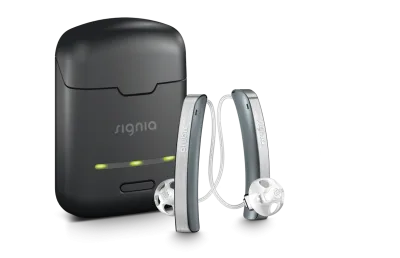
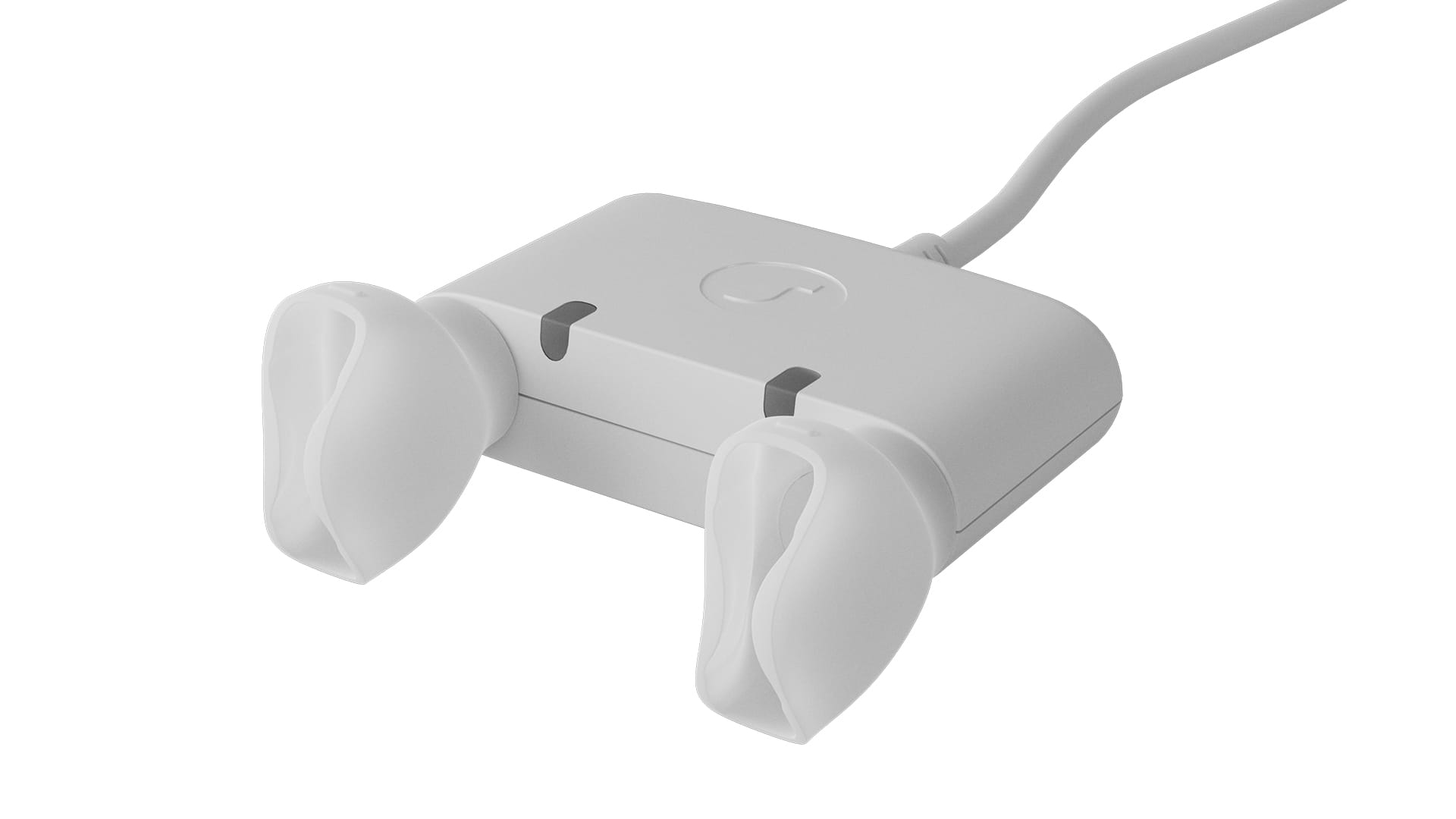
Portable Hearing Aid Chargers
Portable chargers are small and easy to carry. They keep hearing aids charged anywhere. These chargers work with batteries or electricity. They can charge hearing aids many times. Some chargers have a case for safety. They are great for traveling. Portable chargers give freedom to move.
Credit: www.signia.net

Credit: www.reddit.com
Frequently Asked Questions
What Devices Can You Charge With A Power Bank?
Power banks charge smartphones, tablets, smartwatches, Bluetooth headphones, cameras, and some laptops. Ensure compatibility with your device’s charging requirements.
Can A Power Bank Charge Headphones?
Yes, a power bank can charge headphones. Connect the headphone’s charging cable to the power bank’s USB port. Ensure the power bank has sufficient charge and is compatible with your headphones’ voltage requirements. This portable charging option is convenient for on-the-go power needs.
Can A Power Bank Charge Anything?
A power bank can charge devices with USB ports, like smartphones, tablets, cameras, and some laptops. Ensure compatibility with your device’s charging requirements. Always check the power bank’s capacity and output to match your device’s needs for optimal charging efficiency.
Can A Power Bank Charge All Hearing Aids?
Yes, but compatibility depends on the hearing aid’s power input. Most modern hearing aids with USB charging capabilities can be charged with a power bank. Always check the specifications and ensure the power bank provides the correct voltage and amperage to avoid damage.
Conclusion
Power banks can charge hearing aids effectively. They offer convenience on the go. Always check compatibility first. Not all hearing aids support power bank charging. Choose a power bank with the right output. It’s crucial for safe charging. Keep your hearing aid powered anytime, anywhere.
This is especially helpful when traveling. It ensures you never miss important sounds. Remember, hearing aids need care and attention. Use power banks wisely. Regular maintenance keeps them working well. Be mindful of power bank capacity too. It should match your hearing aid’s needs.
Stay connected and hear clearly with the right tools.