Imagine a world where you could harness the power of the sun, right from the comfort of your living room. Yes, you read that right.
With the rise of solar technology, the idea of using a solar generator indoors is no longer a futuristic dream; it’s a reality. But how exactly does it work? And more importantly, can it be as efficient as we hope it to be?
You might have questions about safety, efficiency, and practicality, and you’re not alone. These are the questions we’ll dive into, unraveling the mysteries of indoor solar generators. So, if you’re curious about how to reduce your carbon footprint and power your home with renewable energy, keep reading. This article promises to enlighten you on the possibilities and practicalities of using a solar generator indoors. Your journey toward sustainable living might just begin here.
Credit: www.jackery.com
Benefits Of Solar Generators Indoors
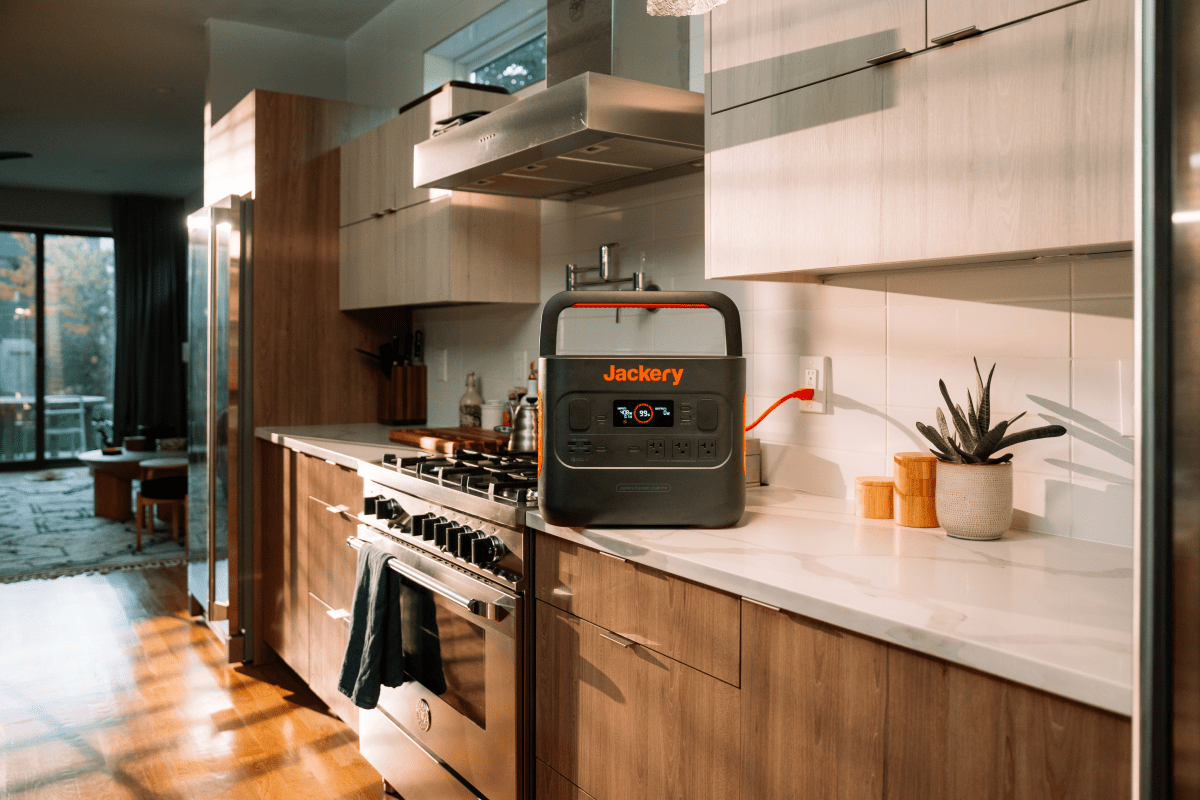
Solar generators can be used indoors to provide clean, quiet energy. They offer a sustainable power solution without harmful fumes. Perfect for emergency power needs or off-grid living, ensuring safety and convenience inside homes.
Harnessing the power of solar generators indoors offers numerous benefits that can enhance your lifestyle while promoting sustainability. Imagine a clean, silent energy source right inside your home that can keep essential devices running during power outages or simply reduce your reliance on the grid. Let’s delve into some of these compelling advantages.Clean Energy Source
Solar generators provide a renewable energy option that does not emit harmful pollutants. By using solar power indoors, you contribute to reducing your carbon footprint, making your home more eco-friendly. It’s like having a little slice of the sun working for you, without any of the emissions that come from traditional generators.Silent Operation
One of the standout features of solar generators is their silent operation. Unlike traditional gas-powered generators that can be noisy and disruptive, solar generators quietly do their job without disturbing your peace. This makes them perfect for indoor use, especially if you value tranquility or need to run them during nighttime hours. Incorporating a solar generator indoors not only supports a greener planet but also brings unmatched convenience and peace to your home. Have you ever considered how much quieter and cleaner your life could be with this simple switch?Components Of Indoor Solar Generators
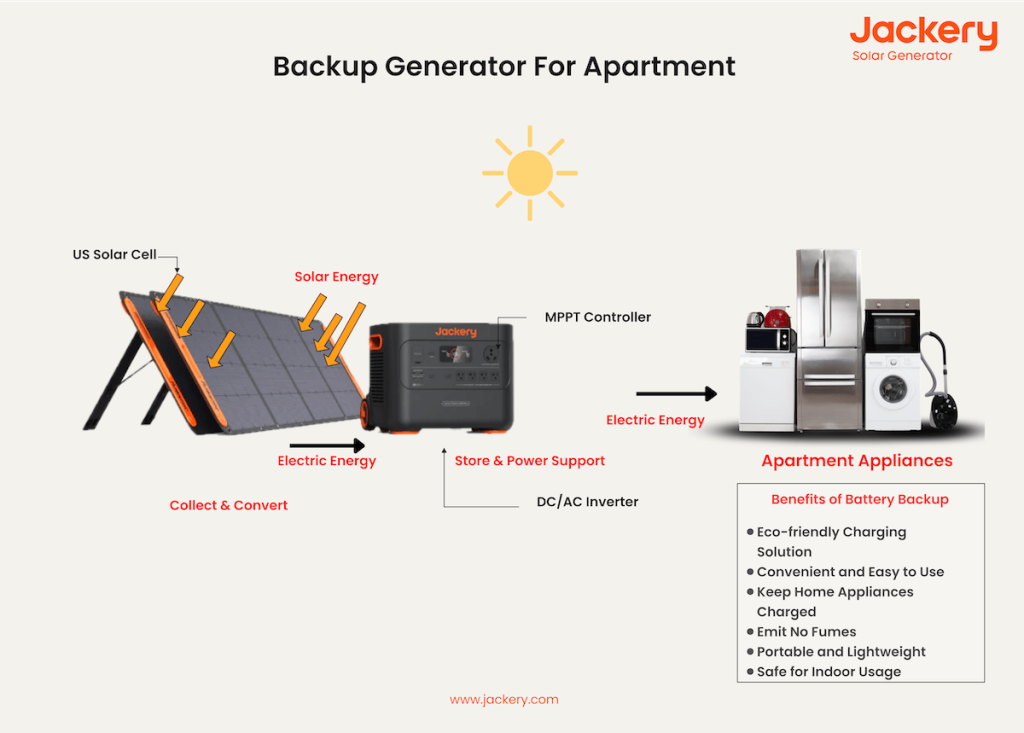
Solar generators can be used indoors, consisting of solar panels, a battery, and an inverter. Solar panels capture sunlight, the battery stores the energy, and the inverter converts it for household use.
Solar Panels
Solar panels are the heart of any solar generator. They are responsible for capturing sunlight and converting it into electricity. For indoor use, portable solar panels are often employed due to their flexibility and ease of positioning. Consider the amount of sunlight your space receives; this will influence the efficiency of your solar panels. Have you ever noticed how a slightly different angle can make your room much brighter? The same principle applies here. Position your solar panels to maximize exposure to sunlight for optimal energy capture.Battery Storage
Battery storage is where the collected solar energy is stored for later use. A high-quality battery ensures you have a reliable power supply even when the sun isn’t shining. Lithium-ion batteries are popular due to their efficiency and longevity. Imagine a rainy day when your power is out but your indoor solar generator is fully charged. The stored energy in the battery kicks in, allowing you to power essential devices without a hitch.Inverter
The inverter plays a critical role in the solar generator system. It converts the direct current (DC) generated by the solar panels into alternating current (AC), which is what most household appliances use. Think of the inverter as the translator between your solar panels and your home appliances. Without it, the energy captured by your panels would remain unusable for your daily needs. Choose an inverter that can handle the power demands of your household to avoid interruptions. By understanding these components, you can make informed decisions about setting up your indoor solar generator. Are you ready to transform how you power your home?Applications Of Indoor Solar Generators
Indoor solar generators offer a sustainable way to power small devices at home. They can be used for charging phones, lighting, and running small appliances, making them a versatile option for indoor energy needs.
Indoor solar generators offer versatile applications, making them a valuable addition to any home. They harness solar energy to power various devices. This ensures convenience and sustainability. With their compact design, they fit seamlessly in indoor spaces.Emergency Power Supply
During power outages, a solar generator provides essential backup. It keeps critical appliances running. Lights, fans, and even small refrigerators can stay operational. This ensures safety and comfort during emergencies.Powering Small Appliances
Solar generators efficiently power small home appliances. Use them for coffee makers, toasters, or portable heaters. They support daily routines without relying on the grid.Charging Devices
Keep phones, tablets, and laptops charged with ease. A solar generator offers multiple charging ports. This is ideal for homes, offices, or remote workspaces. It ensures devices stay powered throughout the day.
Credit: www.outdoorlife.com
Challenges And Considerations
Using a solar generator indoors presents unique challenges. Ventilation is crucial to prevent overheating and ensure efficient performance. Consider battery size and capacity for adequate power supply indoors.
Space Constraints
Finding adequate space for a solar generator indoors can be tricky. Unlike traditional generators, solar generators require room not just for the unit itself but also for solar panels. You might need to get creative with placement, especially if your home has limited space. Consider using vertical spaces or even mounting panels on walls if possible. This can help maximize your available area without disrupting your living environment. Think about how you can integrate solar panels seamlessly into your indoor décor.Efficiency Factors
Efficiency indoors can differ significantly from outdoor setups. Solar panels are most effective when they receive direct sunlight, which can be challenging to achieve indoors. You might need to position panels near windows or other areas with ample sunlight exposure. The angle and direction of your windows can affect how much sunlight your panels receive. Experiment with different positions and monitor the energy output to find the most effective setup. This trial and error approach can lead to a more efficient indoor solar energy system. Optimizing solar panel efficiency indoors requires understanding how light travels in your space. Are there areas where sunlight is more concentrated during certain times of the day? Identifying these spots can enhance your solar generator’s performance without drastic changes to your home’s layout.Safety Measures For Indoor Use
Using a solar generator indoors can be a great solution for eco-friendly energy consumption, but it requires careful attention to safety measures. The key to safe indoor use lies in understanding ventilation needs and preventing electrical overload. These considerations ensure you can enjoy the benefits of solar power without compromising your safety.
Ventilation Requirements
Proper ventilation is crucial when using a solar generator indoors. Although solar generators typically don’t emit harmful gases, poor airflow can still lead to overheating. Ensure the room where your generator is located has adequate ventilation. Open windows or doors to allow fresh air to circulate, especially if the generator is operating for extended periods.
Picture this: a friend of mine used a solar generator during a winter storm, keeping it in a closed basement. He learned the hard way that even solar generators can generate heat, which needs to be dissipated. A simple solution was to install a small fan to keep the air moving, preventing any heat buildup.
Avoiding Overloading
To prevent overloading, you need to be mindful of the wattage capacity of your solar generator. Always check the specifications of your generator and the devices you intend to power. Overloading can lead to equipment damage or even electrical fires. Use power strips with built-in surge protectors for added safety.
Consider this: You might want to charge multiple devices simultaneously, but can your generator handle it? Make a list of the devices and their power requirements. This helps you prioritize which devices to connect, ensuring you stay within the safe operational limits of your generator.
Have you ever thought about using a solar generator indoors? What challenges have you faced, and how did you overcome them? Your experiences can offer valuable insights to others looking to make the shift to solar power indoors.
Choosing The Right Solar Generator
Solar generators can be safely used indoors, offering a clean energy source without fumes. Choose models designed for indoor use, ensuring they have efficient ventilation and proper power output for your needs.
Choosing the Right Solar Generator Selecting a solar generator for indoor use requires careful consideration. Understanding your needs ensures you pick the perfect model.Power Needs Assessment
First, evaluate your power requirements. Make a list of devices you plan to use. Include their wattage and usage duration. Calculate total power consumption. A generator with sufficient capacity is essential. Choose a model that meets or exceeds your needs.Portability And Size
Consider the generator’s portability. Smaller models are easier to move indoors. Check the dimensions and weight. Ensure it fits your space. Compact designs often suit small apartments. Larger spaces might accommodate bigger generators. Portability affects convenience in setting up and storage.Future Of Indoor Solar Generators
Solar generators can be used indoors, offering a clean energy solution for homes. These devices harness sunlight through windows, powering small appliances without emissions. As technology advances, efficiency improves, making them more viable for indoor use.
The future of indoor solar generators is a topic brimming with potential and excitement. Imagine harnessing the power of the sun not only outdoors but within your home, ensuring energy efficiency and sustainability. This idea isn’t as far-fetched as it may seem, with technology rapidly evolving to make this a reality.Technological Advancements
Recent technological advancements have paved the way for compact and efficient indoor solar generators. Smaller photovoltaic cells are now capable of capturing ambient light, even from artificial sources, transforming them into usable energy. Innovations in battery storage mean that the energy captured can be stored more effectively, allowing you to power essential appliances during cloudy days or at night. These advancements are not just theoretical—they’re being implemented in products available today. Can you imagine a future where your living room lamp is powered by the sun, even at midnight? This is becoming increasingly possible with new technologies entering the market.Market Trends
The market trends for indoor solar generators are promising. There’s an increasing demand for green energy solutions, driven by both eco-conscious consumers and businesses looking to reduce their carbon footprint. Companies are investing heavily in research and development, resulting in more affordable and user-friendly products. As prices drop, more households are likely to adopt these systems, creating a ripple effect that could lead to widespread use. Are you ready to embrace a lifestyle where your indoor energy needs are met by the sun? The market is gearing up to make this a mainstream option, and you’re right at the forefront of this exciting shift.
Credit: www.goodhousekeeping.com
Frequently Asked Questions
Can A Solar Generator Be Used Inside?
Yes, a solar generator can be used indoors. Ensure good ventilation for safety. Choose a model designed for indoor use. Check noise levels for comfort. Always follow manufacturer guidelines for optimal performance.
Do Solar Generators Need Ventilation?
Yes, solar generators need ventilation. Proper airflow prevents overheating and ensures efficient operation. Ventilation maintains safety by dispersing heat. It also extends the generator’s lifespan and helps avoid performance issues. Always use solar generators in areas with adequate ventilation for optimal functionality.
What Kind Of Generator Can Be Used Indoors?
Use an inverter generator designed for indoor use. Ensure it has low emissions and operates quietly. Always check ventilation requirements and follow safety guidelines. Portable power stations are also ideal for indoor environments. Choose models that are efficient, compact, and provide adequate power output for your needs.
What Are The Disadvantages Of A Solar Generator?
Solar generators can be expensive initially. Limited power output restricts high-energy device usage. Charging depends on sunlight availability. Battery lifespan and efficiency might decrease over time. Portability can be an issue for larger models.
Conclusion
Solar generators offer many advantages indoors. They provide clean, quiet power. Ideal for emergencies or off-grid living. You can charge devices, run small appliances, and more. Always check the generator’s power output. Ensure it meets your needs. Ventilation is important.
Keep the area safe and cool. Solar panels need sunlight for recharging. Consider placement near windows or outdoors. Planning is key. Think about your energy needs before buying. Solar generators can be a smart choice. Efficient, eco-friendly, and reliable. Perfect for modern homes seeking sustainable power solutions.