Imagine the freedom of driving your electric vehicle without worrying about where the next charging station might be. Picture the peace of mind knowing you can power up your EV, even in the most remote locations, all thanks to the sun’s abundant energy.
Have you ever wondered if a solar generator could be the key to unlocking this level of independence for your electric vehicle? You’re not alone. This intriguing question stirs the curiosity of many EV enthusiasts and eco-conscious drivers like yourself.
In the following article, we’ll explore the exciting potential of using solar generators to power your EV, uncover the possibilities, and equip you with the knowledge to make informed choices. Whether you’re a seasoned EV owner or considering making the switch, you’ll find valuable insights that could transform your driving experience. Keep reading to discover if this sustainable solution is the future of powering your journeys.
Solar Generators: Basics
Imagine the freedom of powering your electric vehicle (EV) with a solar generator. No more reliance on traditional power grids. But how does a solar generator work? Let’s unravel the basics and discover if this clean energy solution can keep your EV charged and ready to go.
Components Of Solar Generators
Solar generators are made up of three key components:
- Solar Panels:These capture sunlight and convert it into electricity. Efficiency can vary based on panel type and quality.
- Inverter:It converts direct current (DC) from the solar panels into alternating current (AC), which powers most appliances.
- Battery Storage:This stores the generated electricity for later use, crucial for keeping power available when the sun isn’t shining.
Each component plays a vital role in ensuring your solar generator functions effectively. Quality and compatibility of these parts can greatly impact overall performance.
Functionality And Efficiency
Solar generators are designed to be portable and user-friendly. They’re perfect for outdoor adventures or emergency backup. But can they power an EV?
The efficiency of a solar generator depends on its capacity and the amount of sunlight it can capture. Larger setups can provide more power, but may not be as portable.
Consider your EV’s energy needs. A small generator might struggle, but a larger system with efficient panels and a good battery can keep your EV charged. Have you thought about how much sunlight your location receives?
Solar generators offer a green alternative, but understanding their limits is key. They can be a part of your EV charging solution, but may not replace traditional charging stations entirely.

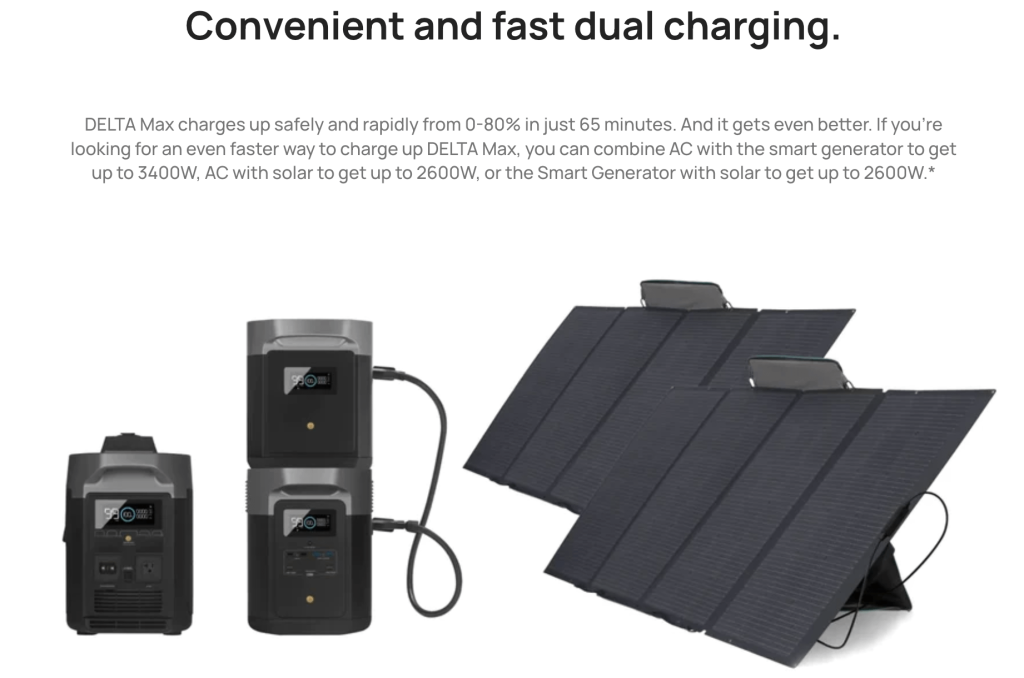
Credit: www.ecoflow.com
Electric Vehicles And Energy Needs
Solar generators can power electric vehicles, offering a clean energy solution. They harness sunlight to charge EV batteries efficiently. This eco-friendly option reduces reliance on traditional electricity sources.
Power Requirements Of Evs
EVs require substantial energy to operate efficiently. A typical EV might need anywhere from 30 kWh to 100 kWh to travel around 300 miles. This variation depends on the vehicle’s model, size, and battery capacity. To put it into perspective, a 30 kWh battery can be roughly compared to the energy used by an average household for a day. The challenge, therefore, is ensuring your energy source is reliable, especially if you’re considering solar power.Charging Systems In Evs
EVs come with diverse charging systems designed to fit different needs. Most EVs support Level 1 and Level 2 charging, with the latter being faster and more efficient. Level 1 uses a standard home outlet, providing about 4-5 miles of range per hour of charge. Level 2 chargers require a 240-volt outlet, similar to what a clothes dryer uses, charging the vehicle much faster. Moreover, some EVs support DC fast charging, which can replenish the battery up to 80% in about 30 minutes. Understanding these systems helps you plan your charging strategy, particularly if you’re thinking about harnessing solar energy for your EV.Compatibility Of Solar Generators With Evs
Solar generators are gaining attention as a clean power source. Their compatibility with electric vehicles (EVs) is a hot topic. Many wonder if solar generators can effectively power EVs. Understanding the specifics is crucial for those interested in sustainable energy solutions.
Energy Output And Storage
Solar generators convert sunlight into electricity. They store energy in built-in batteries. The energy output depends on the generator’s capacity. Most solar generators are designed for small devices. Charging an EV requires significant power.
Energy storage capacity is key. It determines how long an EV can be charged. Larger generators store more energy. This is essential for effective charging. It ensures the EV gets enough power for travel.
Technical Challenges
Solar generators face technical challenges with EVs. One major issue is the charging speed. Solar power is typically slower than grid power. This means longer charging times for EVs.
Connection compatibility is another challenge. Not all solar generators have the right connectors for EVs. Adapters or additional equipment may be needed. This can complicate the charging process.
The weather also plays a role. Solar generators rely on sunlight. Cloudy days can reduce energy production. This affects the charging efficiency for EVs.

Credit: drivelong.en.made-in-china.com
Case Studies And Real-world Applications
Solar generators are becoming popular in the world of electric vehicles. They offer a clean and renewable energy source. Many people wonder if solar generators can power their EVs. Let’s explore real-world applications through case studies.
Successful Implementations
Some companies have successfully integrated solar generators with EVs. These companies have shared their experiences. Solar panels on rooftops and portable solar systems have powered vehicles. This helps reduce reliance on grid electricity.
- Company A uses solar panels to charge EVs in remote areas.
- Company B offers portable solar kits for long road trips.
These solutions provide flexibility and sustainability. They are ideal for environmentally conscious drivers. Solar technology has helped reduce carbon footprints in transportation.
Lessons Learned
Real-world applications reveal important lessons. Solar generators can power EVs but may have limitations. Weather conditions affect solar energy collection. Cloudy days reduce power generation.
- Ensure solar panels are positioned for maximum sunlight.
- Consider battery storage for cloudy days.
Users should plan for energy needs and battery storage. Understanding these challenges helps optimize solar power use. Experience shows that solar generators can supplement but not replace traditional charging methods.
Environmental Impact
One of the most compelling aspects of using a solar generator to power an electric vehicle (EV) is its potential environmental impact. As awareness of climate change grows, many are looking for ways to reduce their carbon footprint. Integrating solar energy into your EV charging routine can be a practical step towards a more sustainable lifestyle.
Reduction In Carbon Footprint
Charging your EV with a solar generator can significantly reduce your carbon emissions. Unlike electricity from fossil fuels, solar power is clean and renewable. Imagine your daily commute powered by the sun, leaving no carbon emissions in its wake.
This shift can be especially impactful in regions where the electricity grid relies heavily on coal or natural gas. By choosing solar energy, you’re actively choosing to decrease reliance on polluting energy sources. Have you considered how much cleaner the air could be with more solar-powered vehicles on the road?
Sustainable Energy Solutions
Solar generators offer a sustainable solution for powering EVs, aligning perfectly with the ethos of renewable energy. They harness the sun’s power, a resource that’s not only abundant but also free. This makes solar energy an attractive, long-term investment for eco-conscious drivers.
Additionally, solar generators are versatile. They can be used in remote areas where traditional charging stations are unavailable, ensuring that your EV can always be charged sustainably. This adaptability makes solar generators a smart choice for those who love road trips or live off the grid.
What’s more, as technology advances, solar panels are becoming more efficient and affordable. This means that more people can access sustainable energy solutions without breaking the bank. Are you ready to be part of the solar revolution?
Economic Considerations
Choosing to power an electric vehicle (EV) with a solar generator involves economic considerations. Both upfront costs and long-term savings play a role. Understanding these factors can help you make informed decisions. Let’s explore the financial aspects of solar generators for EVs.
Cost Of Solar Generators
Solar generators have various price points. The cost depends on capacity and brand. Smaller units may be more affordable. Larger systems can power more devices but cost more. Consider your energy needs and budget. Installation might require extra expenses. Maintenance is often minimal but should be factored in.
Return On Investment
The initial investment might seem steep. Long-term savings are where benefits shine. Solar energy reduces electricity bills. Charging your EV with solar power saves money. Calculate how long it takes to recoup costs. Some find savings in a few years. Others may take longer, depending on usage. Government incentives can help offset costs. Check for rebates or tax credits in your area.
Future Prospects
Exploring the potential of solar generators for electric vehicles shows promise. They offer a clean energy solution. With advancements in technology, solar generators might efficiently power EVs, reducing reliance on traditional energy sources.
Future prospects for solar generators powering electric vehicles are promising. As the world shifts towards sustainable energy, solar technology is advancing rapidly. This opens up new possibilities for powering electric cars efficiently.Technological Innovations
Solar panels are becoming more efficient. They convert more sunlight into electricity than before. This means smaller panels can generate more power. Battery technology is also evolving. New batteries store more energy and last longer. This is crucial for electric vehicles. Lightweight materials in batteries improve vehicle efficiency. Faster charging systems are being developed. These reduce downtime and increase convenience for users.Market Trends
Demand for electric vehicles is rising globally. Consumers are keen on reducing carbon footprints. Solar generators offer a cleaner energy solution for EVs. Many companies are investing in solar technology. They aim to integrate it with electric cars. Governments provide incentives for green energy adoption. This encourages more people to switch to electric vehicles. The market for solar-powered EV solutions is expanding rapidly.
Credit: us.ecoflow.com
Frequently Asked Questions
Can I Use A Solar Generator To Charge My Ev?
Yes, you can use a solar generator to charge your EV. Ensure the generator’s output matches your EV’s charging requirements. Solar generators offer an eco-friendly option for charging, but charging speed may vary based on sunlight and generator capacity. Always check compatibility with your EV model.
How Big Of A Generator Is Needed To Charge An Ev?
A generator with at least 10 kW is needed to charge most electric vehicles efficiently. Ensure compatibility with your EV’s charger and charging specifications for optimal performance. Always consult your EV’s manual for precise requirements.
Can You Solar Power An Ev?
Yes, you can solar power an EV. Install solar panels to charge your electric vehicle at home. This setup reduces reliance on the grid and lowers electricity costs. A solar power system with sufficient capacity ensures efficient charging, providing a sustainable energy solution for your EV.
What Is The Best Generator To Charge Ev?
The best generator for charging an EV is a portable inverter generator. It provides clean power, is efficient, and compatible with most EVs. Popular brands include Honda and Generac. Ensure the generator has enough wattage to support your EV’s requirements for optimal charging performance.
Conclusion
Solar generators can support electric vehicles under certain conditions. They provide clean energy, reducing carbon footprints. But, they might struggle with large power demands. Size and capacity are key factors. Small generators may not be enough for long trips. Understanding your EV’s needs helps in planning.
Solar energy offers an eco-friendly option. It’s a step towards sustainable transport. Consider your generator’s capabilities before long journeys. Research is important for effective use. Solar power is a promising tool for green driving. Always weigh the benefits and limitations.
Transitioning to solar energy is a wise decision.