
Have you ever wondered if a solar generator can power your freezer? Imagine tapping into the sun’s energy to keep your frozen goods safe, especially during unexpected power outages.
It’s not just about being eco-friendly; it’s about having peace of mind knowing your food is preserved. You might be curious how this works, what it involves, and whether it’s a practical solution for your home. This article will guide you through everything you need to know, helping you make informed decisions about harnessing solar power for your freezer.
Get ready to explore how you can blend sustainability with reliability, ensuring your freezer runs smoothly and efficiently.

Credit: growattportable.com
Solar Generators: Basics
Solar generators are becoming more popular for providing clean energy. They are an eco-friendly option for powering appliances like freezers. Understanding how they work can help you make informed decisions.
Components Of Solar Generators
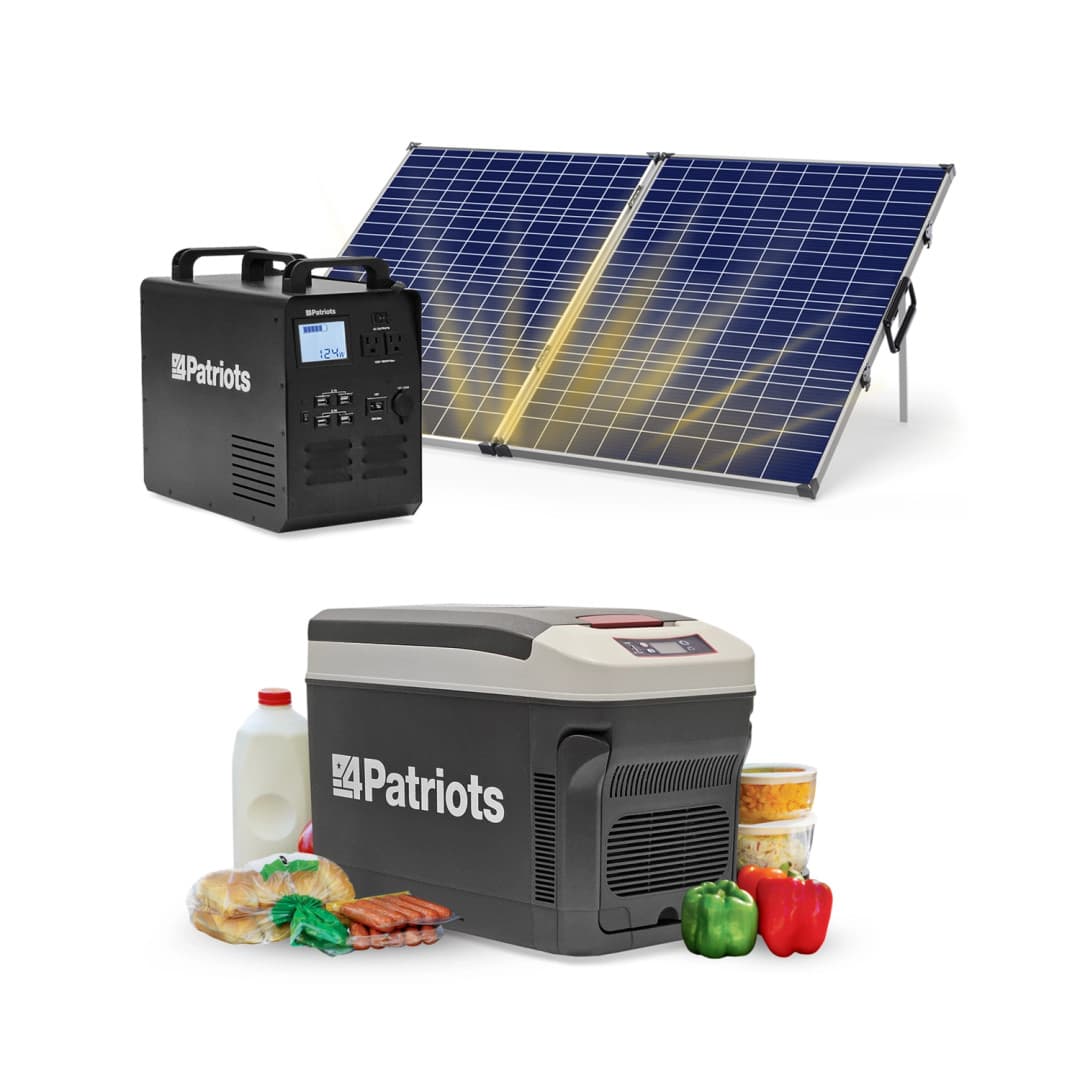
Solar generators consist of three main components. First, solar panels capture sunlight and convert it into electricity. Second, a battery stores the electricity for later use. Finally, an inverter changes the stored power into usable electricity for appliances.
Each component plays a crucial role. Solar panels need sunlight to produce energy. The battery ensures power availability even when it’s cloudy or at night. The inverter makes sure the power is suitable for household devices.
How Solar Generators Work
The process starts with solar panels collecting sunlight. They transform the sunlight into direct current (DC) electricity. This electricity flows into the battery for storage.
When you need to use an appliance like a freezer, the stored power comes into play. The inverter converts the DC electricity into alternating current (AC). Most household appliances, including freezers, run on AC electricity.
This seamless process ensures a steady power supply. Even during power outages, solar generators can keep your freezer running. This makes them a reliable choice for sustainable energy needs.
Power Requirements Of Freezers
Freezers are vital for preserving food, but they need electricity. To power a freezer with a solar generator, understanding its power requirements is crucial. Knowing how much energy a freezer uses helps determine the right solar setup.
Understanding Freezer Wattage
Freezers come with different power needs. Most freezers have a label showing their wattage. This number tells how much electricity they use. Small freezers use less power, usually around 100 to 400 watts. Larger freezers might need up to 700 watts.
Knowing the wattage helps in choosing the right solar generator. Check the label inside or at the back of the freezer. It’s a quick way to find out the power requirement. Remember, starting a freezer takes more power than running it. This spike happens when the compressor kicks in.
Energy Consumption Patterns
Freezers don’t run constantly. They cycle on and off to maintain temperature. This pattern affects their energy use throughout the day. On average, a freezer runs about 8 to 10 hours daily.
During these hours, the freezer’s energy consumption varies. It uses more power when the compressor is active. This cycling helps save energy but needs a reliable power source. Understanding these patterns is key for efficient solar power use.
Monitoring the freezer’s energy use can help optimize solar generator performance. Use an energy meter to track usage. This data aids in planning solar capacity and battery storage. Efficient planning ensures the freezer runs smoothly on solar power.
Matching Solar Power With Freezer Needs
Solar generators can efficiently power freezers, providing a sustainable energy solution. Choosing the right capacity ensures uninterrupted freezer operation, even in off-grid settings.
Matching Solar Power with Freezer Needs Powering a freezer with a solar generator is an eco-friendly choice that requires careful planning. You need to ensure that your solar generator can meet the energy demands of your freezer. This involves understanding both the energy consumption of your freezer and the capacity of your solar generator.Calculating Solar Generator Capacity
To match a solar generator with your freezer, start by calculating the freezer’s energy consumption. Check the freezer’s energy guide label to find out its wattage. Multiply the wattage by the number of hours you plan to run it each day. Next, consider the solar generator’s capacity, measured in watt-hours (Wh). Ensure the generator’s capacity exceeds the freezer’s daily energy needs. If your freezer consumes 800 Wh daily, a solar generator with at least 1000 Wh capacity is advisable to cover inefficiencies and energy losses.Battery Storage Considerations
Battery storage plays a crucial role when using a solar generator. Your freezer needs a continuous power supply, even when the sun isn’t shining. Choose a solar generator with a battery capacity that matches or exceeds the freezer’s daily usage. This ensures your freezer remains operational overnight or on cloudy days. Also, consider the battery’s lifespan and charging cycles. A high-quality battery will last longer and require less frequent replacements, saving you money in the long run. Have you ever been caught off guard by an unexpected power outage? Ensuring your solar generator is up to the task can provide peace of mind and keep your freezer running smoothly.Choosing The Right Solar Generator
Choosing the right solar generator can feel like a complex puzzle, but it doesn’t have to be. If you’re considering powering a freezer, selecting the right one is crucial to ensure efficiency and reliability. Let’s break it down into manageable pieces and see how you can make the best choice for your needs.
Assessing Generator Specifications
Understanding the specifications of a solar generator is your first step. Look at the wattage output; for a freezer, you’ll typically need a generator that can provide at least 1000 watts. This ensures your appliance runs smoothly without interruptions.
Consider the battery capacity too. A higher capacity means longer run times, especially crucial during cloudy days or overnight. Check if the generator supports battery expansion if you plan to increase your energy needs in the future.
Don’t overlook the charge time. A generator with a faster charge rate can be more convenient and efficient, especially if you’re in an area with unpredictable sunlight.
Top Solar Generators For Freezers
Some solar generators stand out for their ability to power freezers effectively. The Goal Zero Yeti 1500X is a favorite due to its robust 1516Wh battery and multiple output options. It’s known for its durability and ease of use.
The Jackery Explorer 1000 is another excellent choice. It’s lightweight and portable, with a 1002Wh capacity and a variety of ports to suit different needs. Users appreciate its quiet operation and quick recharge time.
For those needing even more power, the Bluetti AC200P offers a whopping 2000Wh capacity. It’s ideal for larger freezers or when you need to power multiple appliances simultaneously. Its high efficiency and reliable performance make it a top contender.
Are you considering these options, or do you have other generators in mind? Evaluating your specific freezer’s energy requirements and the generator’s capabilities will guide you to the perfect match.
Installation And Setup
Installing and setting up a solar generator to power a freezer involves a few simple steps. First, connect the solar panels to the generator. Then, ensure the generator’s capacity meets the freezer’s power requirements. Finally, plug the freezer into the generator to start using renewable energy.
Installing and setting up a solar generator to power your freezer can be both an exciting and challenging project. Having a reliable, eco-friendly power source can not only save on electricity bills but also provide peace of mind during power outages. It’s essential to follow a clear and structured approach to ensure everything runs smoothly from the start.Setting Up Solar Panels
Begin by choosing the right location for your solar panels. Ideally, they should be installed in an area that receives maximum sunlight throughout the day. This could be your rooftop, backyard, or any open space free from shade. Once the location is set, securely mount the solar panels using brackets or a mounting system. Ensure that the panels are angled correctly to capture the most sunlight. Regularly check and clean the panels to maintain efficiency.Connecting To The Freezer
First, ensure your solar generator’s power capacity matches your freezer’s requirements. Check the wattage of your freezer and compare it with the solar generator’s output. This step is crucial to avoid overloading the system. Use a reliable inverter to convert the solar energy to a usable form for your freezer. Connect the inverter to both the solar generator and the freezer. It’s always a good idea to test the setup by running the freezer for a few hours to ensure everything is functioning correctly. Does your setup meet your expectations, or is there room for improvement? Regular checks and adjustments can help optimize performance and energy efficiency.
Credit: www.youtube.com
Maintenance And Troubleshooting
Exploring the use of a solar generator for powering a freezer can be beneficial. Consider the freezer’s power needs and the generator’s capacity. Proper maintenance and timely troubleshooting ensure efficient operation and longevity.
Maintaining a solar generator that powers a freezer requires regular attention. Keeping the system efficient can save energy and prevent issues. Understanding basic maintenance helps ensure a smooth operation. Troubleshooting common problems can prolong the lifespan of your equipment.Maintaining Solar Efficiency
Solar panels need to stay clean for maximum efficiency. Dust or debris can block sunlight, reducing power generation. Regularly inspect and clean panels with a soft brush or cloth. Make sure they’re positioned correctly for optimal sun exposure. Check connections and wires to avoid energy loss. Inspect the battery for wear and tear to ensure proper charging.Common Issues And Solutions
Battery problems are common in solar generators. If the battery fails to charge, inspect connections and clean terminals. Low power output can result from dirty panels. Clean them and check the inverter settings. An overloaded generator may shut down. Reduce the load by unplugging some devices. If the freezer doesn’t run, verify the power settings and connections. Regular checks can prevent these issues.Cost Analysis And Benefits
Investing in a solar generator to power your freezer offers intriguing cost analysis and benefits. While the initial investment might seem hefty, the long-term savings and environmental impact are compelling reasons to consider this eco-friendly option. Let’s delve into the details and examine why this choice might be beneficial for you.
Initial Investment Vs. Long-term Savings
Buying a solar generator initially requires a significant financial outlay. You’ll need to purchase the solar panels, the generator itself, and possibly installation services. However, it’s important to weigh this against the long-term savings.
Imagine never having to pay for electricity to keep your freezer running. Over time, these savings can easily offset the initial costs. Plus, solar generators often have a long lifespan, meaning your investment can pay for itself multiple times over.
Have you ever calculated your monthly electricity bill for running appliances like freezers? Consider how much you could save by harnessing solar energy instead.
Environmental Impact
Switching to a solar generator significantly reduces your carbon footprint. By relying on renewable energy, you contribute to lessening global reliance on fossil fuels.
Every kilowatt-hour of solar energy generated helps decrease greenhouse gas emissions. This means you’re not only saving money but also playing a crucial role in preserving the planet for future generations.
Think about the positive impact you can make. Is it worth considering the broader effects of your energy choices on the environment?
Credit: 4patriots.com
Frequently Asked Questions
What Size Solar Generator Will Run A Freezer?
A solar generator with at least 1000 watts is ideal for running a freezer. Ensure the generator has a battery capacity of 1500 watt-hours or more for optimal performance. Check the freezer’s power consumption to match the generator’s output.
How Long Will A 1000 Watt Solar Generator Run A Refrigerator?
A 1000 watt solar generator can run a refrigerator for approximately 6 to 10 hours. This depends on the fridge’s wattage and energy efficiency. Always check the fridge’s power consumption for accurate calculations.
What Size Generator Would I Need To Run A Freezer?
A freezer typically needs a generator with at least 1000-2000 watts. Check your freezer’s wattage requirement for accuracy. Choose a generator with slightly higher capacity to ensure smooth operation and to handle startup surges. Always consult your appliance manual for specific wattage details before purchasing a generator.
How Much Solar Do You Need To Run A Freezer?
To run a freezer, you typically need a solar system generating 200-600 watts daily. Consider freezer wattage, solar panel efficiency, and battery capacity. Ensure panels receive ample sunlight for optimal performance. Consult a solar expert to tailor the system to your specific freezer model and energy needs.
Conclusion
Solar generators can power freezers. It depends on various factors. Consider the freezer’s power needs. Check the solar generator’s capacity. Match them for effective use. Choose the right model for your needs. Consider energy efficiency for longer use. Solar solutions are environmentally friendly.
They offer renewable energy options. Plan carefully to meet your needs. Optimize for best performance. Monitor usage and adjust accordingly. Make informed decisions to avoid issues. Enjoy reliable, sustainable power. A freezer powered by solar is possible. Just ensure compatibility and efficiency.