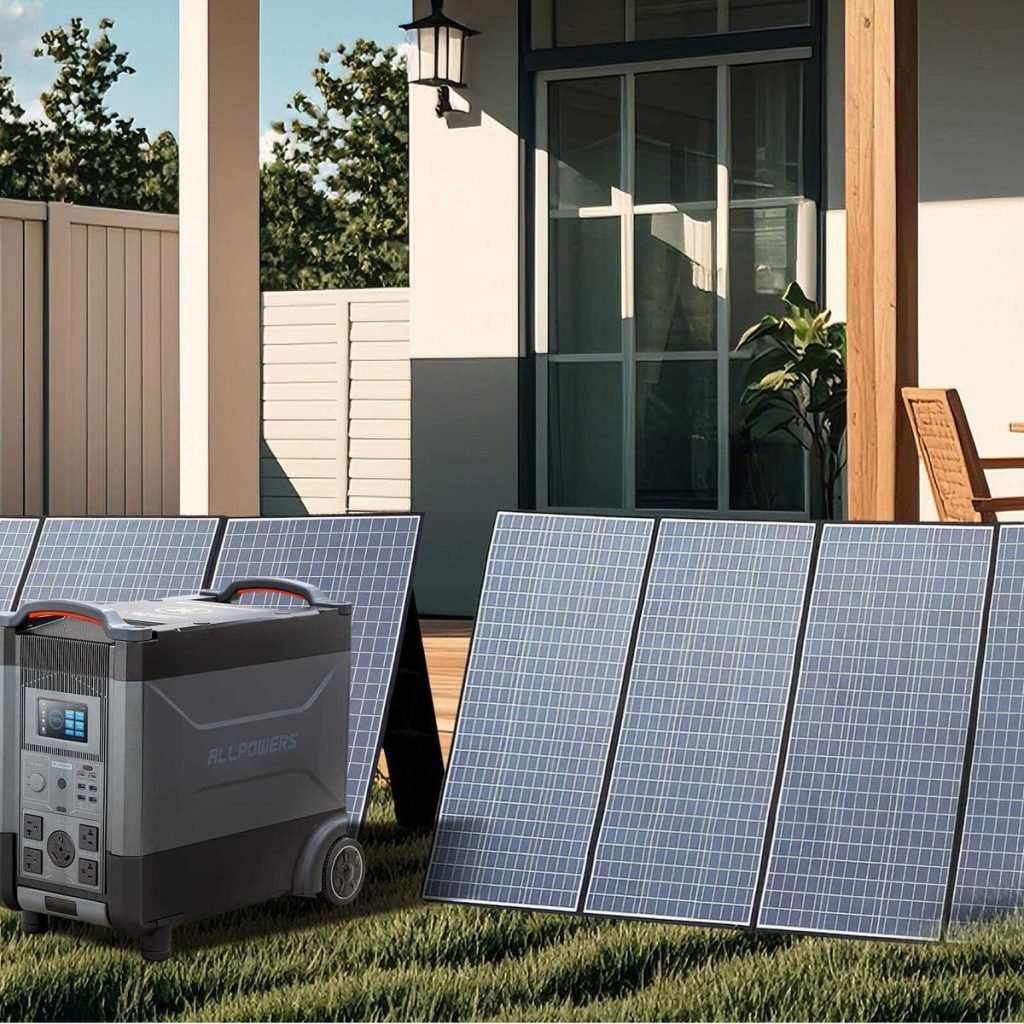
Imagine a world where your home is powered by the sun, offering you freedom from rising energy bills and the satisfaction of reducing your carbon footprint. This isn’t just a futuristic dream—it’s a reality with solar generators.
If you’ve ever wondered, “Can a solar generator power a house? ” You’re not alone. The idea is not only intriguing but also incredibly relevant as more people seek sustainable energy solutions. By the end of this article, you’ll discover how solar generators work, their potential to power your entire home, and whether this eco-friendly option is right for you.
Get ready to unlock the secrets of harnessing the sun’s energy to transform your living space.
Solar Generator Basics
Solar generators are gaining popularity as a sustainable energy solution for homes. They promise to harness the sun’s power, offering a cleaner and potentially cost-effective alternative to traditional energy sources. But what exactly makes up a solar generator, and how does it work?
Components Of A Solar Generator
A solar generator is made up of several key components that work together to convert sunlight into usable electricity. At its core, it includes solar panels, a battery, an inverter, and a charge controller.
- Solar Panels:These are the most visible parts, responsible for capturing sunlight and converting it into direct current (DC) electricity.
- Battery:It stores the electricity generated by the solar panels for use when the sun isn’t shining, like during the night or cloudy days.
- Inverter:This component converts the stored DC electricity into alternating current (AC) electricity, which is what most household appliances use.
- Charge Controller:It regulates the energy flow from the solar panels to the battery, preventing overcharging and potential damage.
How Solar Generators Work
Understanding the operation of a solar generator can demystify its potential for powering your home. The process begins when solar panels capture sunlight and generate DC electricity. This electricity then flows to the charge controller, which ensures the battery receives a steady charge without being overfilled.
Once stored, the energy is ready for use. However, most household devices require AC electricity. This is where the inverter plays a crucial role, converting the stored DC power into AC power. This conversion allows you to run anything from your refrigerator to your lights, just as you would with grid electricity.
Have you ever wondered how effective a solar generator could be during a power outage? It can be a lifesaver, providing essential backup power for your home. By understanding its components and operation, you can make informed decisions about integrating solar power into your life.

Credit: udpwr.com
Sizing A Solar Generator For Home Use
Sizing a solar generator for home use involves assessing your energy needs. Can it power a house? Yes, but it depends on the generator’s capacity and your household’s energy consumption. A larger generator with ample storage can effectively power essential appliances and lighting during outages.
Sizing a solar generator for home use is more than just a matter of choosing the right brand. It’s about aligning the generator’s capabilities with your household’s energy demands. This process involves understanding your energy consumption and the capacity of the solar generator’s battery. By doing so, you can ensure an uninterrupted power supply when you need it most.Calculating Energy Needs
The first step in sizing a solar generator is calculating your home’s energy needs. Start by listing all the essential appliances and devices you plan to power. This could include refrigerators, lights, and electronics. Look at the energy consumption of each item, typically measured in watts. Multiply the wattage by the number of hours you’ll use each device daily. Add these up for a total daily energy requirement. Consider your lifestyle. Are you home all day, or do you only need power for evenings? Knowing this helps tailor your generator to your needs.Battery Capacity Considerations
Once you have a clear picture of your energy usage, focus on the battery capacity of the solar generator. This is crucial as it determines how long your generator can power your home without recharging. Battery capacity is measured in watt-hours (Wh). For example, if your daily energy requirement is 5,000 Wh, you’ll need a generator with at least that capacity. However, it’s wise to opt for a bit more to accommodate energy spikes or cloudy days. Think about your region’s climate. If you live in an area with frequent cloudy days, a larger battery is beneficial. In my own experience, investing in a solar generator with a slightly higher capacity than calculated saved my family during unexpected power outages. This extra buffer ensures peace of mind and reliable power, no matter the weather. Is your solar generator ready to meet your home’s demands? Consider these factors carefully to make an informed choice.Types Of Solar Generators
Solar generators offer a sustainable way to power homes. They harness the sun’s energy, providing electricity without harmful emissions. Solar generators are typically categorized into two types: portable and stationary. Each type has unique features and benefits.
Portable Solar Generators
Portable solar generators are compact and easy to transport. They typically consist of solar panels, a battery, and an inverter. These generators are perfect for outdoor activities or emergency situations. They can charge small devices and appliances, like phones and lamps. Their lightweight design makes them user-friendly for on-the-go power needs.
Some models come with foldable solar panels. This feature allows for easy storage and transport. Portable solar generators are ideal for those who need flexibility. They can be set up quickly, making them convenient for various uses.
Stationary Solar Generators
Stationary solar generators are designed for permanent installation. They are usually larger and more powerful than portable versions. These generators can provide electricity for an entire home. They include solar panels mounted on roofs or in yards. Stationary generators often have larger battery capacities, allowing them to store more energy.
These systems can be integrated with home electrical setups. They require professional installation but offer reliable power solutions. Stationary solar generators are great for long-term energy needs. They are an excellent choice for homeowners seeking sustainable living.
Installation Process
Installing a solar generator involves connecting it to your home’s electrical system. Ensure proper placement for optimal sunlight exposure. Follow manufacturer instructions for wiring and safety precautions.
Installing a solar generator to power your home can seem daunting, but breaking it down into manageable steps makes it more approachable. Understanding each phase of the process ensures you not only harness the sun’s power effectively but also keep your home running smoothly. Let’s explore how you can make your home solar-ready, starting from assessing your site to connecting the system to your home’s electrical grid.Site Assessment
The first step in the installation process is evaluating your site. Consider the available space on your property, preferably with maximum sun exposure. Roofs often serve as the ideal location, but ground installations can work if roof space is limited. Check for any obstructions like trees or neighboring buildings that could cast shadows. Even a small shadow can significantly reduce solar efficiency. Use online tools or consult a professional to analyze sun patterns. This ensures your panels are positioned for optimal energy capture throughout the year.Connecting To Home Electrical System
Once your solar generator is ready, it’s time to connect it to your home’s electrical system. Safety first—ensure your system is compatible with your home’s existing wiring. An inverter is essential as it converts the solar energy from DC to AC power, which is usable by home appliances. Choose an inverter that matches the capacity of your solar setup. Hire a certified electrician to handle the connection. Incorrect installation can lead to inefficiencies or even damage your system. Have you ever wondered how seamless it would be to wake up to a home powered by the sun? With the right setup, this vision is entirely possible. Wouldn’t it be rewarding to watch your energy bills shrink while knowing you’re contributing to a greener planet?Cost Analysis
Cost analysis helps determine if a solar generator can effectively power a house. It considers initial investment, potential savings on electricity bills, and long-term benefits.
Cost analysis is a crucial factor to consider when contemplating the installation of a solar generator to power your home. By breaking down the financial aspects, you can make an informed decision that aligns with your budget and long-term goals. Let’s dive into the key components: the initial investment and the potential for long-term savings.Initial Investment
The initial cost of a solar generator can be significant. It typically involves purchasing the generator itself, solar panels, and any additional equipment needed for installation. These costs can vary depending on the size and capacity of the system you choose. You might find yourself weighing this against traditional energy setups. However, the lack of monthly utility bills can make the upfront cost more palatable over time. It’s essential to research and compare different models and brands to find the best fit for your needs and budget.Long-term Savings
Once installed, a solar generator can lead to substantial savings. Imagine slashing your electricity bills or even eliminating them entirely. The return on investment becomes apparent as utility costs rise over time. Consider the environmental impact, too. By using renewable energy, you contribute to reducing carbon footprints, which is a bonus beyond monetary savings. Some homeowners even earn credits or rebates from excess energy fed back into the grid. Have you thought about the freedom from fluctuating energy prices? With a solar generator, you’re less vulnerable to price hikes, offering peace of mind for years to come.Benefits Of Solar Generators
Solar generators can power a house by converting sunlight into electricity. They offer a clean, renewable energy source. This reduces dependency on traditional power grids and lowers electricity bills.
The benefits of solar generators extend beyond just saving money. They offer a sustainable and reliable energy solution. This makes them an attractive choice for homeowners. Let’s explore the advantages of using solar generators.Environmental Impact
Solar generators produce clean energy. They reduce reliance on fossil fuels. This helps decrease greenhouse gas emissions. Using them can lead to a healthier planet. They generate power without pollution. This makes them eco-friendly. By choosing solar energy, you contribute to a greener future.Energy Independence
Solar generators offer energy independence. You are less dependent on the grid. This can be crucial during power outages. They provide a stable power source. You can generate electricity at home. This leads to more control over energy use. By using solar generators, you gain energy freedom.Challenges And Limitations
While the allure of solar generators powering homes is captivating, the reality comes with its set of challenges and limitations. These challenges can affect the efficiency and reliability of your solar setup. Understanding these obstacles is crucial in deciding whether a solar generator is the right choice for your home.
Weather Dependency
Solar generators rely heavily on sunlight to produce energy. During cloudy days or winter months, the energy production can significantly drop. This means you might need a backup plan for consistent energy supply. Imagine planning a family movie night only to be interrupted by an unexpected cloudy day—frustrating, right?
Power Output Limitations
The power output of solar generators is often lower compared to traditional power sources. If your household demands high energy, such as running multiple appliances simultaneously, a solar generator might struggle. You might find yourself constantly prioritizing which appliances to use, leading to a less convenient lifestyle.

Credit: udpwr.com
Maintenance Requirements
Maintenance is a critical aspect of ensuring your solar generator runs smoothly and efficiently. Just like any other power source, regular upkeep can significantly extend the life of your system. Understanding the maintenance requirements is essential, especially if you depend on solar energy to power your home. Let’s explore the key areas you need to focus on to keep your solar generator in top shape.
Battery Care
The battery is the heart of your solar generator. Proper care can prevent unexpected failures and maximize energy storage. Regularly check the battery’s charge levels and ensure they are within the manufacturer’s recommended range. Overcharging or deep discharging can damage the battery, so monitoring is crucial.
Temperature is another factor that affects battery performance. Extreme temperatures can reduce efficiency and lifespan. Consider installing your generator in a temperature-controlled environment if possible. This simple step can make a huge difference.
Keep an eye out for corrosion or leaks. A quick visual inspection every month can help you identify issues early. Addressing these problems promptly can save you from costly repairs.
Panel Cleaning
Solar panels need regular cleaning to maintain their efficiency. Dust, bird droppings, and leaves can accumulate over time, blocking sunlight and reducing power generation. A clean panel captures more sunlight, providing more energy for your home.
Use a soft brush or cloth and water to clean the panels gently. Avoid harsh chemicals that might damage the surface. It’s a straightforward task that can be done once a month or after a storm.
Consider the environment around your home. If you live in a dusty area or near trees, you may need to clean the panels more frequently. Regular cleaning not only optimizes performance but also helps you spot any physical damage early.
Do you think your solar panels need more attention than your traditional power systems? Share your thoughts and experiences below!
Future Trends In Solar Technology
Solar technology is evolving rapidly, making solar generators more efficient. Small generators can now power essential home devices. Larger systems might soon power entire houses, harnessing the sun’s energy.
The future of solar technology is evolving rapidly, offering exciting possibilities for powering homes more efficiently. As the demand for renewable energy grows, innovations in solar technology are making it more accessible and practical for everyday use. From improved battery storage to seamless integration with smart home systems, these advancements are set to revolutionize how we harness and utilize solar power.Advancements In Battery Technology
Battery technology is experiencing significant breakthroughs. Modern solar generators now feature advanced lithium-ion batteries that store more energy and last longer. Imagine being able to power your house through the night or during cloudy days without a hitch. These batteries are becoming lighter and more efficient, reducing the space needed for installation. They also charge faster, ensuring you capture every ray of sunlight even during short sunny spells. This means more reliable energy, reducing your dependency on the grid.Integration With Smart Home Systems
Solar generators are not just standalone units anymore. They are being integrated with smart home systems, allowing you to manage your energy consumption effortlessly. Picture controlling your solar power usage through an app on your phone. Smart systems can optimize energy use by adjusting the power flow based on your household needs. They can even predict energy demands using AI, ensuring your home operates at peak efficiency. This not only saves money but also enhances your lifestyle by providing seamless energy management. These future trends in solar technology are not just about technical specs. They offer practical solutions that fit into your daily life, making renewable energy an integral part of your household. Are you ready to embrace these innovations for a more sustainable future?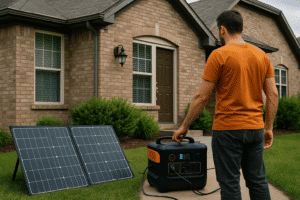
Credit: generatorpeak.com
Frequently Asked Questions
How Big Of A Solar Generator Do You Need To Power A House?
A solar generator for a house should match your energy needs. Typically, a 5000-7500 watt generator is sufficient. Analyze daily electricity usage, and consider peak power demands. Consult with a solar expert to ensure accurate sizing. Proper generator sizing enhances efficiency and reduces costs.
What Are The Disadvantages Of A Solar Generator?
Solar generators can be expensive. They offer limited power storage and are weather-dependent. Charging takes longer compared to fuel generators. Maintenance can be challenging. They may not support high-energy appliances consistently.
How Long Can A Solar Generator Run Continuously?
A solar generator’s continuous run time depends on its battery capacity and power consumption. On a full charge, a typical solar generator can run small appliances for several hours. Larger systems with higher capacity can power devices for longer periods.
Always check specific generator specifications for exact run times.
Can I Run A Refrigerator On Solar Power And Generator?
Yes, you can run a refrigerator on solar power and a generator. Ensure your solar system can handle the fridge’s energy needs. A generator can serve as a backup during cloudy days or power outages. Proper planning and installation are essential for efficient operation.
Conclusion
Exploring solar generators reveals their potential and limitations. They can support small homes. Larger homes require more planning and backup solutions. Solar energy reduces dependence on traditional sources. It offers environmental benefits. Costs and installation needs vary. Consider your home’s energy demands.
Evaluate the solar generator’s capacity. It might suit your needs. Harnessing solar power can be an eco-friendly choice. It provides flexibility in energy management. Think about your goals and budget. Research well before investing. Solar generators are a step towards sustainable living.
Choose wisely for your home’s energy future.