
Imagine you’re in the middle of a camping adventure or facing an unexpected power outage at home. You need a warm meal, and your trusty microwave is waiting for action.
But here’s the twist: you only have a solar generator at your disposal. Can it handle the task? This is a question many eco-conscious individuals and adventurers like you are curious about. Unlocking the potential of solar power for everyday appliances is not just about convenience; it’s a step towards sustainable living.
Dive into this article to discover whether your solar generator can indeed power up your microwave and, along the way, learn how you can make the most of the sun’s energy. Let’s explore this electrifying possibility together and see if solar truly meets the demands of your modern lifestyle.
Solar Generators: An Overview
Solar generators are gaining popularity for their eco-friendly energy. They use sunlight to provide power, making them ideal for various applications. Understanding their components and types can help you decide their suitability for a microwave.
Components Of Solar Generators
Solar generators consist of several key components. These components work together to capture and store solar energy.
- Solar Panels:These capture sunlight and convert it into electricity.
- Battery Storage:Stores the energy for later use.
- Inverter:Converts stored energy into usable power for appliances.
- Charge Controller:Regulates the power from solar panels to batteries.
Each component plays a crucial role in energy conversion and storage.
Types Of Solar Generators
There are different types of solar generators available. Each type caters to specific needs and power requirements.
- Portable Solar Generators:Lightweight and easy to carry. Ideal for camping and outdoor activities.
- Home Solar Generators:Larger and designed for residential use. Can power multiple appliances.
- Industrial Solar Generators:High-capacity generators for commercial and industrial applications.
Choosing the right type depends on your power needs and usage.

Credit: www.amazon.com
Understanding Microwave Power Requirements
Understanding the power requirements of your microwave is crucial if you’re considering using a solar generator to run it. While microwaves are a staple in most kitchens, their energy needs can vary significantly depending on the model and usage patterns. Let’s dive into the specifics to see how your solar setup might handle this task.
Microwave Wattage Explained
Microwave wattage is essentially the measure of power it requires to function efficiently. Most microwaves fall within the range of 600 to 1200 watts. A higher wattage usually means quicker cooking times but also higher energy demands.
Do you often find yourself impatiently waiting for food to heat up? Maybe you’ve considered upgrading to a microwave with more power. But remember, more wattage means your solar generator needs to be robust enough to handle the load.
Energy Consumption Patterns
Understanding how often and for how long you use your microwave can help gauge its energy consumption. Short, frequent bursts throughout the day might add up to a substantial amount of power used.
Consider your daily routine. Do you heat up leftovers or cook meals from scratch? Each use has a unique energy footprint. Are you mindful of the duration? Longer cooking times can significantly impact your solar generator’s capacity.
Could adjusting your microwave habits make solar power a viable option for you? By assessing these patterns, you can make informed decisions about pairing your microwave with a solar generator.
Matching Solar Generators With Microwave Needs
Matching a solar generator with a microwave’s needs can be tricky. You need to consider the power requirements and the generator’s capacity. This ensures efficient and safe use of both devices. Knowing how much power a microwave uses and selecting a compatible solar generator is crucial. Let’s dive into the specifics.
Calculating Required Power
First, check the microwave’s wattage. Most microwaves use between 600 and 1200 watts. This information is typically on the back of the appliance or in the manual. Note the wattage as it helps determine the generator size. If the microwave uses 1000 watts, the solar generator must supply at least this amount continuously.
Consider the start-up power surge. Microwaves often need more power initially. This surge can be 1.5 to 2 times the running wattage. For a 1000-watt microwave, the generator should handle up to 2000 watts temporarily.
Choosing The Right Solar Generator
After calculating the power needs, find a suitable generator. Look for a solar generator with a continuous output matching or exceeding the microwave’s wattage. Ensure it can handle the start-up power surge too.
Check the battery capacity. A higher capacity means longer operation times. Also, consider the solar panel’s efficiency. Efficient panels recharge the generator faster, ensuring your microwave runs smoothly.
Portability and ease of use are essential. Choose a generator that’s easy to move and simple to operate. This ensures a hassle-free experience when powering your microwave.
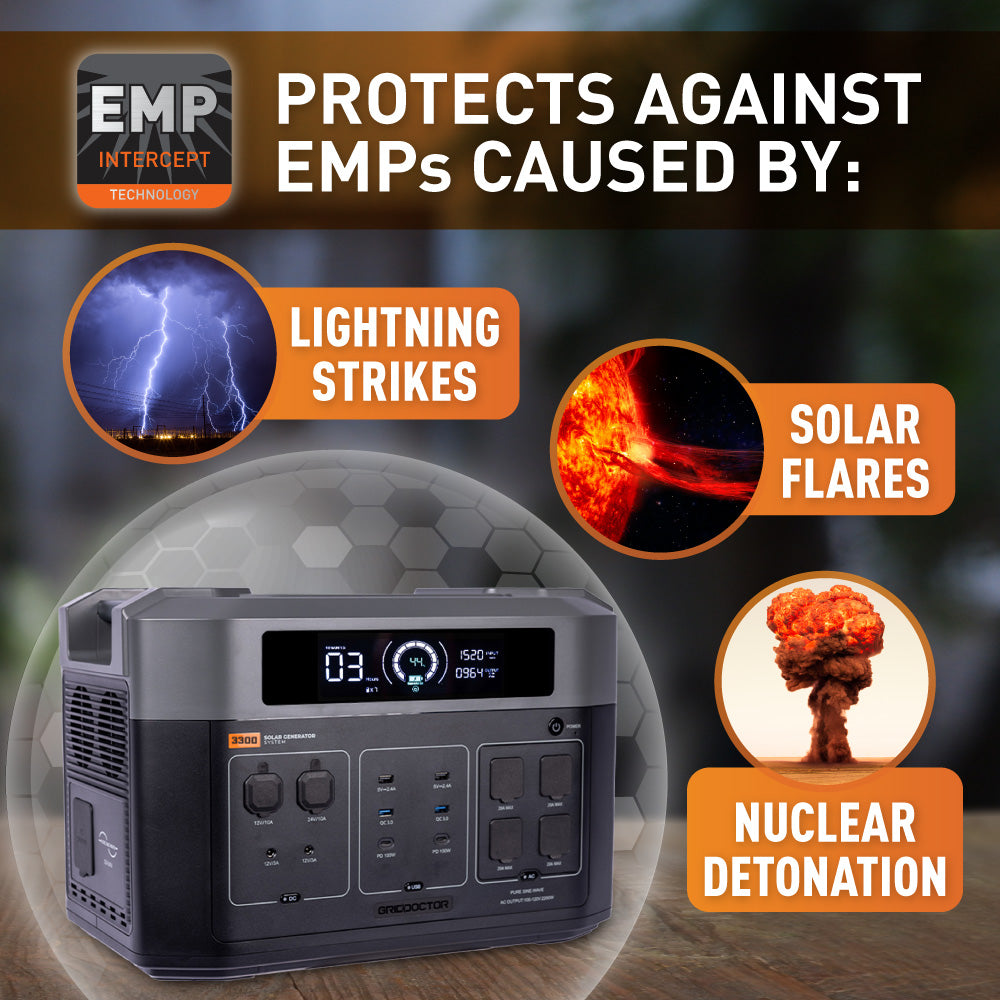
Credit: www.beprepared.com
Efficiency And Limitations
When considering whether a solar generator can power a microwave, it’s crucial to understand both the efficiency and the limitations of solar technology. Solar generators are becoming more popular for their ability to provide clean energy, but their capacity to handle high-wattage appliances like microwaves is not always straightforward. To determine if a solar generator can efficiently power a microwave, we need to dive into the specific factors that affect performance and examine potential limitations you might face.
Factors Affecting Performance
- Wattage of the Microwave:Most microwaves use between 600 to 1200 watts. Ensure your solar generator has a similar or higher wattage capacity.
- Battery Capacity:The capacity of the solar generator’s battery impacts how long it can power the microwave. A larger battery is typically better for high-power appliances.
- Solar Panel Efficiency:High-efficiency panels can store more energy, which is vital on cloudy days or in less sunny climates.
- Inverter Quality:The inverter converts stored solar energy into usable power for your appliances. A high-quality inverter ensures efficient energy use.
Imagine you’re preparing a quick meal during a camping trip. Your solar generator’s performance will depend on how well these factors align with your microwave’s requirements. Overlooking any of these can lead to insufficient power, leaving you with a half-cooked meal.
Potential Limitations To Consider
- Weather Dependency:Solar generators rely on sunlight. Overcast or rainy days might reduce power generation, affecting microwave usage.
- High Initial Cost:Quality solar generators and panels can be expensive upfront. Consider if this investment is practical for your needs.
- Portability Issues:Larger solar panels and batteries might be cumbersome to transport, especially if mobility is key for your use case.
- Limited Run Time:Continuous use of high-wattage appliances may quickly deplete the generator’s battery, requiring frequent recharging.
Have you ever been in the middle of heating your meal only for the power to cut off? This can be a common scenario if the solar generator’s limitations aren’t carefully considered. Planning around these constraints will help ensure a smoother experience.
Ultimately, a solar generator can power a microwave, but efficiency and limitations depend on several critical factors. Are you ready to embrace these considerations for a more sustainable energy solution?
Case Studies And Real-world Examples
Explore how solar generators can power microwaves through real-world examples. Discover practical insights from case studies, highlighting effective strategies and challenges. Learn from experiences to understand the feasibility and limitations of solar-powered solutions for daily appliances.
Case Studies and Real-world Examples Exploring whether a solar generator can power a microwave involves looking at real-world examples and success stories. These case studies shed light on the practical applications and potential challenges of using solar energy for household appliances. Let’s delve into some interesting examples that highlight both the triumphs and hurdles of integrating solar technology into everyday life.Success Stories
Imagine waking up in a cozy off-grid cabin, the sun’s rays streaming through the window. You decide to make a quick breakfast, and with the help of a solar generator, your microwave is up and running. This isn’t just a dream for some; it’s a reality. Several off-grid enthusiasts have successfully used solar generators to power microwaves. By carefully choosing a solar generator with sufficient wattage, they’ve managed to heat meals without relying on traditional electricity sources. These success stories often involve strategic planning, like aligning solar panel capacity with energy needs.Challenges Encountered
While success stories are inspiring, challenges are inevitable. One common hurdle is the energy demand of microwaves, which can be substantial. Not all solar generators can handle the high power required, leading to limitations in usage. Some users have experienced difficulties on cloudy days when solar energy is limited. This can result in insufficient power to run a microwave, highlighting the importance of having a backup plan. Battery capacity and storage also play crucial roles, as they determine how much energy is available during low sunlight periods. Reflect on your own potential challenges. Could your solar setup withstand a power-hungry microwave? Are you prepared for cloudy days? Understanding these real-world examples can guide your decisions and help you harness solar power effectively.Tips For Optimizing Solar Generator Usage
Using a solar generator to power a microwave can be efficient. Proper usage ensures that you get the most out of your solar setup. Here are some practical tips to optimize solar generator usage for powering appliances like microwaves.
Maximizing Efficiency
- Choose a generator with sufficient wattage for your microwave.
- Use energy-efficient microwaves to reduce power consumption.
- Operate the microwave during peak sunlight hours for optimal energy input.
- Minimize the use of other appliances while using the microwave.
Maintenance And Care
- Regularly clean solar panels to ensure maximum sunlight absorption.
- Check battery health periodically for consistent performance.
- Store your generator in a dry place to prevent damage.
- Perform routine inspections for any wear and tear.
Future Of Solar Generators In Home Appliances
Solar generators can power a microwave, making them a viable option for home appliances. Their capability depends on the generator’s wattage and capacity. As technology advances, solar generators become more efficient and accessible for everyday use.
The future of solar generators in home appliances looks promising. As technology advances, solar generators become more efficient and affordable. They offer a sustainable energy solution for powering household items. This shift towards clean energy is crucial. It helps reduce dependence on fossil fuels and lowers carbon emissions.Innovations On The Horizon
Solar generators are evolving rapidly. New designs are making them smaller and more powerful. Some models can store energy for cloudy days. Others integrate with smart home systems. This allows remote control and monitoring. Engineers are exploring ways to enhance efficiency. Improved solar panels capture more sunlight. Battery technology is advancing too. This ensures longer-lasting power supply.Impact On Sustainable Living
Solar generators contribute to sustainable living. They reduce electricity bills significantly. Families save money while helping the environment. These generators offer independence from the grid. In power outages, they provide reliable backup. They also support eco-friendly practices. Using renewable energy reduces carbon footprint. People can enjoy modern conveniences responsibly.
Credit: www.jackery.com
Frequently Asked Questions
What Size Solar Generator Do I Need To Run A Microwave?
To run a microwave, choose a solar generator with at least 1,500 watts of power. Ensure it can handle the microwave’s wattage and startup surge. Check your microwave’s power requirements, usually found on the label.
How Much Solar Power Do You Need To Run A Microwave?
A typical microwave requires around 1,000 watts of power. Solar panels producing about 1. 5 kW can run it efficiently. Ensure your solar setup includes a suitable inverter and battery storage to handle peak usage times. Calculate based on your microwave’s wattage for precise needs.
How Long Will A Jackery Run A Microwave?
A Jackery’s runtime for a microwave depends on its wattage and capacity. Most models can power a microwave for approximately 10 to 30 minutes. Check your Jackery’s specifications to determine exact duration. Always ensure the microwave’s wattage is compatible with your Jackery model.
Can You Use A Microwave With Solar Power?
Yes, you can use a microwave with solar power. Ensure your solar system provides sufficient wattage. Consider battery storage for cloudy days. Choose energy-efficient microwaves to maximize solar usage.
Conclusion
A solar generator can indeed power a microwave. Choosing the right generator is key. Consider the wattage and battery capacity. Make sure it meets your microwave’s needs. Check compatibility and efficiency. Solar energy offers a clean power option. It’s sustainable and cost-effective over time.
Consider sunlight availability in your area. Plan ahead for cloudy days. Backup options can be useful. Solar generators are versatile and portable. Great for outdoor activities and emergencies. With careful planning, they can run a microwave efficiently. Embrace renewable energy for everyday tasks.
It’s a smart, eco-friendly choice.