
Are you tired of relying solely on the grid to power your well pump? Imagine the freedom of harnessing the sun’s energy to meet your water needs.
You might wonder if a solar generator can really power a well pump effectively. The answer might surprise you. Whether you’re looking to cut costs, reduce your carbon footprint, or ensure a backup during power outages, understanding how solar power can fit into your water system is crucial.
Dive into this article, and uncover how you can transform your well pump’s energy source into a sustainable and reliable solution. Your curiosity will lead you to answers that could change the way you think about energy forever.

Credit: www.jackery.com
Solar Generators Explained
Powering a well pump with a solar generator is possible. It depends on the pump’s wattage and the generator’s capacity. Proper setup ensures reliable performance, even for high-demand pumps.
Solar generators have become increasingly popular for powering various devices and appliances, offering a clean and renewable energy source. But can they power something as demanding as a well pump? Before diving into that question, it’s crucial to understand what a solar generator is and how it functions. Solar generators are essentially portable power stations that convert sunlight into electricity, storing it in a battery for later use.How Solar Generators Work
A solar generator typically consists of solar panels, a battery, an inverter, and a charge controller. The solar panels harness sunlight and convert it into direct current (DC) electricity. This electricity is then stored in a battery for use when needed. The inverter plays a crucial role by converting the stored DC electricity into alternating current (AC), which is the type of power most home appliances require.Components Of A Solar Generator
Understanding the components of a solar generator can help you gauge its suitability for powering a well pump.- Solar Panels:These are responsible for capturing sunlight and turning it into electricity. The efficiency of the panels can significantly influence the generator’s output.
- Battery:The battery stores the electricity generated by the solar panels. A larger capacity battery can store more energy, making it more capable of powering larger devices.
- Inverter:This converts DC electricity to AC electricity. The inverter’s capacity determines how much power can be drawn at a given time.
- Charge Controller:It regulates the voltage and current coming from the solar panels to the battery, ensuring optimal charging and preventing overcharging.
Advantages Of Using Solar Generators
Solar generators offer several benefits that make them an attractive option for powering well pumps and other appliances. – Environmentally Friendly: They produce no emissions, making them a sustainable choice. – Cost-Effective: After the initial investment, sunlight is free, reducing electricity costs. – Portability: Many solar generators are portable, allowing flexibility in their use location.Limitations To Consider
While solar generators have many advantages, they also come with limitations. – Energy Output: Depending on the model, some solar generators may not provide enough power for high-demand appliances like well pumps. – Weather Dependence: Their efficiency is contingent on sunlight availability, which can vary with weather conditions. – Initial Cost: The upfront cost can be high, although it pays off over time. Can you imagine the freedom of having a reliable power source that’s not tied to the grid? But before you rush out to buy a solar generator, consider your energy needs and the generator’s capacity. Will it meet the demands of your well pump? This is the critical question to answer to make an informed decision.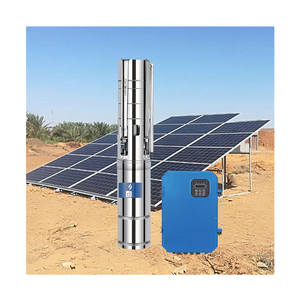
Credit: www.alibaba.com
Well Pump Power Requirements
Understanding the power requirements of your well pump is crucial when considering the use of a solar generator. You want to ensure that the generator can handle the energy demands efficiently, without any hiccups. But what exactly do these requirements entail? Let’s dive into the specifics of well pump power needs.
Types Of Well Pumps
Different types of well pumps come with varied power requirements. A submersible pump, commonly used for deeper wells, generally requires more power due to the depth it operates at. On the other hand, jet pumps, used for shallow wells, might need less energy. It’s important to know your pump type because this determines how much power your solar generator needs to produce.
Energy Consumption Factors
Several factors affect the energy consumption of well pumps. The depth of your well is a significant factor; deeper wells require more power to draw water. The water demand of your household also plays a role. If you have a large family or use water for gardening, your pump will work harder, consuming more energy.
Age and condition of the pump can influence energy usage too. An older pump might be less efficient, drawing more power than a newer, well-maintained one. Are you aware of how much power your well pump uses? Understanding this can help you decide if a solar generator is the right fit for your needs.
Compatibility Factors
Understanding solar generators involves assessing power needs and compatibility. Consider the well pump’s wattage and voltage requirements. Ensure the generator’s capacity matches these needs for efficient operation.
Understanding the compatibility factors of a solar generator with a well pump is crucial for ensuring a seamless operation. The right combination can save you both time and money, making your solar investment worthwhile. Let’s explore the main compatibility factors you should consider.Voltage And Wattage
Matching the voltage and wattage of your solar generator with your well pump is essential. Most well pumps require a specific voltage to operate efficiently, often around 120V or 240V. Ensure your solar generator can provide this voltage to prevent any operational hiccups. In addition, calculate the total wattage your pump needs. A well pump might need anywhere from 500 watts to over 1,500 watts. Choose a solar generator that can comfortably handle this wattage to avoid overloading.Battery Capacity
Battery capacity determines how long your solar generator can power your well pump. Consider your water usage patterns—do you need water throughout the day or only at specific times? This will guide you in choosing a generator with sufficient battery capacity. If your well pump runs continuously, opt for a generator with a high-capacity battery. On the other hand, if your usage is intermittent, a smaller battery might suffice. A solar generator with a battery capacity of 2,000 watt-hours could run a 500-watt pump for about four hours, giving you ample time for water collection. Isn’t it interesting how tailoring these factors to your specific needs can lead to such significant efficiency improvements? Make informed choices to optimize your solar setup and enjoy a sustainable water supply.
Credit: www.jackery.com
Benefits Of Solar-powered Pumps
Solar-powered pumps offer eco-friendly and cost-effective solutions for well water. They reduce electricity costs and harness renewable energy. These pumps ensure consistent water supply even in remote areas, enhancing sustainability.
Switching to solar-powered pumps offers a range of benefits that go beyond just keeping your well operational. The combination of harnessing sunlight and reducing dependency on traditional power sources can transform the way you manage your water supply. Let’s delve into the key advantages of using solar generators for well pumps.Environmental Impact
Solar-powered pumps significantly reduce your carbon footprint. By relying on renewable energy, you cut down on harmful emissions that contribute to climate change. It’s not just about saving the planet; it’s about making a positive choice for your community and future generations. Imagine the satisfaction of knowing your well pump is running on clean energy. Each drop of water drawn is powered by the sun, demonstrating a commitment to sustainability. This choice can inspire others around you to consider cleaner energy options.Cost Savings
One of the most compelling reasons to switch to solar is the potential for cost savings. Traditional well pumps rely on electricity from the grid, which can be expensive and subject to rate increases. Solar energy, on the other hand, is free once the initial setup is complete. Think of the long-term savings on your electricity bills. Over time, the investment in solar panels and a generator pays for itself, leaving more money in your pocket. Additionally, there are often tax incentives and rebates available for solar installations, further reducing the financial burden. Do you find yourself worrying about rising energy costs? By going solar, you gain more control over your expenses and can allocate those savings to other priorities in your life. Embracing solar-powered pumps isn’t just a technical upgrade; it’s a lifestyle choice that reflects your values and priorities. Are you ready to make the switch and enjoy these benefits?Challenges And Limitations
Solar generators face challenges in powering well pumps due to high energy demands. Limited battery capacity and inconsistent sunlight can restrict efficiency.
Powering a well pump with a solar generator can sound like a dream—clean energy, lower bills, and energy independence. But as with any dream, reality comes with its share of challenges and limitations. Understanding these can help you make an informed decision and ensure your setup works efficiently.Weather Dependence
One major challenge is the reliance on sunny weather. Solar generators depend heavily on sunlight to generate power. If you live in an area with frequent cloudy days or long winters, you might face power shortages. Imagine planning to water your garden, only to find your solar generator hasn’t stored enough energy due to an overcast sky. This unpredictability can be frustrating. Consider a backup plan, like connecting to the grid or using a battery storage system to ensure you have power when you need it most.Initial Investment Costs
The upfront costs of setting up a solar generator for your well pump can be daunting. You’ll need to invest in solar panels, batteries, and an inverter. These components don’t come cheap. Think of it as buying peace of mind for the future, but it can strain your budget today. A detailed cost analysis can help you understand the long-term savings versus initial expenses. Are you ready to make that financial leap for sustainable energy? In both weather dependence and initial investment costs, preparation and planning are key. Address these challenges head-on, and you’ll be better equipped to enjoy the benefits of solar power for your well pump.Case Studies And Real-world Examples
Exploring solar generators for well pumps reveals practical insights. Case studies demonstrate their capability to power pumps efficiently. Real-world examples show that solar solutions can be both cost-effective and environmentally friendly.
The concept of using a solar generator to power a well pump might sound futuristic, but it’s already a reality for many. Imagine the freedom of harnessing the sun’s energy to ensure a consistent water supply for your home or farm. Solar generators are becoming increasingly capable, and real-world examples prove their effectiveness. This section will explore fascinating case studies where individuals have successfully used solar power for their well pumps, showcasing the practical steps and results.Case Study: Rural Farm Transformation
Consider a farm located in a remote area with limited access to the electrical grid. The owner decided to shift to solar power, driven by the rising costs of fuel and electricity. By installing a solar generator, they were able to power their well pump efficiently. The setup included a generator capable of handling the pump’s power demand, ensuring that water was readily available for crops and livestock. This transition not only reduced operational costs but also minimized environmental impact, proving that solar energy can be a sustainable choice for farming.Real-world Example: Homeowner’s Solar Success
One homeowner faced frequent power outages that disrupted their water supply. They opted for a solar generator to stabilize their well pump operation. The installation was straightforward, involving solar panels connected to a battery system that powered the pump. This setup provided a reliable water source even during outages, offering peace of mind and independence from the grid. The homeowner shared that the initial investment was quickly offset by the savings on electricity bills, emphasizing the long-term benefits of solar energy.Community Initiative: Solar-powered Water Access
In a community project aimed at improving water access, several households pooled resources to install solar generators for their well pumps. This collective effort demonstrated the potential of solar energy in transforming community infrastructure. Each household benefitted from uninterrupted water supply, reducing reliance on expensive and unstable power sources. The initiative also highlighted the role of collaboration in achieving sustainable solutions, encouraging others to consider solar power as a viable option for water management. These case studies reveal the practical implications of using solar generators for well pumps. They highlight the importance of assessing your specific needs and potential challenges. Could solar power be the answer to your water supply issues?Future Trends In Solar Technology
As solar technology continues to evolve, its potential to power essential systems like well pumps is becoming increasingly viable. The future trends in solar technology promise more efficient, versatile, and cost-effective solutions that could revolutionize your energy choices. Are you ready to embrace these cutting-edge advancements?
Advancements In Efficiency
Solar panels are becoming more efficient with every passing year. New materials and designs are being introduced that can capture more sunlight even in less-than-ideal conditions. Imagine a scenario where your solar generator can power your well pump even on cloudy days. This is not just a distant dream; it’s a trend that could soon become a reality.
Consider the development of bifacial panels that absorb sunlight from both sides. These panels are already showing promise in increasing energy yield by up to 20%. Enhanced efficiency means you need fewer panels, making solar setups more accessible and practical for everyone.
Hybrid Systems
Hybrid systems are emerging as a game-changer in solar technology. By combining solar power with other energy sources, such as wind or battery storage, these systems offer greater reliability and flexibility. Have you ever thought about harnessing solar energy during the day and switching to battery power at night? This seamless transition can ensure your well pump operates without interruption.
Hybrid systems can also adapt to varying energy demands. For instance, during peak usage times, you can draw from multiple sources, reducing strain on any single system. This approach not only enhances performance but also maximizes cost savings, giving you more control over your energy expenses.
As solar technology advances, the potential for powering well pumps becomes more achievable. Are you ready to explore these innovations and integrate them into your everyday life?
Frequently Asked Questions
Can You Run A Well Pump Off A Solar Generator?
Yes, you can run a well pump off a solar generator. Ensure the generator’s wattage matches the pump’s requirements. Consider solar panel capacity, battery storage, and inverter size for efficient operation. Proper setup ensures reliable water access using renewable energy.
What Size Solar Generator Will Run A Well Pump?
To run a well pump, choose a solar generator with at least 1500-3000 watts. Consider your pump’s voltage and wattage requirements. Ensure the generator has sufficient battery capacity to handle startup surges. Always check compatibility with your specific pump model to ensure efficient operation.
How Much Solar Do I Need For A Well Pump?
Calculate solar needs by considering the well pump’s wattage, daily usage hours, and local sunlight hours. Typically, 1000-2000 watts of solar panels suffice for most well pumps. Consult a solar specialist to determine precise requirements based on specific conditions and usage patterns.
How Many Watts Does It Take To Power A Well Pump?
A typical well pump requires between 500 to 1,500 watts to operate efficiently. The exact power consumption depends on the pump’s size and model. Always check the manufacturer’s specifications for accurate wattage requirements. Proper installation ensures optimal performance and energy usage.
Regular maintenance can help reduce power consumption.
Conclusion
A solar generator can power a well pump. It’s a smart choice. Clean energy. Cost-effective. Helps reduce dependency on the grid. But, consider the pump’s power needs. Check the solar system’s capacity. Ensure compatibility. Understand installation. Maintenance is key. Battery storage matters.
Proper planning is essential. It offers a sustainable solution. Great for rural areas. Can work efficiently. With careful setup, it provides reliable water access. Makes life easier. Explore options. Consult experts. Get the right equipment. Invest wisely. Enjoy solar benefits.
Eco-friendly water pumping is possible.