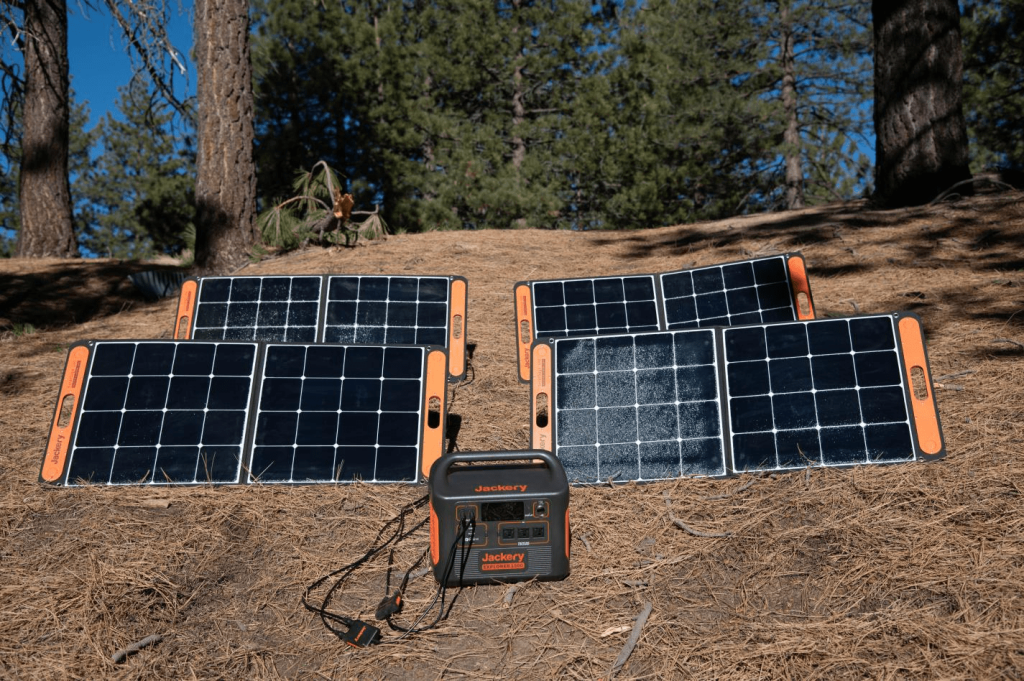
Imagine the ease of harnessing the sun’s energy to power your entire home. You might be wondering if a solar generator can truly handle all your household needs.
This question is becoming more relevant as energy costs climb and environmental concerns grow. Your curiosity could lead you to a sustainable solution that not only reduces your carbon footprint but also slashes your energy bills. You’ll discover if a solar generator is the right fit for your home.
Dive in to explore practical insights and uncover how you can transform your living space into an eco-friendly powerhouse. Your journey towards smarter, greener energy starts here.
Solar Generator Basics
Understanding solar generator basics is key for homeowners considering solar power. These devices offer an eco-friendly way to generate electricity. They convert sunlight into energy to power homes efficiently. Let’s explore their components and how they function.
Components Of A Solar Generator
A solar generator consists of three main parts. These include solar panels, a battery, and an inverter.
- Solar Panels:These capture sunlight and convert it to electricity.
- Battery:Stores the electricity for later use when sunlight is not available.
- Inverter:Converts stored energy into usable household power.
Each component plays a crucial role. They work together to provide continuous power.
How Solar Generators Work
Solar generators capture sunlight through their panels. The panels convert sunlight into direct current (DC) electricity. This electricity charges the battery for storage.
The inverter then transforms this DC electricity into alternating current (AC). AC is the type of power your home appliances need. This system ensures your home has power, even at night.
Solar generators offer a reliable and sustainable energy source. They can reduce reliance on traditional electricity sources.
Energy Requirements For A Household
Exploring the power of a solar generator for a household raises questions about energy efficiency. Solar generators can supply enough energy for basic needs, but large appliances may require additional support. Understanding individual energy consumption is key to determining feasibility.
Understanding the energy requirements for a household is crucial when considering the feasibility of powering an entire house with a solar generator. With energy consumption varying greatly depending on the size and lifestyle of a household, it’s essential to examine what the average usage looks like and identify the critical appliances and devices that demand the most power.Average Power Consumption
Typically, an average household in the U.S. consumes around 877 kWh per month, equating to approximately 30 kWh per day. This figure can fluctuate based on factors like the number of occupants, the climate, and lifestyle choices. Consider this: if you live in a colder region, your heating demands could significantly increase your energy needs. Alternatively, a tech-savvy family might see higher consumption due to numerous gadgets and devices. By knowing your daily usage, you can better plan your solar generator’s capabilities. Have you ever checked your electricity bill to see where you stand?Critical Appliances And Devices
Not all appliances are created equal in terms of energy consumption. Certain devices are essential and often draw a significant amount of power. – Refrigerators: These run continuously and can consume between 100-800 watts, depending on the model and size. – Heating and Cooling Systems: These are often the biggest energy hogs, especially in extreme weather conditions, potentially using several thousand watts. – Water Heaters: Traditional units can use about 4500 watts, making them critical in your planning. Think about which appliances you can’t live without. Could you survive a hot summer day without air conditioning? Making a list of your critical devices can help you prioritize your energy needs. This way, you can ensure your solar generator is up to the task of maintaining your comfort and lifestyle. Are there any devices you could temporarily do without to save on power?Sizing A Solar Generator For Home Use
Sizing a solar generator for home use can seem daunting. It depends on the energy needs of your house. Calculate your daily energy consumption to see if a solar generator can power your entire home.
Sizing a solar generator for home use involves understanding your energy needs and choosing the right capacity. It’s crucial to ensure your solar generator can handle your household’s power requirements. A well-sized solar generator can provide reliable energy, helping you save on electricity bills.Calculating Energy Needs
Start by identifying all the devices and appliances you use. Make a list of each item and its wattage. Common household items like refrigerators and lights have specific energy needs. Check the labels or manuals for wattage details. Add up the total wattage of all your appliances. This gives you an estimate of your daily energy consumption. Consider seasonal changes in energy use, like air conditioning in summer.Choosing The Right Capacity
Once you know your energy needs, select a solar generator with the right capacity. Look for a generator that can handle your daily wattage requirement. Check the generator’s battery storage capacity. It should hold enough energy for cloudy days. Consider the solar panel size that comes with the generator. Larger panels collect more sunlight, charging the generator faster. Ensure the generator includes a reliable inverter to convert energy efficiently. Choose a generator that fits your budget while meeting your power needs.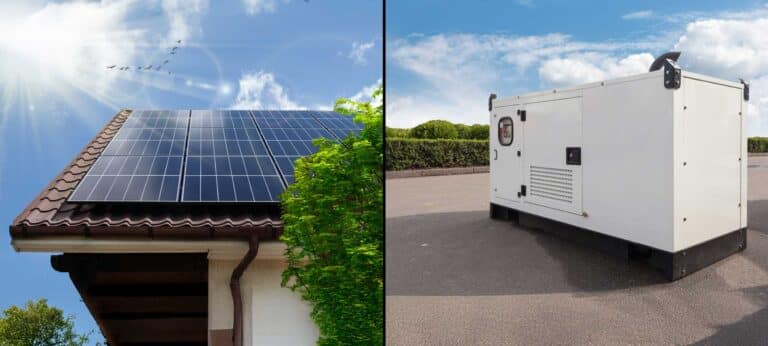
Credit: www.lumelect.com
Benefits Of Solar Generators
Solar generators can power a whole house by providing clean energy. They reduce electricity bills and carbon footprint. Plus, they offer a reliable backup during power outages.
The benefits of solar generators extend beyond just powering homes. They offer a sustainable energy solution and can transform how we use electricity. Many people are embracing solar power for its environmental and financial advantages.Environmental Impact
Solar generators reduce reliance on fossil fuels. They harness energy from the sun, a renewable resource. This means fewer greenhouse gases enter the atmosphere. Reducing carbon emissions helps combat climate change. Solar power also reduces air and water pollution.Cost Savings
Solar generators can lower energy bills. By generating your own electricity, you rely less on the grid. This can mean significant savings over time. Initial setup costs can be high. Yet, tax incentives and rebates can offset these expenses. Over years, the savings can outweigh the initial investment. Solar generators require low maintenance. They have fewer moving parts than traditional generators. This means fewer repair costs. Plus, solar energy is free. Once installed, the sun’s power is yours to use without monthly charges.Challenges And Limitations
Powering a whole house with a solar generator presents several challenges and limitations. While solar energy offers a sustainable option, it’s not without hurdles. Understanding these can help in better planning and execution.
Weather Dependency
Solar generators rely heavily on sunlight. Cloudy days and rain can limit energy production. This means less power is available for home use during bad weather. Solar panels need direct sunlight for optimal performance. Seasonal changes also affect sunlight hours. Winter months may see a drop in energy efficiency. So, solar generators may not be reliable all year round.
Storage Issues
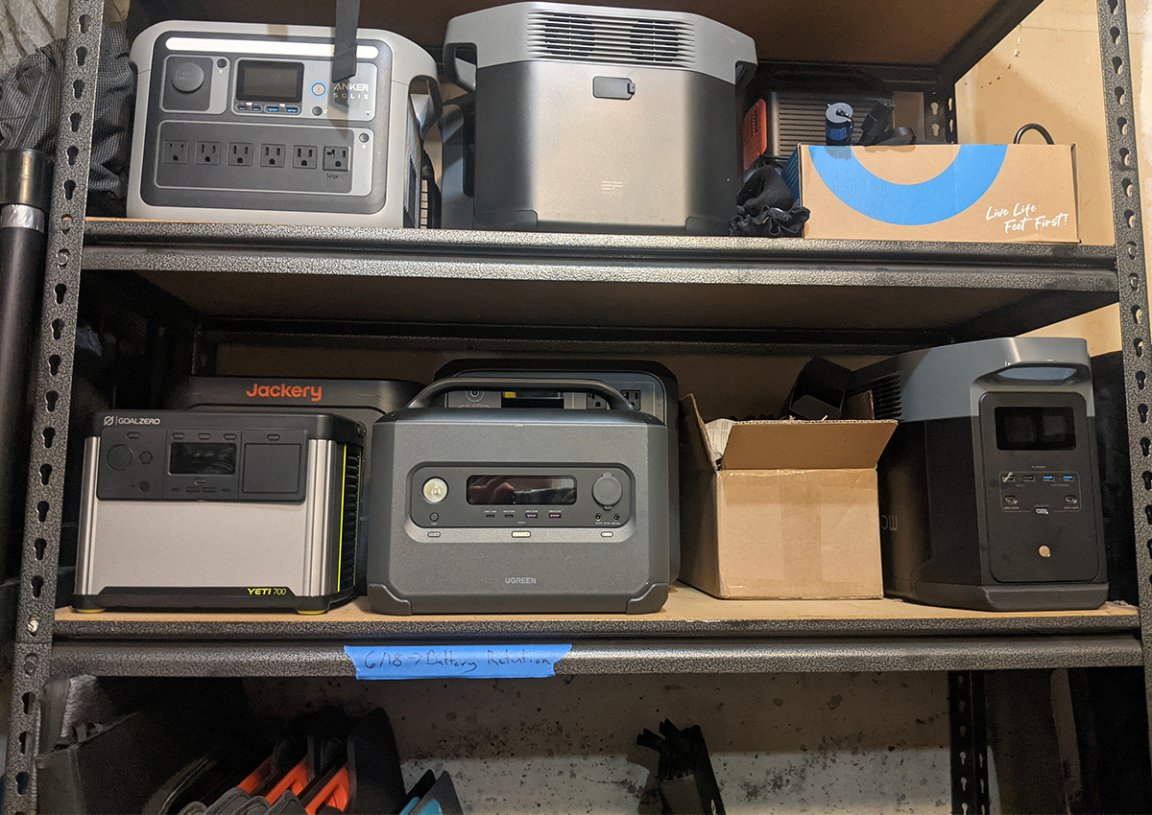
Storing solar energy effectively is another challenge. Batteries are used to store excess solar power for later use. However, these batteries can be costly and take up space. Battery capacity limits how much energy can be stored. If the battery is full, extra solar power gets wasted. Also, batteries have a limited lifespan. They need replacement after a few years, adding to costs. Proper storage solutions require careful planning and investment.
Credit: www.outdoorlife.com
Technological Advances
Exploring if a solar generator can power a whole house reveals exciting possibilities. Solar generators harness sunlight to produce electricity, potentially running essential appliances. With advancements in technology, they offer a sustainable way to meet household energy needs.
Technological advances have transformed the potential of solar generators. Today, powering a whole house with solar energy is more achievable than ever. These advances focus on battery technologies and solar panels. Both are essential to harness and store energy efficiently.Improved Battery Technologies
Recent years have seen significant improvements in battery technologies. Modern batteries store more energy and discharge it steadily. This ensures consistent power supply for household needs. Lithium-ion batteries lead the market, offering high energy density. They are lighter and more durable than traditional options. Newer designs also charge faster, reducing downtime for energy collection. These improvements make solar generators more reliable for home use.Enhanced Solar Panels
Solar panels have become more efficient and affordable. They now capture more sunlight, converting it into usable energy. Advanced materials increase the panels’ effectiveness. This means more energy from less sunlight. Enhanced solar panels are also more compact. They fit into smaller spaces, making them suitable for urban homes. Durability has improved too, with panels lasting longer under various weather conditions. These advancements contribute greatly to the feasibility of solar-powered homes.Integrating Solar Generators With Existing Systems
Integrating solar generators with existing systems can enhance energy efficiency. A solar generator, when properly scaled, can power a whole house. It depends on the home’s energy needs and the generator’s capacity.
Integrating solar generators with existing systems is a smart move for anyone looking to enhance energy efficiency in their home. It offers you the chance to blend renewable energy with traditional power sources seamlessly. But how do you go about it? Let’s dive into two popular options: hybrid systems and grid-connected options.Hybrid Systems
Hybrid systems merge solar generators with other energy sources, like traditional grid power or batteries. This setup allows you to enjoy the benefits of solar energy while having a reliable backup when the sun isn’t shining. Imagine using solar power during sunny days and switching to grid energy at night. This balance can significantly reduce your electricity bills. One real-world example is combining solar panels with a propane generator. It’s like having the best of both worlds: solar energy for daily use and propane for emergencies. Wouldn’t it be great to have consistent power without relying solely on one source?Grid-connected Options
A grid-connected solar generator system allows you to feed excess energy back into the grid. This can be beneficial as it often results in credits on your utility bill, depending on your local regulations. Consider a scenario where your solar generator produces more energy than your household needs. You can send this surplus to the grid, effectively lowering your overall energy costs. If you’re considering this option, check out net metering policies in your area. They could be the key to maximizing savings and efficiency. Wouldn’t it be exciting to not only reduce your energy bills but potentially earn from your solar investment? Integrating solar generators with existing systems requires thoughtful planning and consideration. But with the right approach, you can enjoy sustainable energy without sacrificing reliability. What integration strategy suits your home best?Future Prospects
The future of solar generators powering homes is bright. As technology advances, solar generators will become more efficient and accessible. This shift promises exciting developments in energy independence.
Innovations On The Horizon
New technologies are emerging to improve solar generator efficiency. Enhanced battery storage can now store more energy for longer periods. Smart systems optimize energy use based on household needs. Lightweight solar panels are easier to install and integrate into homes. These innovations make solar generators a feasible option for more households.
Potential Market Growth
The solar generator market is expanding rapidly. As demand for clean energy grows, more manufacturers enter the market. Prices for solar generators are dropping, making them accessible to more people. Governments are also offering incentives for using renewable energy solutions. These factors contribute to the growing popularity of solar generators.

Credit: shopsolarkits.com
Frequently Asked Questions
What Are The Disadvantages Of A Solar Generator?
Solar generators often have high upfront costs. They rely on sunlight, limiting efficiency in cloudy weather or at night. Energy storage capacity can be limited. Maintenance and replacement of parts, like batteries, might be needed. They may not support high power appliances due to limited output.
How Many Solar Panels Do I Need For A 2000 Square Foot House?
A 2000 square foot house typically needs 16-20 solar panels. Factors include energy usage, panel efficiency, and local sunlight conditions. Consulting with a solar expert ensures optimal setup for your home.
Can I Use A Solar Generator Instead Of Electricity?
Yes, you can use a solar generator as an alternative to electricity. It converts sunlight into energy, providing power for various devices. Ensure your solar generator meets your energy needs and is properly installed for optimal performance. Consider factors like capacity, location, and usage to maximize efficiency.
Can You Live Off The Grid With A Solar Generator?
Yes, you can live off the grid with a solar generator. It provides clean, renewable energy. Ensure you have sufficient solar panels and battery storage. This setup supports basic appliances and lighting. Consider your energy needs and location for optimal efficiency and sustainability.
Conclusion
Solar generators can power homes, but with limits. Energy needs vary greatly. Larger systems might work for small homes. Consider battery capacity and peak sun hours. Analyze your home’s energy consumption. You may need backup options. Solar generators are eco-friendly.
They reduce reliance on traditional power. Good for emergencies and off-grid living. Check installation costs and space requirements. They offer flexibility and sustainability. Plan thoroughly before investing. Understand your energy goals and limitations. Research the best options for your situation.
Solar generators present possibilities. Make informed decisions for your power needs.