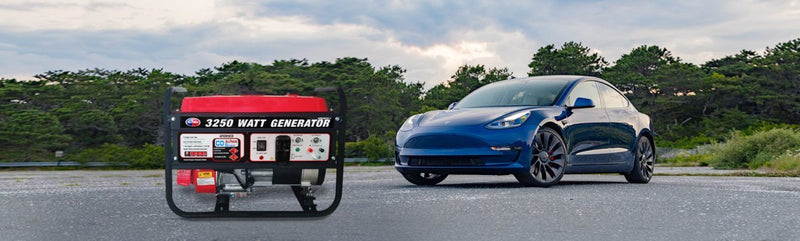
Imagine a world where your electric car charges not at a station, but harnesses the power of the sun directly from your driveway. Exciting, right?
This dream isn’t just a futuristic concept; it’s a possibility waiting to be explored. You might be wondering, “Can a solar generator really power my electric car? ” This question is more than just about convenience; it’s about embracing an eco-friendly lifestyle while potentially saving money.
As you delve into this article, you’ll uncover the surprising capabilities of solar technology and its potential to revolutionize your daily commute. Get ready to discover whether your car can run on sunshine and how it could transform your relationship with energy and the environment.

Credit: ev-lectron.com
Solar Generator Basics
Solar generators have become increasingly popular as a sustainable power source. They harness sunlight to produce energy, making them an eco-friendly choice for various applications. But can a solar generator power an electric car? To answer that, let’s first understand the basics of solar generators.
Components Of Solar Generators
At the heart of any solar generator, you’ll find several key components:
- Solar Panels:These are the initial point of contact for sunlight. They convert sunlight into electrical energy through photovoltaic cells.
- Battery Storage:This is where the energy is stored. It allows you to use the solar energy when sunlight isn’t available, like during the night or cloudy days.
- Inverter:The inverter transforms the stored DC energy from the battery into AC power, which most household appliances and electric car chargers use.
- Charge Controller:This regulates the power going into the battery, preventing overcharging and ensuring optimal battery health.
Each component plays a crucial role in ensuring a solar generator functions efficiently. When combined, they create a powerful system capable of powering various devices.
How Solar Generators Work
Understanding the operation of a solar generator is fascinating and practical. When sunlight hits the solar panels, it is converted into DC electricity. This energy is then stored in the battery for later use.
The inverter comes into play when you need to use the stored energy. It converts DC electricity into AC, making it suitable for powering your electric car or home appliances. The charge controller ensures that the battery is charged efficiently and safely.
Imagine waking up to a fully charged electric car, powered by the sun’s energy! This process may seem straightforward, but the technology behind it is both complex and efficient. Have you ever considered how much cleaner and greener our world could be with more widespread use of solar power?

Credit: www.youtube.com
Electric Car Charging Needs
The surge in electric vehicle (EV) popularity has brought a new focus on charging solutions. As more people opt for EVs, understanding their charging needs becomes crucial. If you’re considering using a solar generator to power your electric car, it’s essential to grasp the specifics of your vehicle’s requirements. Let’s dive into the essentials of electric car charging needs and see how they align with solar power capabilities.
Power Requirements Of Electric Cars
Electric cars vary in power needs based on their battery capacity and design. Most EVs require between 30 to 60 kilowatt-hours (kWh) to fully charge. For example, a Tesla Model 3 Long Range needs about 75 kWh. Your solar generator must be able to meet these demands, otherwise, charging will be incomplete or inefficient.
Think about your driving habits. If you drive long distances regularly, a higher capacity battery is essential, requiring more power for charging. Ensure your solar generator matches your vehicle’s battery size to avoid frustrating interruptions.
Charging Time And Efficiency
Charging time is another factor to consider. A typical home EV charger takes around 8-12 hours for a full charge, depending on the power source. With a solar generator, you might face longer times due to varying sunlight conditions.
Efficiency matters too. Solar generators convert sunlight into electricity, but their efficiency can drop on cloudy days. Have you considered backup options for such days? Maybe a hybrid system combining solar and grid power could be your solution.
Reflect on your daily routine and parking time. If your car sits idle during daylight hours, you can maximize solar charging. But, if you often park at night, you may need alternative strategies.
In your quest to power your EV sustainably, understanding these nuances ensures you make the most of your solar generator. Are you ready to adapt your charging habits for a greener future?
Compatibility Of Solar Generators With Electric Cars
Understanding the compatibility between solar generators and electric cars is essential. Solar generators offer clean energy, but can they power an electric car? The answer depends on several factors. These factors include the capacity of the generator and the type of electric car. Let’s explore these aspects to find the best fit.
Capacity And Output Limitations
Solar generators vary in capacity and output. Most home solar generators range between 1000 and 5000 watts. This capacity may not be enough for some electric cars. Charging an electric car requires a high amount of energy. For example, a Tesla Model S needs around 85 kWh for a full charge. A standard solar generator might take days to provide this energy. Larger solar setups might offer better compatibility.
Another factor is the charging speed. Electric cars charge faster with higher power outputs. Solar generators often offer slower charging speeds. This speed might not be convenient for daily use. Consider the generator’s capacity and output before investing. Ensure it aligns with your car’s charging needs.
Types Of Electric Cars And Their Compatibility
Electric cars come in various types with different charging needs. Some cars, like the Nissan Leaf, have smaller batteries. These may work well with solar generators. Smaller batteries require less energy for a full charge. Therefore, they are more compatible with smaller solar setups.
On the other hand, cars with larger batteries need more energy. Models like the Tesla Model X or Rivian R1T have larger energy demands. Charging these cars with a solar generator might be challenging. Consider the car’s battery size when choosing a solar generator. It helps in determining the feasibility of solar charging.
Challenges In Using Solar Generators
Powering an electric car with a solar generator presents technical challenges. The generator’s capacity may struggle to meet the car’s energy needs. Weather conditions can further impact charging efficiency, making it unreliable.
Harnessing the power of solar energy to charge an electric car seems like a perfect match for sustainable living. However, the reality of using solar generators for this purpose comes with its own set of challenges. Understanding these hurdles can help you better plan your transition to greener energy solutions.Weather Dependence
Solar generators rely heavily on sunlight, making them sensitive to weather conditions. On cloudy or rainy days, energy production can significantly drop, affecting your ability to charge your car efficiently. Even in sunny climates, the daily fluctuations in sunlight can pose a challenge. Consider how this variability might affect your daily routine. Would you be comfortable planning your travel around the weather forecast? This dependency can be a major consideration for anyone thinking about using solar power for their electric vehicle.Storage And Portability Issues
Another obstacle is the storage and portability of solar generators. While some compact models exist, they often lack the power needed to fully charge an electric car. Larger units are more capable but present logistical challenges. Transporting and setting up these units can be cumbersome, especially if you need to move them frequently. Think about your lifestyle. Do you have the space to store a larger generator, or the patience to deal with a smaller, less efficient one? Balancing size, power, and convenience can be tricky, requiring careful consideration of your specific needs. Does the convenience of solar energy outweigh these challenges for you? The answer might depend on your personal circumstances and how committed you are to sustainable energy solutions.Benefits Of Solar-powered Charging
Imagine cruising down the highway in your electric car, knowing that your journey is powered by the sun. Solar-powered charging offers a unique blend of environmental and cost benefits that make it a compelling option for electric vehicle owners. By integrating solar energy into your charging routine, you can enjoy cleaner energy and save money over time. Let’s delve into these advantages.
Environmental Advantages
Every time you charge your electric car using solar energy, you significantly reduce your carbon footprint. Unlike traditional power sources that rely on fossil fuels, solar energy is clean and renewable. This means fewer emissions and a healthier planet.
Consider the impact you can have. Each solar-powered charge contributes to less air pollution and a decrease in greenhouse gases. It’s a step towards a sustainable future, where your choices directly support environmental well-being.
Cost Efficiency
Switching to solar-powered charging can lead to substantial savings. While the initial setup of solar panels might require an investment, the long-term benefits are undeniable. With the sun as your energy source, you’ll cut down on electricity bills.
Think about the freedom of charging your vehicle without worrying about fluctuating energy costs. As energy prices continue to rise, solar panels offer a stable and predictable alternative. Over time, this can translate into significant financial savings.
Have you considered how much you spend on charging your electric car each month? Solar power can make those figures drop, leaving more room in your budget for other essentials or luxuries.

Credit: ev-lectron.com
Alternative Solutions
Alternative solutions are emerging to charge electric cars using solar energy. As the world shifts towards renewable energy, creative methods are being explored. Solar generators are gaining popularity for their potential to power electric vehicles. Let’s look at some alternative solutions.
Grid-tied Solar Systems
Grid-tied solar systems connect solar panels directly to the power grid. These systems offer a practical way to charge electric cars. During sunny days, solar panels produce electricity that feeds into the grid. This energy can offset the power used to charge an electric car. A grid-tied system allows users to tap into solar energy without needing batteries. This setup is efficient and reduces reliance on traditional power sources.
Hybrid Charging Options
Hybrid charging combines solar power with traditional electricity. Solar panels can generate energy during the day while the grid supplies power at night. This dual approach ensures consistent charging for electric cars. Hybrid systems are flexible and adapt to varying weather conditions. They provide a reliable solution for those seeking sustainable charging methods. Using both solar and grid electricity can optimize energy use and reduce costs.
Frequently Asked Questions
Will A Solar Generator Charge An Electric Car?
Yes, a solar generator can charge an electric car. It requires sufficient capacity and compatible power output. Ensure the solar generator matches your car’s charging requirements for efficient charging.
How Big Of A Generator Is Needed To Charge An Electric Car?
You need a generator with at least 7,500 watts to charge an electric car efficiently. This ensures your vehicle receives enough power. A larger generator may charge faster, but 7,500 watts is generally sufficient. Always check your car’s specifications for exact requirements.
Can An Electric Car Run On Solar Power?
Yes, electric cars can run on solar power. Solar panels charge batteries, which then power the vehicle. Solar charging stations or home solar systems can provide the necessary energy. This eco-friendly solution reduces reliance on traditional electricity sources.
Can I Charge My Ev Car With A Portable Generator?
Yes, you can charge an EV car with a portable generator. Ensure the generator’s output matches the EV’s charging requirements. Use a generator with a clean sine wave to avoid damage. Check the EV and generator manuals for compatibility. Always follow safety guidelines during charging.
Conclusion
Powering an electric car with a solar generator is possible. It’s practical for short trips and light usage. Solar energy offers a clean and renewable option. Ideal for eco-conscious drivers and sunny regions. But, it may not replace traditional charging methods entirely.
Consider your driving habits and solar availability. Investing in solar can reduce your carbon footprint. You’ll save money in the long run. Plus, contribute to a greener future. Think about combining solar with other energy sources. This approach can enhance efficiency and reliability.
Always explore options based on your needs.