Imagine waking up to the gentle hum of nature, sipping your coffee as the sun rises over a picturesque landscape. You’re in your RV, miles away from the hustle and bustle, yet you still enjoy the comforts of home.
What if you could power this dream with the sun? Yes, a solar generator could be your key to endless adventures without sacrificing convenience. You might wonder if a solar generator can truly power your RV, and you’re not alone.
Many RV owners are intrigued by the idea but unsure about its feasibility. This article will unravel the facts and dispel any myths, guiding you through everything you need to know about using solar energy to fuel your travels. It’s time to discover if harnessing the sun’s power is your next step toward a sustainable and liberating RV lifestyle. Are you ready to explore the possibilities?
Solar Generators: Basics
Solar generators are gaining popularity among RV enthusiasts. They offer a clean and renewable energy source. Understanding how they work can help you harness their power for your travels.
Components Of Solar Generators
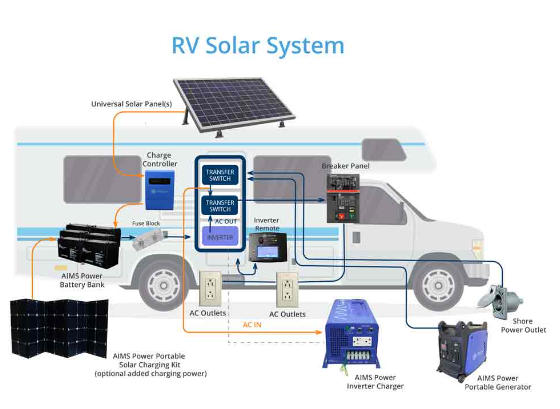
Solar generators consist of several key components:
- Solar Panels:These capture sunlight and convert it into electricity. They are often mounted on the roof of the RV.
- Battery:Stores the electricity generated by the solar panels. This allows you to use power even when the sun isn’t shining.
- Charge Controller:Regulates the power from the panels to the battery. It prevents overcharging and protects battery life.
- Inverter:Converts stored DC electricity into AC power. This is necessary for running most appliances in your RV.
How Solar Generators Work
The operation of solar generators is straightforward. Solar panels capture sunlight and convert it to DC electricity. This electricity flows to the charge controller. The controller manages the power that reaches the battery, ensuring safe charging.
The battery stores the electricity until needed. When you need power, the inverter changes DC electricity to AC. This powers your RV appliances and devices. Solar generators offer an eco-friendly solution for off-grid adventures.
Energy Needs Of An Rv
Understanding the energy needs of an RV is essential for any traveler. It ensures a smooth and comfortable journey. RVs are like small homes on wheels. They require power for various appliances and systems. Efficient power management can make a big difference.
Common Appliances In An Rv
RVs come equipped with several common appliances. These include:
- Refrigerator: Keeps food fresh during trips.
- Microwave: Quick meal preparation is possible.
- Air Conditioner: Ensures comfort in hot weather.
- Heater: Keeps the RV warm in colder climates.
- Lights: Illuminate the interior and exterior.
- Television: Provides entertainment on the go.
- Water Pump: Supplies water to the sink and shower.
Estimating Power Consumption
Estimating power consumption helps in managing energy efficiently. Start by listing all appliances. Note their power ratings in watts. Multiply the wattage by the hours of use per day. This gives the daily energy consumption in watt-hours.
For example, a 100-watt light used for 3 hours consumes 300 watt-hours. Add up the totals for all appliances. This gives the overall energy need. This calculation helps in determining if a solar generator can meet the demand.
Solar Generator Capacity
Solar generator capacity is key for powering an RV efficiently. It determines how long and what appliances can run. Sufficient capacity ensures a seamless travel experience, keeping essentials like lights and refrigerators powered.
Battery Storage Capabilities
Battery storage is crucial for solar generators. It stores energy collected by solar panels. This stored energy powers the RV when sunlight is unavailable. Battery capacity is measured in watt-hours (Wh). A higher watt-hour rating means more stored energy. Consider your RV’s power needs when choosing a battery. Large batteries provide longer power duration. Smaller ones suit short trips or minimal usage.Output Power Ratings
Output power ratings indicate how much power a generator can deliver. It’s measured in watts (W). It tells you the maximum power for your RV devices. Ensure your generator matches or exceeds your RV’s power needs. Some appliances need high power. Consider this when selecting a generator. Knowing the output rating helps prevent power shortages. It ensures all devices run smoothly.
Credit: lanpwr.com
Suitability For Rv Use
Powering an RV with a solar generator is quite feasible. These generators convert sunlight into electricity, ensuring a quiet, eco-friendly energy source. They are portable and versatile, making them ideal for off-grid camping adventures.
Suitability for RV Use Taking your RV on the road means embracing the freedom of exploring without constraints. Powering it with a solar generator can be a game-changer. It offers a sustainable energy source that aligns perfectly with the essence of RV life—mobility and independence.Benefits Of Solar Generators
Solar generators provide a clean and renewable energy source, which is ideal for the environmentally-conscious traveler. They are silent, unlike gas generators, making them perfect for maintaining the tranquility of nature. Imagine waking up to the sound of birds instead of an engine’s roar. Solar generators also reduce your reliance on traditional power sources. This can lead to cost savings over time, as you harness free energy from the sun.Potential Challenges
Despite their advantages, solar generators have limitations. They depend heavily on sunlight, which can be unpredictable. Cloudy days or dense forest areas might reduce their effectiveness. Consider the space available on your RV for solar panels. They can be bulky and require careful planning to ensure they do not interfere with your RV’s functionality. Is the trade-off worth it for you? Balancing these factors is crucial. Ensuring your energy needs align with what a solar generator can provide will be key to a successful RV adventure.Installation Considerations
Installing a solar generator in an RV requires careful planning. It ensures efficient energy use and maximizes the benefits of solar power. Considerations include panel placement, system connection, and overall compatibility.
Mounting Solar Panels On An Rv
Panel placement impacts energy efficiency. Choose a spot with maximum sunlight exposure. Common locations include the roof or slide-outs. Ensure panels are securely attached to withstand travel vibrations. Use brackets or adhesive mounts for stability.
Before installation, check the roof’s weight capacity. Avoid overloads to prevent damage. Measure the space to ensure the panels fit properly. Plan for tilt options to maximize solar capture.
Connecting To The Rv Electrical System
Proper connection to the RV’s electrical system is crucial. It ensures seamless energy flow from panels to appliances. Begin by identifying your RV’s electrical layout. Locate the battery and inverter for easy access.
Use the right cables and connectors to link the solar generator. Avoid short circuits by following the manufacturer’s guidelines. Ensure all connections are secure and insulated. Regularly check for wear and tear.
Consider installing a charge controller. It prevents battery overcharging and prolongs battery life. Monitor energy usage through the RV’s electrical system. This helps in managing power efficiently.

Credit: us.ecoflow.com
Cost Analysis
When considering the power options for your RV, one factor stands out: cost. Understanding the financial implications of opting for a solar generator can help you make an informed decision. While the initial expense might seem daunting, the long-term savings could make it a worthwhile investment. Let’s break down the cost analysis of using a solar generator to power your RV.
Initial Investment
The upfront cost of purchasing a solar generator can vary widely based on the model and capacity. You might find yourself spending anywhere from $300 to several thousand dollars. However, compare this to the recurrent expenses of fuel-powered generators, and you’ll see the potential for savings.
Consider the installation costs. While some RV owners manage DIY installations, hiring a professional ensures optimal setup and safety. This may add to the initial investment but often pays off in efficiency and peace of mind.
Reflect on the quality and durability of your chosen solar generator. Investing in a high-quality system means fewer repairs and replacements down the road, ultimately saving you money.
Long-term Savings
Once the solar generator is installed, you can start enjoying savings immediately. Solar energy is free, which means your RV can be powered without ongoing fuel costs. Imagine the freedom of traveling without worrying about fuel expenses!
Maintenance costs for solar generators are generally lower compared to traditional generators. Fewer moving parts mean fewer things that can break or wear out, translating to less money spent on repairs.
Consider the potential increase in the resale value of your RV. A solar-equipped RV can appeal to eco-conscious buyers, potentially fetching a higher price when it’s time to sell.
Are you ready to embrace a cost-effective and eco-friendly lifestyle? With solar power, your RV adventures can be both sustainable and economical.
Alternative Power Sources
Alternative power sources for your RV can open up a world of possibilities. Instead of relying solely on traditional methods, exploring renewable energy options like solar generators offers a sustainable and efficient way to power your adventures. Imagine parking your RV in a sunny spot and harnessing the power of the sun to fuel your journey, reducing your carbon footprint while enjoying the great outdoors. But how do solar generators stack up against more conventional choices?
Comparing To Traditional Generators
Traditional generators have long been the go-to for RV enthusiasts seeking reliable power. They provide consistent energy but often come with drawbacks like noise and fuel dependency. Solar generators, however, operate silently and utilize free, renewable energy from the sun. Have you ever found yourself frustrated by the constant hum of a generator disrupting the peace of a serene campsite? Solar generators might just be the quieter, greener solution you’ve been searching for.
Solar generators also offer ease of maintenance. While traditional generators require regular servicing and fuel refills, solar generators need minimal upkeep. They are designed to be user-friendly, allowing you to focus more on enjoying your trip and less on technical troubleshooting. With advancements in solar technology, these generators are becoming more efficient, making them a viable alternative for powering your RV.
Hybrid Systems
Combining solar power with traditional generators can provide the best of both worlds. Hybrid systems allow you to use solar energy when the sun is shining and switch to a traditional generator when needed. This flexibility ensures that you’re never left without power, no matter the weather conditions.
Imagine waking up to a cloudy day—your solar panels might struggle to generate enough power. In such cases, a hybrid system can seamlessly transition to using a traditional generator, ensuring your appliances keep running smoothly. This approach can also extend the lifespan of both systems, as each component gets a break, reducing wear and tear.
Considering a hybrid system means taking advantage of solar power’s eco-friendliness while retaining the reliability of a traditional generator. It’s about finding the balance that fits your travel style and power needs. Could this be the solution that makes your RV trips more enjoyable and sustainable?
Real-world Case Studies
Exploring the effectiveness of solar generators in powering RVs highlights their potential for sustainable energy solutions. Real-world case studies demonstrate how these systems meet basic energy needs, offering insight into their practical applications.
Real-world case studies reveal the practical use of solar generators in RVs. They highlight both successes and challenges faced by RV owners. Understanding these experiences can guide you in using solar power efficiently.Success Stories
Many RV owners have switched to solar power with great success. One family traveled across the country using a solar generator. They managed to power all their essential devices. Their setup included a solar panel array and a battery storage system. Another couple enjoyed off-grid living for months. Their solar generator kept their refrigerator and lights running. They appreciated the quiet and eco-friendly energy source. Their story inspires others to adopt solar energy for their RVs.Lessons Learned
Not every experience with solar generators is seamless. Some users found that their power needs exceeded the generator’s capacity. They learned to calculate their energy consumption more accurately. It helped them choose a generator with the right capacity. Others faced challenges with weather conditions. Cloudy days reduced the solar energy available. This taught them the importance of having a backup power source. These lessons can help new users plan better for their solar setup.
Credit: vtoman.com
Frequently Asked Questions
What Size Solar Generator To Run An Rv?
Choose a solar generator with at least 2000-3000 watts for running an RV. Consider battery capacity, inverter size, and solar panel wattage. Ensure it supports essential appliances like fridge, lights, and small electronics. Portable options offer convenience for off-grid adventures.
Check compatibility with your RV’s power needs.
How Long Will A Solar Generator Run Rv Ac?
A solar generator can run an RV AC for 1-4 hours, depending on the generator’s capacity and AC power requirements. A high-capacity generator is essential for longer run times. Ensure solar panels are efficient to recharge the generator quickly.
How Many Watts Of Solar Do I Need To Run My Rv?
Calculate your RV’s energy needs to determine solar wattage. Typically, RVs require 200 to 400 watts. Check your RV appliances and usage for accuracy. Consider battery capacity and sunlight hours for efficiency. Solar panel efficiency varies, so choose high-quality panels for optimal performance.
Can I Plug My Rv Directly Into A Generator?
You can plug your RV directly into a generator. Ensure the generator matches your RV’s power requirements. Use an appropriate adapter for connection safety. Maintain proper ventilation to avoid exhaust issues. Regularly check connections to prevent electrical hazards and ensure smooth operation.
Conclusion
Solar generators can power an RV effectively. They offer clean, renewable energy. Great for camping trips or road adventures. Easy to set up. Quiet operation means peace and tranquility. No need for noisy gas generators. Portable design allows flexibility. Perfect for remote areas where power is scarce.
Saves money on fuel costs. Good for the environment too. Helps reduce carbon footprint. Ideal for those who love nature and sustainability. Consider your power needs carefully. Choose the right system size. Enjoy the freedom solar power brings. Experience the open road with less worry.