
Imagine a chilly winter evening when all you want is to snuggle in warmth. You might wonder if a solar generator can power your space heater, letting you enjoy a cozy atmosphere without worrying about your electricity bill.
This intriguing question combines two modern essentials: renewable energy and efficient heating. But, can a solar generator really rise to the occasion and keep your space heater running smoothly? Before you make any decisions, let’s explore the fascinating interaction between solar power and space heaters.
By the end of this article, you’ll have a clear understanding of how these two can work together to keep your home warm and eco-friendly. Dive in, and discover the surprising possibilities that lie ahead.
Solar Generator Basics
Understanding the basics of a solar generator is crucial if you’re considering using one to power a space heater. Solar generators are becoming increasingly popular for their eco-friendly benefits and ability to provide energy independence. But how do they work, and can they really power a space heater effectively?
Components Of A Solar Generator
A solar generator is composed of three main components: solar panels, a battery, and an inverter. The solar panels capture sunlight and convert it into electricity. This electricity is then stored in the battery, which can hold and provide power even when the sun isn’t shining.
The inverter plays a critical role by converting the stored direct current (DC) electricity into alternating current (AC), which is what most household appliances, including space heaters, use. Without these components working together, a solar generator wouldn’t be able to function effectively.
Power Output And Capacity
The power output and capacity of a solar generator determine whether it can run a space heater. Space heaters typically require a significant amount of power, often ranging from 1,500 to 3,000 watts. Therefore, you’ll need a solar generator with a high wattage output to meet this demand.
It’s essential to check the generator’s capacity, usually measured in watt-hours (Wh), to ensure it can run a space heater for a reasonable amount of time. For example, a generator with a capacity of 2,000 Wh can theoretically power a 1,500-watt heater for a little over an hour, assuming 100% efficiency.
Do you have a solar generator at home? Consider testing its capacity with other appliances to gauge its limits. Understanding these basics can help you decide whether a solar generator is a viable option for your heating needs.
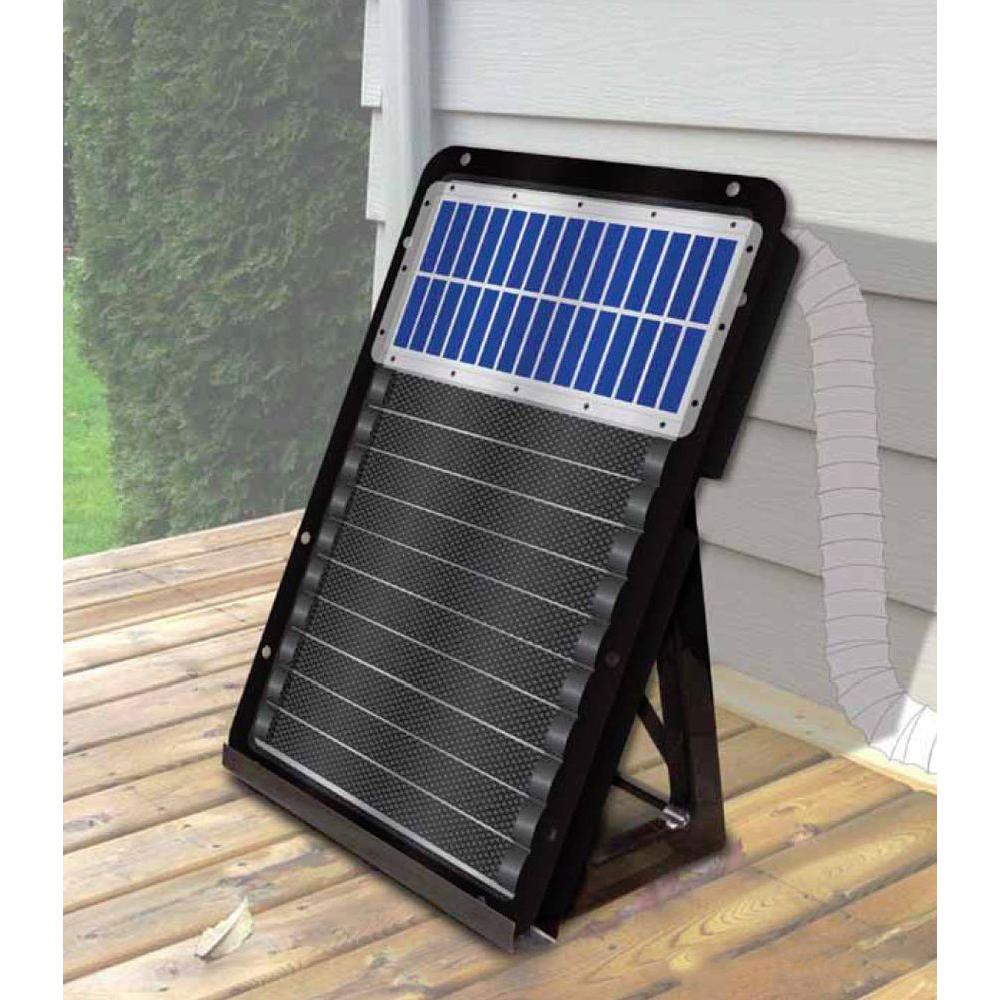
Credit: modernize.com
Space Heater Energy Requirements
Understanding the energy requirements of space heaters is crucial for efficient use. Space heaters vary widely in their power needs and types. Knowing these details can help you determine if a solar generator can support your heater.
Types Of Space Heaters
Space heaters come in various forms, each with unique features. Convection heaters warm the air directly and are common in larger rooms. Radiant heaters focus on warming objects and people, offering targeted heat. Fan-forced heaters use a fan to distribute heat quickly across a room. Ceramic heaters combine convection and fan methods for efficient heating.
Wattage And Power Consumption
Wattage is key to understanding a heater’s energy usage. Most space heaters range from 750 to 1500 watts. Higher wattage means more heat, but also more energy consumption. It’s essential to check your heater’s power label for accurate wattage. Consider your room size and heating needs when choosing wattage. For smaller areas, lower wattage may suffice. Larger rooms might require heaters with higher wattage.
Compatibility Factors
Understanding compatibility factors is crucial for using a solar generator with a space heater. Both devices have specific needs and limitations. Ensure they align for optimal performance. Let’s delve into the key factors that determine compatibility.
Matching Power Needs
Space heaters consume a significant amount of power. Check the wattage of your heater first. Most space heaters require between 1,500 and 3,000 watts. Your solar generator must match or exceed this power. Otherwise, the heater won’t function properly. Review your solar generator’s output capacity. Ensure it can deliver enough continuous power.
Battery And Inverter Considerations
The battery in a solar generator stores energy. It must have enough capacity to run a space heater. Consider the battery’s total watt-hours. A higher capacity supports longer heater use. The inverter is crucial too. It converts stored energy for appliance use. Check the inverter’s wattage rating. It should match the heater’s power needs. If the inverter is too weak, it won’t handle the heater’s demands.

Credit: www.jackery.com
Efficiency Considerations
Solar generators can power space heaters, but efficiency depends on the generator’s capacity and the heater’s energy needs. High wattage heaters may drain power quickly, requiring larger solar setups or reduced usage time. Proper assessment of energy consumption and generator capability ensures optimal performance.
Considering the efficiency of using a solar generator to run a space heater is crucial. The combination of these technologies can seem like a sustainable solution, but it’s essential to understand how efficiently they work together. Factors such as energy conversion, weather, and location significantly impact their overall performance.Energy Losses In Conversion
When using a solar generator, energy conversion is inevitable. Solar panels convert sunlight into electricity, but not all of that energy reaches your space heater. Conversion inefficiencies can result in energy loss, which means your heater might not run at its full capacity. For instance, if your solar panel has an efficiency rate of 20%, only a fifth of the sunlight is converted into usable electricity. This highlights the importance of choosing high-efficiency solar panels. Always consider the energy rating of both your solar generator and space heater to ensure compatibility.Impact Of Weather And Location
Weather plays a crucial role in the efficiency of a solar generator. In areas with limited sunlight, solar panels might not gather enough energy to power a space heater effectively. Cloudy or rainy weather can drastically reduce solar output. Location also matters; living in a region with short daylight hours can further impact solar efficiency. Are you prepared for the seasonal variations in sunlight? You might need a backup power source during the winter months when sunlight is scarce. These efficiency considerations are vital when deciding if a solar generator can reliably power your space heater. Being informed helps you make practical decisions, ensuring you’re warm without unnecessary energy waste.Benefits And Challenges
Running a space heater with a solar generator saves energy but requires careful power management. Solar generators face challenges like limited capacity and weather dependency, which can affect heater performance.
Running a space heater with a solar generator presents both benefits and challenges. The appeal lies in sustainable energy use and reduced carbon footprint. Yet, technical constraints can hinder performance and efficiency. Understanding these aspects aids in making informed decisions about solar energy use.Environmental Advantages
Solar generators harness clean energy from the sun. This reduces reliance on fossil fuels. Lower emissions mean less environmental impact. Using solar power for heating can decrease your carbon footprint. This eco-friendly choice supports a sustainable future.Technical Challenges
Running a space heater demands significant power. Solar generators may struggle to supply this consistently. Weather conditions affect solar panel efficiency. Cloudy days can reduce power generation. Battery capacity is another concern. Limited storage means less power for extended use. Proper sizing and planning are crucial for effective use.Practical Usage Tips
Using a solar generator to power a space heater can be effective. Understanding practical tips ensures optimal performance. This guide covers optimizing performance and maintenance. Following these tips can maximize efficiency and lifespan.
Optimizing Performance
A solar generator’s performance can be maximized with strategic use. Here are some tips:
- Choose a space heater with low energy consumption. This ensures longer runtime.
- Place the solar generator in direct sunlight. Maximize solar panel exposure for better energy capture.
- Use a battery with high capacity. It stores more energy for prolonged use.
- Limit other device usage. Focus energy solely on the space heater.
Maintenance And Care
Proper maintenance extends the life of your solar generator. Here are key care tips:
- Regularly clean solar panels. Dust and dirt reduce efficiency.
- Check battery connections. Ensure they are tight and corrosion-free.
- Store the generator in a dry place. Protect it from moisture and harsh weather.
- Inspect cords and plugs. Look for damage to prevent power loss.

Credit: www.jackery.com
Frequently Asked Questions
What Size Solar Generator Do I Need To Run A Space Heater?
To run a space heater, choose a solar generator with at least 1500W output. Check the heater’s wattage first. Ensure the generator has enough battery capacity for continuous use. Opt for a model with fast recharging capabilities to maintain efficiency.
How Long Can A Solar Generator Run A Heater?
A solar generator can run a heater for 2-8 hours. The duration depends on the generator’s capacity and the heater’s wattage. Check both specifications to estimate runtime. Ensure your solar generator has enough power to meet the heater’s energy requirements for optimal performance.
How Much Solar To Run A Space Heater?
To run a space heater, you need a solar system with 1500-2000 watts capacity. Consider battery storage for consistent power. Check heater wattage and solar panel efficiency for precise calculations.
How To Run A Space Heater Without Electricity?
Use a propane or kerosene heater for heating without electricity. Ensure proper ventilation to avoid toxic fumes. Always follow safety guidelines while operating.
Conclusion
Choosing a solar generator for a space heater demands careful thought. Power needs play a big role. Higher wattage heaters require more energy. Check your generator’s output capacity. Remember, efficiency matters. Solar energy varies by location and season. Consider battery storage options.
They help during cloudy days. Solar generators offer eco-friendly benefits. They reduce reliance on fossil fuels. Perfect for small heaters and mild climates. Research before purchasing. Understanding your needs saves time and money. Make informed choices for a warm and sustainable future.
Solar power holds potential. Embrace it wisely.