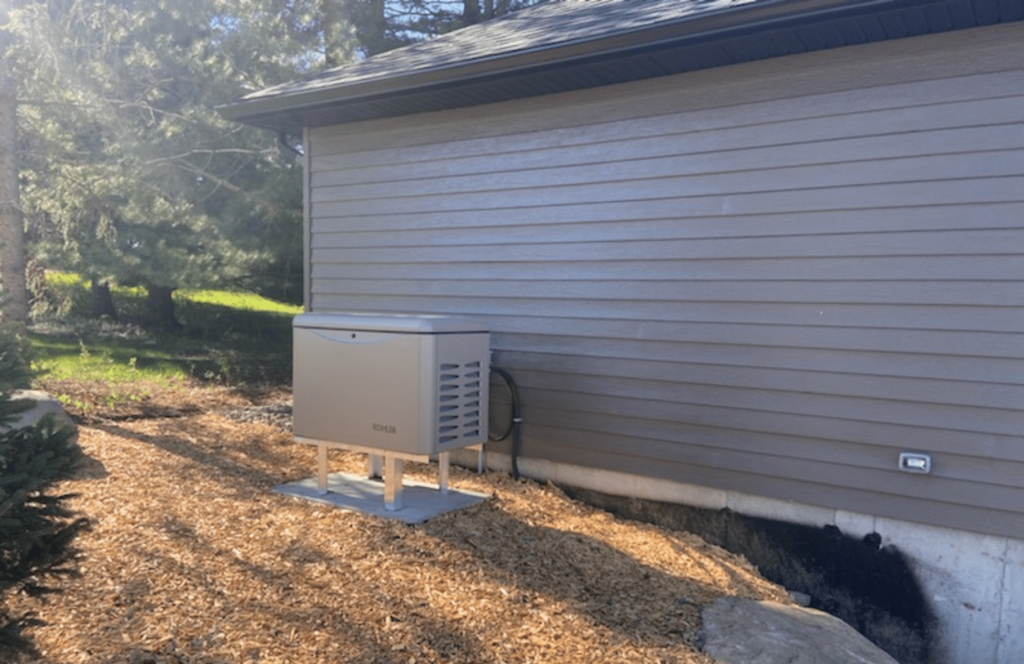
Have you ever wondered if your standby generator needs a little lift? The idea of raising it off the ground might sound unusual, but it could be the game-changer you didn’t know you needed.
Imagine the peace of mind knowing your generator is safe from flooding, easier to maintain, and potentially more efficient. We’ll explore the compelling reasons why elevating your generator could be the best decision you make for your home. Stay with us to uncover how this simple adjustment can protect your investment and keep your power running smoothly, even in the toughest conditions.
Are you ready to transform the way you think about your generator setup? Let’s dive in!

Credit: thecabindepot.ca
Benefits Of Raising A Standby Generator
Raising a standby generator offers several key advantages. It provides better flood protectionby keeping the unit above water levels during heavy rains. This helps avoid costly damage and keeps the generator working when needed most.
Improved airflow and coolingalso result from elevation. Air circulates freely around the generator, preventing overheating and extending its life. Good cooling makes the generator more efficient and reliable.
Elevating the generator helps with pest and debris prevention. It stops rodents, insects, and leaves from entering and clogging the unit. This lowers maintenance needs and keeps the generator clean.

Credit: www.angi.com
Ideal Materials For Elevation
Raising a standby generator off the ground helps protect it from water and dirt. Choosing the right material is key for safety and stability.
- Concrete padsare very strong and last a long time. They hold the generator steady and stop it from sinking in soft soil.
- Metal standsare tough and resist rust if coated well. They lift the generator and allow air to flow underneath.
- Wooden platformsare easy to build and cost less. Treated wood can resist moisture, but it may need more care over time.
Proper Height For Installation
Standby generatorsshould be installed at a proper height to avoid damage. The unit must be raised enough to prevent water from reaching it during heavy rain or floods. This helps keep the generator dry and working well.
Local rules often say how high the generator must be. These codes protect the generator and keep people safe. It is important to check with local authorities before installation.
Weather matters a lot. In places with snow, the generator should be above expected snow levels. In flood zones, raising the generator higher than usual is smart. Proper elevation also allows for good air flow and easy maintenance access.
| Factor | Recommended Height | Reason |
|---|---|---|
| Local Code | Check local laws | Safety and compliance |
| Rain/Flood | Minimum 12 inches above ground | Prevent water damage |
| Snow | Above max snow depth | Keep generator clear |
| Air Flow | Clear space around unit | Proper cooling and service |
Credit: www.powerequipmentforum.com
Installation Tips
Leveling and stabilityare key for raising a standby generator. Use a flat, solid surface like a concrete pad. This prevents tilting and damage. Keep the generator levelto avoid fuel and oil leaks. Adding rubber pads helps reduce vibration and noise.
Securing the generatorkeeps it safe during storms or strong winds. Use anchor bolts or straps to fix the generator to the base. This stops it from moving or falling. Check the manufacturer’s guide for the right fasteners.
Access for maintenanceis important for long-term care. Leave enough space around the generator for easy reach. This helps with cleaning, oil changes, and repairs. Avoid placing it too close to walls or fences.
Common Mistakes To Avoid
Standby generators need strong supportif raised off the ground. Weak bases can cause shakingor damage. Use a solid platform made from concrete or sturdy wood. Avoid placing the generator on soft soil or unstable surfaces.
Proper ventilationis key. Generators release exhaust gasesand heat. Keeping air flowing prevents overheatingand dangerous fume buildup. Make sure the raised platform does not block air vents or trap heat under the unit.
Good drainagehelps protect the generator. Water pooling under or near the unit can cause rustand electrical problems. The platform should allow water to flow away freely. Avoid flat surfaces that collect rain or melting snow.
Safety Considerations
Electrical groundingis key for safety. The generator must connect to a proper ground rod. This stops electric shocks and damage. Raising the generator changes grounding needs. Check local codes to ensure correct setup.
Fuel supply protectionavoids leaks or fire risks. Keep fuel lines off the ground and away from water. Elevating the generator can help prevent water damage. Use sturdy, fire-resistant materials for fuel lines and storage.
- Emergency shutoff accessmust be clear and quick.
- Place switches where anyone can reach them fast.
- Raised platforms should not block access.
- Label shutoff points clearly for easy identification.
Frequently Asked Questions
Can A Standby Generator Be Safely Raised Off The Ground?
Yes, a standby generator can be raised off the ground safely. Elevating it protects against flooding, moisture, and debris. Use a sturdy platform made of concrete, metal, or treated wood. Ensure the platform is level and stable to maintain proper operation and safety.
Why Raise A Standby Generator Off The Ground?
Raising a generator prevents water damage during floods or heavy rain. It also improves ventilation and reduces dirt and debris accumulation. Elevated placement helps maintain the generator’s lifespan and ensures reliable power supply during outages.
What Materials Are Best For Raising A Generator?
Concrete, metal, and pressure-treated wood are ideal materials. They provide a stable, durable platform that resists weather and pests. Avoid materials that can rot, warp, or corrode over time. Proper materials ensure long-lasting support and safety for the generator.
How High Should A Standby Generator Be Raised?
Raise the generator at least 12 to 18 inches above ground level. This height protects against minor flooding and debris buildup. Always check local codes for specific elevation requirements to ensure compliance and safety.
Conclusion
Raising a standby generator off the ground can protect it from water and dirt. It also helps improve air circulation and cooling. Make sure to follow local rules and manufacturer advice. Use sturdy, level platforms to keep the generator safe and stable.
Proper placement can extend your generator’s life and keep it working well. Think about safety and convenience before installing. A well-placed generator means reliable power when you need it most.